Explore our high-performance baggage dolly systems and material handling solutions engineered for intense industrial aviation environments.
In the modern aviation sector, transitioning from fossil fuels to zero-emission infrastructure is no longer a localized strategy; it is a global imperative. The airport ramp environment is uniquely positioned to benefit from electrification due to high vehicle utilization rates, stop-and-go duty cycles, and the concentration of operations around localized terminal zones. As a dedicated manufacturer and supplier of 2-3t electric baggage towing tractors, we provide key solutions targeting the mitigation of carbon footprints, noise levels, and lifecycle maintenance expenditures.
Traditional internal combustion engine (ICE) tractors introduce critical challenges into airport ecosystems: high idling diesel fuel usage, elevated emissions in semi-enclosed baggage sorting tunnels, and constant mechanical breakdowns due to transmission wear. Our 2-3 ton electric alternative streamlines ground support operations. Utilizing highly integrated AC drive systems and smart battery architectures, these tractors deliver peak torque immediately upon launch, ensuring smooth, controlled acceleration when hauling loaded cart strings.
Our solutions directly address the three pillars of modern industrial transport optimization: Operational Decarbonization (helping airports meet Net Zero 2050 targets), Ramp Safety (minimizing workplace hazard through low noise and smart driver-assist structures), and Asset Optimization (providing clear preventative telematics with less moving mechanical components).
Over the past decade, airports worldwide have established stringent green mandates. From Europe’s Clean Aviation initiatives to North America's Voluntary Airport Low Emissions (VALE) program, logistics operators are prioritizing the acquisition of electric ground support equipment (eGSE). In the Asia-Pacific region, rapid infrastructure construction paired with localized carbon reduction standards has created a high demand for high-efficiency electric baggage towing tractors.
Our manufacturing processes leverage high-capacity industrial sourcing, which enables us to supply certified, heavy-duty baggage tractors to terminal operators, commercial airlines, and mail hubs worldwide. By ensuring compliance with global electrical and mechanical standards, we bridge the gap between heavy-duty requirements and environmentally friendly solutions. Our equipment integrates seamlessly with existing airport infrastructure, supporting rapid direct-charging setups as well as long-term zero-maintenance operations.
A technical overview highlighting the architectural design and system values that set our electric tractors apart from traditional tow-handling assets.
| Specification Feature | 2-Ton Electric Tractor Rating | 3-Ton Electric Tractor Rating | Industrial B2B Operations Benefit |
|---|---|---|---|
| Rated Drawbar Pull | 4.5 kN - 5.0 kN | 7.0 kN - 7.5 kN | High starting torque ensures steady towing of multiple fully-loaded baggage dollies. |
| Towing Capacity | Up to 25 Tons | Up to 35 Tons | Enables single-operator multi-cart logistics loops on terminal aprons. |
| Motor Technology | AC Brushless Drive (7.5 kW) | AC Brushless Drive (11 kW) | Maintenance-free brushless system with regenerative braking to recoup energy. |
| Battery Chemistry | LiFePO4 / Lead-Acid Option | LiFePO4 / Lead-Acid Option | Lithium Iron Phosphate supports fast opportunity-charging and offers a long cycle life. |
| Control System | Curtis AC Controller | Curtis AC Controller | Industry standard digital control logic offers custom torque curves and on-board diagnostic features. |
| Safety Interlocks | Seat-sensor cutoff, auto-parking brake | Seat-sensor cutoff, auto-parking brake | Ensures tractor prevents accidental movements when operator steps off cabin. |
We supply a versatile lineup of airport service vehicles, refueling systems, aircraft ground power systems, and cargo handlers.
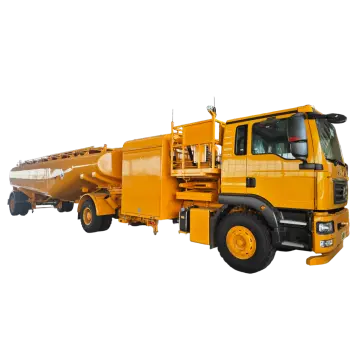
Features robust filtration, metering, custom pumping loops, self-circulation, and advanced pressure control configurations.
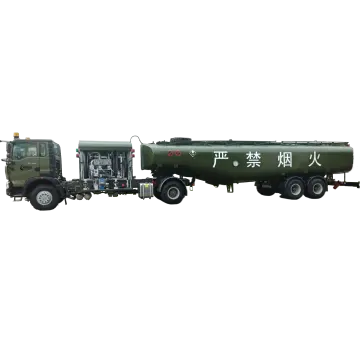
Heavy-duty tank chassis design integrating micro-filtration and automatic pressure release for commercial aircraft support.
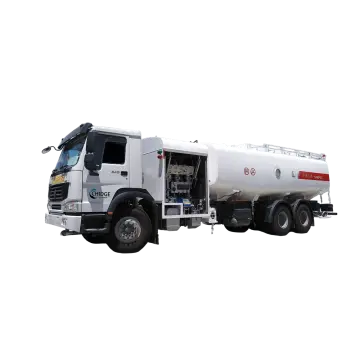
Designed for mid-to-large airport setups, ensuring precise fuel dispensing with digital metering systems.
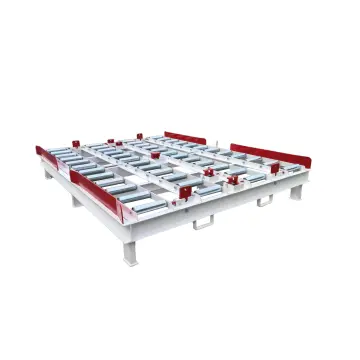
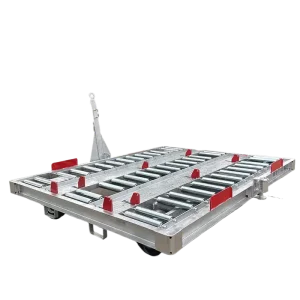
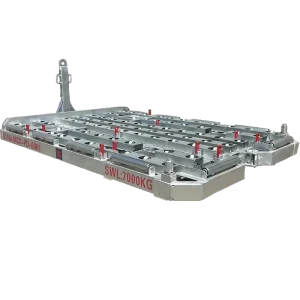
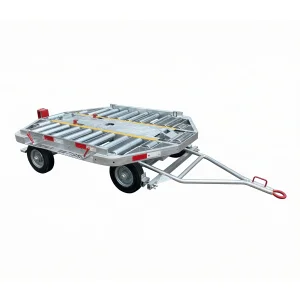
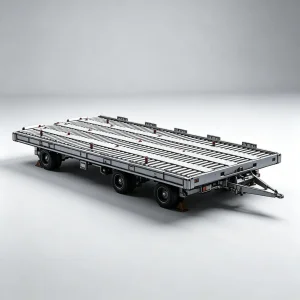
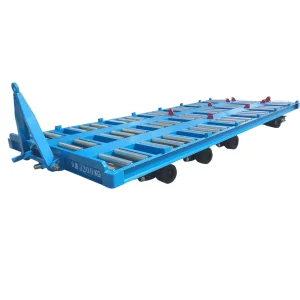
High structural integrity and heavy cargo load handling capacity, engineered for smooth pallet transfer operations.
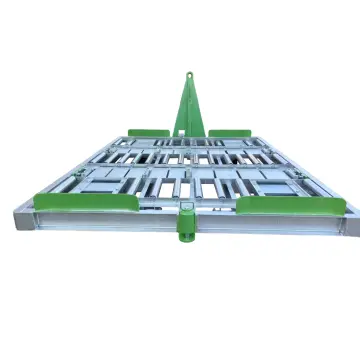
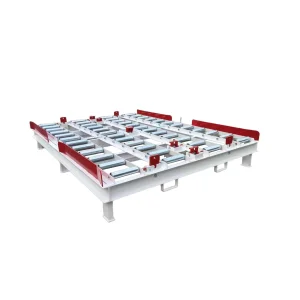
Optimized with durable steel frames, dual-row zinc-coated rollers, and parking brakes to secure cargo.
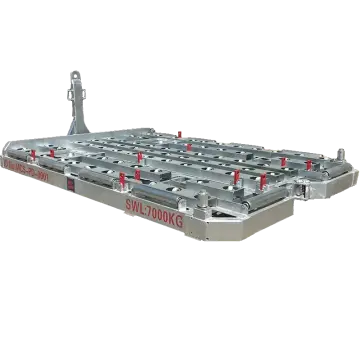
Engineered for multi-directional movement, featuring durable casters and rugged structure for high-density logistics.
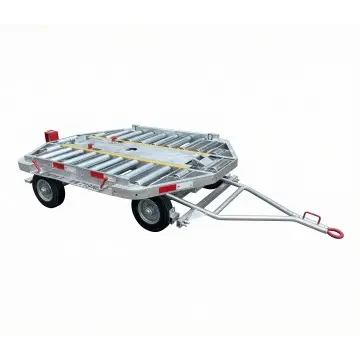
Specially sized container platform for quick loading of standard aviation LD3 unit load devices (ULDs).
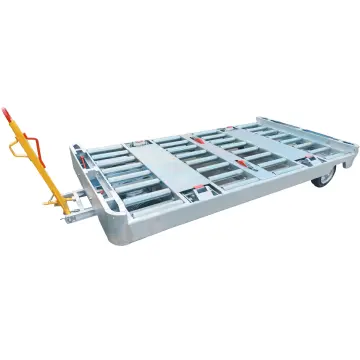
Heavy-duty transport solution built for long service life on busy airport aprons under extreme weather conditions.
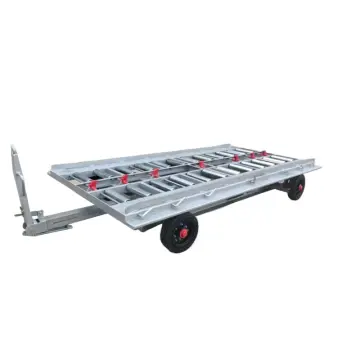
High-efficiency tracking steering mechanism guarantees precise movement pathing on curves and turns.
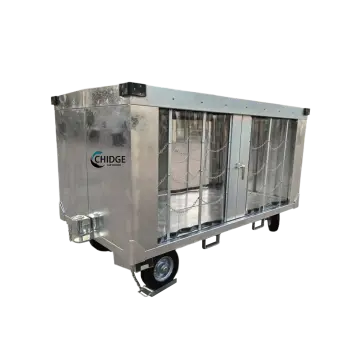
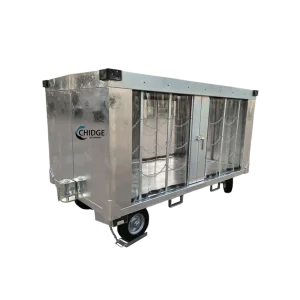
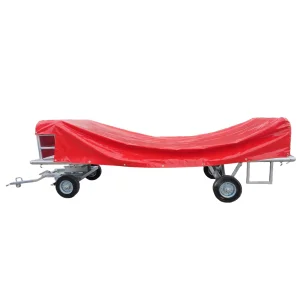
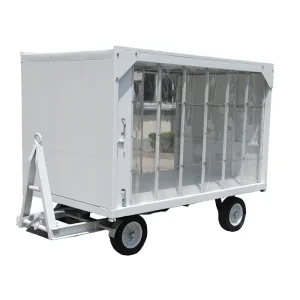
Fully enclosed cargo shelter protecting valuable passenger luggage and parcels from adverse weather.
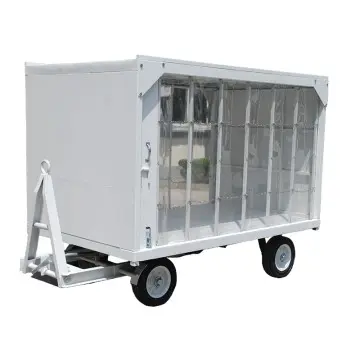
Fitted with double-sided door closures, custom latch bars, and reinforced hinges to ensure long-term service.
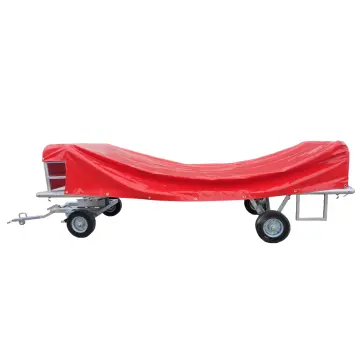
Highly maneuvering manual baggage carts featuring high-strength wear parts and dynamic safety brakes.
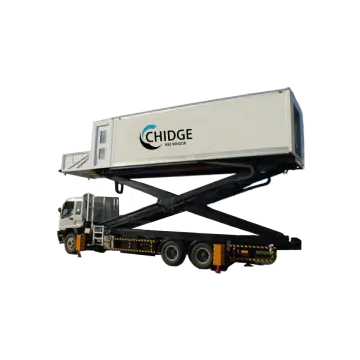
Self-propelled kitchen service and catering vehicle engineered with safety scissor lifts for varying cabin heights.
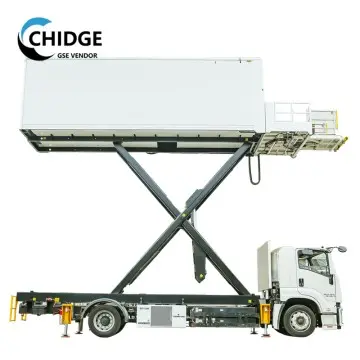
Eco-friendly, zero-emission catering solution providing high reliability and quiet operations directly underneath the aircraft.
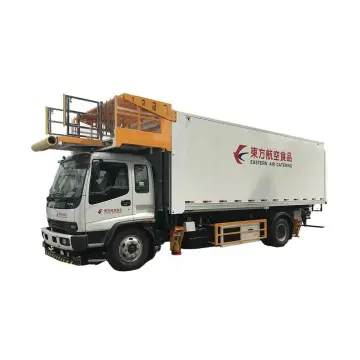
Global standard airline dining logistics support vehicles with insulated cabins and reliable lift hydraulics.
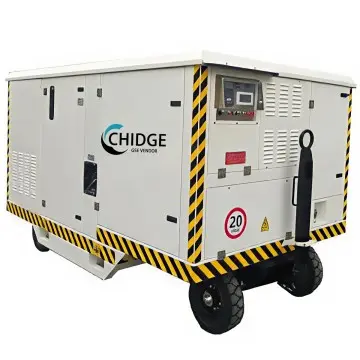
High-efficiency air heating systems supplying high CFM heated airflow to aircraft cabins in winter conditions.
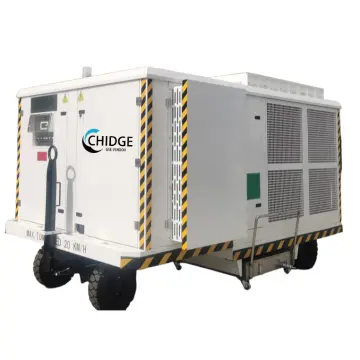
Pre-conditioned air system providing comfortable climate control to cabin systems during ground times.
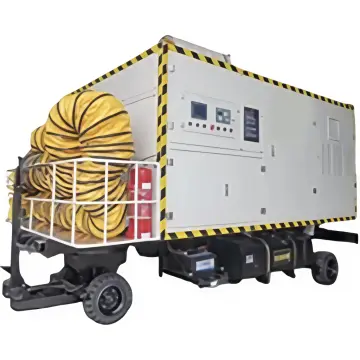
Industrial ground portable heating unit with multi-layered safety mechanisms for extreme environments.
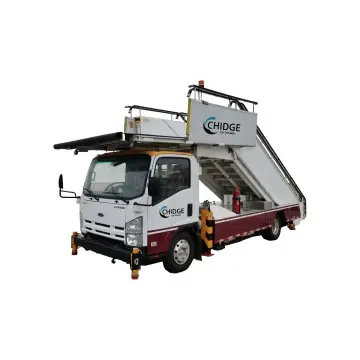
Self-propelled electrical passenger stairs ensuring passenger safety during boarding and deboarding.
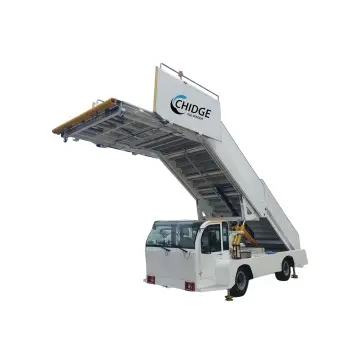
Robust diesel-drive passenger stairs with step lighting, non-slip surfaces, and automatic parking locks.
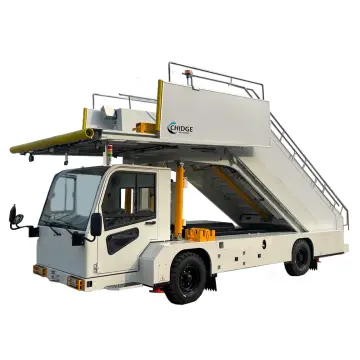
Telescopic stair system for large commercial airlines with a highly visible operator alignment interface.
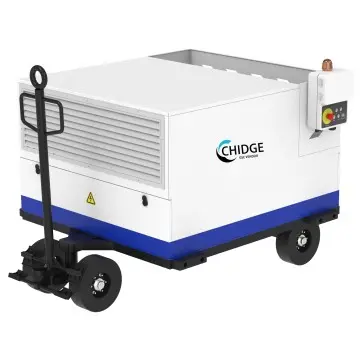
Highly advanced solid-state energy storage battery bank providing quiet 400Hz electricity on the ramp.
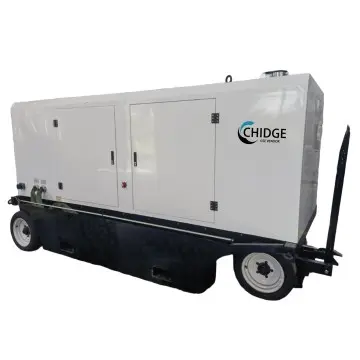
Converts commercial electricity to aircraft-ready 3-phase AC power with robust short-circuit protection.
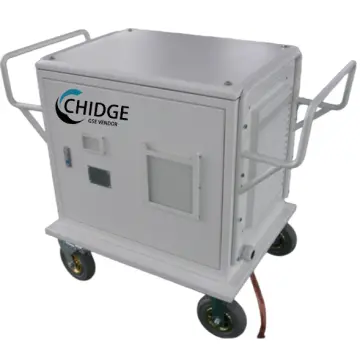
Zero maintenance solid-state frequency converter that reduces operational overhead compared to diesel engines.
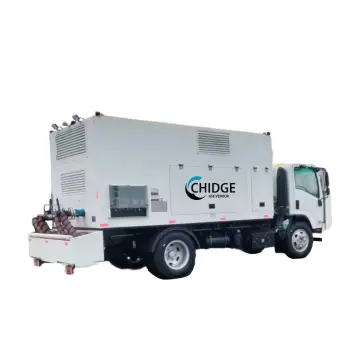
Engineered to deliver high pressure, high-volume pneumatic air flow to start main aircraft turbines.
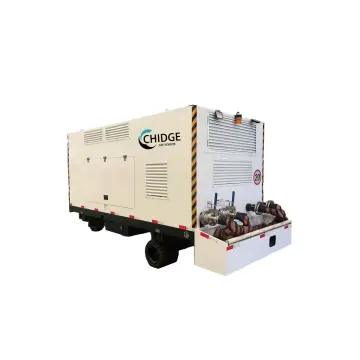
Industrial ground air starter offering digital monitoring of pressure levels and safety dump valves.
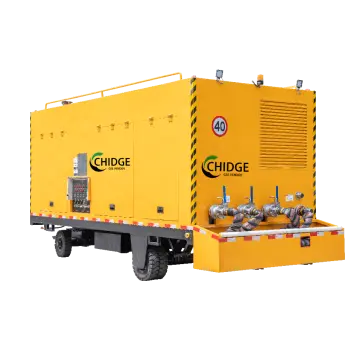
Ultra-reliable air flow engine unit built for larger twin-aisle commercial jets under busy schedules.
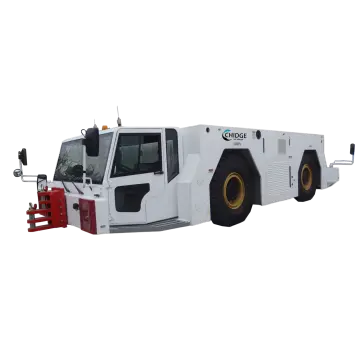
Heavy-duty pushback tractor designed with deep weight distribution blocks to move narrow-body aircraft.
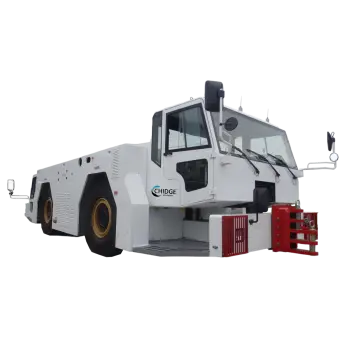
Versatile pushback tug offering excellent cabin visibility and responsive four-wheel steering configurations.
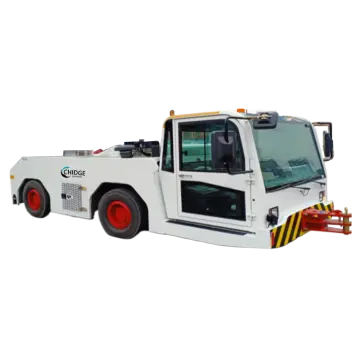
Compact regional aircraft pushback towing solution focusing on reliability and cost-efficiency.
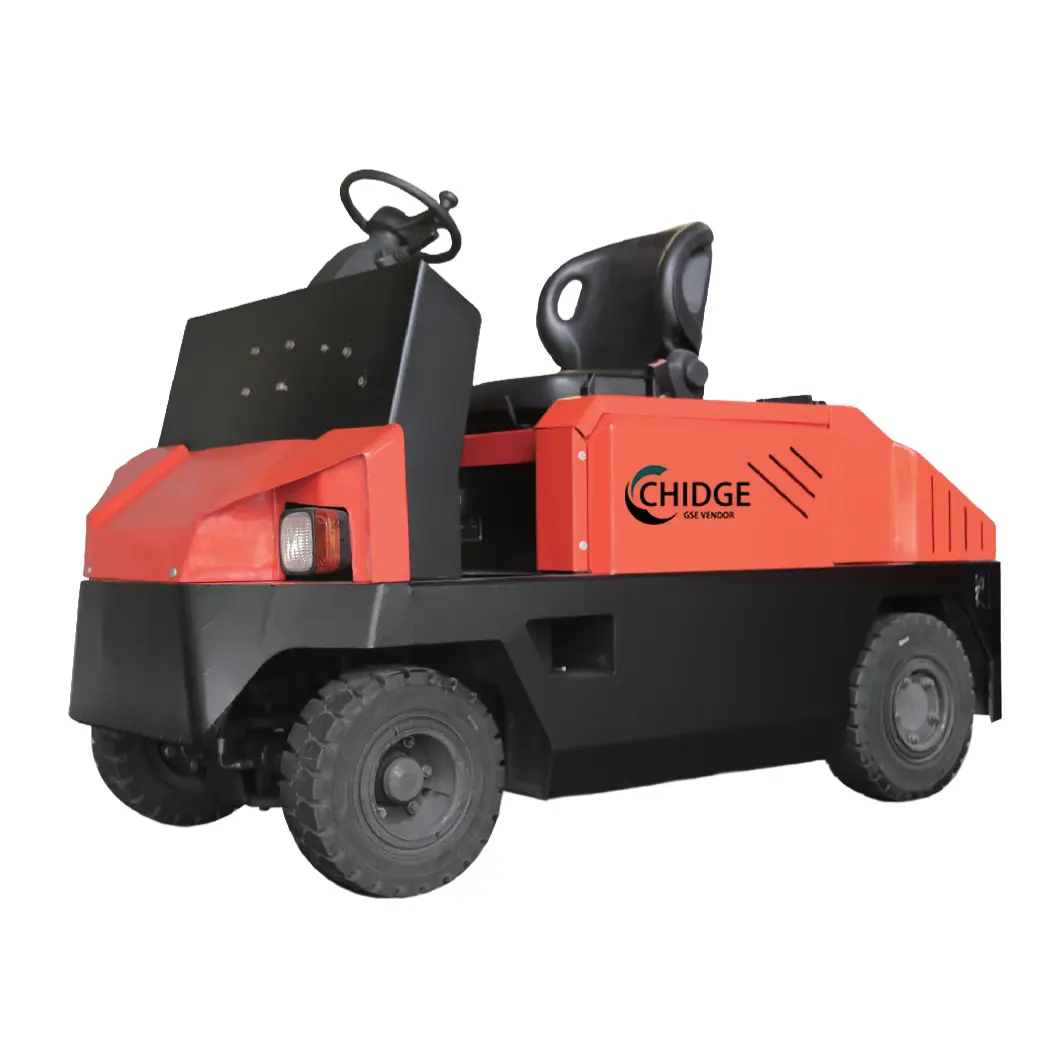
High-torque logistics utility tractor designed for cargo centers handling heavy ULD assemblies.
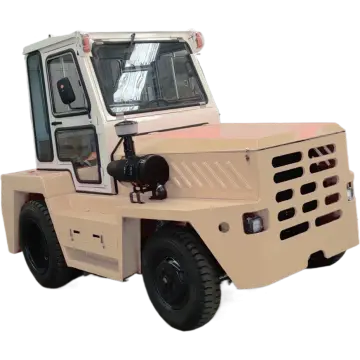
Extra heavy diesel tractor designed for heavy-duty military and large-scale cargo transit zones.
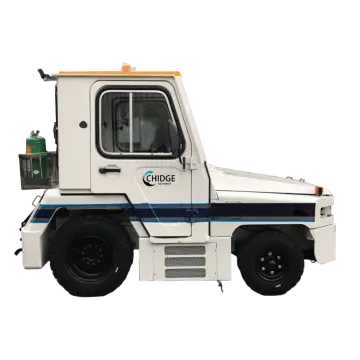
High performance long-range electric hauler equipped with intelligent regenerative braking systems.
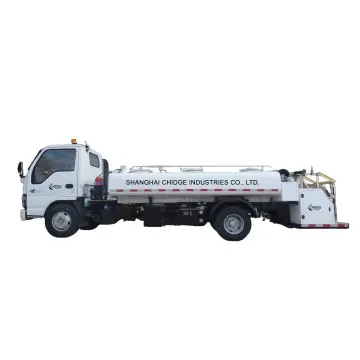
Corrosion-proof waste tank and clean water dispensing systems built on a highly reliable chassis.
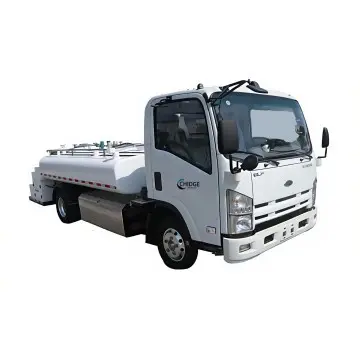
Full electric drive lavatory vehicle providing zero noise emission and easy operation on active stands.
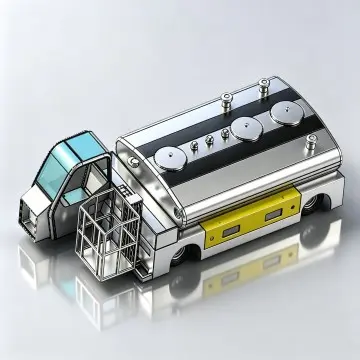
Optimized tank insulation system, ideal for sub-zero climate airport operations without freezing risks.
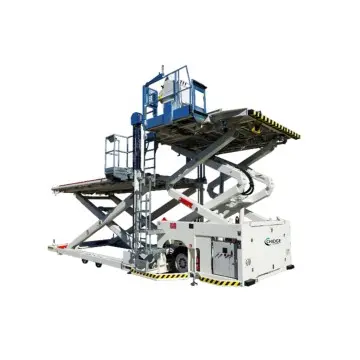
High capacity container and pallet lift loader designed to match wide-body passenger deck door clearances.
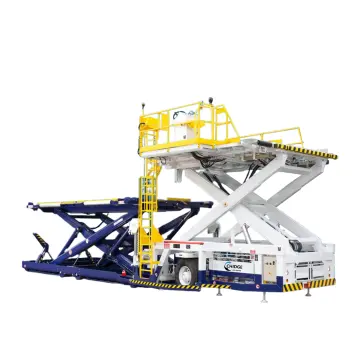
Heavy duty double platform lift loader designed to handle massive cargo loads at cargo terminals.
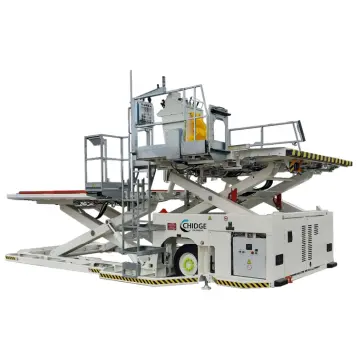
Highly agile deck cargo loader featuring accurate positioning and auto-leveling sensors.
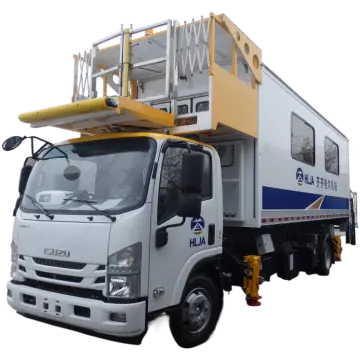
Specialized passenger transit vehicle designed with a hydraulic lift cabin to board mobility-impaired passengers.
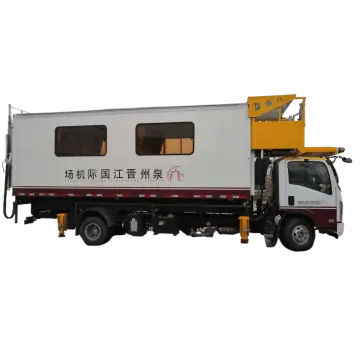
Reliable airline PRM passenger boarding systems featuring high-security locks and smooth control valves.
To maintain high reliability, our electric baggage towing tractors utilize a heavy-duty steel chassis with a low center of gravity. This mechanical layout distributes the weight of the battery pack evenly between both axles, ensuring maximum traction on wet or icy ramp surfaces.
The power system features a high-voltage, high-torque brushless AC motor. Unlike traditional DC motor systems, AC induction and PMSM technology eliminates commutator brushes, reducing mechanical wear. High-frequency digital controls adjust energy distribution based on drawbar feedback, allowing operators to start smoothly on inclines without rollbacks.
Our Integrated Battery Management System (BMS) continuously monitors cell voltage, temperature, and State of Charge (SoC). It prevents thermal runaway and balances charge rates, extending battery life to over 3,000 charge cycles.
Exporting ground support equipment globally requires adherence to strict safety standards. Our manufacturing processes comply with international norms, including:
Every 2-3t electric towing tractor undergoes dyno testing and drawbar tension validation to ensure it meets field performance standards before delivery to commercial ramps.
Why leading global ground handlers partner with us for their electric baggage tractor procurement needs.
We utilize advanced CAD design, structural simulation, and innovative energy-management systems to produce high-performance electric vehicles.
Our quality control program verifies dimensional accuracy, weld integrity, and electrical safety to meet expected B2B standards.
We manage component sourcing, inventory, and global shipping logistics to ensure timely delivery of equipment fleets.
We provide localized technical assistance, spare parts support, and training manuals to minimize vehicle down-time.
We recognize that different airports have unique operations. We offer comprehensive OEM and ODM services to adapt our electric towing tractors to specific operational needs:
Our company provides ground support equipment to regional airlines, international flag carriers, logistics companies, and air cargo handlers.
Integrated Solutions: From technical planning and customized design to prototype testing, serial manufacturing, and technical training, we deliver turnkey solutions to streamline GSE fleet integration.
Stay informed with updates from our engineering department regarding ground support technology and electrification trends.
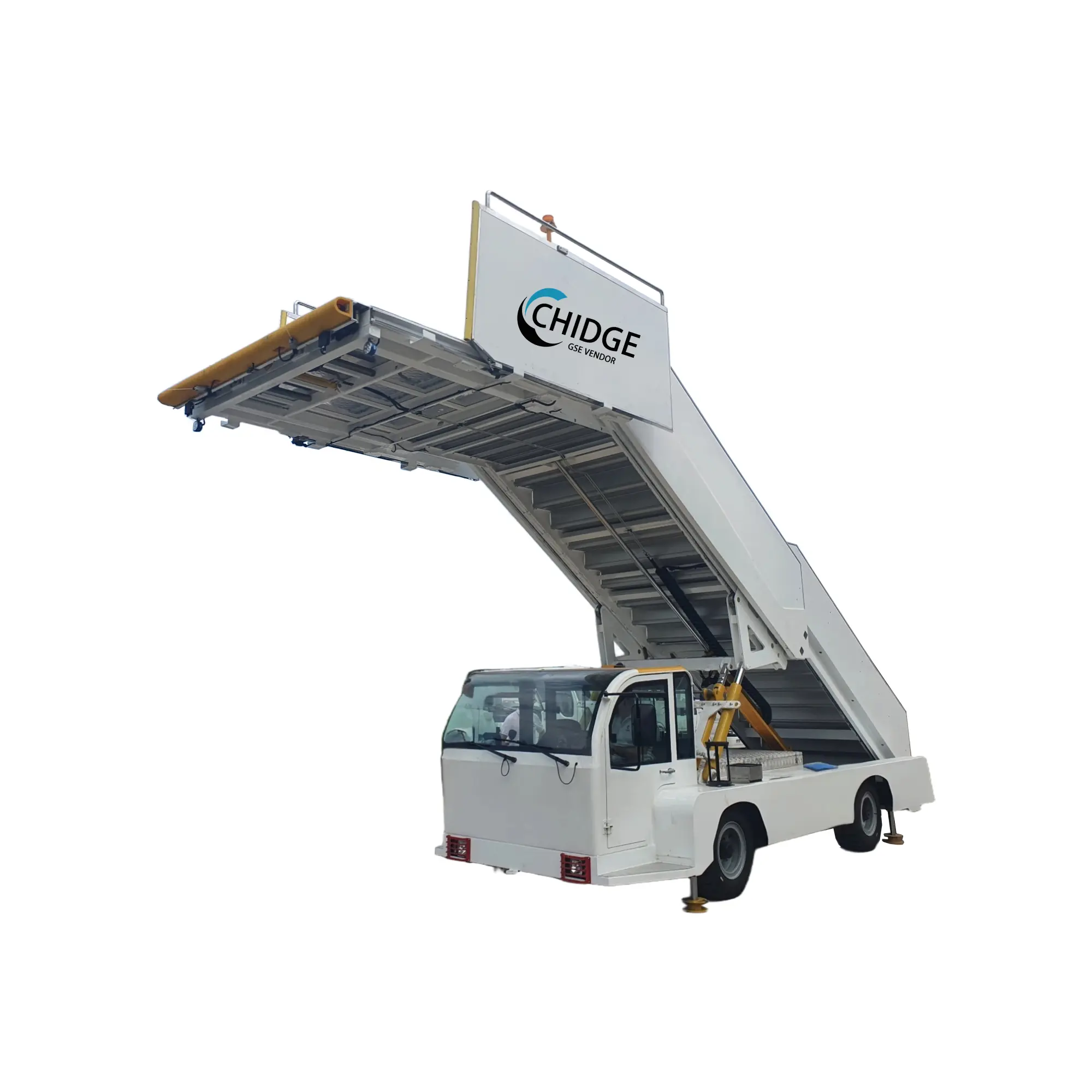
An overview of mobile passenger stair designs, focusing on safety standards and compliance requirements.
Published: 2026-05-27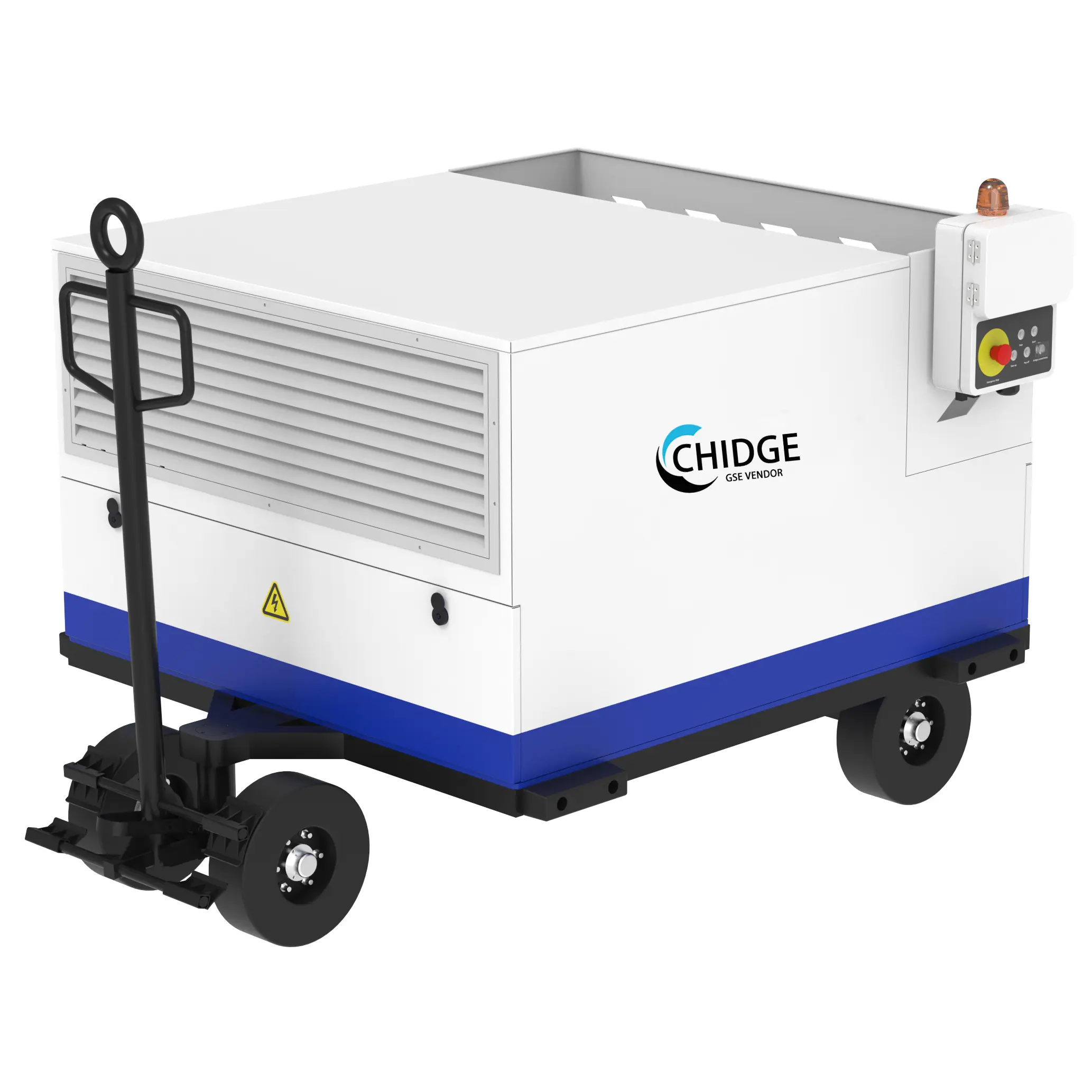
Exploring the design of battery-powered Ground Power Units (GPUs) and their impact on reduction of gate-area diesel emissions.
Published: 2026-05-19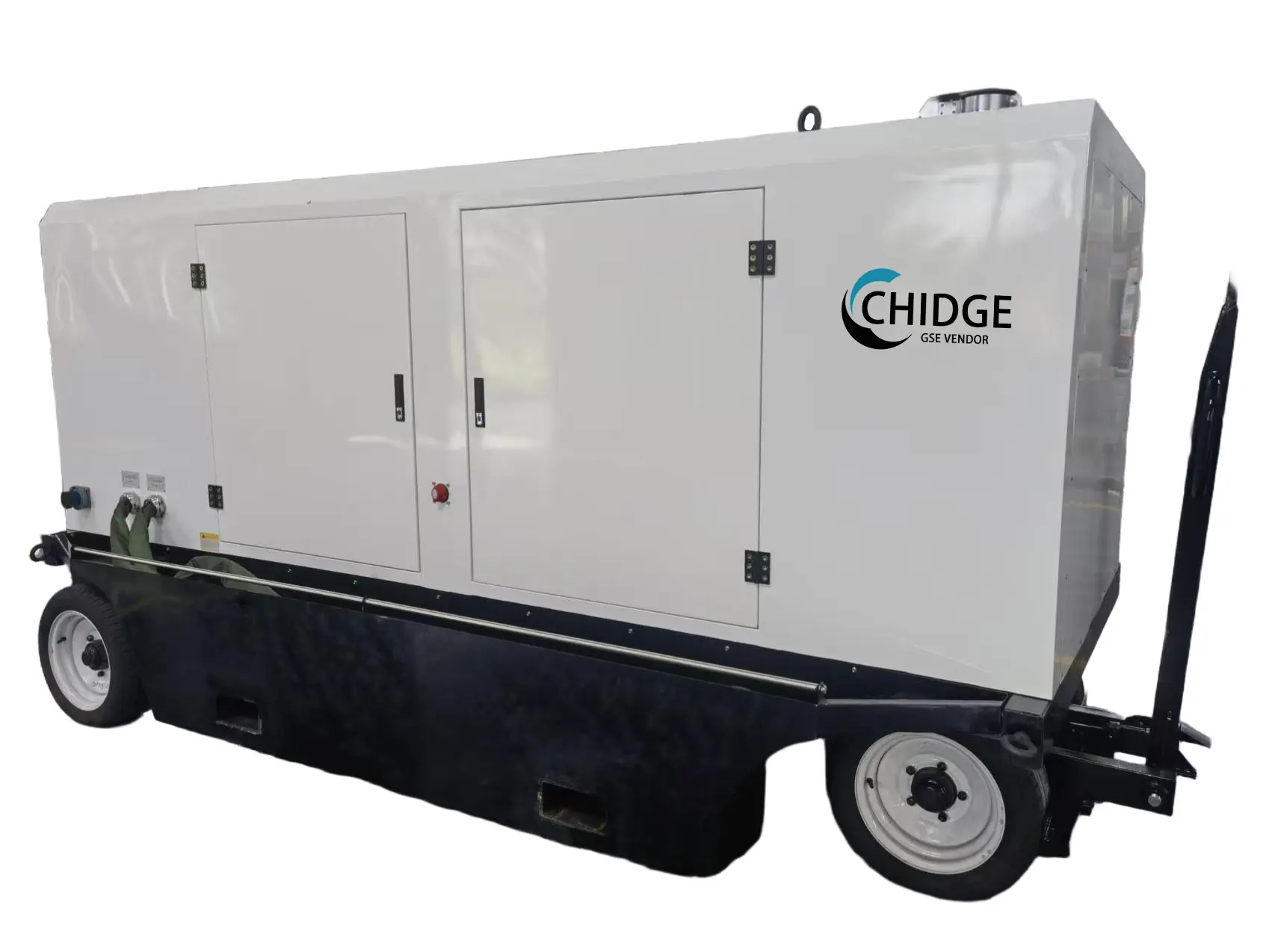
A technical review of truck-mounted vs. static GPUs, detailing power quality, converter efficiencies, and operational advantages.
Published: 2026-05-18As airports adopt smart infrastructure, the role of ground support equipment is expanding. Our engineering roadmap focuses on integrating connectivity and smart assistance systems to improve towing efficiency:
Autonomous Towing Operations (AGV): We are testing pilot autonomous software on our 3-ton electric chassis. Using LiDAR, ultrasonic sensors, and RTK GPS, these units navigate predefined paths between baggage sort facilities and aircraft stands, helping operators optimize luggage cart positioning.
Telematics & Predictive Maintenance: Future generations of our electric tractors will feature CAN-bus logging systems connected to LTE networks. Fleet managers can monitor battery temperature, motor winding status, and wear levels in real time to resolve issues before they lead to downtime.
V2G (Vehicle-to-Grid) Compatibility: As megawatt charging systems become common on airport stands, parked towing tractors can act as distributed energy storage units. During peak grid demand, smart charging systems can draw excess power from connected tractor fleets to help balance the airport's electrical load.
Find answers to common questions regarding technical features, charging logistics, customization, and warranty terms.
Under standard airport operational conditions, a fully charged 2-3t electric tractor equipped with our high-capacity LiFePO4 battery pack runs for 8 to 10 hours. With support for opportunity charging during driver breaks, the tractor can operate continuously across multiple shifts.
Yes. Our tractors are designed for outdoor ramp environments. Electrical components are sealed to IP65 levels to protect against water, sand, and dust. For cold climates, we offer optional battery heating blankets and enclosed heated cabins to maintain battery efficiency at temperatures down to -20°C.
Electric tractors require significantly less maintenance than diesel equivalents. The brushless AC drive motor has no friction parts, eliminating regular oil changes, filter replacements, and exhaust system servicing. Standard maintenance is limited to regular inspection of tyres, hydraulic brake fluid levels, steering links, and battery terminal tightness.
We provide a comprehensive warranty package covering core drive components, motors, and battery systems. We maintain stock of critical parts (such as controllers, contactors, and steering gears) at our warehouse and ship them via priority air courier to minimize downtime for fleet customers.
Yes. During configuration, we can install custom rear hitches (including manual pin couplers, automatic spring-latched couplers, and multi-step height adapters) to ensure compatibility with your existing fleet of baggage dollies and cargo trailers.
Our electric towing tractors are designed and built to comply with global ground support equipment standards. They carry CE markings and comply with European Machinery Directive 2006/42/EC, EN 1726 for industrial truck safety, and relevant sections of the IATA Airport Handling Manual (AHM).
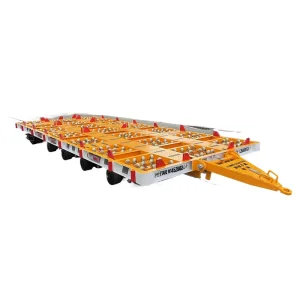
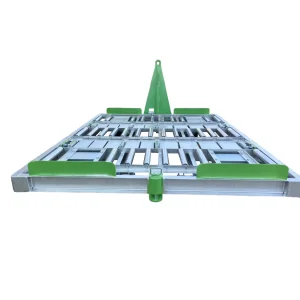
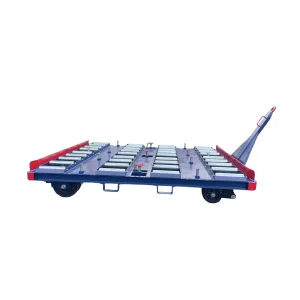
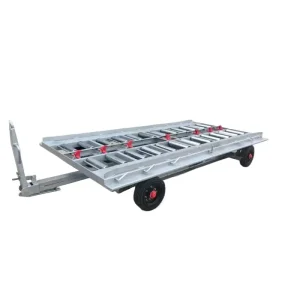
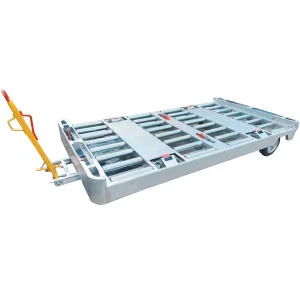
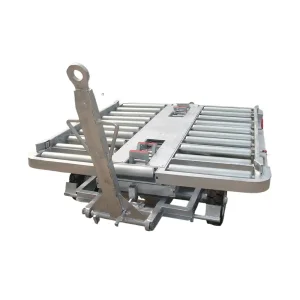
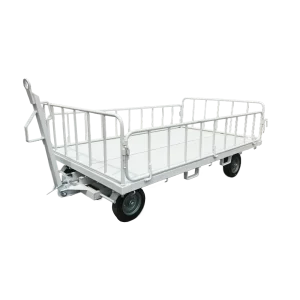
High durability cargo dollies and baggage trailers designed to complement our electric towing systems.
Speak directly with our technical engineering consultants. We provide detailed CAD drawings, specification customization, and bulk wholesale pricing parameters.
Request Engineering Consultation Chidge Dolly