Heavy-duty solutions built for airports, industrial logistics, and multi-vehicle haulage systems
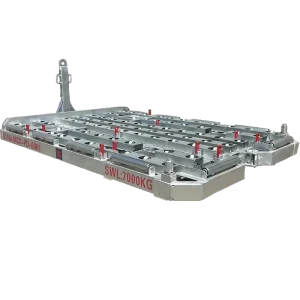
Designed for heavy aviation cargo loading, featuring reinforced castle structures for maximum stability.
View Details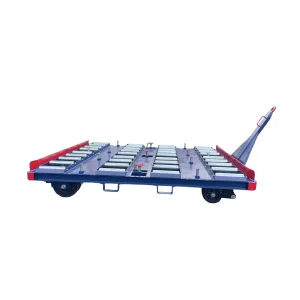
Industrial-grade 10-foot pallet dolly optimizing terminal logistics and high-capacity loading docks.
View Details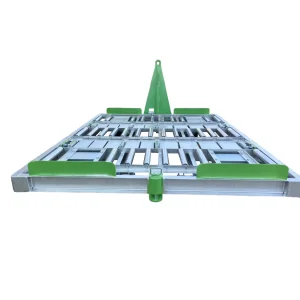
Standard durable pallet dolly for efficient airport ground logistics operations worldwide.
View Details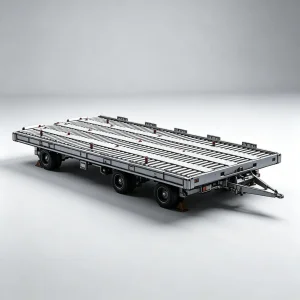
Ultra-heavy-duty 35-ton capacity ground transport solution built to support large freighters.
View Details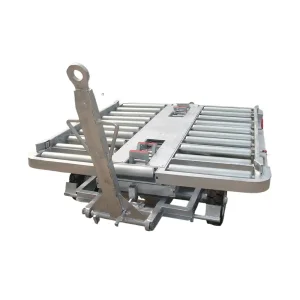
Specifically sized for LD3 aviation containers, featuring dual towing capabilities.
View Details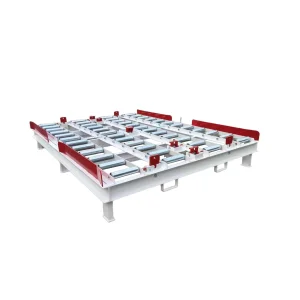
An indispensable secondary support system to increase speed and versatility on sorting decks.
View Details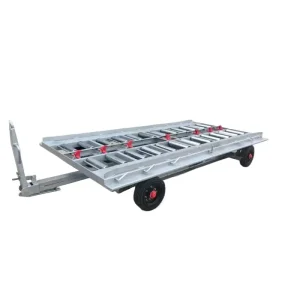
Engineered for large-capacity LD6 cargo, featuring non-skid surfaces and heavy-duty casters.
View Details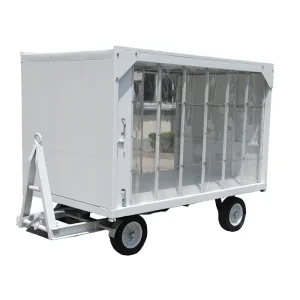
Fully enclosed, weather-proof cargo and luggage towing cart to protect sensitive goods during transport.
View DetailsIn heavy-duty vehicle logistics, transporting multi-cab configurations via piggybacking—colloquially referred to as "truck towing a truck towing a truck"—is the gold standard of freight efficiency. Technically defined as saddlemount towing or decking, this mechanism mounts the front axle of a trailing commercial truck onto the fifth wheel or frame of the leading truck using robust, specialized saddles.
This setup optimizes delivery costs by eliminating multiple drivers, reducing fuel consumption, and preventing wear and tear on the drive axles of the towed vehicles. Designing and manufacturing saddlemount brackets, tow-bars, and heavy transport assemblies requires rigorous engineering. It must comply with strict Department of Transportation (DOT) standards in the US, ADR rules in Australia, and UNECE regulations across Europe.
Our factories specialize in high-tensile metallurgical fabrications that guarantee safe, dynamic pivot-point tracking. Whether towing heavy duty commercial transport chassis or modular airport service fleets, our systems deliver the strength required to haul multi-unit arrays safely across vast distances.
Unraveling the advanced supply chain, raw material integration, and high-precision production efficiency
Chinese heavy engineering factories leverage highly integrated industrial clusters. This proximity to raw steel production hubs minimizes shipping lead times and reduces component costs. By implementing high-precision robotic welding, CNC laser cutters, and automated shot-peening treatments, Chinese suppliers ensure structural consistency. This consistency is vital for multi-truck configurations where tolerance variations can compromise road safety.
Additionally, Chinese manufacturers utilize advanced simulation softwares (FEA - Finite Element Analysis) to evaluate under stress, bend and torsion parameters. This design validation guarantees that the saddle couplers and towing setups can withstand cross-country transportation across varied terrains, from cold zones in Northern Europe to the humid routes of Southeast Asia.
Explore our extensive portfolio of GSE, towing units, refueling trucks, and luggage solutions
Our heavy aircraft tank refueling trucks (CD5207GJJ, CD5580GJJ, CD5341GJJ) consist of advanced chassis, high-capacity oil tanks, pumping configurations, smart control interfaces, and precise filtration/metering mechanisms. These units handle refueling, self-circulation, and pressure control seamlessly.
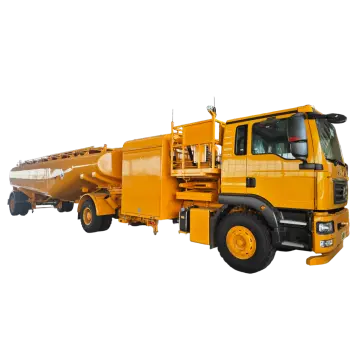
Consists of chassis, pumping system, and advanced pressure controls.
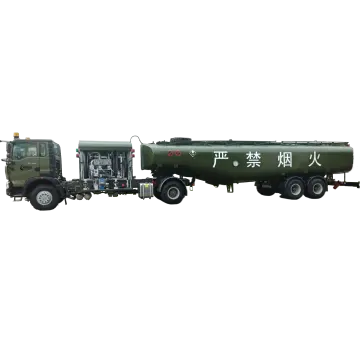
High-volume tank and advanced pumping system for heavy aircraft.
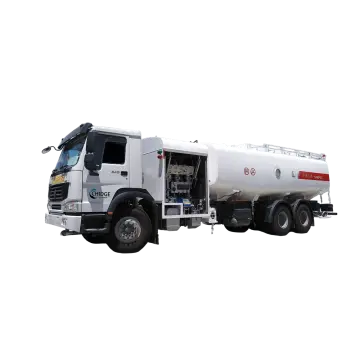
Robust airport operations refueling truck with filtration system.
Operating a truck towing a truck towing a truck configuration is a complex task. Safe operation requires an understanding of dynamic lateral forces, vertical load capacities, and braking synchronization. Key components include:
Heavy steel components that clamp onto the lead truck's fifth wheel, providing a secure connection while allowing a controlled pivot angle to navigate turns safely.
Engineered clamps that attach securely to the frame rails of the towed vehicles, ensuring no dynamic shifting of load centers occurs under highway conditions.
A crucial relay system that connects the leading cab's air brake controls directly to the emergency and service brake systems of all trailing trucks.
Our manufacturing processes prioritize safety. We utilize strict ultrasonic inspections to verify structural soundness, ensuring that all coupling parts resist metal fatigue over long distances.
Custom tailored designs optimized to reduce operational and development costs
Our company leverages advanced science, design tools, and prototyping processes to optimize product research and development.
High-quality components stand out in competitive markets, building confidence and reliable performance.
Our supply chain management, inventory tracking, and logistics platforms enable rapid delivery and emergency response capabilities.
Comprehensive customer support ensures troubleshooting and maintenance are handled quickly, extending equipment service life.
As an industry-leading Ground Support Equipment (GSE) vendor, we offer comprehensive services tailored to the requirements of global airlines and logistics providers:
Stay updated on GSE developments, towing technologies, and energy storage ground power innovations
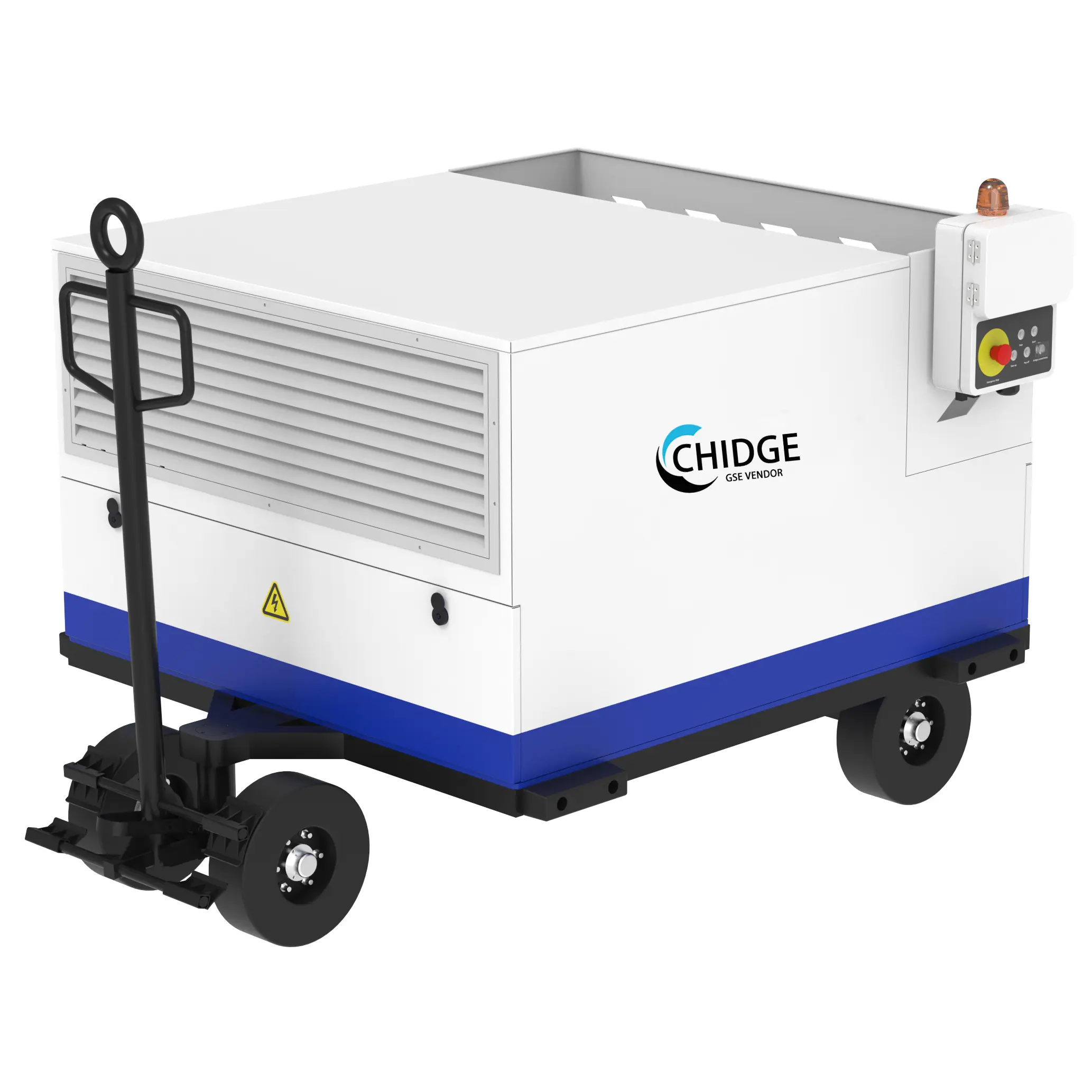
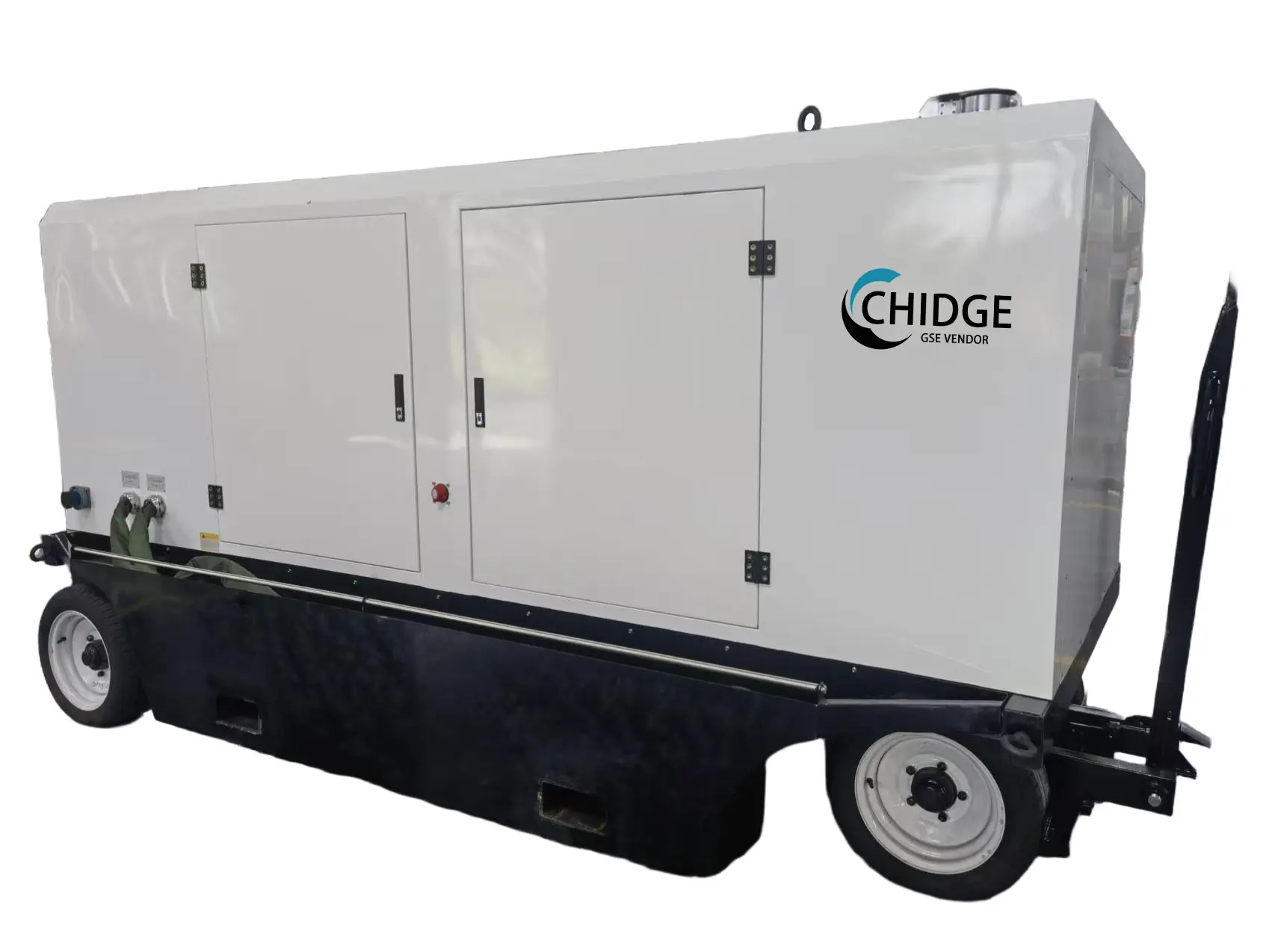
Get answers to common queries regarding multi-truck setups and engineering parameters
Working alongside international airlines, airport operators, and global logistics providers
Engineered for high duty-cycle operations in challenging environmental conditions
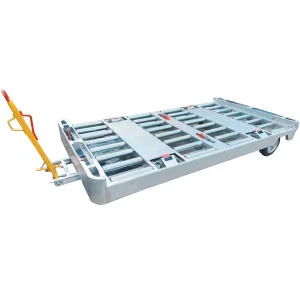
Heavy-duty transport solution designed to streamline terminal freight operations.
View Details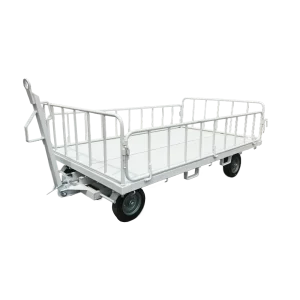
Durable airport baggage cart optimized for high-turnover ramp environments.
View Details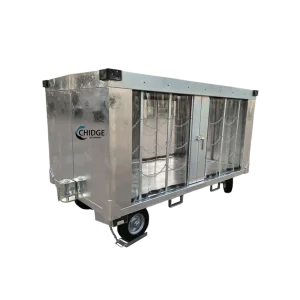
Features weather protection covers to shield passengers' baggage from the elements.
View Details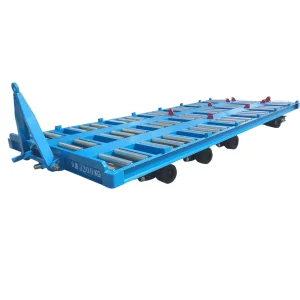
Heavy duty 18-ton container carrier designed to handle high stress conditions.
View Details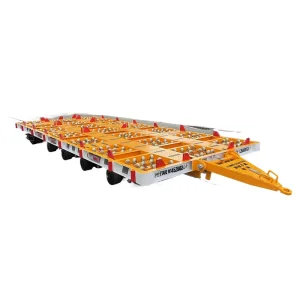
Heavy duty 27-ton cargo dolly built to handle structural loads at transit hubs.
View Details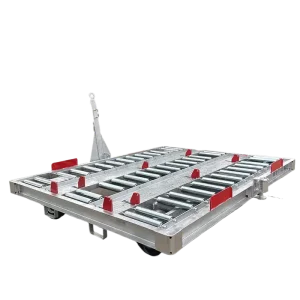
A durable 7-ton capacity dolly, optimizing warehouse container transfers.
View Details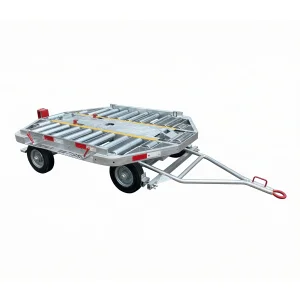
Next generation LD3 container trailer featuring advanced mechanical tracking.
View Details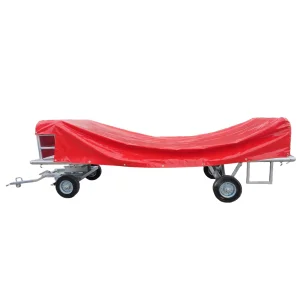
Highly maneuverable terminal baggage cart featuring reliable braking configurations.
View Details Chidge Dolly