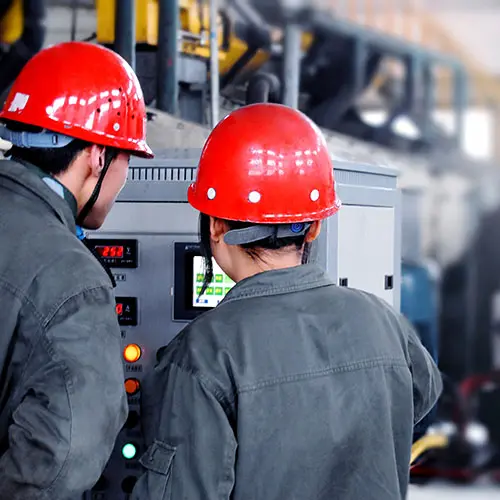
Explore our primary industrial dollies and utility transport configurations designed to maximize airside ground support productivity.
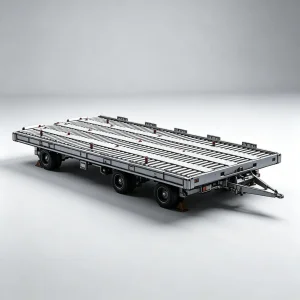
Heavy-duty airfield transport dolly designed for 20-foot air cargo containers with maximum structural integrity.
Explore Specifications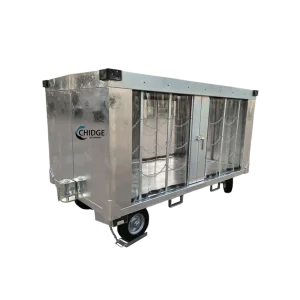
Fully enclosed weatherproof utility cart designed for reliable security and baggage protection in heavy weather.
Explore Specifications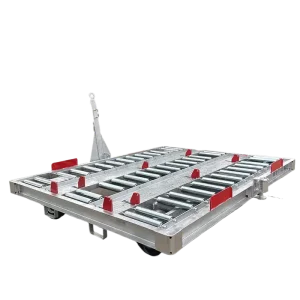
Industrial standard 7-ton capacity pallet dolly with multi-directional roller configuration and robust brakes.
Explore Specifications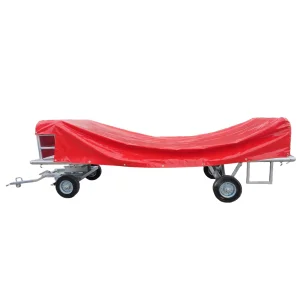
High-efficiency airfield passenger baggage cart with responsive braking system and robust steel frame.
Explore Specifications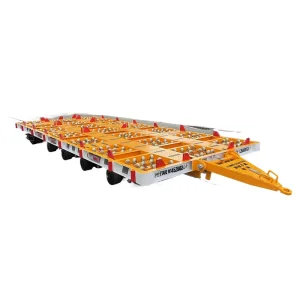
Engineered for high-tonnage cargo terminal operations, offering seamless interaction with main deck loaders.
Explore Specifications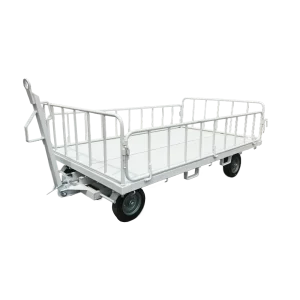
Durable airfield operations utility baggage cart with wear-resistant tires and custom side-panels.
Explore Specifications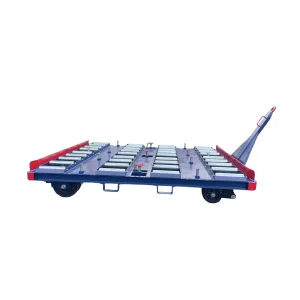
Standardized 10-foot container dolly designed for compatibility with global air cargo handling systems.
Explore Specifications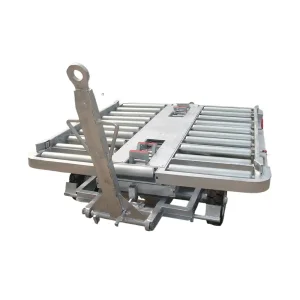
High stability, 360-degree rotation dolly specifically optimized for LD3 aviation cargo containers.
Explore SpecificationsThe modern logistics and aviation landscapes demand unprecedented turnaround efficiency, safety, and mechanical reliability. At the heart of these ground-handling ecosystems lies the "regular tow truck" and its associated ground support equipment (GSE), including heavy-duty towing tractors, baggage tow tugs, container dollies, and specialized airfield utilities. As the global logistics volume surges and airports transition toward carbon-neutral operations, selecting the right manufacturing partner in China is no longer just a purchasing decision—it is a critical strategic alignment.
Leading Chinese manufacturers have successfully integrated state-of-the-art robotic welding, automotive-grade painting lines, and smart telematics systems into their production facilities. By utilizing high-tensile structural steels, such as Q355B, and strict structural FEA (Finite Element Analysis) modeling, these factories produce GSE that matches the rigorous operational requirements of major hub airports, cargo terminals, and container ports worldwide.
International procurement agents prioritize compatibility, TCO (Total Cost of Ownership), and component standardization. Chinese factories fulfill this by integrating worldwide trusted OEM components such as Curtis controllers, DEUTZ engines, and ZF transmissions.
Modern GSE incorporates real-time location tracking, automatic coupling safety locks, and intelligent overload detection. Our structural design ensures optimal drawbar pull relative to chassis weight, preventing wheel slip under extreme loads.
Full adherence to IATA AHM (Airport Handling Manual) guidelines, CE conformity standards, and strict EPA/Euro Stage V emission controls. This guarantees seamless integration into Tier 1 international airport fleets.
From heavy-duty aircraft refuelers to container dollies and baggage towing solutions—explore our diverse engineering configurations.
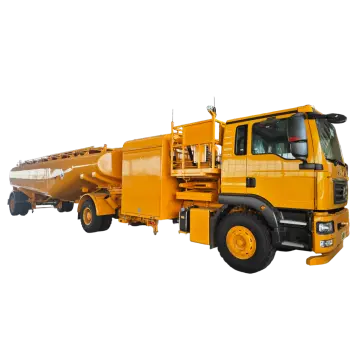
The aircraft tank refueling truck consists of a chassis and oil tanks, a pumping system, a control system, and an operating part, with functions such as filtration, metering, refueling, pumping, self circulation, and pressure control.
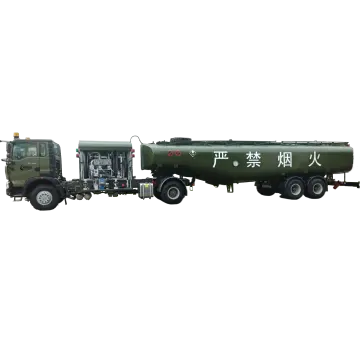
High-capacity line refueler designed for major commercial aircraft models, engineered with safety cut-offs, advanced deadman control handles, and full API-compliant filtration systems.
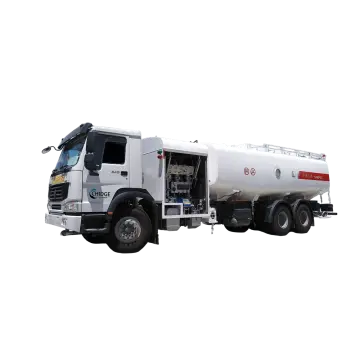
Mid-range tactical refueling unit containing an optimized pump and meter chassis system. Reliable self-circulation and filtration options built for long-duration tarmac operations.
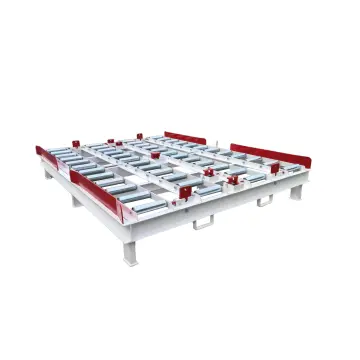
Optimized slave dolly deck utilizing heavy-duty gravity rollers and mechanical locks, allowing fast transfer of heavy air cargo containers within warehouses and loading docks.
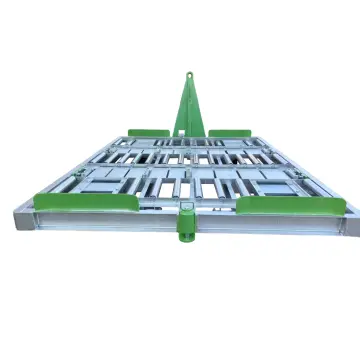
Highly rugged mechanical transport platform featuring dual-axle steering and wear-resistant tires, providing a long lifespan in harsh operating environments.
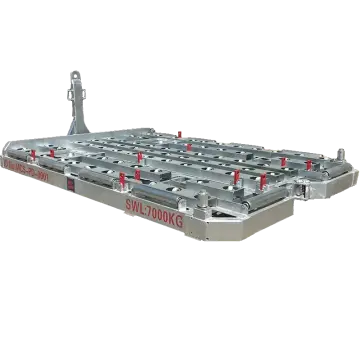
Specially designed castle-deck cargo dolly featuring omnidirectional roller systems to enable manual container rotation and seamless alignment with loaders.
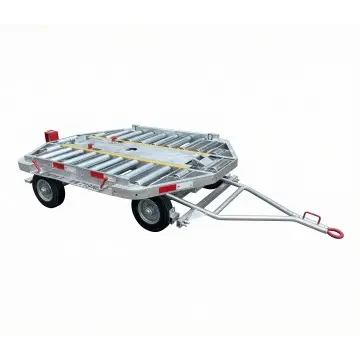
Engineered for secure transit of LD3 containers, incorporating dynamic side-guide channels, spring-loaded lock assemblies, and parking brake safety systems.
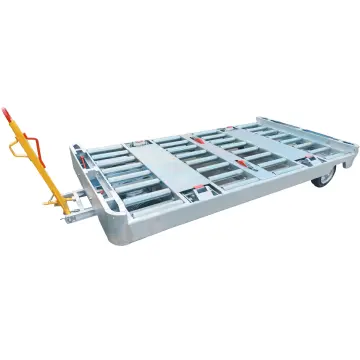
Maximum payload cargo dolly featuring reinforced chassis channels designed to handle heavy industrial and aviation pallets under high-frequency airport routing schedules.
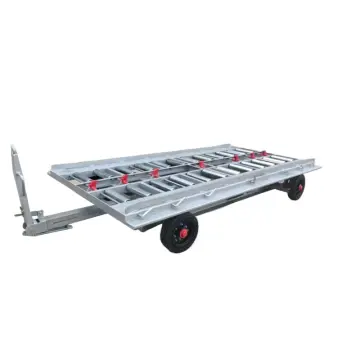
Tailored wide-chassis design for LD6 containers, allowing high-performance towing, tight turning radius, and reliable stability during high-speed taxiway transport.
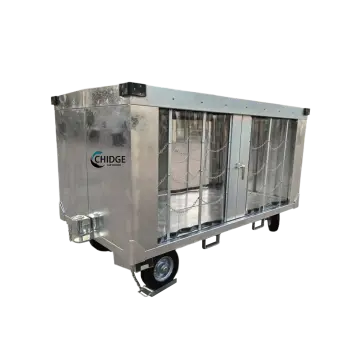
Features protective roll-up side curtains and a water-diverting roof system to shield cargo from high-humidity and sudden precipitation on active airfields.
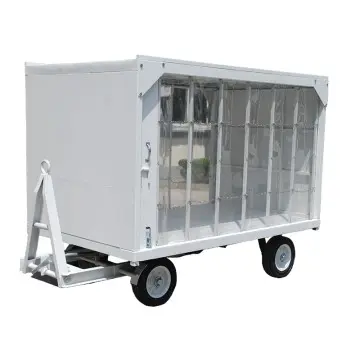
Fully metal-enclosed structured container for maximum luggage protection against theft, high wind speeds, and continuous operational weathering.
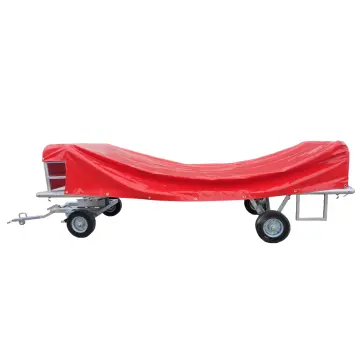
Standardized, nesting airport terminal trolley with highly responsive automatic hand brakes to ensure high passenger convenience and terminal safety.
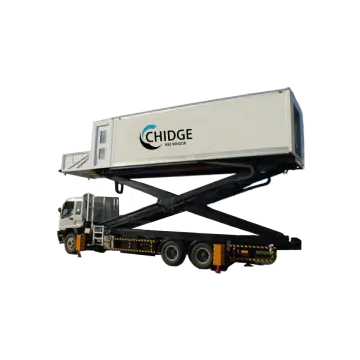
Specialized scissor-lift catering service truck with a payload-insulated van body designed to reach main deck aircraft passenger doors safely.
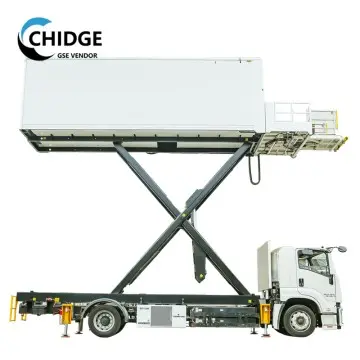
Eco-friendly, zero-emission high-lift catering unit utilizing lithium-ion power cells, featuring precise leveling hydraulic stabilization jacks.
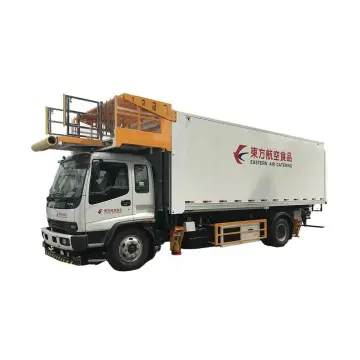
Industrial workhorse catering loader with multi-ton load capacity, robust rear hydraulic lift gate, and user-friendly cabin controls.
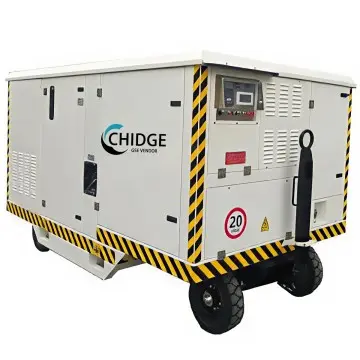
High-efficiency thermal blower designed to maintain comfortable passenger cabin temperatures during winter ground maintenance.
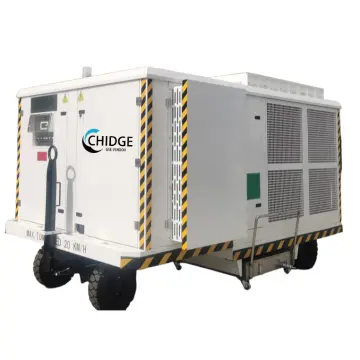
High capacity ground support conditioning unit offering optimal heating and cooling cycles directly to airplane air distribution networks.
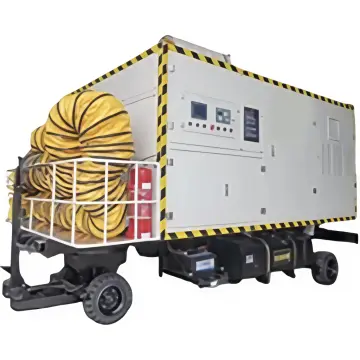
Compact, towable ground support cabin heating unit featuring rapid start burners and automated high-limit temperature controls.
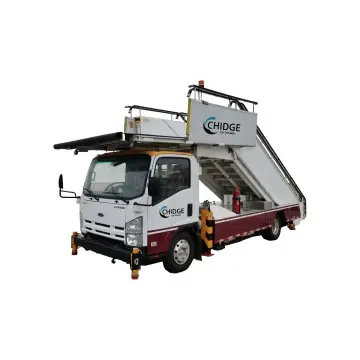
Electric powered passenger stairs with telescopic structural framing designed to support variable aircraft sill heights with safety interlocks.
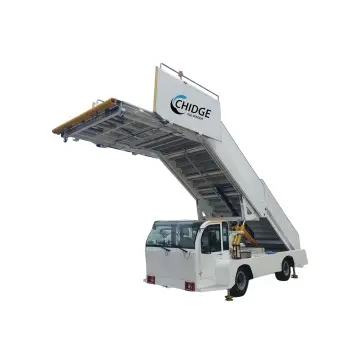
Diesel-engine driven mobile stairs designed for large passenger aircraft, including anti-slip stair surfaces and high illumination LED walkways.
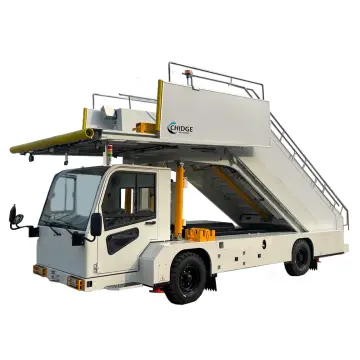
Highly maneuverable passenger stairs utilizing heavy-duty hydraulic stabilizing cylinders and ergonomic cabin controls.
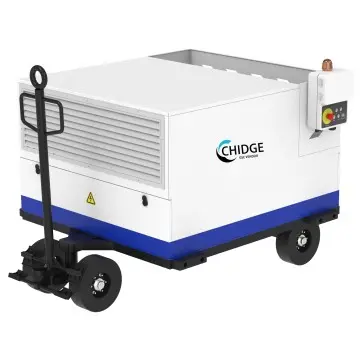
Advanced lithium battery ground power system offering high capacity 400Hz electricity to parked aircraft without running APU systems.
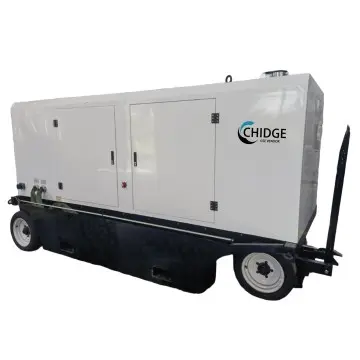
Towable diesel generator set engineered to deliver consistent 400Hz AC power with digital alternator control and monitoring interfaces.
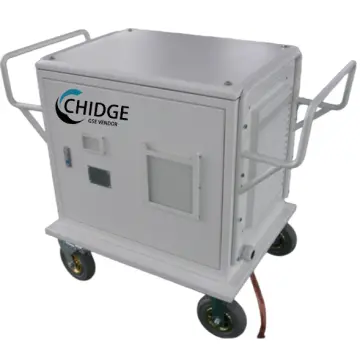
Solid-state frequency converter designed for hangar installation, providing clean, low-noise power for aircraft electrical test benches.
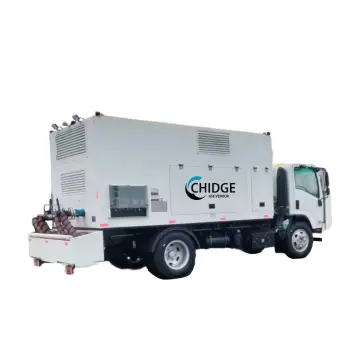
High pressure, high flow pneumatics compressor truck designed for starting large commercial aircraft jet engines safely on tarmac locations.
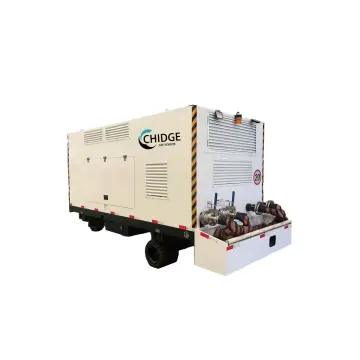
Standard towable air start unit containing high-volume rotary screw compressors for quick pressurization sequences.
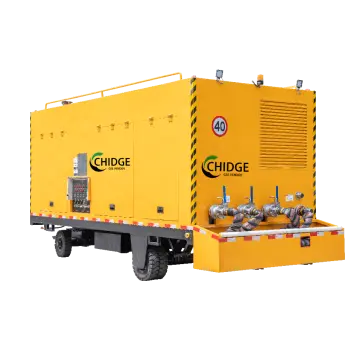
Heavy-duty, high output pneumatic starter designed to accommodate widebody passenger and heavy transport cargo aircraft.
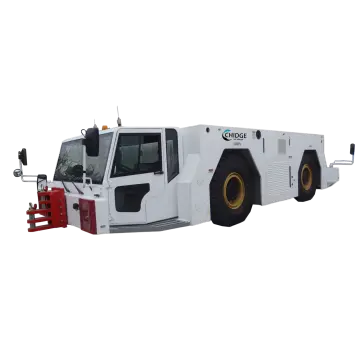
High-torque pushback vehicle with low-profile chassis and heavy-duty planetary axles, engineered for safe pushback operations.
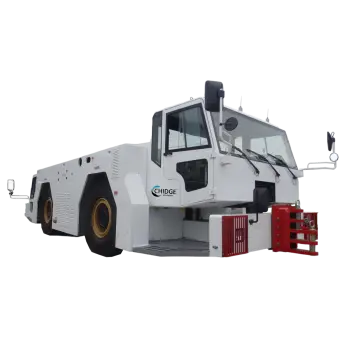
Reliable mid-sized airfield tractor offering 4-wheel drive and steer configurations for tight terminal gate operations.
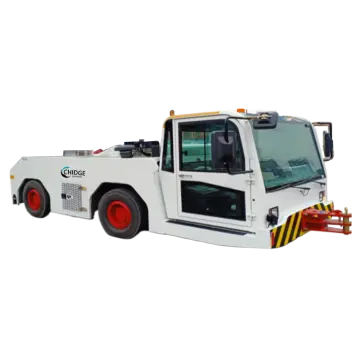
Compact pushback tractor offering high traction efficiency, perfect for narrow-body commercial airplanes and regional aircraft.
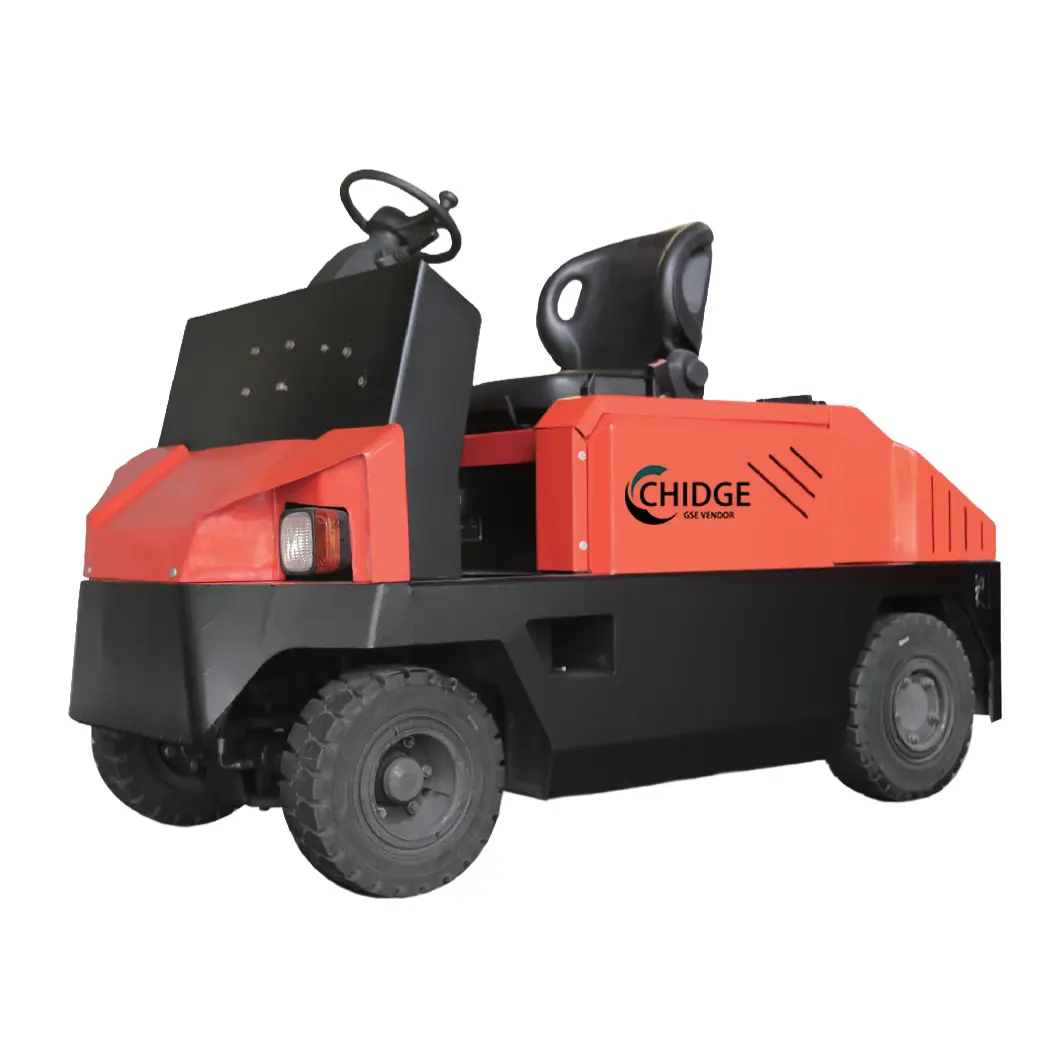
Clean energy electric tow tractor featuring regenerative braking, low noise, Curtis speed controller, and high drawbar pull.
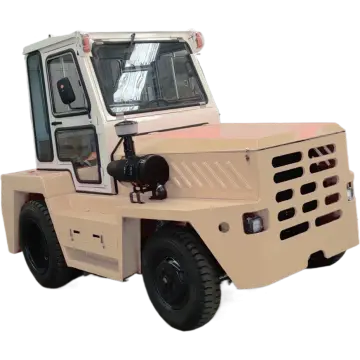
Heavy-duty industrial tow truck powered by DEUTZ/Cummins diesel engine, designed for multi-dolly cargo trains and steep ramps.
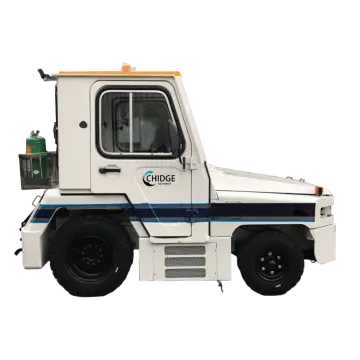
Lithium-battery utility tow tractor engineered for continuous cargo warehouse distribution and airside baggage cart operations.
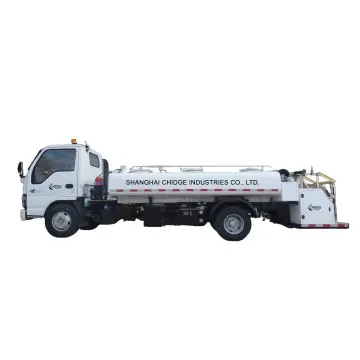
Standardized lavatory service vehicle featuring corrosion-resistant stainless steel waste tanks and precision vacuum evacuation systems.
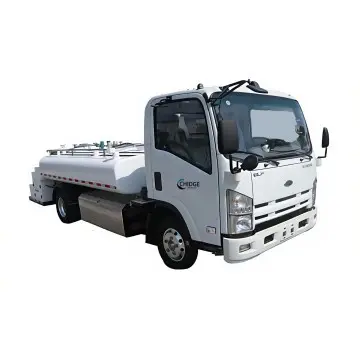
Zero-emission potable water truck with food-grade stainless steel tanks, UV sanitation systems, and electronic delivery meters.
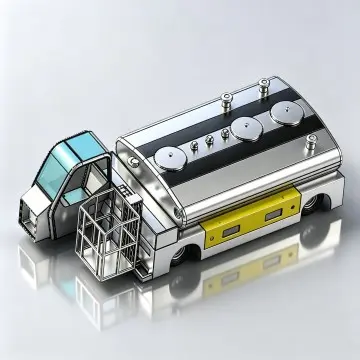
High-capacity battery-driven waste service vehicle designed to handle turnarounds for widebody aircraft efficiently.
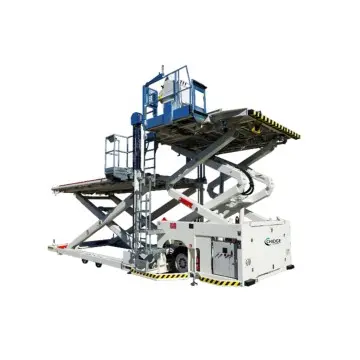
Dual-platform main deck container loader designed to raise and align standard air cargo containers weighing up to 14 tons.
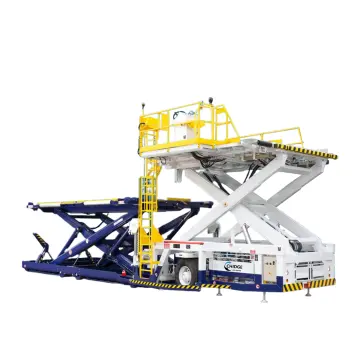
Super heavy cargo platform loader built for high capacity freight planes like Boeing 747F and Antonov models, utilizing hydrostatic drives.
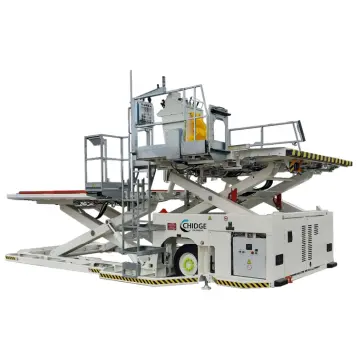
Lower deck commercial pallet and container loader, integrating hydraulic drive rollers and optical safety sensors.
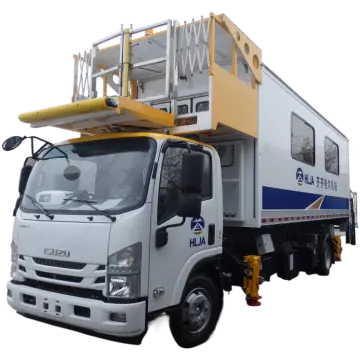
Specialized transport vehicle featuring vertical lift cabins to aid boarding of passengers with reduced mobility (PRM) securely.
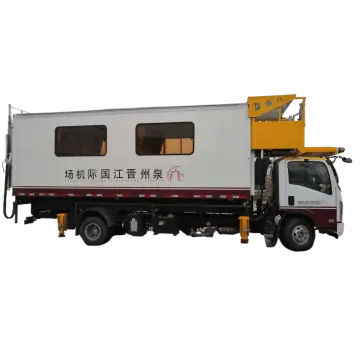
Designed for comfort and safety, this scissor-lift vehicle interfaces with regional commuter planes and large aircraft alike, complying fully with international disabled passenger boarding regulations.
How China's leading GSE manufacturers address modern logistics challenges and support long-term green fleet development.
Ground handling services operate under tight turnaround times. Delayed baggage transfers or container damages during movement directly translate into flight delays and massive financial penalties for airlines. The challenge lies in ensuring that towing vehicles and cargo dollies can sustain operations under freezing or extreme hot tarmac temperatures while resisting corrosive de-icing agents and saltwater environments.
Over the past five years, Chinese factories have pioneered the migration from diesel to advanced electric powertrains. Incorporating smart Battery Management Systems (BMS), high-density LFP (Lithium Iron Phosphate) battery packs, and integrated CAN-bus diagnostics, these modern towing machines offer up to 10 hours of continuous active duty with fast charging capabilities.
Tailoring high-performance airport and logistics ground support machinery to your exact local operational specifications.
We welcome OEM and ODM orders to meet custom dimensions, regional height requirements, or specific safety standards. From initial layout drawings using SolidWorks stress-modeling software, to prototyping and structural dynamic fatigue testing, our engineering team manages the complete lifecycle to ensure peak operational reliability.
Our collaborative design process ensures that customer-centric solutions—such as reinforced drawbars, custom track widths, special tie-down hooks, and region-specific electrical connectors—are built right into the design core. By reducing setup times and production cycles, we deliver fully compliant machinery ready for terminal deployment.
Delivering robust technical support, structured logistics pipelines, and direct customer assistance systems.

Selling a diverse range of premium aviation ground equipment globally.

Providing comprehensive solutions to airlines and logistics operators.

Broad selection covers passenger, cargo, and aircraft servicing demands.

Reliable quality control systems coupled with responsive global freight forwarding.
Our mission is to make our client's choices firm and correct, creating lasting value and achieving growth together.
Updates from the forefront of airfield and ground support engineering.
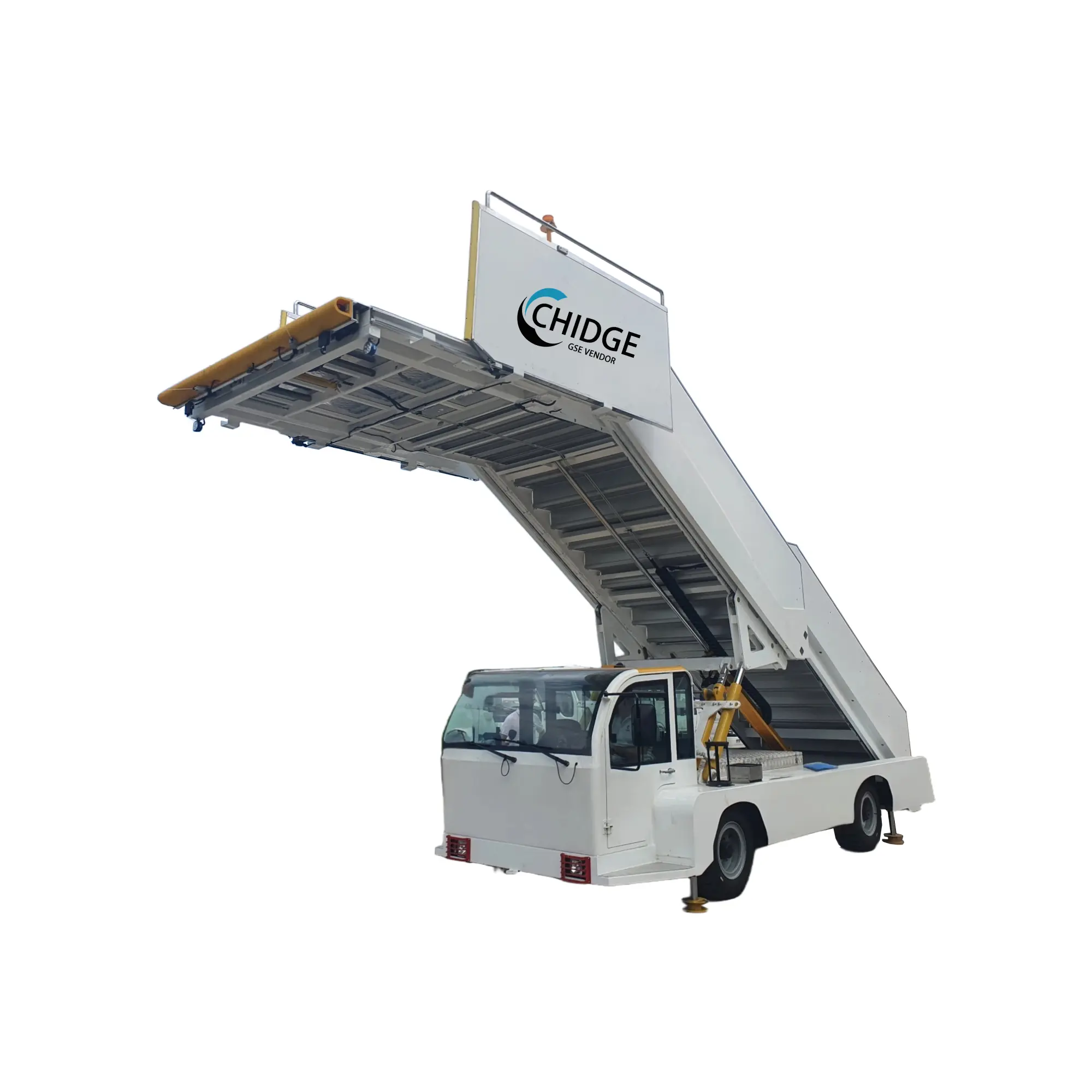
Passenger boarding stairs are the vital link between terminal systems and parked airplanes. High-efficiency mobility stairs accommodate a range of fuselage profiles while integrating stabilizing systems to ensure safe boarding processes.
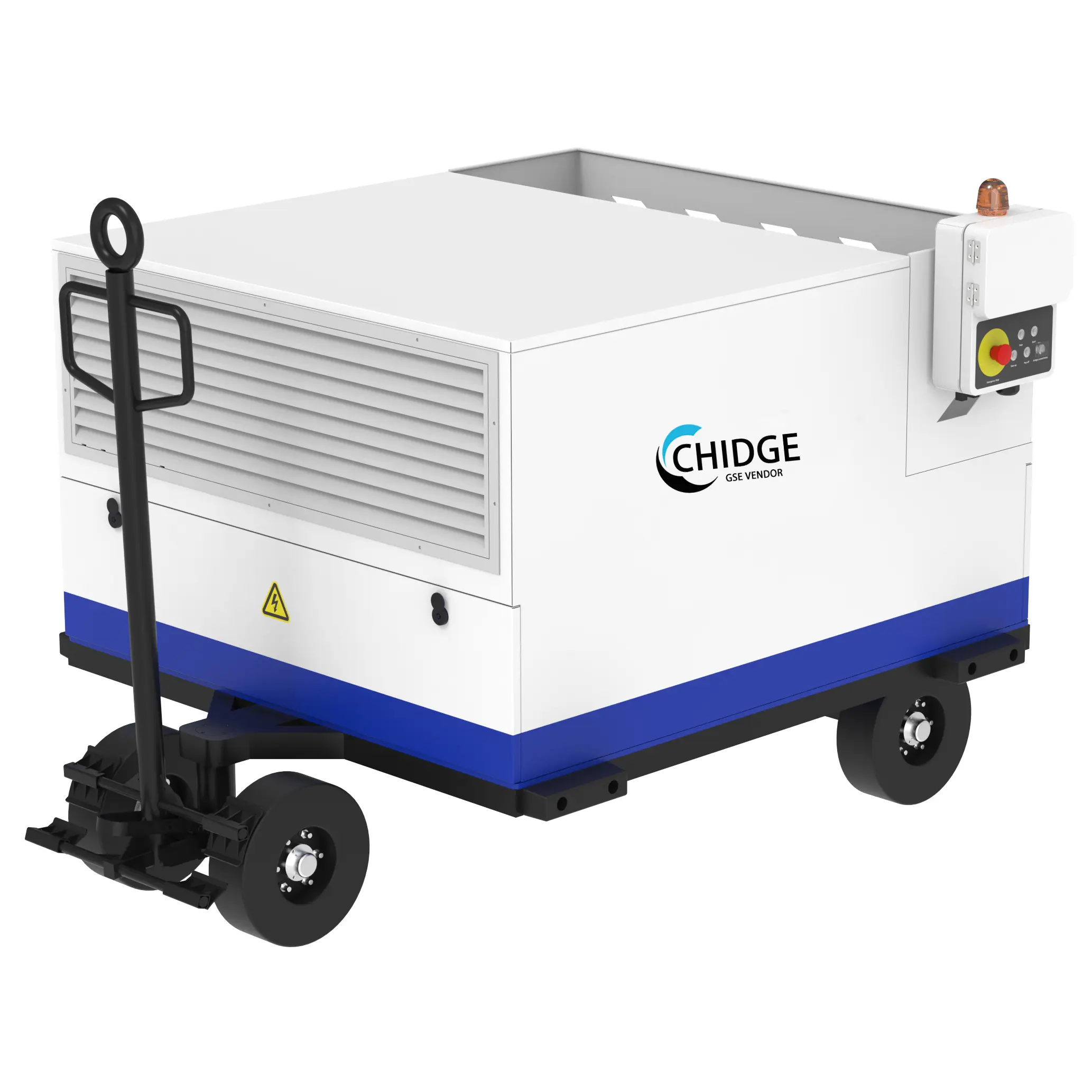
Zero-emission flight preparation is changing with high-performance battery-integrated towing GPUs. These trailer-mounted setups provide instant 400Hz frequency converter power, reducing airport carbon footprints.
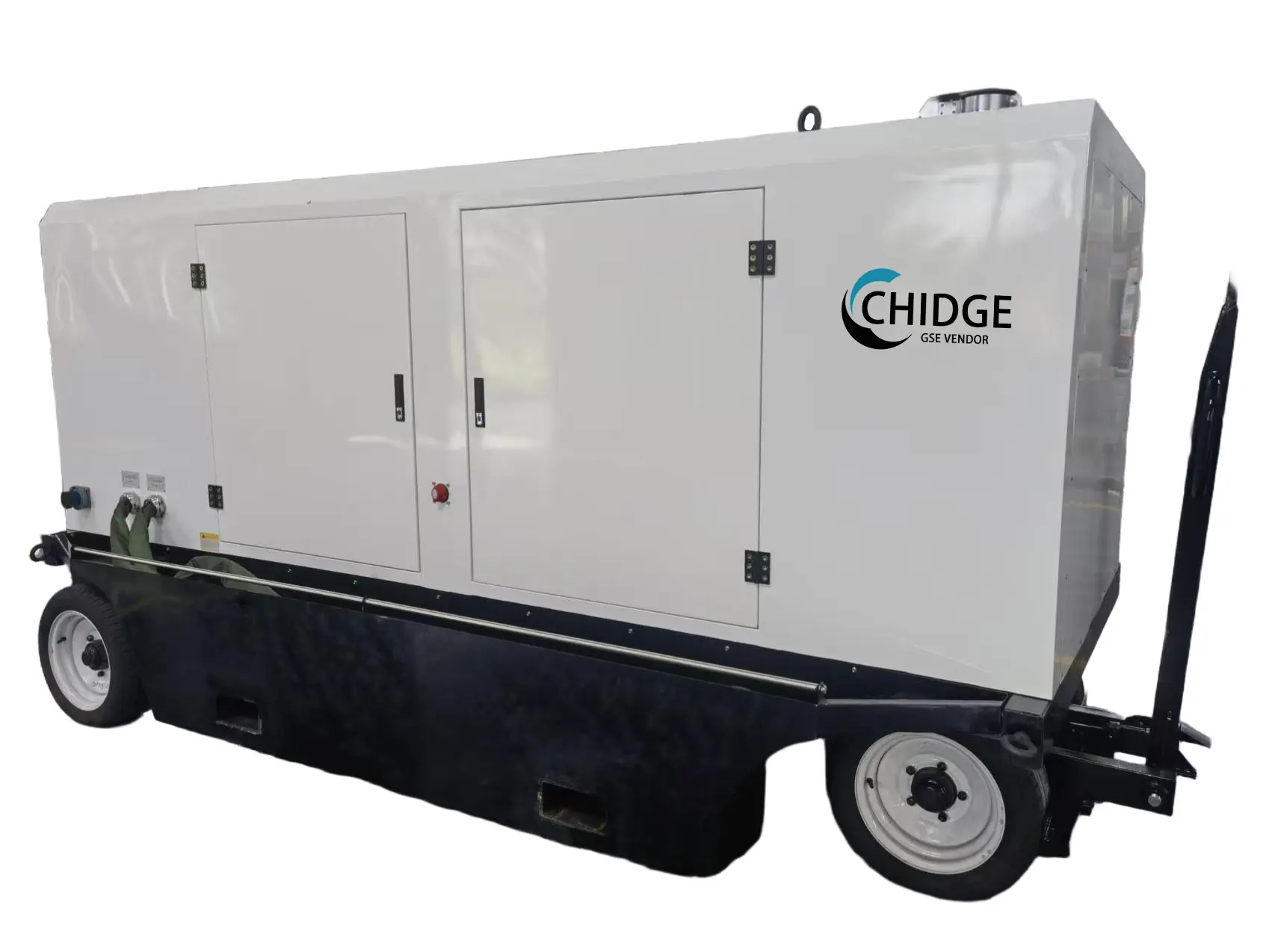
In the complex ecosystem of aviation operations, ensuring an aircraft is flight-ready involves a multitude of support systems. Among the most critical components in this pre-flight preparation is the Aircraft Ground Power Unit (GPU). These units supply the essential electrical power required for aircraft while parked on the ground, facilitating system checks, pre-flight preparations, and passenger boarding without the need to run the aircraft's main engines. While GPUs come in various forms, truck-mounted solutions have emerged as a particularly versatile and efficient choice for modern airports and maintenance facilities.
Expert technical answers regarding structural specifications, configurations, international standards, and ordering processes.
Explore additional specialized airfield container platforms and heavy cargo dollies available for global distribution.
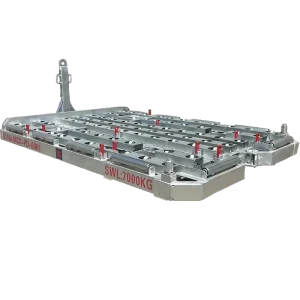
Specialty cargo dolly featuring omnidirectional roller systems to enable manual container rotation and alignment.
Explore Specifications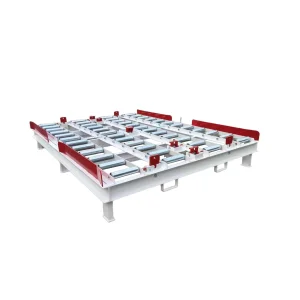
High-efficiency warehouse slave dolly system with built-in safety pins and heavy-duty frame sections.
Explore Specifications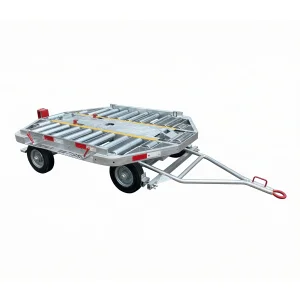
Optimized next-generation container transport trailer with dynamic side-guide locks and responsive braking systems.
Explore Specifications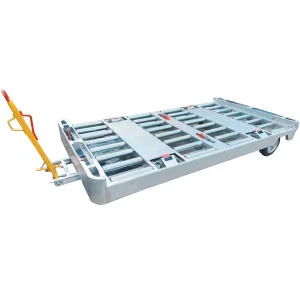
Built for rigorous operations, offering high load-bearing steel components and wear-resistant hub structures.
Explore Specifications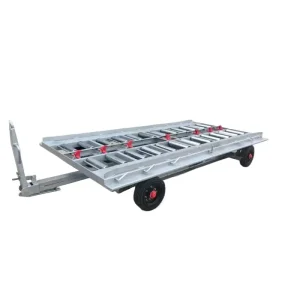
Designed for large LD6 cargo container transport, featuring optimized steering mechanics and heavy towing assemblies.
Explore Specifications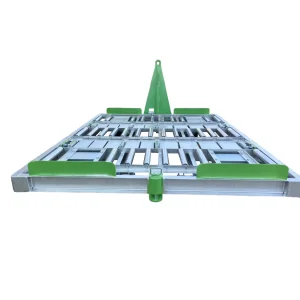
High-efficiency airfield cargo dolly featuring reliable steel structures and dual-axle turntable steering.
Explore Specifications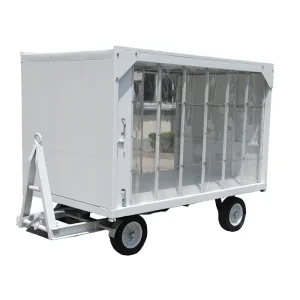
Weatherproof fully-enclosed metal container body for safe, rain-resistant transportation of airfield luggage.
Explore Specifications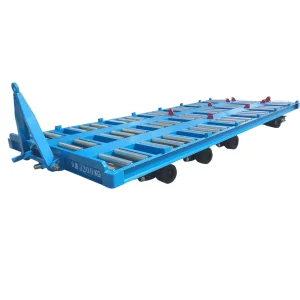
18-ton load capacity deck designed for 20-foot pallet loads, featuring reinforced structural side barriers and locks.
Explore Specifications Chidge Dolly