Explore our precision-engineered ground handling solutions, manufactured in state-of-the-art facilities to ensure safety, reliability, and peak operation performance.
In the highly regulated world of aviation operations, Ground Support Equipment (GSE) represents the structural backbone of airport ramp efficiency. Every minute an aircraft spends idling or delayed on the tarmac translates directly to escalating operational overheads and carbon emissions. Among these specialized ground systems, GSE pushback tractors—including high-drawbar conventional tractors and towbarless (TBL) towing vehicles—serve a critical safety function: directing the movement of multi-million dollar aircraft through tight ramp corridors.
With massive investments in modern manufacturing infrastructure, advanced metallurgy, and green powertrain electrification, Chinese GSE factories have emerged as premier suppliers for international airlines, airport operators, and logistics networks. Modern facilities integrate robust mechanical fabrication with next-generation telematics to deliver equipment that meets the stringent requirements of global aviation authorities.
Designing and manufacturing a heavy aircraft pushback tractor requires deep expertise in mechanical force transmission and structural stress management. Tugging or pushing aircraft ranging from narrow-body regional jets to long-range wide-body commercial carriers (such as the Airbus A380 or Boeing 777) requires precise management of Drawbar Pull (DBP). Drawbar Pull is the net tractive force available to pull or push a load, determined by vehicle weight, tire friction coefficients, and powertrain gear ratios.
Global Airports Served
Maximum Push Capacity
Emission Options Available
Global operators sourcing ground support machinery choose Chinese factories for their scalable production capacity, rapid design customization, and highly integrated component supply chains. Key manufacturing advantages include:
Our commitment to excellence across design, manufacturing, and support cycles ensures our ground support systems maintain peak performance in active environments.
Our company leverages advanced science and innovation in product design, research, and production to construct intelligent, connected ramp systems.
We supply high-grade GSE systems engineered to meet expected requirements, deliver competitive performance, and win trust in global markets.
Our supply chain management, inventory tracking, logistical operations, and contingency systems ensure timely deployment to global destinations.
Our responsive support resolves on-site operational concerns, reinforces customer trust, and maximizes the service life of fleet investments.
A primary driver for modern GSE procurement is the transition toward zero-emission airport platforms. The aviation industry is actively implementing green initiatives to limit carbon outputs across all ramp processes, driving demand for Lithium-Iron Phosphate (LFP) battery systems in pushback vehicles.
Modern electric GSE pushback tractors offer operational advantages over diesel counterparts. Our systems utilize high-voltage battery architecture coupled with intelligent Battery Management Systems (BMS). The BMS closely monitors temperature, cell balance, and charging state to ensure safety and system longevity. Furthermore, electric powertrains reduce mechanical complexity by eliminating diesel engines, multi-stage transmissions, and complex fluid-drive configurations, lowering long-term maintenance costs and operational downtime.
Ground handling equipment must comply with strict international regulatory structures to safeguard ramp operators, passengers, and aircraft during proximity operations.
Ground support equipment operates in a wide variety of climatic conditions globally. Equipment configurations are tailored to withstand extreme local environmental stresses:
A comprehensive array of ramp service units designed to provide reliable support during refueling, passenger loading, baggage transfer, and cabin maintenance cycles.
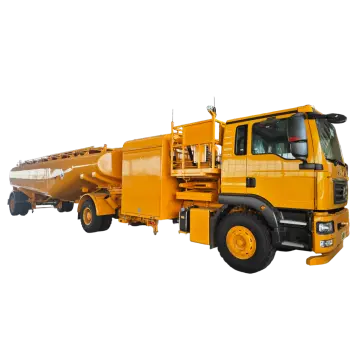
Equipped with a high-capacity chassis, integrated pumping circuitry, filtration, metering systems, and pressure controllers.
Learn More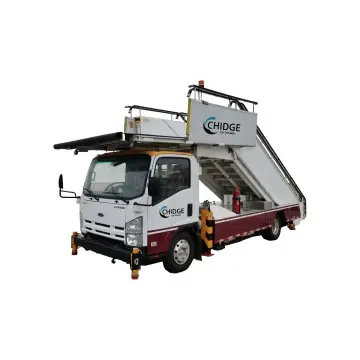
Designed for quick, safe passenger access to commercial aircraft, featuring stable hydraulic extensions and non-slip treads.
Learn More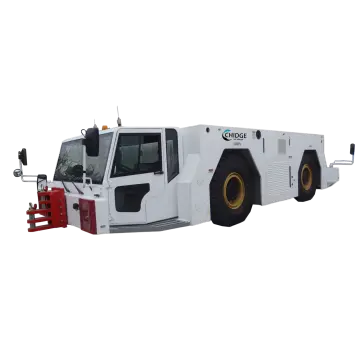
A heavy-duty towing solution engineered to manage pushback cycles for large commercial aircraft in busy terminals.
Learn MoreWe deliver comprehensive, client-focused development plans spanning conceptual drawing, component sourcing, final assembly, and quality assurance. Our engineering teams collaborate with airport planners to design equipment tailored to unique operational demands.
Whether modifying chassis dimensions to fit tight hangar spaces or integrating telemetry modules into airport enterprise systems, we assist ground operators in optimizing fleet utilization and reducing operational costs.




We work closely with leading global carriers, regional handling agents, and logistics providers to maintain safe and efficient ground operations.
Ground handling systems are undergoing a rapid digital transition. Modern operations leverage real-time diagnostic systems, cloud telemetry, and automated guidance protocols to improve safety and asset utilization.
Modern tractors integrate high-performance IoT gateway modules that transmit vehicle speed, battery state, hydraulic pressures, engine health indicators, and geographic position back to airport command consoles. This connectivity enables preventative maintenance strategies, warning technicians of component degradation before failure occurs.
Furthermore, autonomous GSE testing is expanding globally. Future ground handling workflows will utilize high-accuracy RTK-GPS navigation, sensor fusion (combining LiDAR and radar data), and active path planning to move between staging areas and target gates independently. Our engineering divisions remain at the forefront of this movement, integrating modular hardware interfaces into our current designs to facilitate future upgrades.
Maintaining high equipment uptime requires structured support frameworks. Sourcing from our factories ensures complete lifecycle assistance:
Stay informed on the latest trends in ground support engineering, fleet green initiatives, and best practices for airport ramp operations.
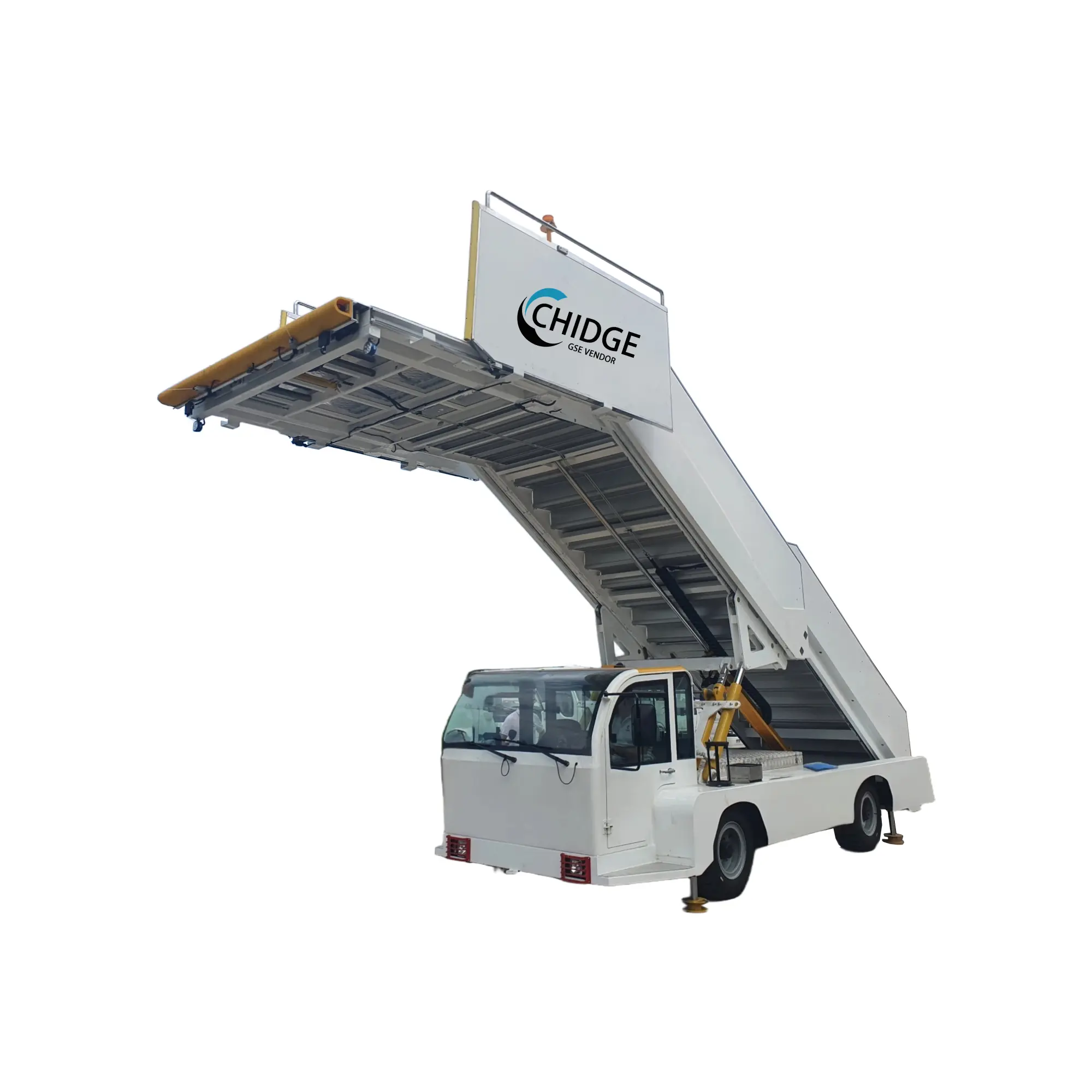
Explore the technical features of modern passenger boarding structures, detailing engineering solutions designed to ensure passenger safety and structural stability in active airport ramps.
Read Article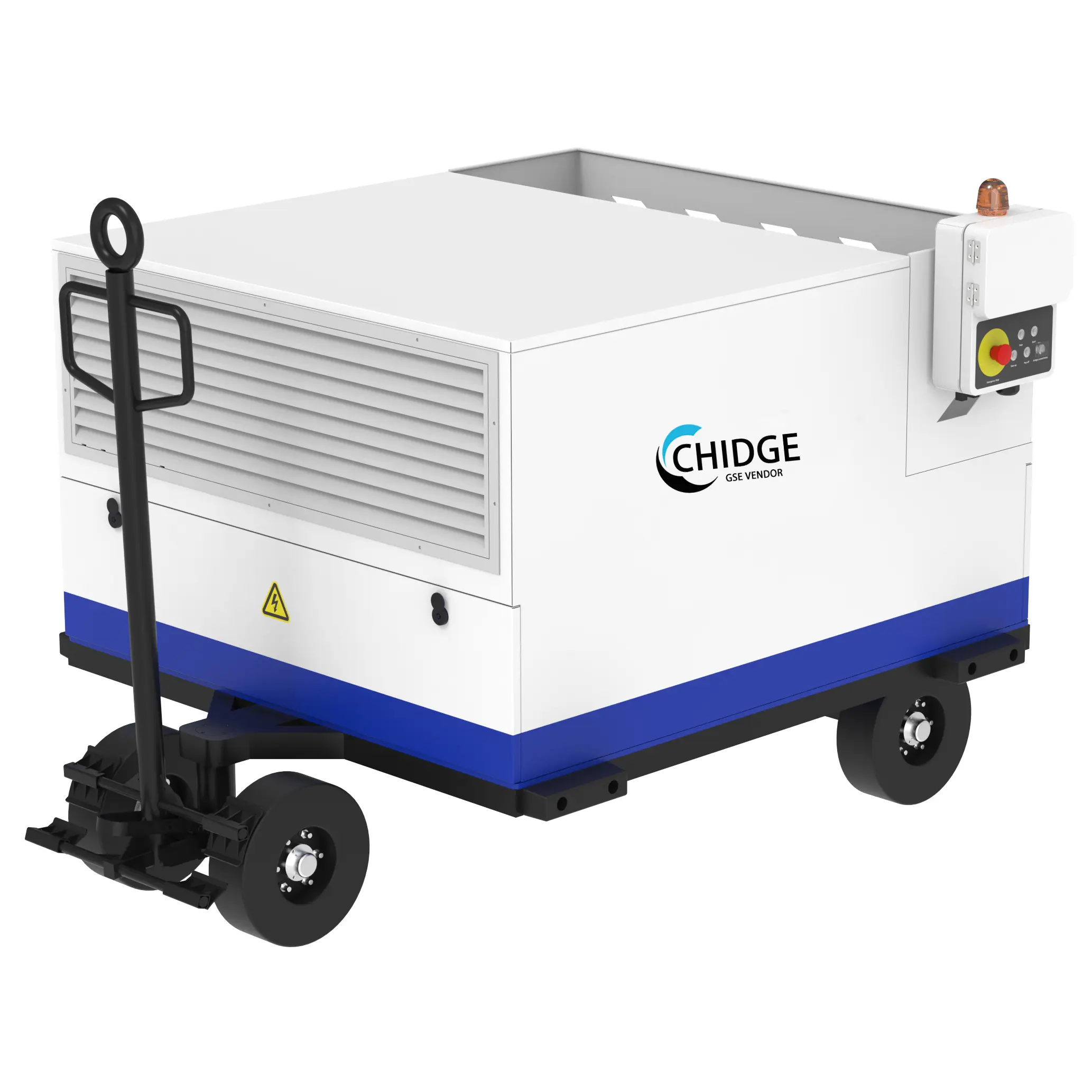
An analysis of battery-buffered ground power units, exploring how localized energy storage systems reduce fuel usage and emissions during aircraft servicing cycles.
Read Article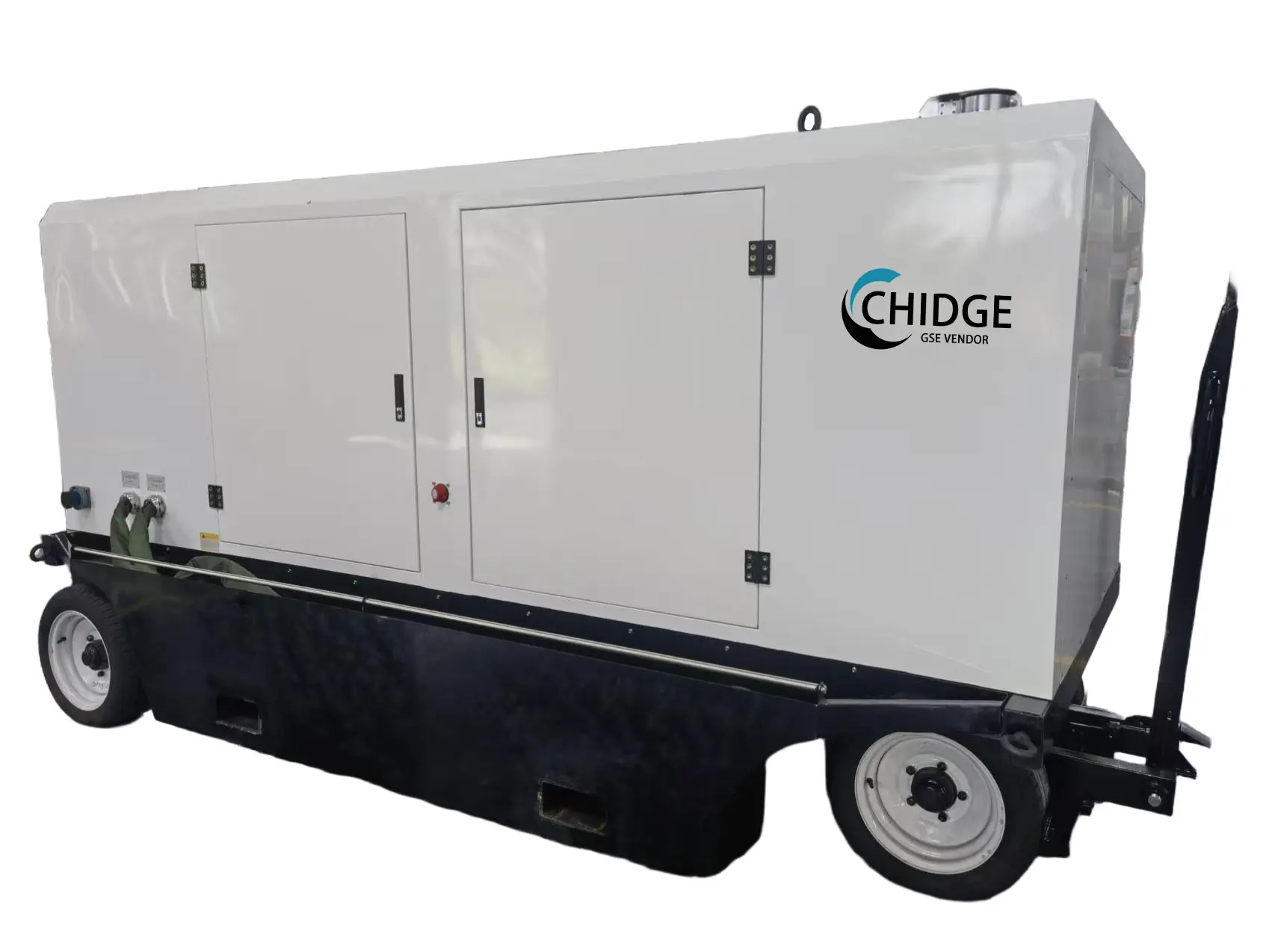
A detailed look at the electrical configurations, voltage regulation networks, and high-frequency power conversion systems used to supply clean power to parked aircraft.
Read ArticleTechnical and operational answers to common inquiries regarding our GSE pushback systems and manufacturing capabilities.
Explore our selection of high-capacity container dollies and heavy-duty transport trailers, built to withstand continuous cargo cycles in high-throughput freight operations.
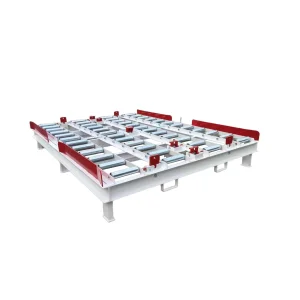
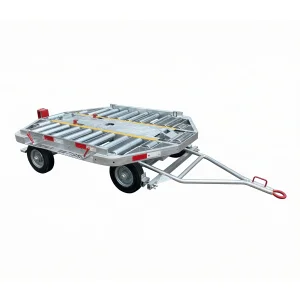
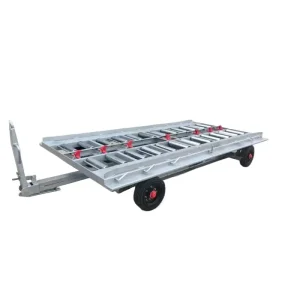
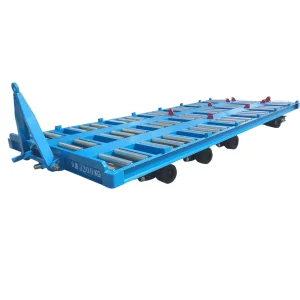
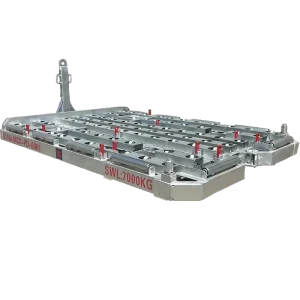
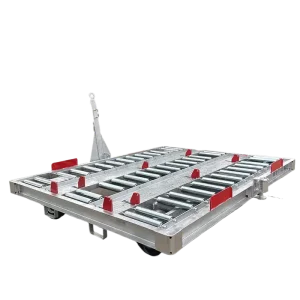
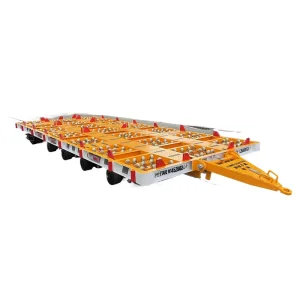
 Chidge Dolly