In the high-intensity theater of modern airport operations, aircraft turnaround efficiency is the primary metric governing airline profitability and hub viability. Ground Support Equipment (GSE), specifically airplane towing tractors (also known as pushback tugs), stands at the epicenter of this operational matrix. Whether handling a regional turboprop or a widebody jetliner, precise, shock-free towing dynamics are crucial to preserving aircraft landing gear integrity and ensuring runway throughput.
As global airports target net-zero emissions, the shift from traditional high-horsepower diesel engines to advanced Lithium-ion electric towing tractors has accelerated. China's manufacturing sector has uniquely positioned itself to lead this transition, pairing world-class structural metallurgy with dominant battery supply chains to produce highly reliable, IATA-compliant aircraft tugs.
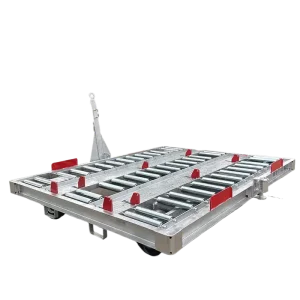
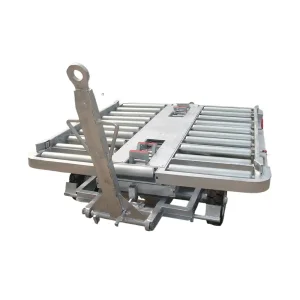
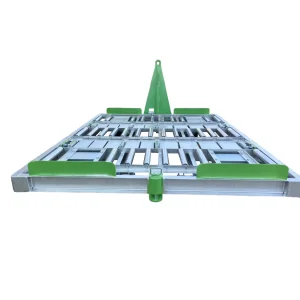
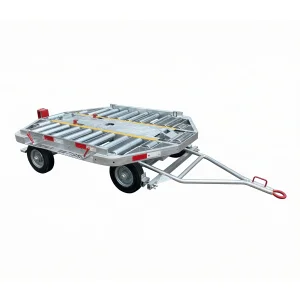
Highly durable airport logistics components directly from China's leading manufacturing facilities.
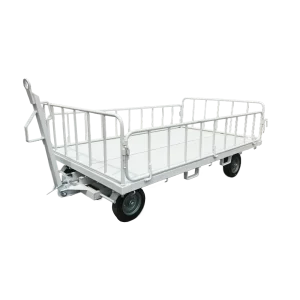
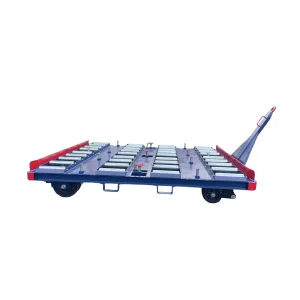
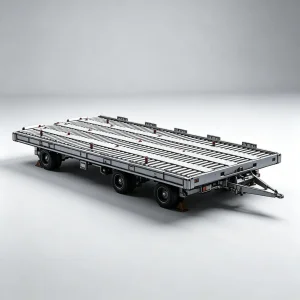
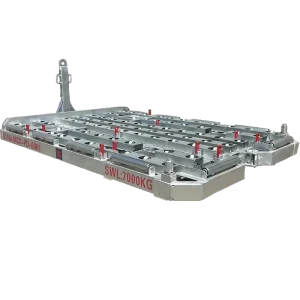
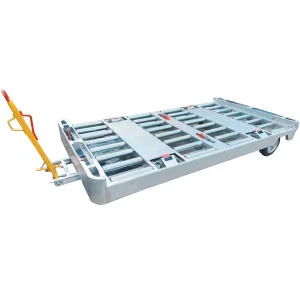
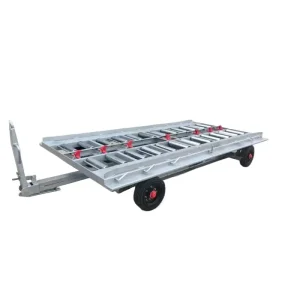
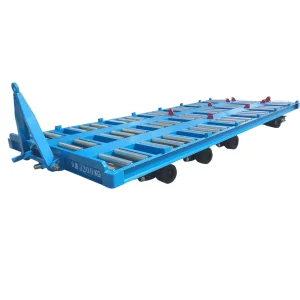
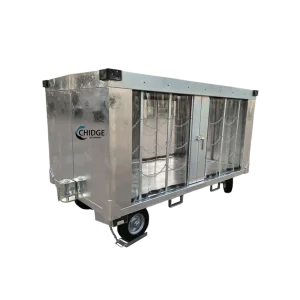
The rigorous math and physics engineering that dictate tractor selection and ground safety margins.
The capability of an airplane towing tractor is strictly governed by its dynamic Drawbar Pull (DBP). DBP is the horizontal force available at the coupler to accelerate and maintain velocity of the aircraft. Engineering formulas calculate DBP based on aircraft MTOW (Maximum Takeoff Weight), runway slope gradient (typically up to 2% design limit), and the friction coefficient of the tire-tarmac interface ($\mu$), which varies from 0.8 (clean, dry concrete) to 0.15 (heavy ice accumulation).
To operate in confined apron environments, modern tractors employ multi-mode hydrostatic steering. Ground staff can toggle between Two-Wheel Steering (ideal for transit towing), Four-Wheel Steering (minimizing turning radius), and Crab Steering (allowing precise lateral alignment to the landing gear hook-ups). These systems utilize electronic synchronization to prevent scrubbing and tire shear forces.
The shift from ICE (Internal Combustion Engines) to Lithium-iron Phosphate (LiFePO4) powertrains is driven by both emission reduction and torque availability. Electric drives deliver maximum torque at zero RPM, providing extremely smooth initial pull away, preventing the sudden "jerk" that induces high fatigue loads on the aircraft nose landing gear (NLG) structure.
| Performance Indicator | Diesel Powertrain (Stage V / Tier 4) | Electric Powertrain (LiFePO4 Chemistry) | Operational Impact |
|---|---|---|---|
| Initial Torque | Gradual build-up via hydrodynamic torque converter | Instantaneous max torque at 0 RPM | Electric offers smoother pushback initiation, preserving NLG integrity. |
| Energy Efficiency | Approx. 30% - 35% thermal efficiency | Up to 90% powertrain efficiency | Electric radically lowers ongoing utility expenses per turnaround. |
| Maintenance Intervals | Frequent (engine oil, oil filters, transmission fluids) | Highly minimal (coolant checks, axle lubrication) | Lower fleet downtime and reduced warehouse parts footprint. |
| Cold Weather Operations | Requires block heaters and glow plugs | Integrated battery thermal management systems (TMS) | Electric delivers predictable energy output regardless of sub-zero aprons. |
Understanding the industrial cluster dynamics and manufacturing capabilities driving global GSE distribution.
Airplane towing tractors rely on massive weight to ensure tractive effort. Rather than adding ballast, premium Chinese manufacturers build the main frame utilizing ultra-thick, structural steel plates (up to 100mm thickness) sourced directly from localized advanced steel mills. This monolithic frame design ensures high torsional resistance and eliminates internal stress cracking during heavy towing loads.
China houses the world's most dense ecosystem for electric vehicle drivetrains and lithium battery cells. Chinese GSE manufacturers work directly with Tier-1 battery innovators like CATL and BYD to customize heavy-duty battery packs rated for heavy mechanical stress and high continuous discharge currents. Combined with heavy axle manufacturing, this allows complete custom powertrain configurations.
By clustering component manufacturers (hydraulic valves, electronics, structural welding shops, cabin assemblies) within specific industrial corridors, China-based GSE factories minimize material logistics costs. These savings are passed on to global purchasing teams, allowing airports to procure dual-redundant electric tractor fleets for the same capital outlay as a single European or American-sourced diesel alternative.
Every major airport has unique apron geometries, coupling height specifications, and communication standard rules. The Chinese manufacturing model is structurally optimized to support extensive custom variations. Whether a ground handler requires localized hydraulic connections, custom cabin layouts, or specialized telemetry modules, domestic factories handle customization with agile lead times.
A comprehensive suite of flightline equipment manufactured to the highest international specifications.
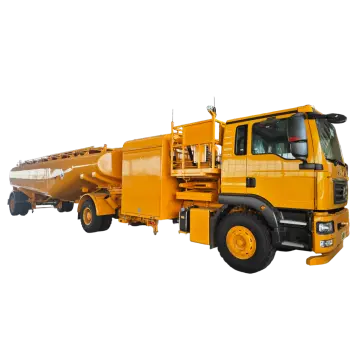
Consists of a certified high-yield chassis, specialized fuel reservoirs, precise metering instruments, and full pressure regulation controls.
View Details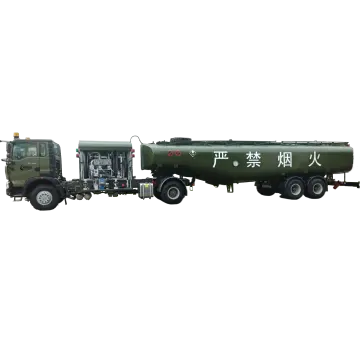
Engineered for widebody aviation fuel demands. Features advanced flow instrumentation, multi-stage water separation filtration, and self-circulation systems.
View Details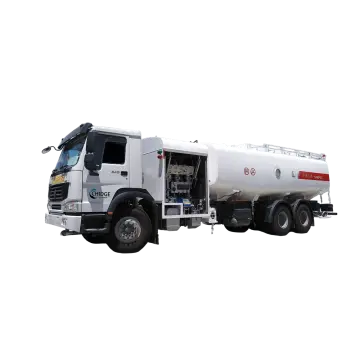
Optimized for regional aircraft refueling. Equipped with double-wrap hose reels, automatic dead-man safety controls, and static grounding sensors.
View Details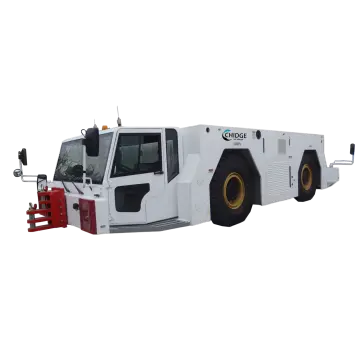
Designed for heavy widebody aircraft operations. Massive drawbar pull capabilities backed by synchronized four-wheel hydrostatic steering.
View Details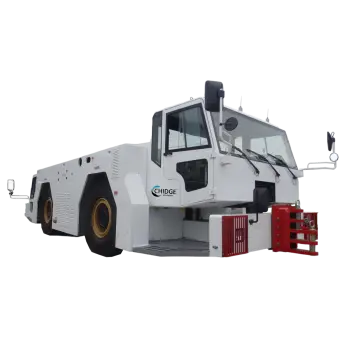
The workhorse of narrowbody aircraft pushback. Heavy structural steel ballast plates combined with responsive hydraulic steering and safety interlocks.
View Details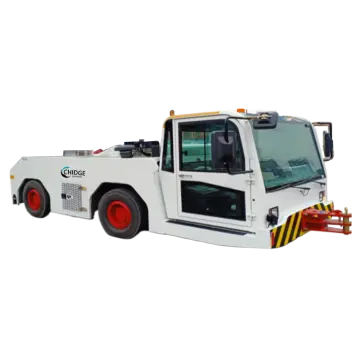
A compact, high-maneuverability pushback tug engineered for regional airports and smaller corporate jet handling schedules.
View Details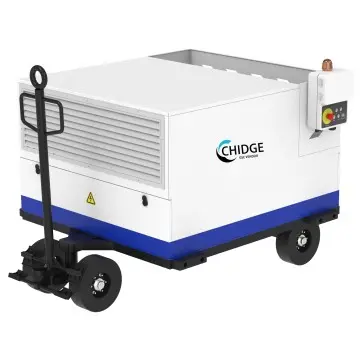
Zero-emission ground power solution utilizing high-density energy storage systems to feed parked aircraft systems quietly.
View Details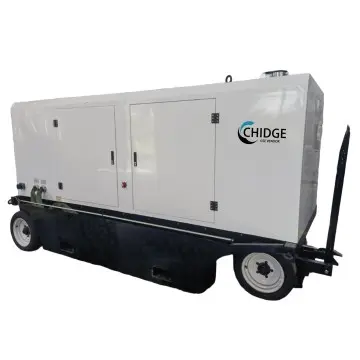
Delivers precise 400Hz alternating current to the aircraft electrical bus. Optimized for high stability and low harmonic distortion.
View Details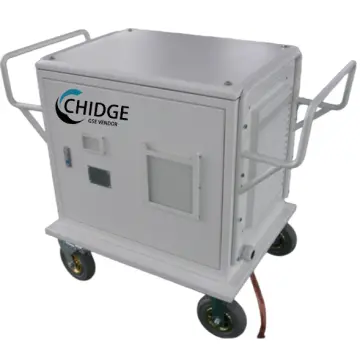
Bridge-mounted design for direct terminal gate installations. Eliminates tarmac emissions and reduces airline auxiliary power unit (APU) usage.
View DetailsProviding reliable legal and operational scaffolding for international airports and military sites.
All manufactured towing tractors strictly adhere to international standardization frameworks, including IATA AHM 910 (Basic Requirements for Ground Support Equipment), IATA AHM 955 (Functional Specifications for Pushback Tractors), and CE / machinery directives. Components such as pressurized cabins and safety hydraulic lock valves undergo certified third-party testing before shipment.
To align with modern digitized ground management software, tractors are equipped with smart telemetry units. This allows real-time diagnostics via GPS, battery state of charge (SoC) parameters, structural weight sensor reports, and automated warnings for collision avoidance. Standard protocols allow direct connection to local ground management software.
Chinese factories address after-sales concerns by establishing partner service centers near major hubs and maintaining critical wear-parts in regional logistics hubs. Spare components such as hydraulic manifolds, relays, switches, and steering link assemblies are dispatched via priority air cargo to minimize downtime.
Commitments that ensure our airport equipment outlasts alternative offerings in high-load scenarios.
Our product design and manufacturing use advanced engineering processes to ensure maximum structural integrity and innovative control dynamics.
Highly robust construction that meets the dynamic force expectations of major ground handlers, ensuring stable operation over decade-long lifecycles.
Streamlined inventory controls, modular fabrication assembly lines, and access to deepwater ports ensure deliveries stay on schedule.
Dedicated remote field diagnostics combined with rapid spare component distribution channels to keep equipment operational.
Whether under direct OEM partnerships or customized ODM ground specs, we adhere strictly to customer-centric requirements. From engineering blueprint design, FEA structural stress simulation, and dynamic tractive testing to localized compliance inspections, our integrated production lines deliver competitive advantages, shorten manufacturing lag, and lower capital equipment costs.
ISO 9001 certified engineering and design processes.
Rapid simulation modeling and prototype fabrication.
Coordinating flat rack container shipping for oversized items.
On-site support during installation and commissioning phases.
Building strong collaborations and long-term reliability with ground operations teams worldwide.
Technical updates from our ground support design engineers.
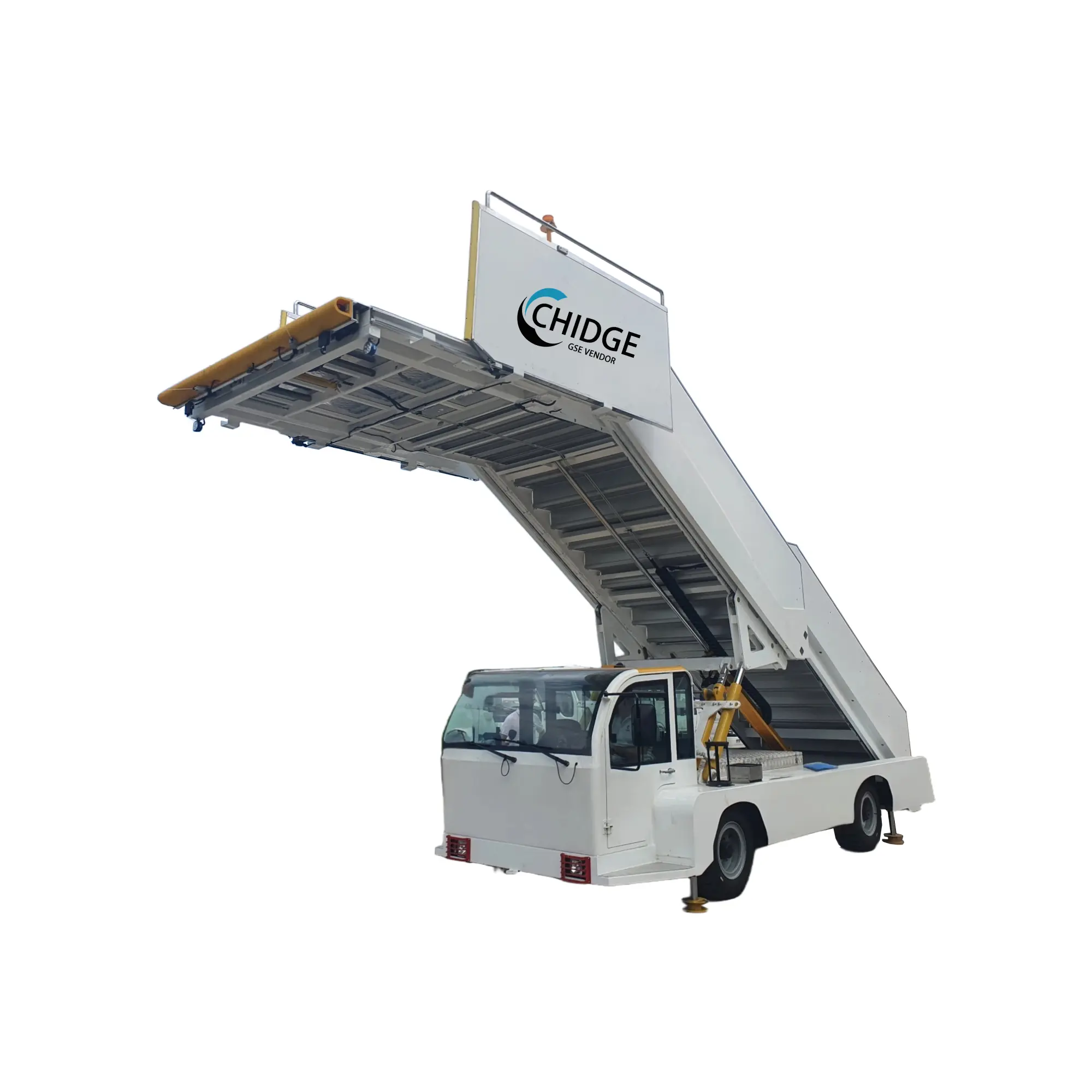
An evaluation of structural engineering requirements, scissor lift mechanisms, non-slip tread designs, and safety compliance for modern boarding stairs.
Read Analysis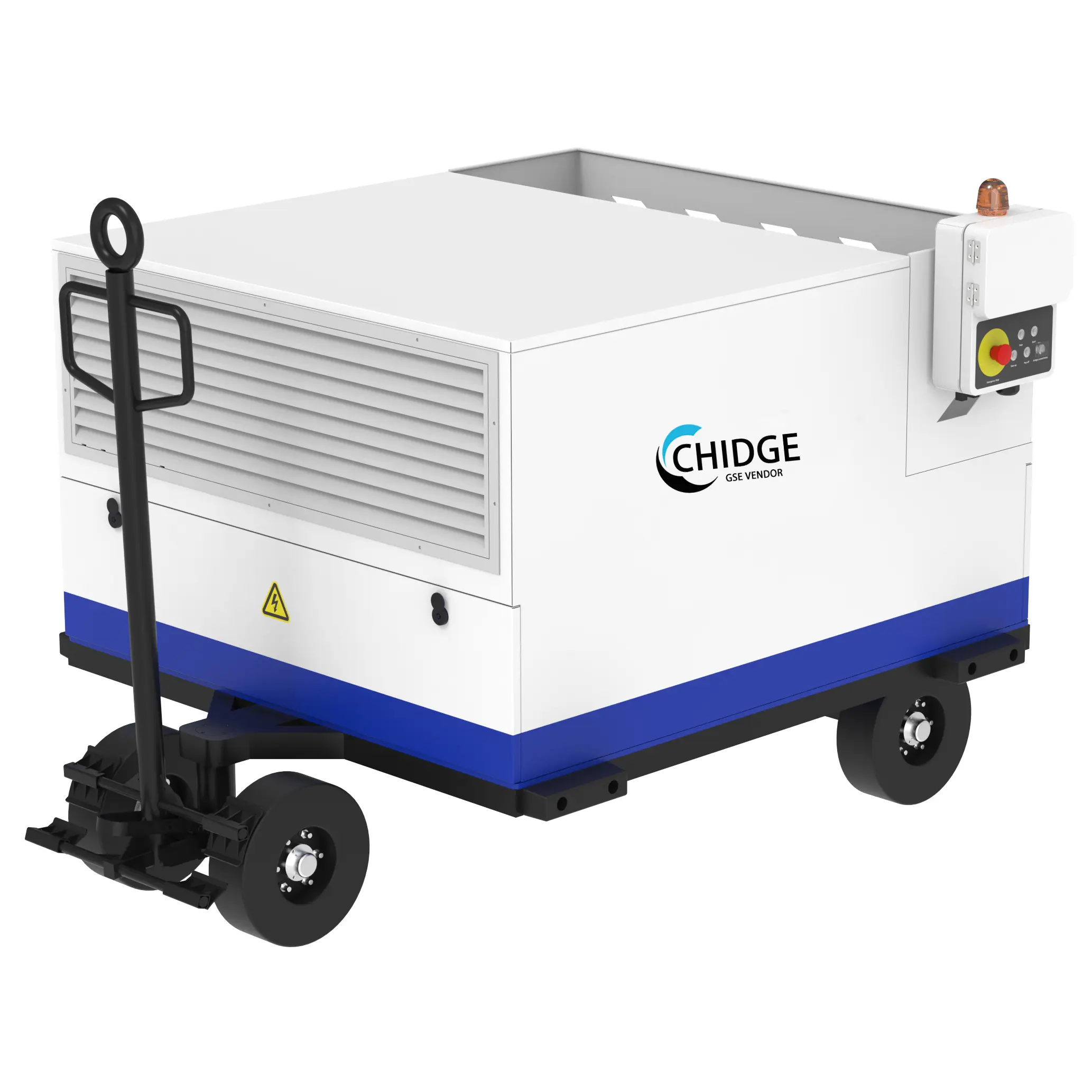
Examining how towable battery units reduce fuel costs and noise levels while supporting aircraft turnaround procedures.
Read Analysis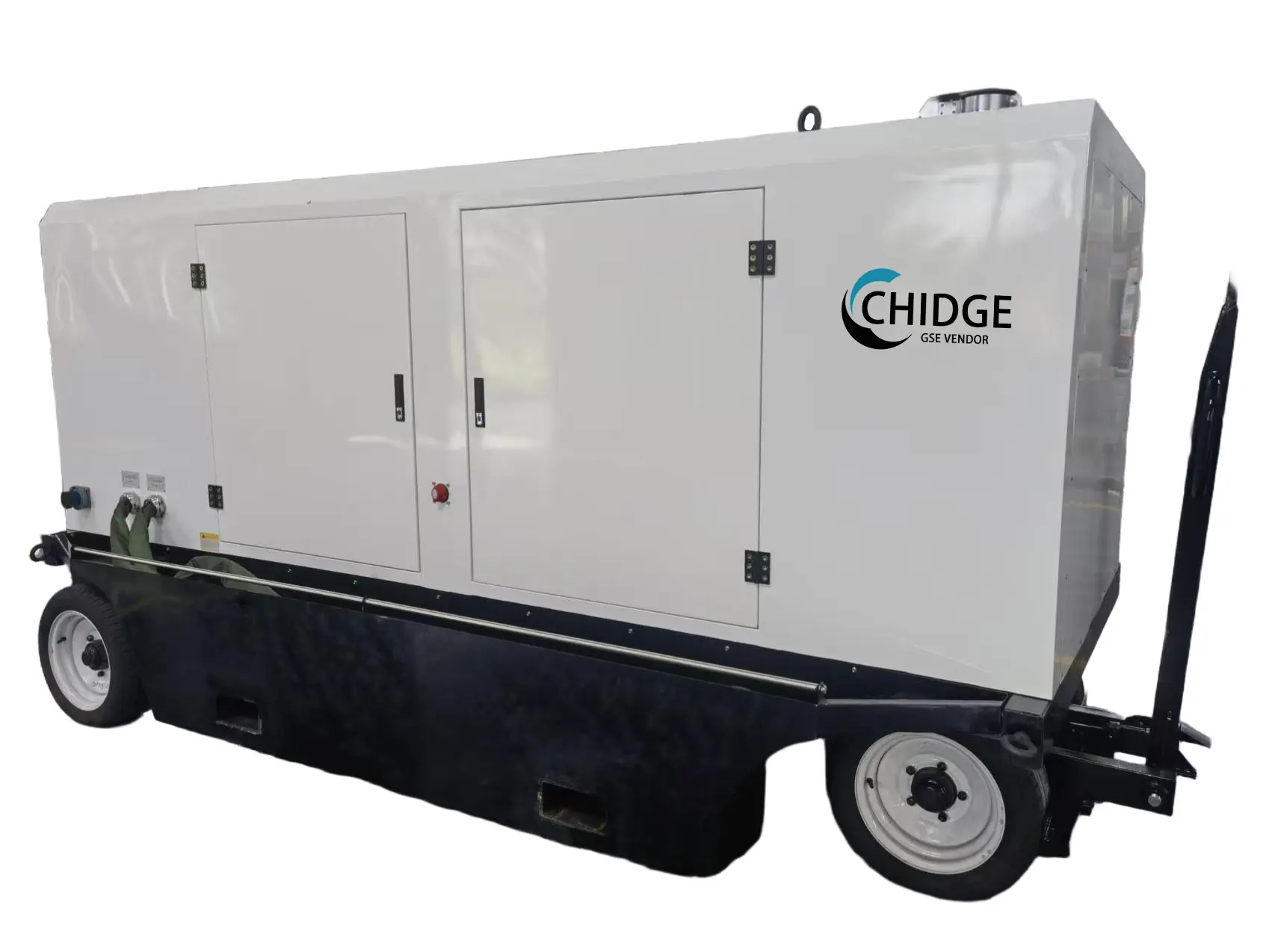
Providing clean 400Hz frequency electrical power for pre-flight safety checks, avionics updates, and passenger boarding without running the APU.
Read AnalysisTechnical and procurement answers provided by senior aviation equipment design specialists.
Highly durable airport logistics components directly from China's leading manufacturing facilities.
 Chidge Dolly