Engineered for high-tonnage cargo transport, extreme structural durability, and standardized ground-handling efficiency.
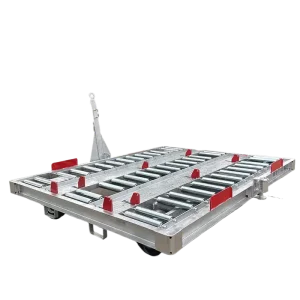
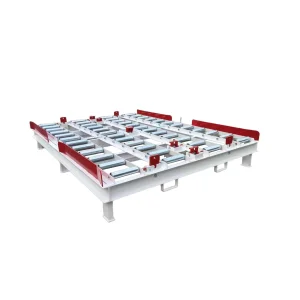
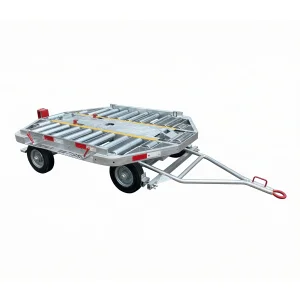
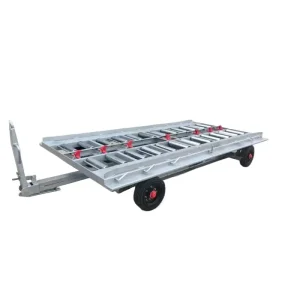
In modern aviation infrastructure, the apron is a high-stakes, time-critical environment where ground handling efficiency directly impacts airline profitability, dispatch reliability, and safety records. Ground Support Equipment (GSE), specifically aircraft pushback tractors and airfield dollies, forms the structural backbone of this ecosystem. As airports encounter denser flight schedules and wider fleets, off-the-shelf equipment frequently fails to meet localized demands.
Custom GSE solutions address unique operational challenges such as extreme ambient temperatures, specialized load distributions, and strict local environmental policies. From high-capacity 35-ton dollies designed for heavy cargo hubs to electric towing tractors optimized for reduced carbon emissions, custom design enables operators to align hardware performance directly with target turnaround times (TAT).
Custom GSE must comply with IATA's Airport Handling Manual (AHM) guidelines, particularly AHM 910 (Basic Requirements for Aircraft Ground Support Equipment) and AHM 913 (Aircraft Ground Support Equipment Functional Requirements). The integration of automated collision avoidance systems (using LiDAR and radar sensing) and advanced hydrostatic braking ensures zero-contact near-miss safety profiles, mitigating the risk of expensive aircraft body damage during towing or pushback procedures.
Comprehensive engineering integrations of heavy fueling vehicles, power generation rigs, catering fleets, and aircraft air-start units.
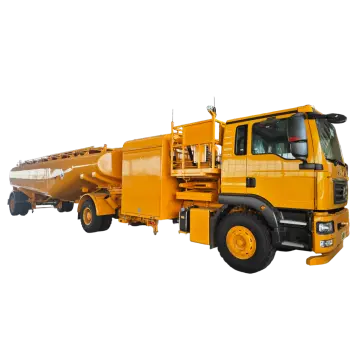 Refueling Fleet
Consists of a high-strength chassis, oil tanks, pumping system, and advanced digital control system. Functions include filtration, metering, pressure control, self-circulation, and high-flow refueling.
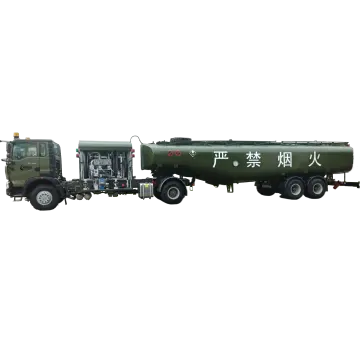
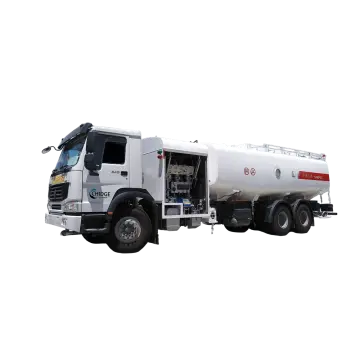
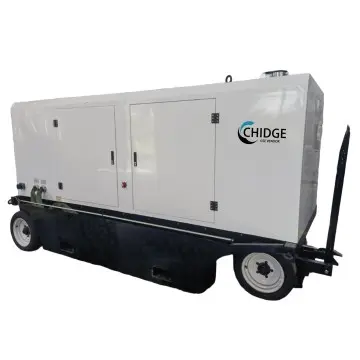 Power Systems
Provides constant, reliable frequency-stabilized AC/DC power during pre-flight checks and passenger boarding. Features solid-state frequency conversion and mobile chassis integration.
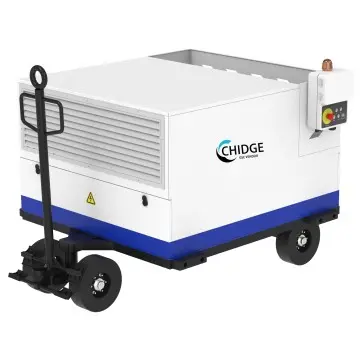
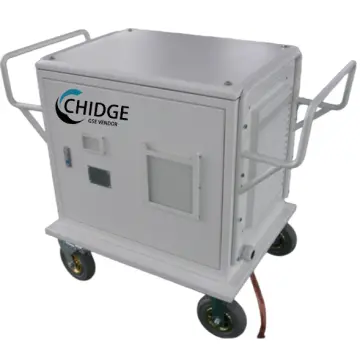
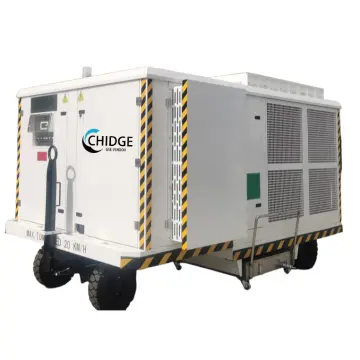 Climate Control
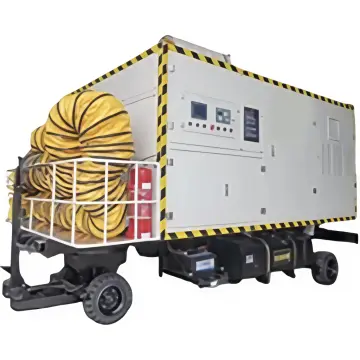
Provides conditioned air (PCA) and auxiliary heat to parked aircraft to regulate interior cabin comfort without operating the auxiliary power unit (APU), saving fuel.
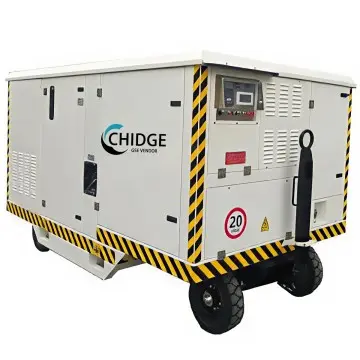
 Towing Fleet
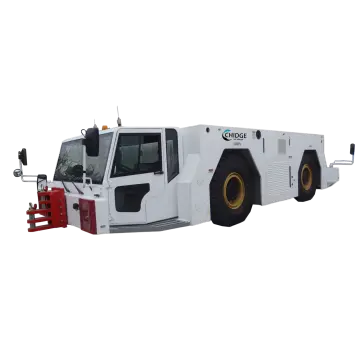
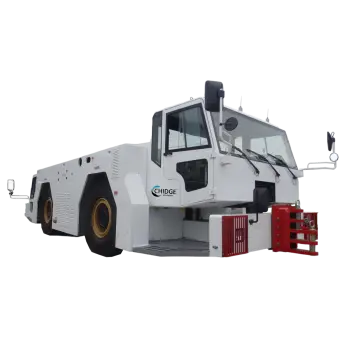
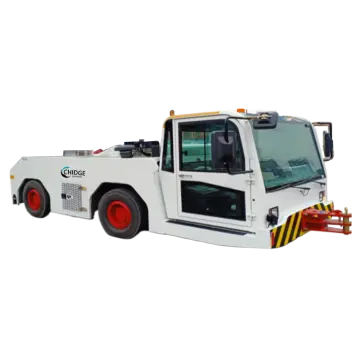
Designed for medium and heavy aircraft pushback operations. Heavy steel frames and highly responsive transmission ensure precise drawbar pull under maximum load limits.
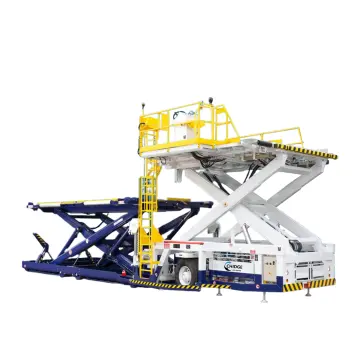 Cargo Handling
Heavy-duty platform lifts offering reliable alignment with aircraft maindeck and belly compartments. Integrates dual-direction hydraulic roller beds for container maneuverability.
 Auxiliary Support
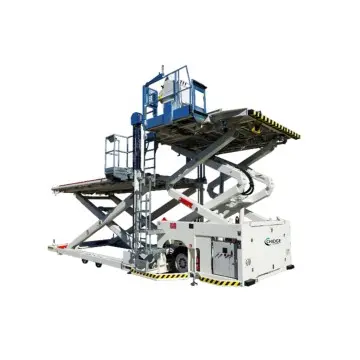
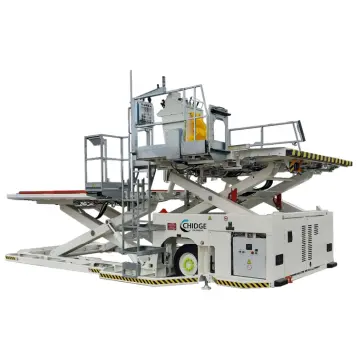
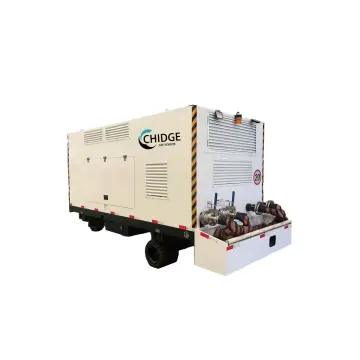
Supplies large volumes of compressed air to start main aircraft turbines. Accompanied by electric lavatory service trucks built to maintain rapid sanitation cycles.
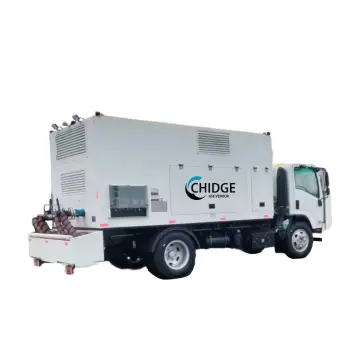
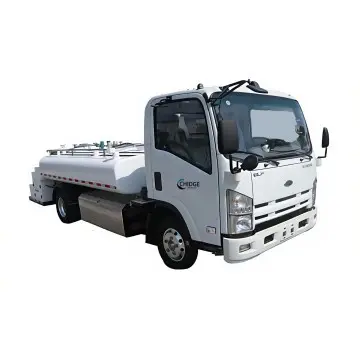
Manufacturing advanced Ground Support Equipment requires structural integrity, highly integrated precision hydraulics, and stable electronic control frameworks. China has established an unparalleled industrial cluster network that enables the production of high-performance aircraft dollies and pushback tractors. This geographical concentration of specialized suppliers drastically lowers production and lead times.
By sourcing structural plates directly from top-tier domestic steel manufacturers, factories can utilize specialized Q345B/Q460 structural steel for high-stress assemblies such as dollies and towing hitches. Furthermore, the integration of premium hydraulic manifolds, heavy castors, and customized axles within the domestic zone reduces transport logistics overhead.
Providing custom solutions that solve operational pain points, optimize workflow speed, and maintain compliance standards.
Integrating telemetry, digital control loops, smart charging solutions for electric GSE, and structural stress-simulation testing.
Applying high-grade sandblasted steel finishes, anti-corrosive industrial zinc coatings, and strict zero-defect quality inspections.
Strategic logistics partnerships and modular assembly structures guarantee minimized lead times even during peak market cycles.
Our rapid technical response teams, virtual diagnostic sessions, and complete spare parts inventories keep your fleet operational.
Deploying ground equipment across different international airfields demands strict adherence to dynamic regional standards. A failure to comply can lead to operational shutdowns, equipment groundings, or severe safety liabilities. Our custom manufacturing frameworks align directly with European CE directives, US OSHA safety regulations, and local environmental standards (e.g., Tier 4 Final, Stage V diesel systems, or advanced LiFePO4 battery certifications).
Every unit produced undergoes Finite Element Analysis (FEA) to confirm load ratings under dynamic lateral force scenarios. We provide full compliance documentation for:
To prevent downtime at global airfields, our factory support system is split into direct digital support and on-site partners. This ensures:
For major regional airlines and ground handlers, standard off-the-shelf GSE cannot meet specialized site demands. The environmental layout of cold-weather airfields in Northern Europe or sand-dense aprons in the Middle East require specific hardware alterations.
From the initial project plan, design draft, and load testing to after-sales execution, our engineering team manages complete product lifecycles. This custom design capability includes structural modification (such as extra load plates or specialized tie-down points), optimized hydraulic setups, and custom-brand paint finishes.




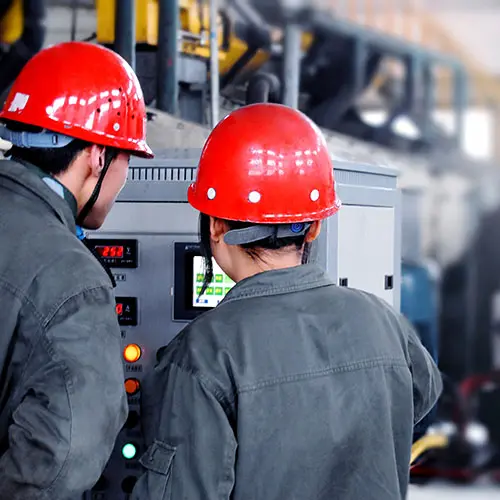

The aviation sector is undergoing a massive shift toward green and smart technology, driven by the global aviation net-zero target. Ground handling equipment is at the forefront of this environmental upgrade. High-capacity battery systems, autonomous guidance technology, and fleet optimization systems are changing how airfields operate.
Transitioning from traditional diesel-driven pushback tractors and passenger stairs to high-voltage lithium battery power packages. eGSE features:
Modern fleet operations rely heavily on telemetry modules linked to airport control rooms. These systems allow:
Expert answers addressing load limits, custom modifications, international compliance, and lead times for GSE procurement.
Fostering long-term collaborations with international airlines, freight hubs, and cargo handlers worldwide.
"Our mission is to make their choices firm and correct, to create greater value for customers and to realize their own value."
An in-depth technical analysis of structural safety, anti-slip step profiles, and electric self-propelled passenger stair systems.
Evaluating mobile battery banks designed to reduce reliance on auxiliary combustion generators on airport aprons.
In the complex ecosystem of aviation operations, ensuring an aircraft is flight-ready involves a multitude of support systems. Among the most critical components in this pre-flight preparation is the Aircraft Ground Power Unit (GPU)...
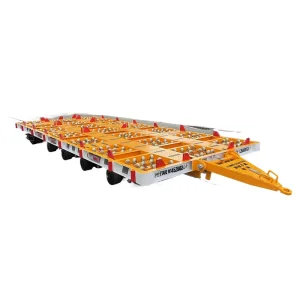
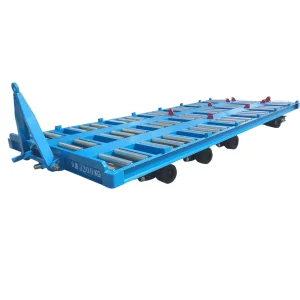
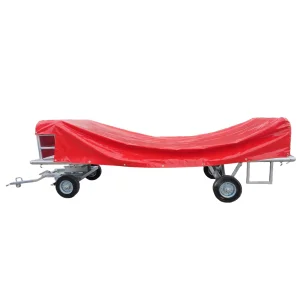
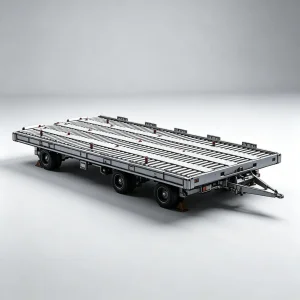
Standard and custom airport carts, heavy duty container dollies, and weather-protected luggage equipment.
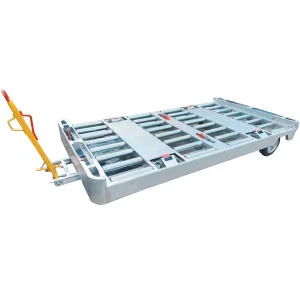
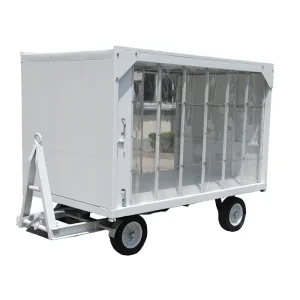
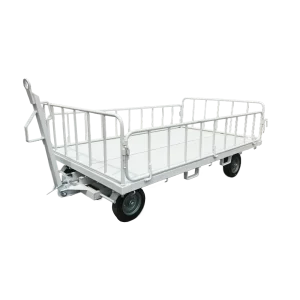
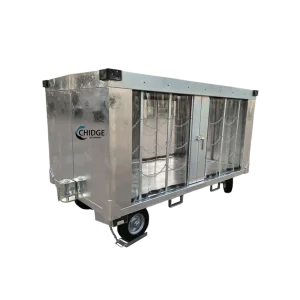
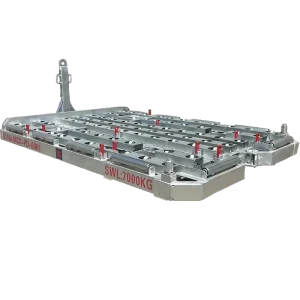
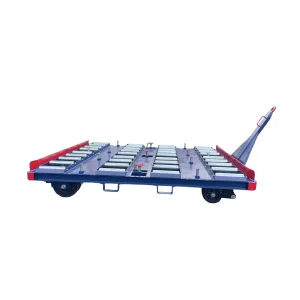
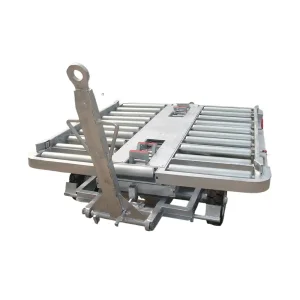
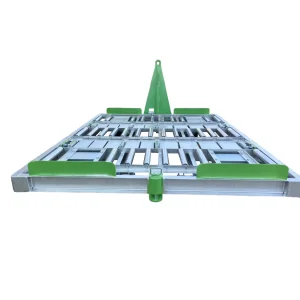
 Chidge Dolly