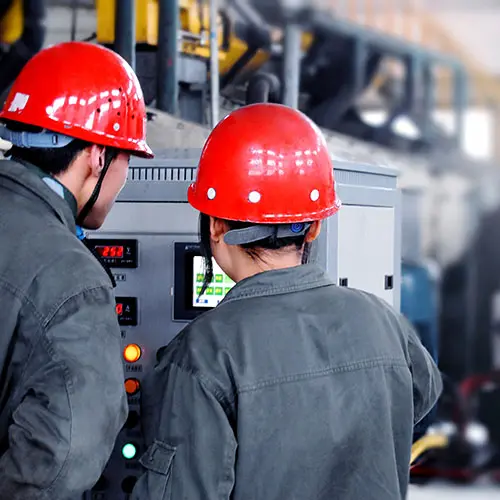
Engineered to optimize turnaround times, ensure absolute safety, and reduce operational footprint at regional hubs and international super-hubs.
Mapping the worldwide deployment of CD-T150 series pushback tractors and high-capacity aviation cargo assets.
The global aviation ecosystem is undergoing a generational transition. As airports strive for carbon neutrality and operational efficiency, custom CD-T150 aircraft push back aviation tractors have emerged as pivotal assets. Designed to handle narrow-body and medium wide-body aircraft (such as the Airbus A320 and Boeing 737 families), the CD-T150 series bridges the gap between massive main-hub pushback tugs and smaller, regional tow tractors. These units are deployed extensively across major hubs in North America, Europe, the Middle East, and Asia-Pacific.
Ground handling agencies face strict turnaround windows. Modern airfields require pushback systems that deliver high reliability and low maintenance overhead. Industrial manufacturing units specializing in custom CD-T150 units are utilizing advanced robotics, automated quality assurance, and heavy-duty steel fabrication. Our factories implement standard manufacturing practices compliant with IATA AHM (Airport Handling Manual) guidelines, ensuring that each tractor handles high-stress drawbar requirements without structural fatigue.
Decarbonization, predictive maintenance, and autonomous docking architectures for next-generation GSE.
The design architecture of the custom CD-T150 incorporates multi-mode steering, including front-wheel steering, rear-wheel steering, crab steering, and coordinated four-wheel steering. This maneuverability is critical in congested ramp environments. The standard hydraulic system is optimized to operate smoothly even at low speeds, preventing sudden jerks during the coupling and pushback processes.
Moving forward, our technical roadmap prioritizes high-voltage lithium battery systems with integrated liquid thermal management. Our factories are also developing intelligent telemetry suites that stream diagnostic data to operations centers in real-time, allowing operators to monitor battery health, motor temperature, and tractive energy consumption.
High-voltage battery packs designed to provide reliable operational runtime, coupled with fast-charging technology that integrates with existing airport grids.
Designed with elevated driver views, intuitive controls, integrated rear-view display feeds, and built-in climate control systems for extreme weather conditions.
High-tensile steel plates welded under strict ultrasonic inspection to withstand stress during heavy towing and braking sequences.
Tailoring ground support equipment fleets to local operational profiles and environmental constraints.
Ground handling conditions vary significantly by geography. In sub-zero environments like Northern Europe or Canada, cold-start reliability and cabin heating are primary requirements. In these regions, CD-T150 tractors are equipped with thermal insulation jackets for batteries and pre-heating circuits. Conversely, in the Middle East and tropical regions, our designs focus on heat dissipation, integrating high-ambient-temperature radiators and powerful air conditioning systems.
From a macro logistics perspective, the integration of CD-T150 tractors with container dollies and baggage systems forms a cohesive handling grid. By synchronizing pushback operations with baggage carts and cargo loaders, ground handlers can minimize ramp congestion, optimize gate occupancy rates, and reduce overall fuel burn for parked aircraft.
The official manufacturing registry including tankers, dolly systems, passenger stairs, and power units.
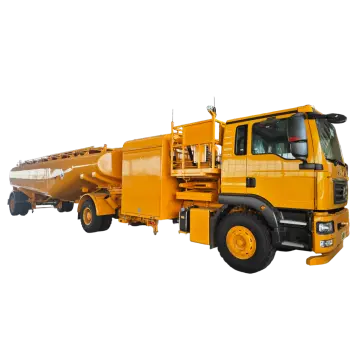
Equipped with specialized filtration, metering systems, pump controls, and safety self-circulation loops to ensure clean, controlled refueling flow.
Technical Specifications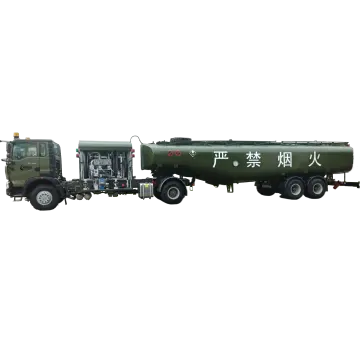
Featuring a heavy-duty chassis, optimized pumping systems, and integrated control panels to manage high-pressure fueling operations.
Technical Specifications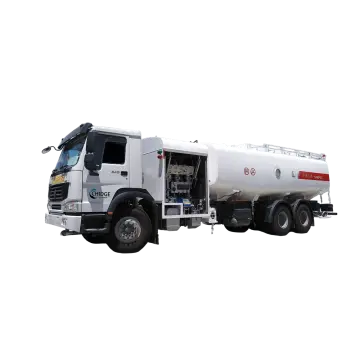
Integrated safety interlocks, high-accuracy flow meters, and fuel filtration modules for commercial airfield deployment.
Technical Specifications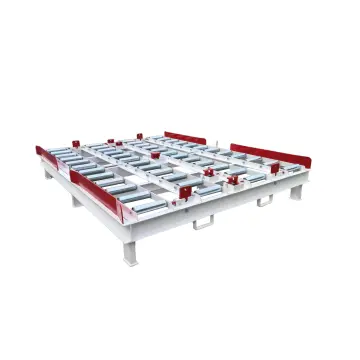
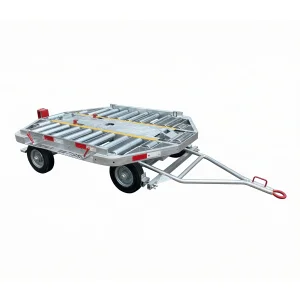
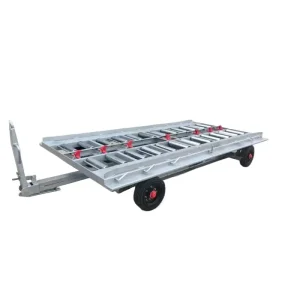
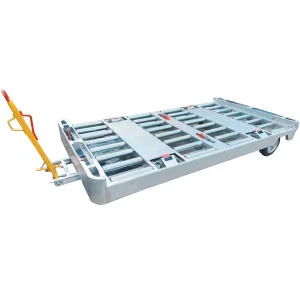
Engineered for high load-bearing operations, facilitating fast transit of standard cargo pallets inside warehouses and across ramps.
Technical Specifications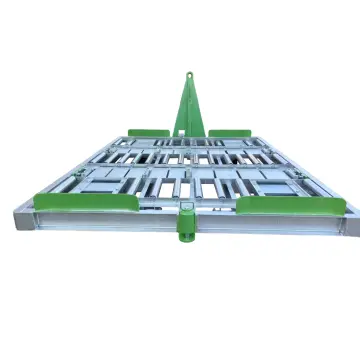
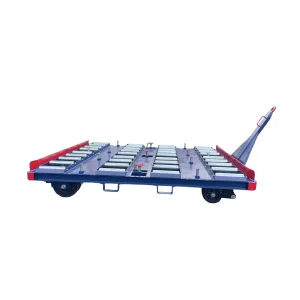
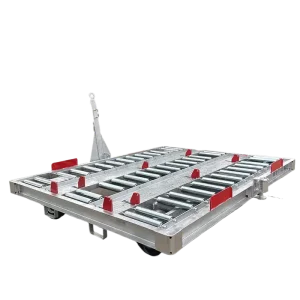
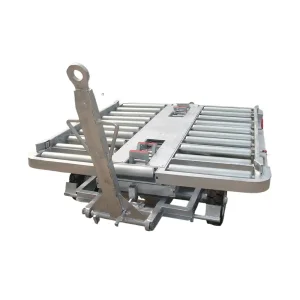
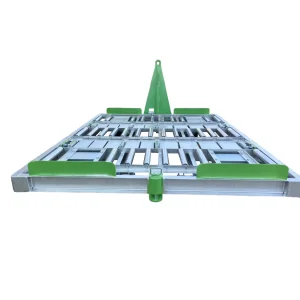
Designed with durable rollers, heavy-duty casters, and standard towbar linkages to withstand extreme ramp conditions.
Technical Specifications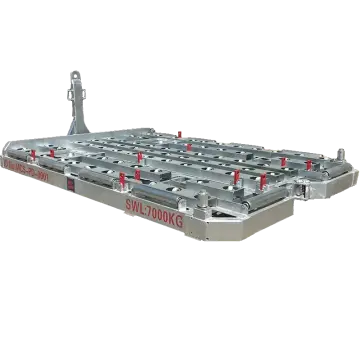
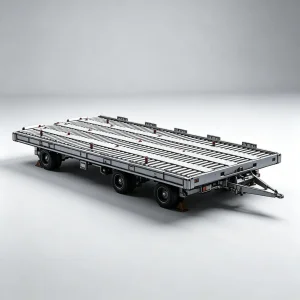
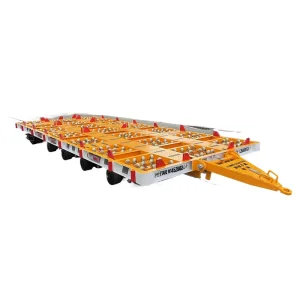
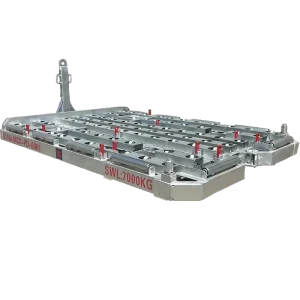
High capacity structure utilizing robust, low-maintenance components for cargo handling under strict schedules.
Technical Specifications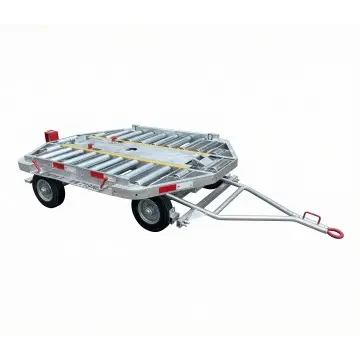
Custom-built for LD3 containers, providing secure lock configurations and rotation capabilities for ramp handlers.
Technical Specifications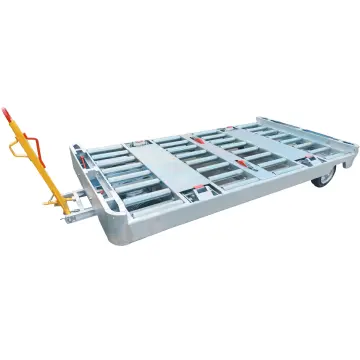
Engineered for high-volume air cargo operations, featuring reinforced structural steel and safety locks.
Technical Specifications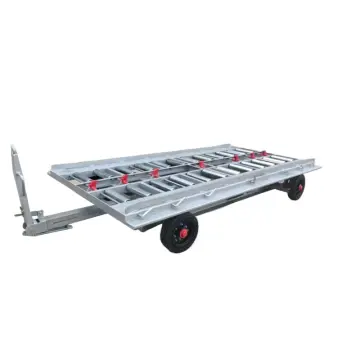
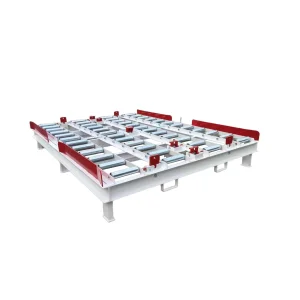
Optimized for larger wide-body containers, with dual-direction loading rollers and reliable braking systems.
Technical Specifications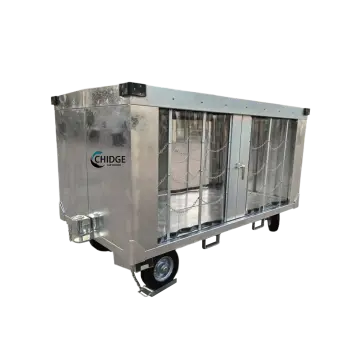
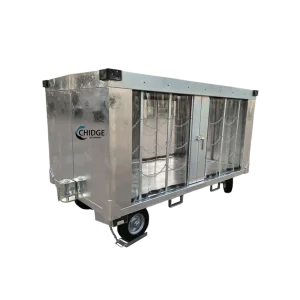
Protects passenger baggage from precipitation with double-sealed panels and rugged latching mechanisms.
Technical Specifications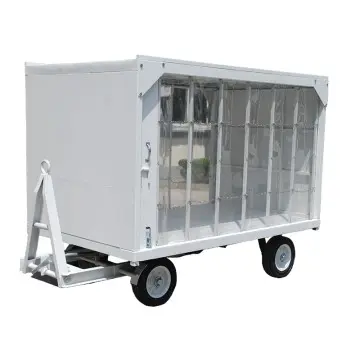
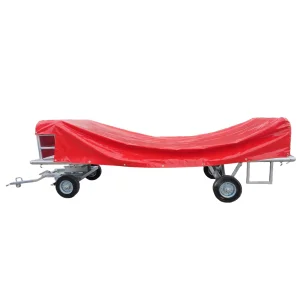
Heavy-duty protective panels prevent environmental exposure and baggage loss during runway transfers.
Technical Specifications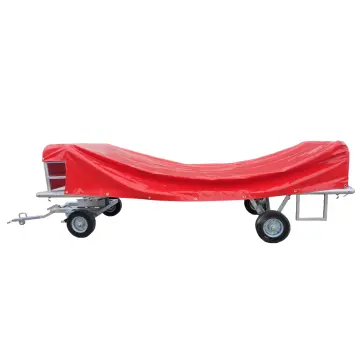
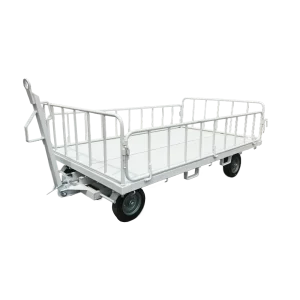
Standard airport baggage transport system with lightweight materials and efficient steering linkages.
Technical Specifications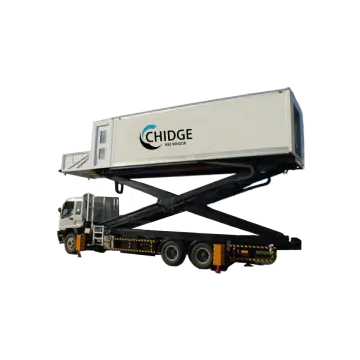
Featuring a scissor-lift mechanism, safety interlocks, and insulated storage for aircraft servicing.
Technical Specifications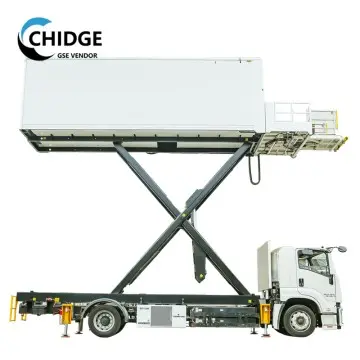
Fully electric drivetrain reduces terminal emissions while maintaining lifting speed and payload capacities.
Technical Specifications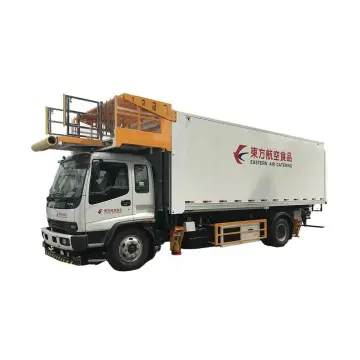
Reliable hydraulic lifting platform adaptable to a wide range of doors, from regional jets to jumbo aircraft.
Technical Specifications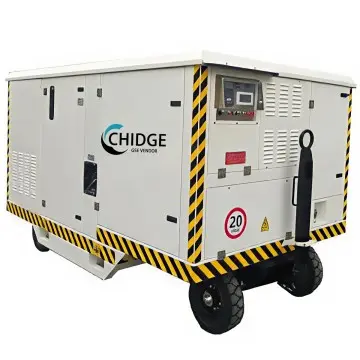
Delivers high-capacity clean hot air to cabins during extreme winter operations, protecting electronics and ensuring passenger comfort.
Technical Specifications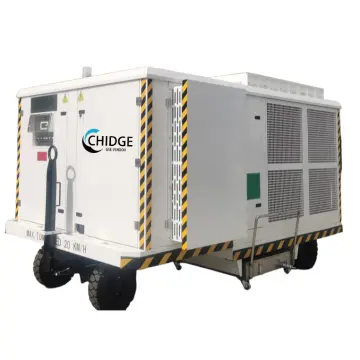
Engineered to maintain cabin environments without utilizing auxiliary power units (APU), reducing fuel consumption.
Technical Specifications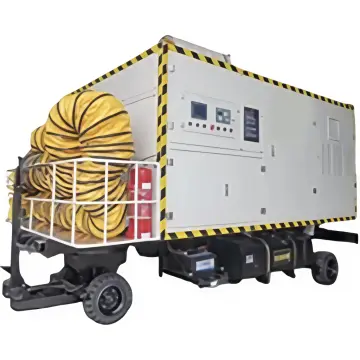
High-efficiency burner unit mounted on a rugged chassis for reliable operation in sub-zero environments.
Technical Specifications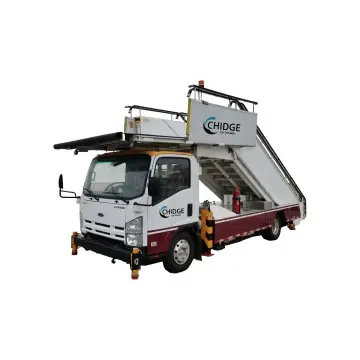
Equipped with an electric motor system, safety rails, and adjustable height settings for modern airports.
Technical Specifications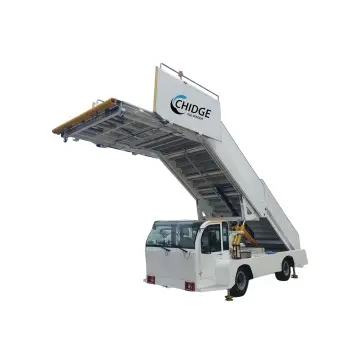
Diesel-powered variant offering high wind stability and safety controls for remote stand passenger boarding.
Technical Specifications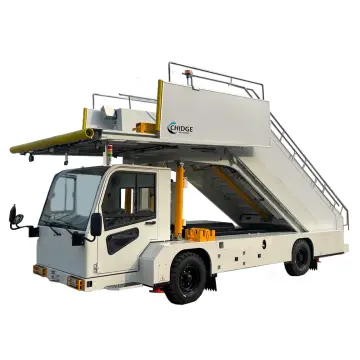
Features non-slip steps, dynamic height calibration, and warning sensors for secure aircraft coupling.
Technical Specifications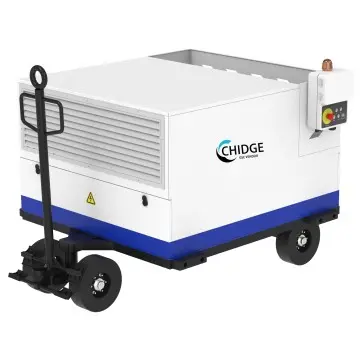
Uses integrated batteries to supply quiet 400Hz electricity for parked aircraft, reducing reliance on auxiliary power units.
Technical Specifications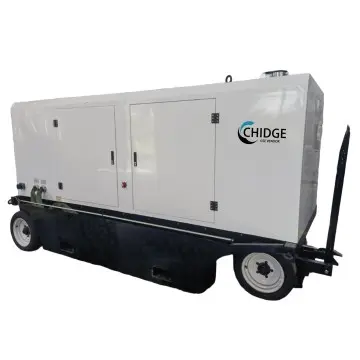
Reliable solid-state power conversion systems delivering clean, uninterrupted electrical current to cockpit systems.
Technical Specifications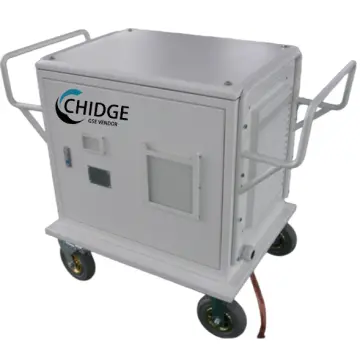
Stationary power systems designed for installation at gates or maintenance hangars.
Technical Specifications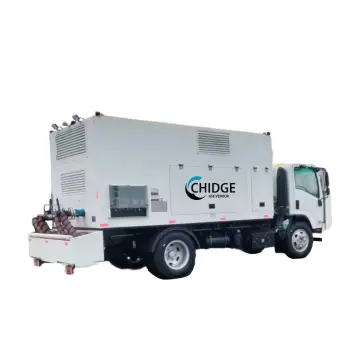
High-pressure air delivery systems designed to start turbine engines across a wide range of commercial aircraft.
Technical Specifications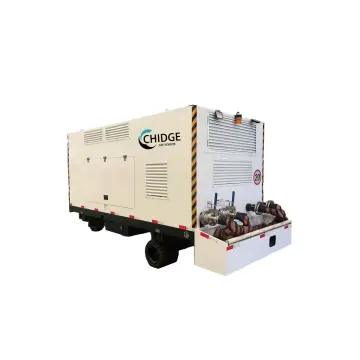
Compact, towable variant offering efficient air compression cycles and simple control interfaces.
Technical Specifications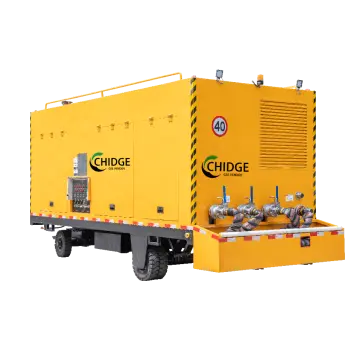
Heavy-duty, high-capacity air delivery system for wide-body jet engine starting requirements.
Technical Specifications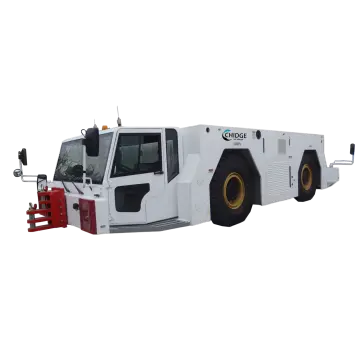
High-capacity tug designed for heavy passenger and cargo aircraft under extreme pushback loads.
Technical Specifications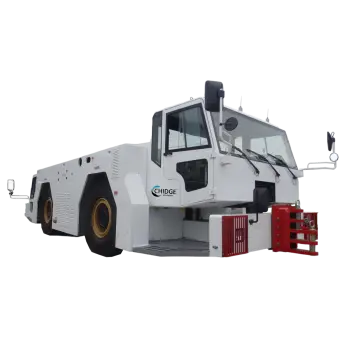
Medium-class tractor offering a balanced footprint, precise hydraulic steering, and dual-cab controls.
Technical Specifications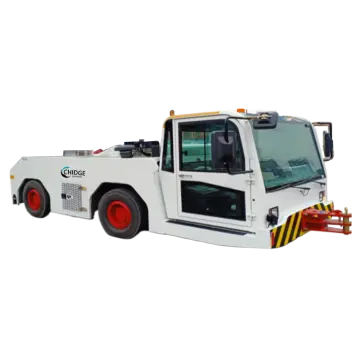
Compact towing vehicle optimized for narrow-body aircraft, regional operations, and hangar movements.
Technical Specifications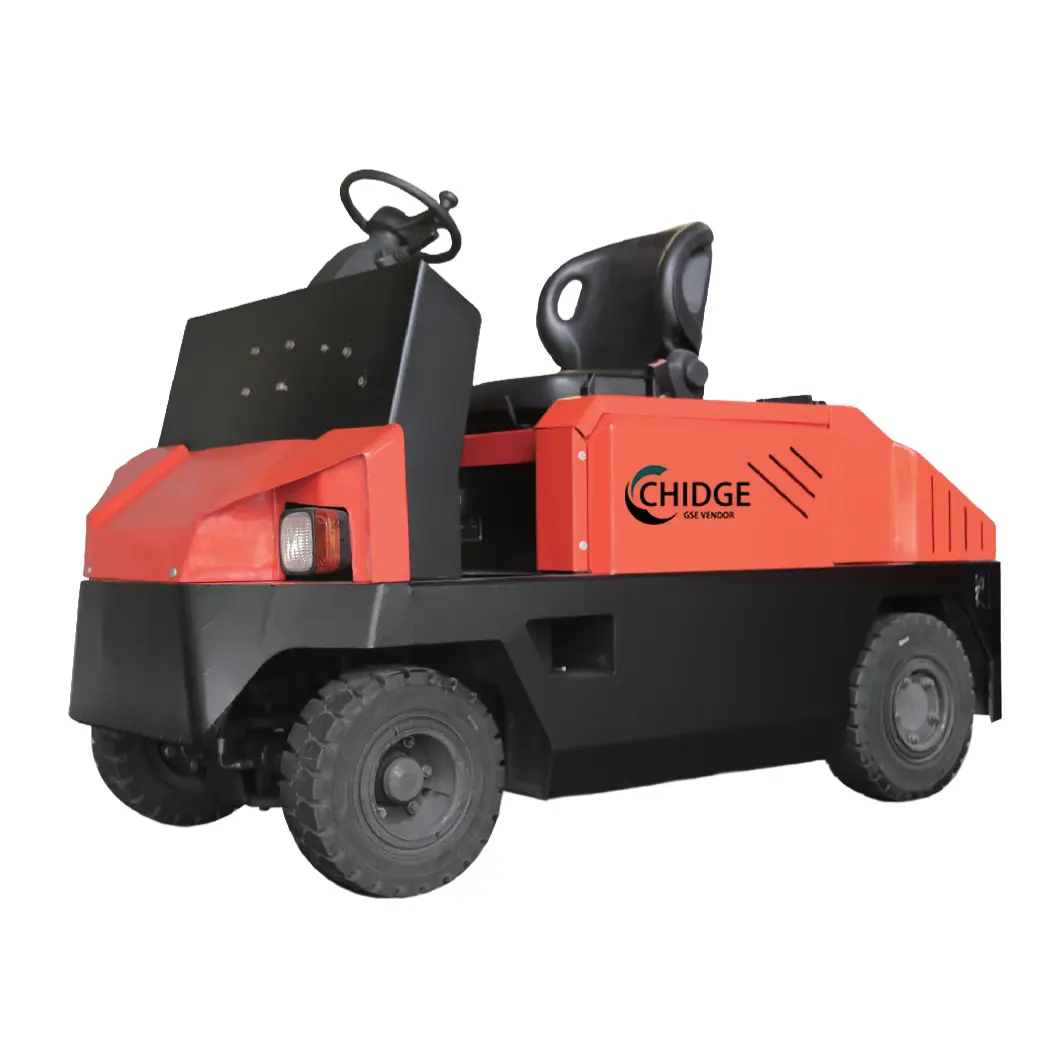
Zero-emission battery-powered tractor designed for continuous runs and hauling heavy luggage trains.
Technical Specifications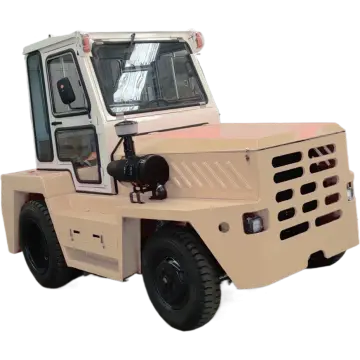
Heavy-duty cargo tractor with Stage V diesel engine compliance for high-load hauling applications.
Technical Specifications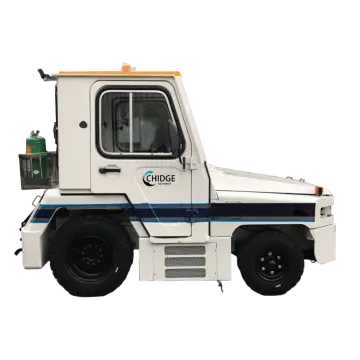
Quiet, clean-running airport workhorse with regeneratively assisted electronic braking systems.
Technical Specifications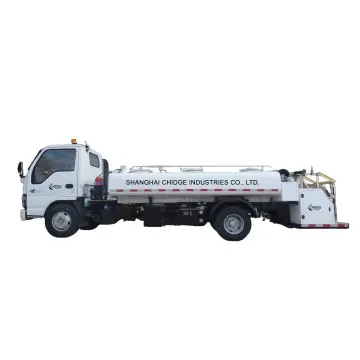
Includes high-capacity vacuum pumps, chemical storage, and clean water delivery tanks.
Technical Specifications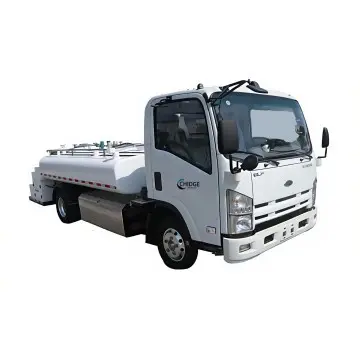
Constructed with food-grade stainless steel tanks and sanitary delivery channels on an electric chassis.
Technical Specifications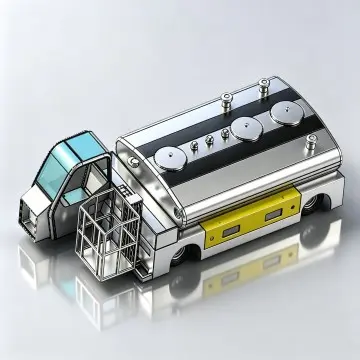
Features zero emissions, low noise, and specialized couplings designed to prevent spills on the runway.
Technical Specifications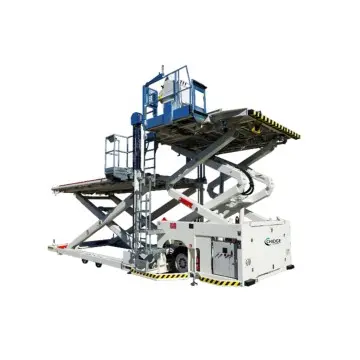
Designed for main deck cargo loading, utilizing hydraulic leveling systems and safety barriers.
Technical Specifications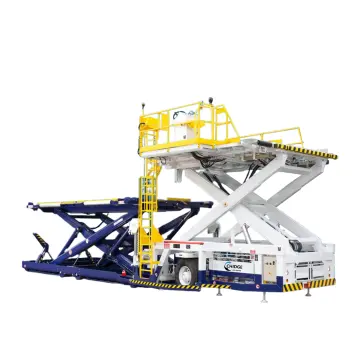
Heavy-duty dual platform loader designed for large freighters like the B747F and B777F.
Technical Specifications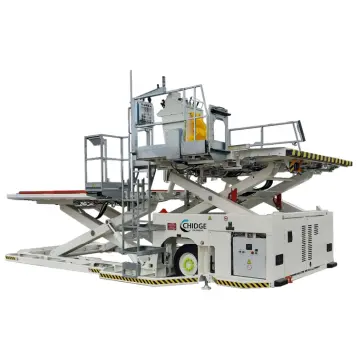
Optimized for narrow-body aircraft lower decks, offering high maneuverability in restricted spaces.
Technical Specifications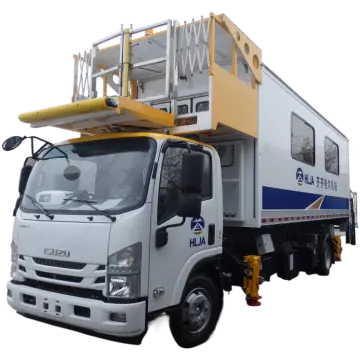
Enables safe passenger transport for individuals with reduced mobility (PRM) directly to the aircraft door.
Technical Specifications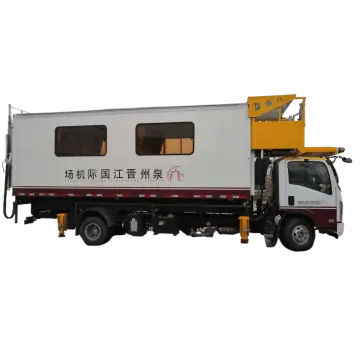
Features a stable scissor-lift cabin, interior safety handrails, and a front platform adaptable to various cabin sills.
Technical SpecificationsWhy leading global ground handlers partner with our manufacturing facilities.

Our product design and manufacturing integrate modern modeling, stress simulation, and production technologies.
Learn More
Our components undergo strict inspection to ensure reliability and meet airport operational demands.
Learn More
Supported by organized supply chain management, inventory tracking, and logistics networks to ensure on-time delivery.
Learn More
We provide global technical support, spare parts availability, and technician training program configurations.
Learn MoreTailoring structural, mechanical, and electrical configurations to meet specific airfield requirements.
Whether configuring equipment for extremely cold climates or integrating specialized cargo coupling systems, we provide comprehensive OEM and ODM support. Our services cover product planning, engineering design, finite element analysis, safety testing, and post-delivery support.
By leveraging standardized modular designs, we help ground handlers adapt components for specific aircraft mixes without incurring excessive design costs. This approach helps maintain compliance with civil aviation authorities worldwide.
Developing robust ground support networks for commercial airlines, logistics hubs, and defense contractors.
Our goal is to support ground handlers in making informed fleet decisions, aiming to create operational value and support reliable turnaround schedules.
Providing a wide range of ground support equipment, including passenger stairs, power units, tow tractors, and specialized dollies.
Delivering spare parts and maintenance solutions to support airline fleets and commercial logistics companies.
Maintaining quality control systems and structured delivery schedules to support fleet deployment timelines.
Analyzing current engineering trends and operational shifts in airfield support equipment.
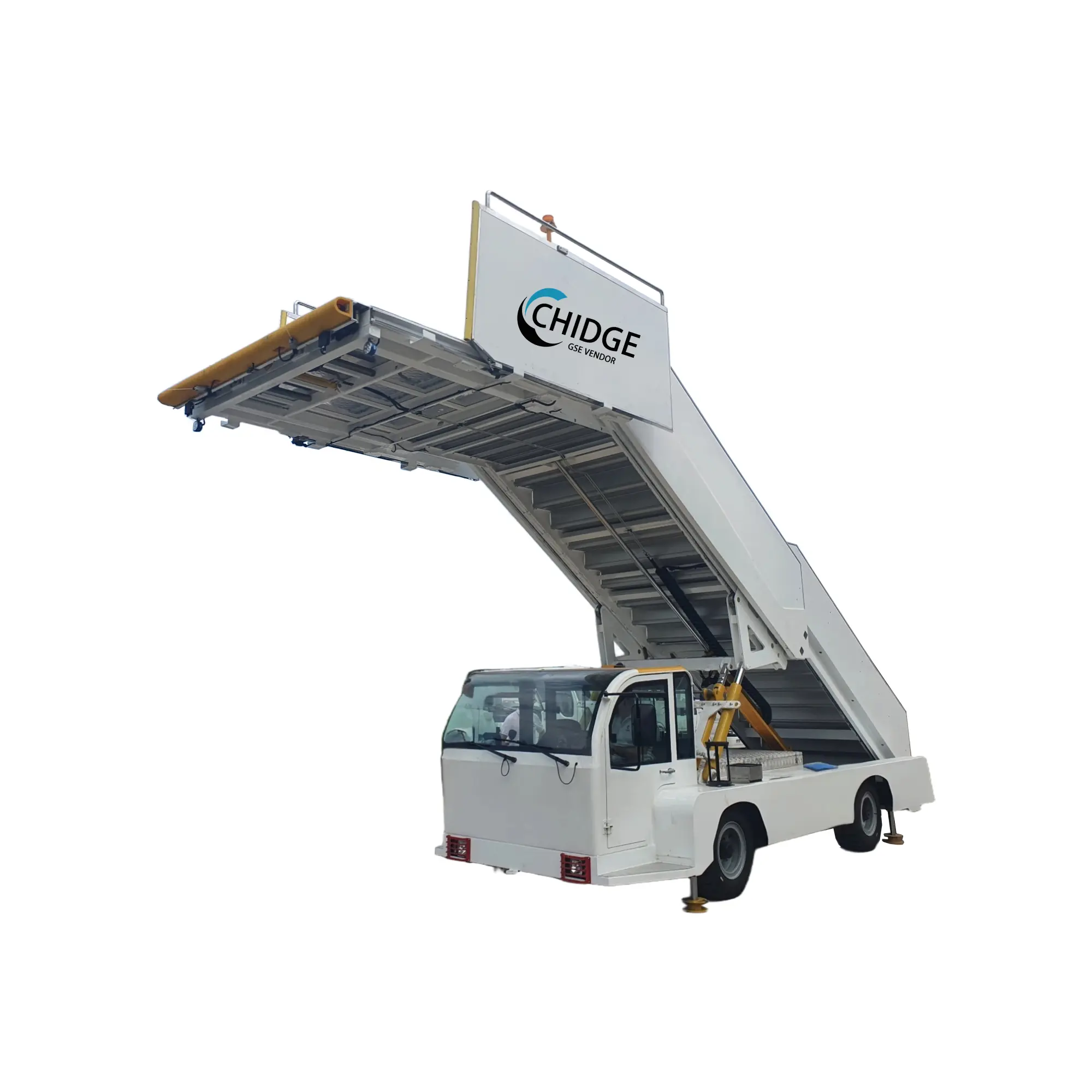
An analysis of modern passenger boarding stairs, highlighting height adjustment systems, wind-load calculation criteria, and safety configurations required for remote ramp operations.
2026-05-27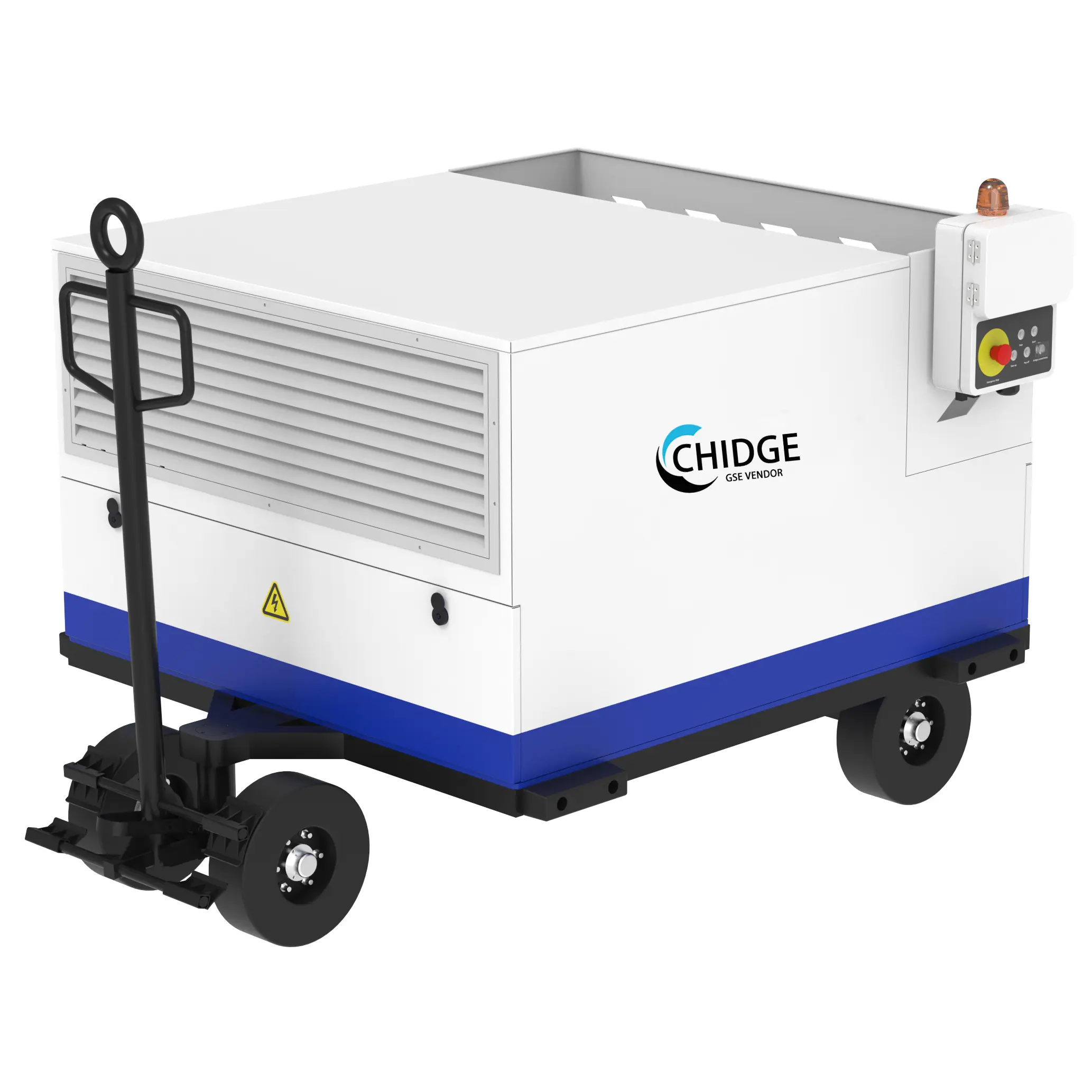
Examining the transition toward battery-powered ground power units (GPUs), focusing on solid-state energy storage, cycle life, and integration with dynamic airport grids.
2026-05-19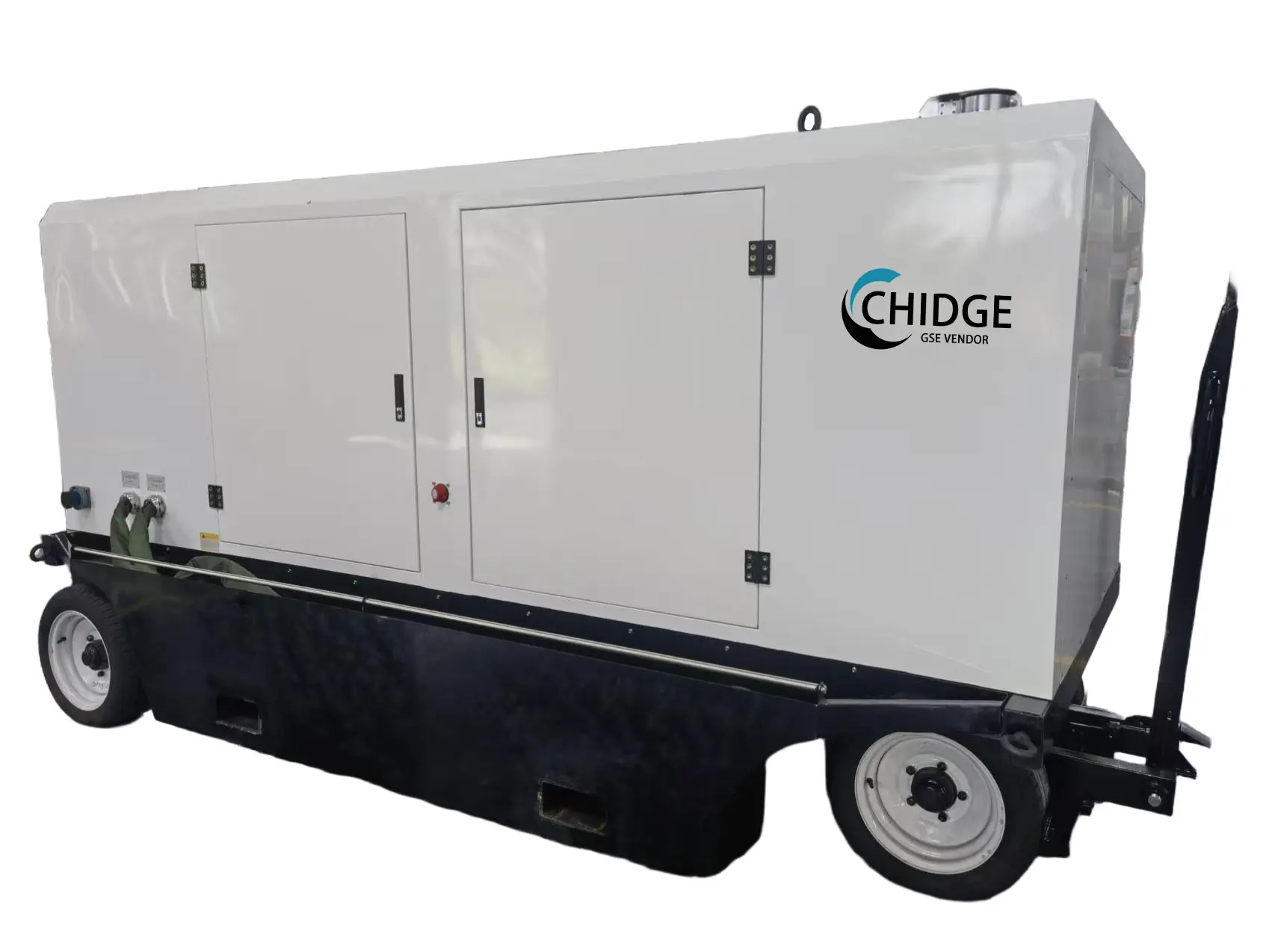
A detailed review of 400Hz frequency converters, truck-mounted configurations, and emission reduction benefits achieved by shifting away from onboard auxiliary power units (APUs).
2026-05-18Technical answers to help procurement managers and fleet engineers make informed decisions.
The custom CD-T150 is engineered to generate up to 150 kN of drawbar pull. It is designed to handle aircraft with a maximum ramp weight of approximately 150 to 200 metric tons, covering narrow-body jets like the Boeing 737 and Airbus A320, as well as selected medium wide-body models depending on ramp incline and surface conditions.
We supply the CD-T150 in both Stage V diesel engine configurations and electric battery versions. The electric model uses lithium iron phosphate (LiFePO4) battery packs with liquid thermal management, designed for multi-shift airport operations.
Safety is managed by dual-cabin interlocks, automated coupling sensors, and hydrostatic transmission systems. The safety system monitors drawbar pressure, towbar shear limits, and brake line feedback, designed to automatically lock power output if tolerances are exceeded.
Yes. For cold climates, we equip the units with heating circuits and insulated battery enclosures. For hot regions, we install cooling packs and high-capacity HVAC cabins, supporting stable operation from -30°C to +50°C.
The modular design helps simplify component access. The electric models require minimal powertrain maintenance, primarily involving routine checks of hydraulic fluids, steering cylinders, and brake pad wear.
Yes, all our CD-T150 units comply with IATA AHM 910, 913, and 915 standards, as well as SAE Aerospace Recommended Practices (ARP), ensuring safe and standardized interfaces with commercial aircraft.
The tractor features multi-mode electronic steering, allowing the operator to switch between two-wheel front steering, four-wheel coordinated steering, and crab steering, helping improve maneuverability in tight apron spaces.
Lead times depend on the level of customization required and our current factory backlog. Typically, standard modular units ship within 12 to 16 weeks, while highly customized engineering configurations require 20 to 24 weeks to complete design, manufacturing, and certification.
High-performance dolly units, heavy cargo solutions, and weather-resistant baggage transports.
 Chidge Dolly