Explore our elite range of structural load-bearing dollys and ramp transport gear engineered for high-intensity logistics operations.
Within the complex architecture of aviation ground support operations, the interface between the Ground Power Unit (GPU) and the aircraft receptacle represents a critical single point of performance. Aircraft GPU plugs, designed to deliver high-frequency 400Hz alternating current (typically 115V/200V) or low-voltage 28V direct current, are subjected to some of the most unforgiving environments on the modern airfield. From extreme temperature fluctuations (-55°C to +85°C) to abrasive friction, impact shocks, and exposure to corrosive fluids such as Skydrol and aviation fuels, these electrical conduits require meticulous engineering.
Global aerospace standards require these plugs to conform to strict compliance parameters, including MIL-C-81793, ISO 461-1, and GJB specifications. An optimized custom GPU plug prevents localized thermal runaway, voltage drop-offs, and critical system faults. This ensures the protection of multi-million dollar onboard avionics during pre-flight checks, engine starting sequences, and gate-parked status. Leading manufacturers must focus on composite mold compounds, superior electrical conductivity, and split-pin safety contacts to meet the rising requirements of modern fleets.
Custom aircraft GPU plugs are structured in two primary variations: molded-on (vulcanized) connectors and field-replaceable assemblies. High-tier industrial manufacturing relies on chemically cross-linked materials such as DuPont Hypalon or polyurethane composites. These elastomers offer unmatched resilience against abrasion, UV radiation, ozone degradation, and continuous flexing fatigue.
Inside the plug, contact pins must be forged from high-purity copper alloys plated with gold or silver. This reduces contact resistance and minimizes heat buildup under continuous electrical loads (often exceeding 90kVA to 180kVA). Many systems feature built-in thermal sensors (NTC thermistors) or auxiliary control contacts (split-pin configuration) that act as a safety loop, preventing electrical flow until the plug is securely and completely mated to the aircraft receptacle.
| Parameters / Specs | 400Hz AC Aircraft Plug | 28V DC Aircraft Plug | High-Capacity Hybrid Plug |
|---|---|---|---|
| Standard Designations | ISO 461-1, MIL-C-81793, MS25486 | ISO 461-2, MS25488 | Custom Heavy-Cargo standard |
| Pin Configuration | 6 Pins (A, B, C, N power; E, F control) | 3 Pins (Positive, Negative, Control) | Custom Multi-pin design |
| Operating Voltage | 115V / 200V AC (3-phase) | 28V DC (Up to 30V peak) | Integrated variable AC/DC |
| Continuous Amperage | Up to 450A continuous | Up to 1500A (Transient) | Dual high-amp draw design |
| Thermal Threshold | -55°C to +125°C | -50°C to +105°C | -60°C to +150°C |
China's industrial GSE component sector provides significant manufacturing advantages for global purchasers. Sourcing from custom aircraft GPU plug factories in China offers benefits beyond cost savings, including highly integrated supply chains, advanced precision tooling, and rapid turnaround times.
From the freezing conditions of Northern Europe to the humid, saline environment of tropical ocean runways, ground support connectors must perform reliably. Modern custom aircraft GPU plugs feature IP67 or IP68 waterproof ratings to prevent water ingress and avoid short circuits at the gate.
Furthermore, the push toward greener aviation GSE has accelerated the adoption of electric GPUs and solid-state frequency converters. This shift requires high-efficiency cables and plugs with lower internal resistance to prevent energy loss and support the high current draws required by aircraft like the Boeing 787 and Airbus A350.
We supply integrated GSE equipment and custom connection components designed for modern airport operations.
Our component systems are designed to withstand physical impacts, chemical exposure, and intense weather conditions.
Equipped with thermal safety elements to prevent overheating during high-amp startup cycles.
Strictly compliant with global MIL, ISO, and GJB requirements to ensure compatibility across fleets.
Highly resistant to chemical solvents, diesel, and extreme abrasive friction on runways.
Simple nose replacement design reduces down-time and lowers overall operational costs.
Explore our highly integrated systems for fluid supply, heavy catering logistics, and static terminal power units.
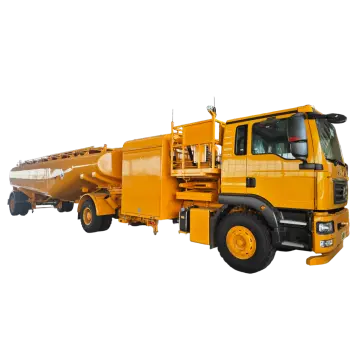
Includes chassis, tank, pumping, control systems, and pressure regulators.
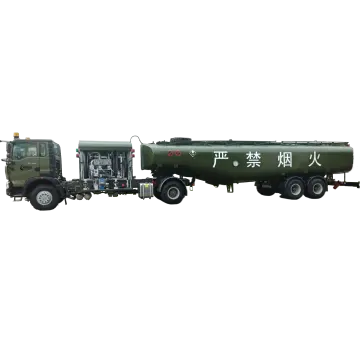
Heavy duty fuel transport with high-performance pumping controls.
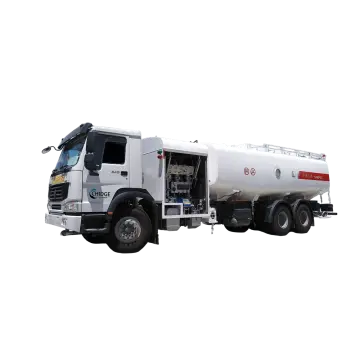
Equipped for filtration, metering, self-circulation, and safety valving.
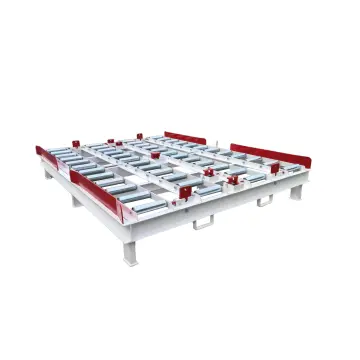
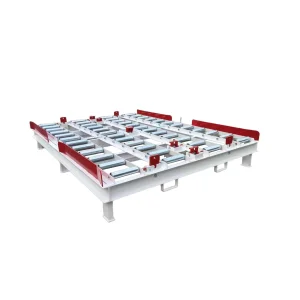
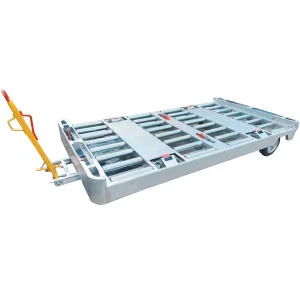
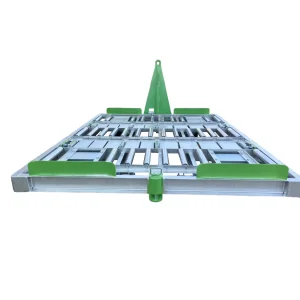
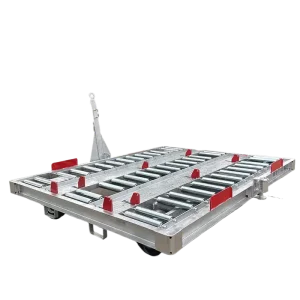
Optimized deck roller configurations for warehouse and ramp transfer.
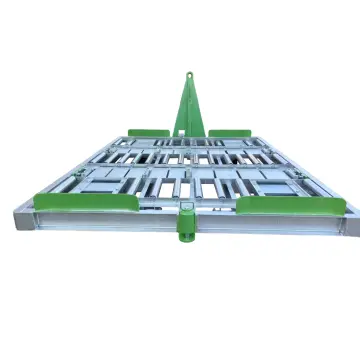
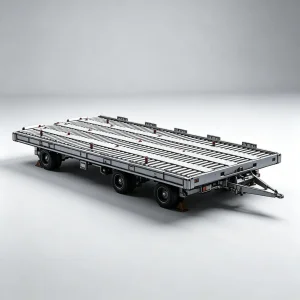
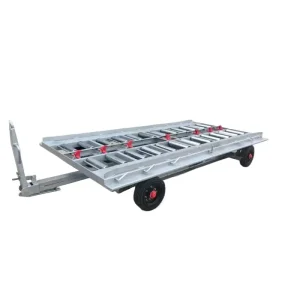
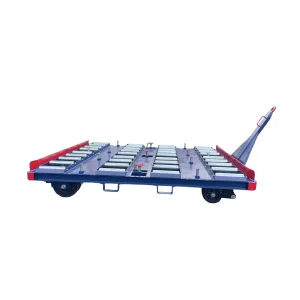
Reliable structure for long-distance air cargo operations.
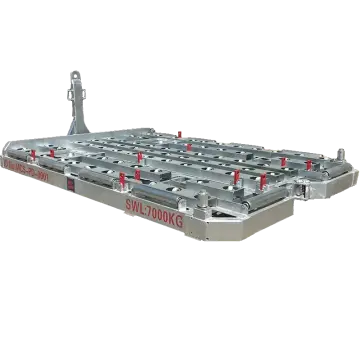
Omnidirectional roller design for rapid cargo adjustments.
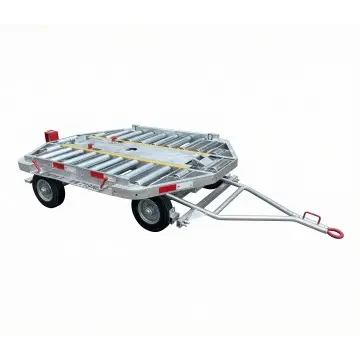
Engineered for high-turnover regional cargo terminal demands.
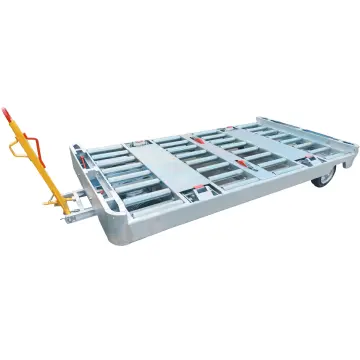
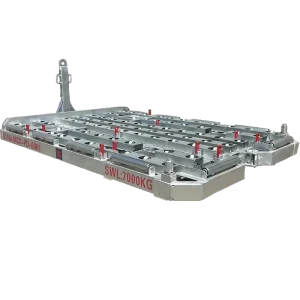
Strengthened steel frame with quick-locking mechanism.
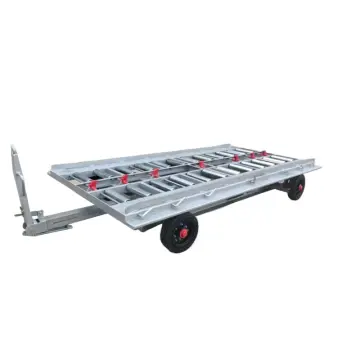
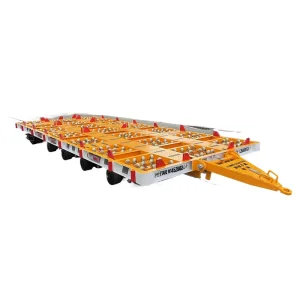
Engineered for wide-body unit load device (ULD) secure handling.
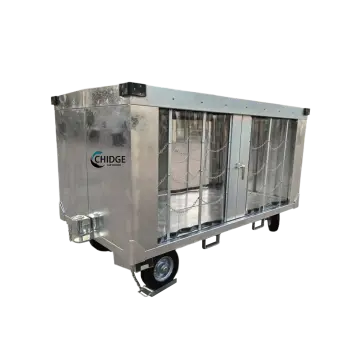
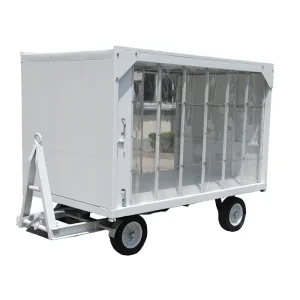
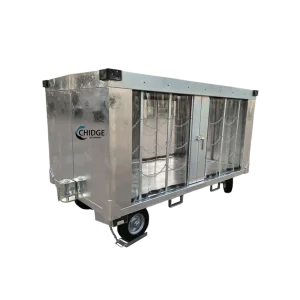
Fully enclosed structural shell to prevent luggage damage in bad weather.
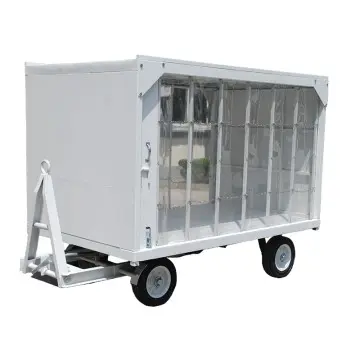
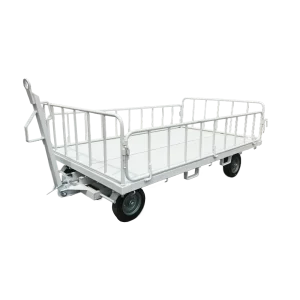
Reliable towing hitch and side shields for terminal runs.
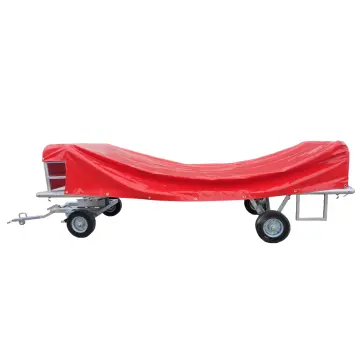
Robust chassis built for continuous manual and tug transport operations.
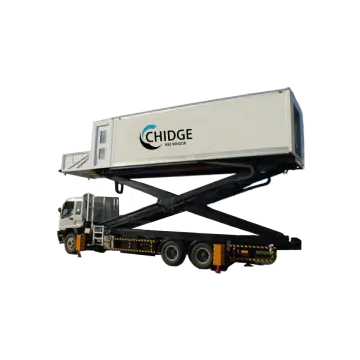
Scissor-lift mechanisms for precise cabin door matching.
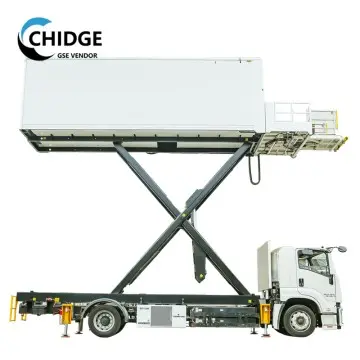
Eco-friendly platform designed for green airport fleets.
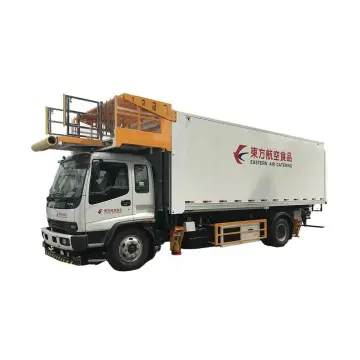
High capacity storage box with insulated environment control.
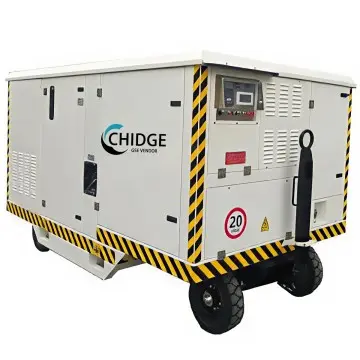
Delivers reliable hot air output for cabin preheating.
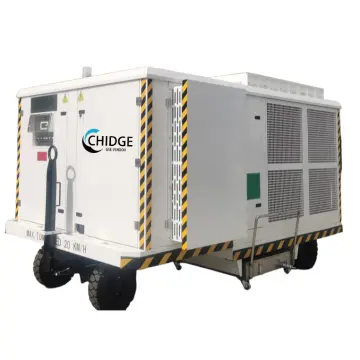
High pressure cooling airflow delivery for parked commercial aircraft.
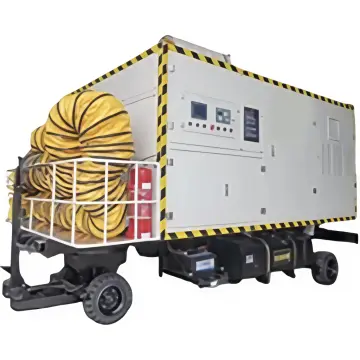
Portable ground heating solution for small and mid-range jets.
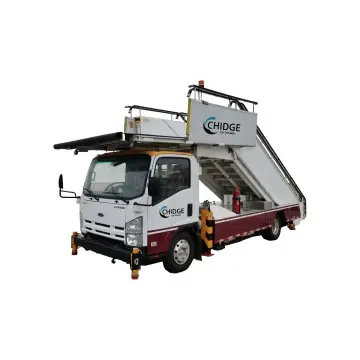
Electric self-propelled stairs for passenger boarding safety.

Diesel-powered option for remote airfield configurations.
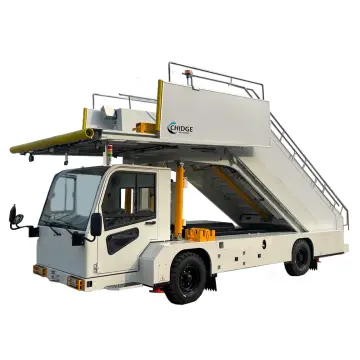
Advanced hydraulic height alignment controls.
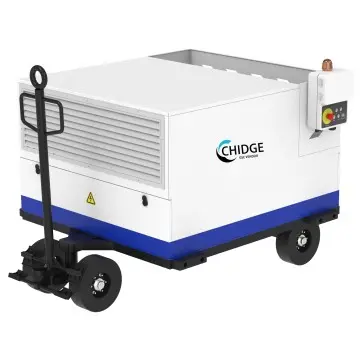
Zero emissions, battery-backed design for modern flight lines.
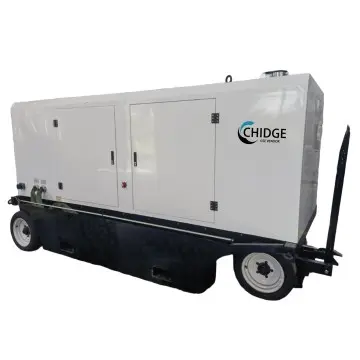
High efficiency solid state converter delivering steady 400Hz frequency.
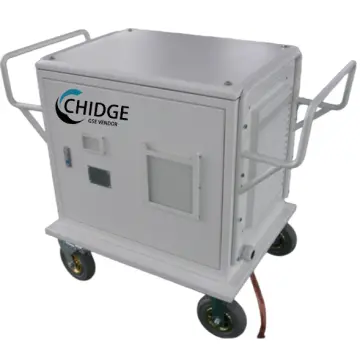
Stationary terminal installation unit supplying steady power distribution.
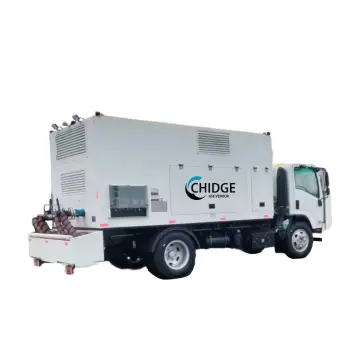
High pressure engine starting air output for wide body fleets.
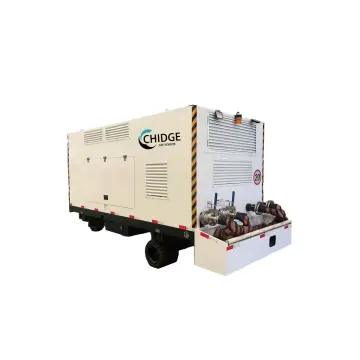
Delivers reliable starting air pressures for mid-range engines.
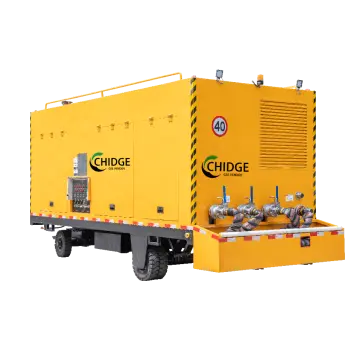
High displacement air volume output for wide body jet engines.
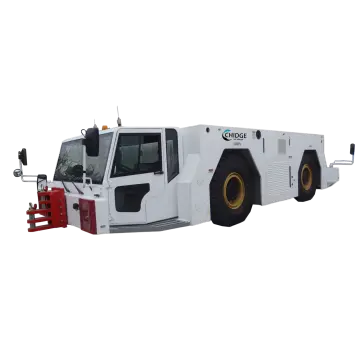
High drawbar pull rating designed for wide-body airliners pushback.
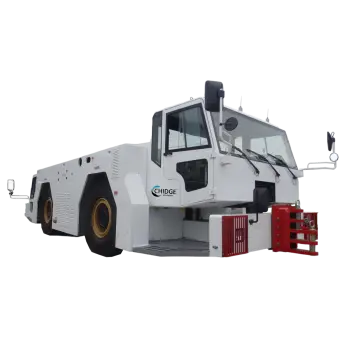
Balanced chassis weight distribution for reliable tire traction.
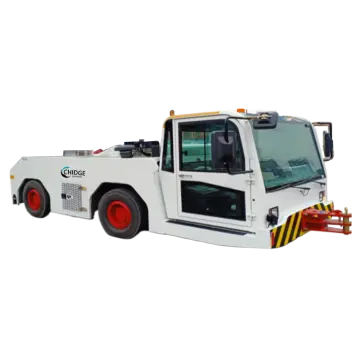
Compact footprint for narrow body gate taxiing maneuvers.
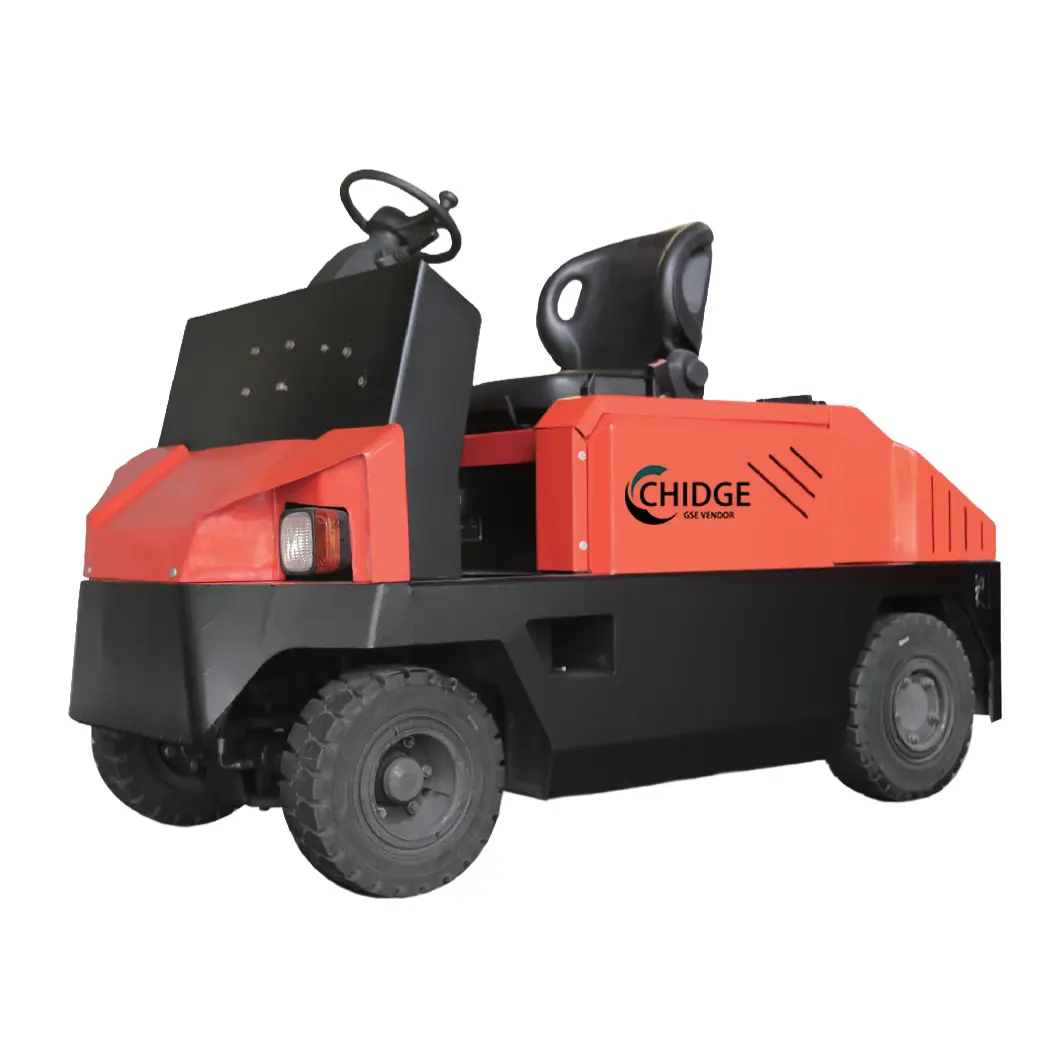
AC electric drive system with energy-recovery braking systems.
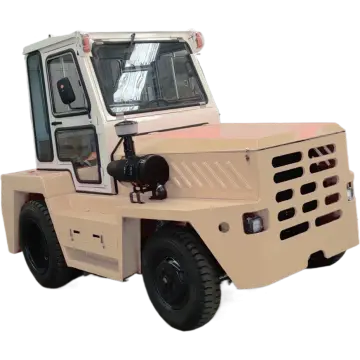
Heavy torque outputs designed for multi-dolly cargo trains.
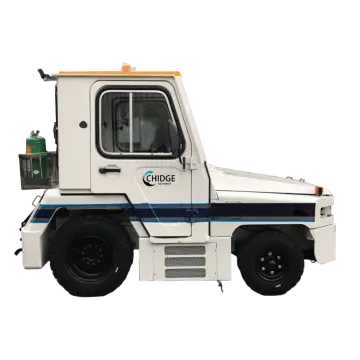
Clean power output with high drawbar pull parameters.
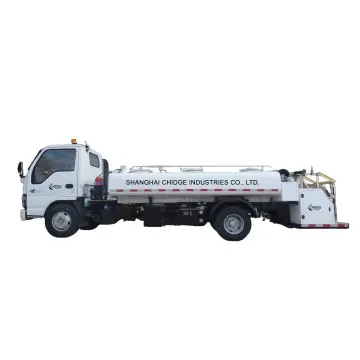
Corrosion resistant waste disposal plumbing and tank systems.
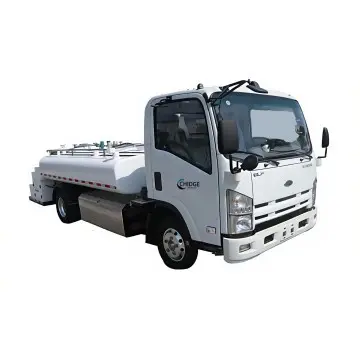
Stainless steel drinking water supply system built on an electric platform.
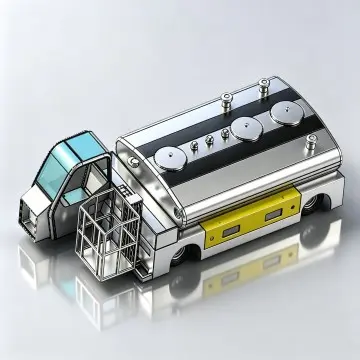
Zero emissions chassis with automated waste extraction controls.
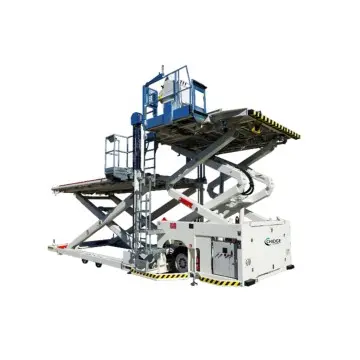
Double-platform system designed for medium lift demands.
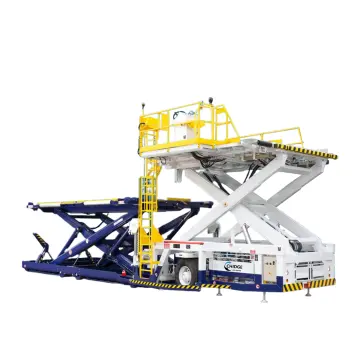
High capacity scissor lifts designed for heavy main deck loading.
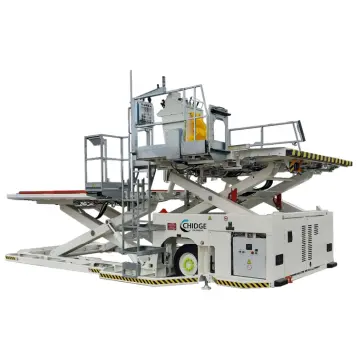
Adaptable hydraulic controls for quick lower lobe transfer alignment.
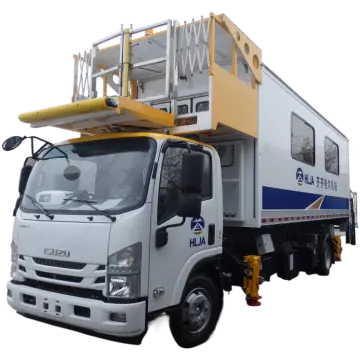
Secure medical transfer box with smooth hydraulic lift mechanisms.
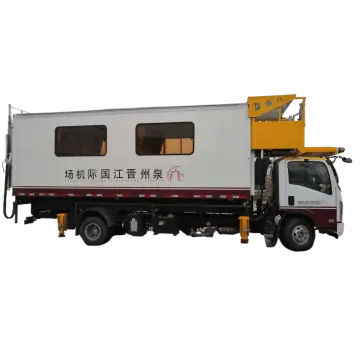
Provides safe and efficient aircraft boarding for passengers with reduced mobility (PRM).
We provide comprehensive design and production services tailored to your ground handling requirements. From component planning, CAD drawing, and elastomer compounding to electrical certification and final mechanical builds, we manage the complete manufacturing lifecycle.
Our goal is to support clients with custom parts and systems that improve durability, reduce maintenance downtime, and lower operating costs on airport ramps globally.
We work closely with clients to address environmental challenges like runway heat, low-temperature flexibility, chemical exposure, and mechanical stress on cabling and trailers.
Providing high-reliability products to airlines, ground handlers, and logistics providers globally.

Technical guidance and answers for procurement specialists and aviation engineering teams.
Explore our heavy-duty dollies and towing trailers designed for airport ramp cargo operations.
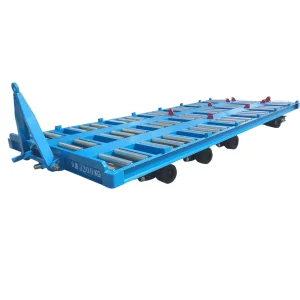
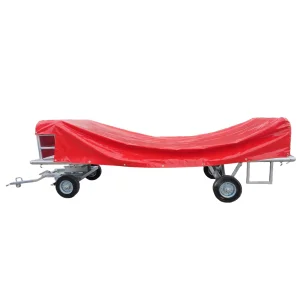
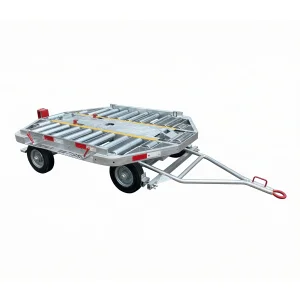
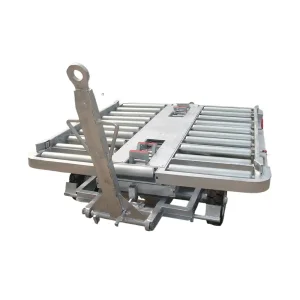
 Chidge Dolly