Direct supply from state-of-the-art facilities compliant with international aviation standards
Meeting the most stringent international standards for aviation ground support towing operations
A Comprehensive Engineering Analysis of China's Leading Manufacturing Standards for Towing Vehicles
Within the complex ecosystem of modern aviation ground support equipment (GSE), the term "Tow Truck" refers specifically to aircraft towing tractors, baggage towing tugs, and heavy-duty cargo haulage solutions. Unlike standard logistics towing equipment, aviation-grade tow trucks operate under stringent technical parameters designed to eliminate structural failure risks, reduce airport ramp hazards, and guarantee high availability. This white paper serves to analyze the structural, hydraulic, mechanical, and safety standards governed by modern Chinese factories, reflecting international compliance frameworks such as IATA AHM, ISO, CE, and CAAC regulations.
Modern airport operations necessitate diverse tow truck architectures. Depending on whether the unit is designated for pushback operations of a wide-body passenger aircraft (such as the Boeing 777 or Airbus A350) or for pulling high-frequency baggage trolley lines, different structural requirements apply:
The manufacturing capabilities of China’s leading GSE factories have undergone a technological revolution. By adopting Industry 4.0 paradigms, these manufacturing plants ensure product consistency and rapid delivery times:
First, robotic welding cells execute the assembly of heavy steel plate chassis, eliminating human error and ensuring complete weld penetration. This structure is critical to withstand the intense torsion and stress generated during aircraft pushbacks. Second, factories implement digital quality management systems (QMS), where every stage of assembly—from hydraulic valve integration to battery wiring—is logged and verified via automated test benches.
Moreover, the integration of tier-one global components (such as Deutz or Cummins engines, Dana transmissions, and Rexroth hydraulics) alongside localized premium components provides an optimal balance between structural longevity and cost efficiency. This robust supply chain resilience allows Chinese manufacturers to sustain reliable delivery schedules despite global market disruptions.
Aviation ground equipment must operate reliably under extreme weather conditions. Leading manufacturers optimize vehicles for varying climates:
Original product line specifications and heavy equipment variations
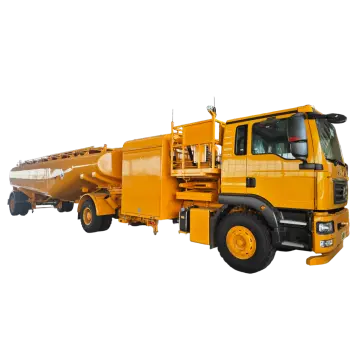
Consists of a chassis, oil tanks, pumping system, control system, and operating elements. Features filtering, metering, self-circulation, and pressure control.
View Specifications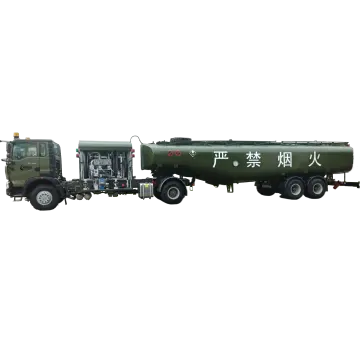
Heavy-duty airfield refueler designed for high-capacity transfer. Incorporates state-of-the-art filtration and safety interlocks.
View Specifications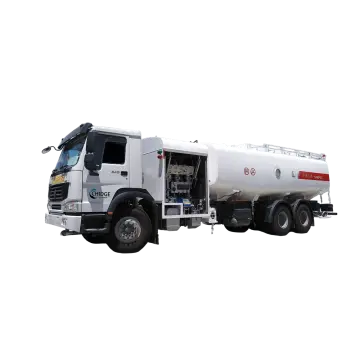
Engineered for high flow rate operations, providing safe and pressure-monitored refueling for wide-body commercial aircraft.
View Specifications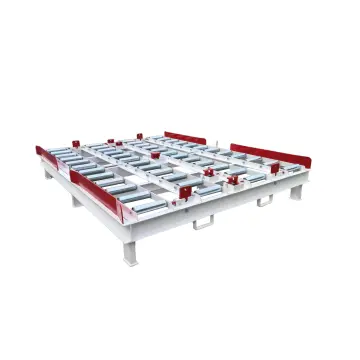
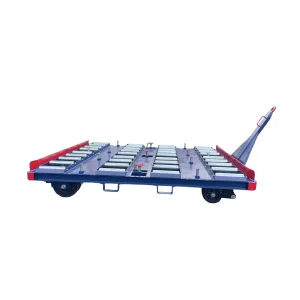
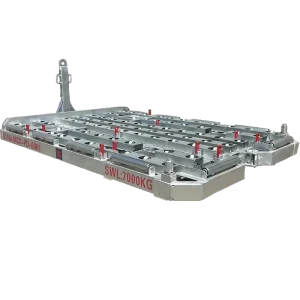
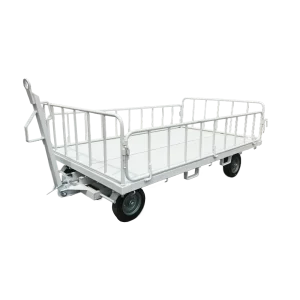
Optimized for terminal freight management, providing high-load capacity and smooth rolling resistance over airport aprons.
View Specifications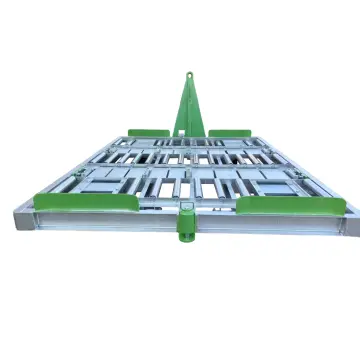
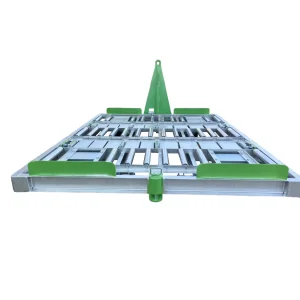
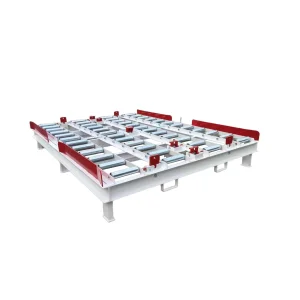
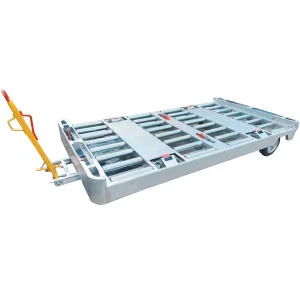
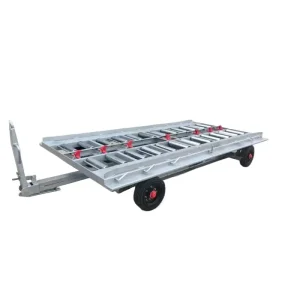
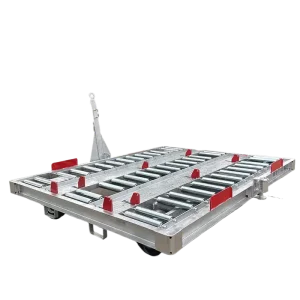
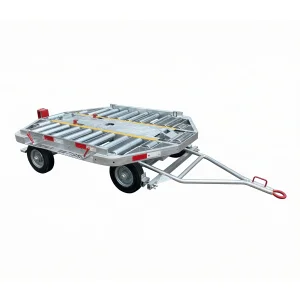
Features durable galvanized structural frame, multi-directional rollers, and highly reliable parking brake mechanism.
View Specifications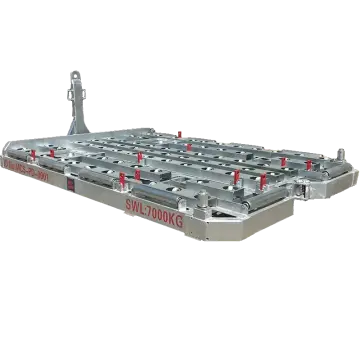
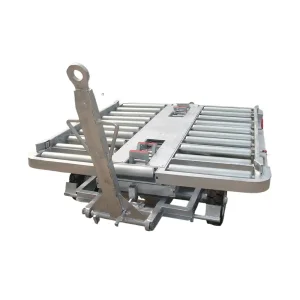
Designed for heavy cargo handling, offering 360-degree rotation of cargo units on a robust chassis.
View Specifications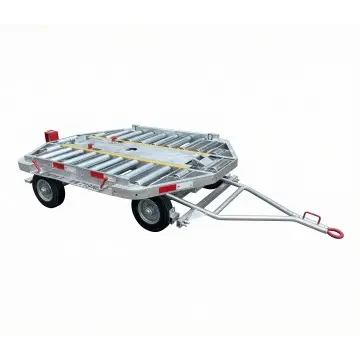
Sized specifically for standard LD3 aviation containers, featuring a low profile design and secure locking mechanism.
View Specifications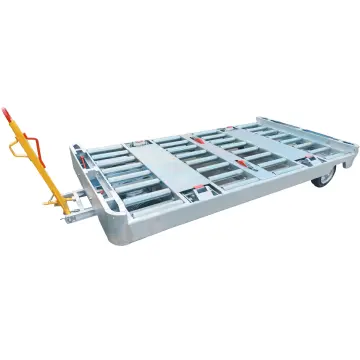
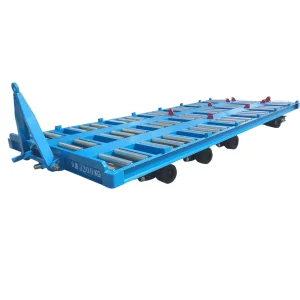
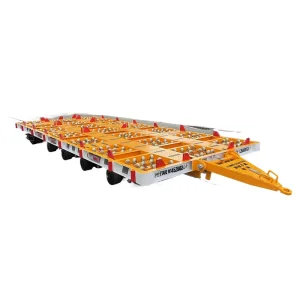
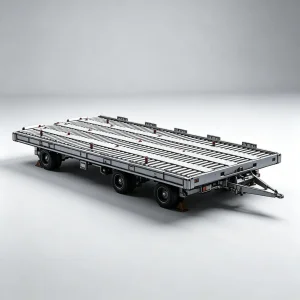
Heavy-duty frame capable of handling dynamic loading shocks during multi-container train towing.
View Specifications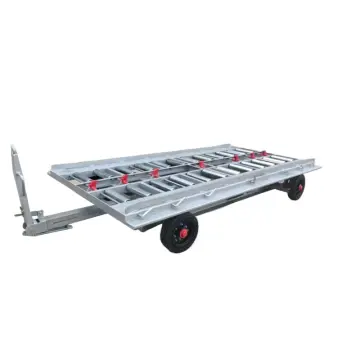
Custom sized and safety verified container dolly for wide-body freight unit load devices (ULDs).
View Specifications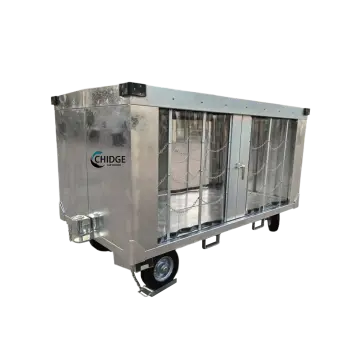
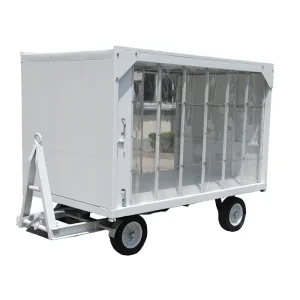
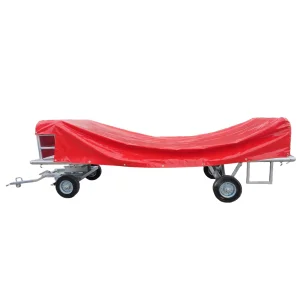
Engineered with protective side panels and weather-proof roof to protect passenger baggage during transport.
View Specifications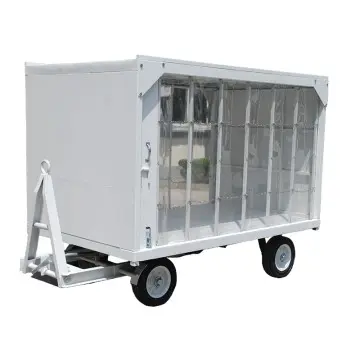
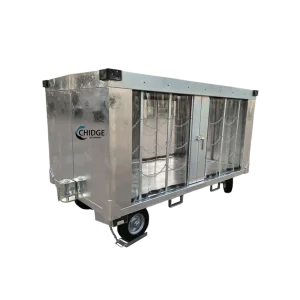
Rigid metal closure design ensuring absolute protection against environment and security threats.
View Specifications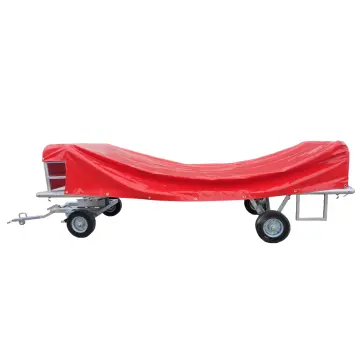
Lightweight and highly maneuverable design for terminal and high-density airport baggage handling.
View Specifications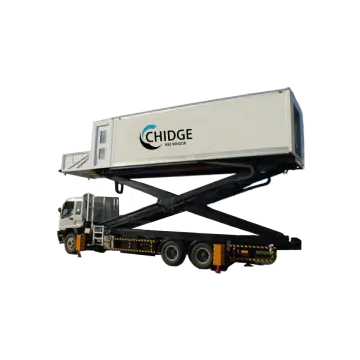
Self-propelled scissor-lift catering vehicle designed for safe cabin loading operations.
View Specifications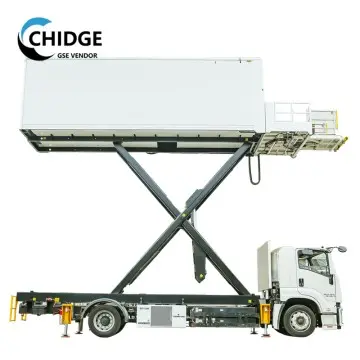
Pure electric green energy cabin service vehicle with dynamic leveling stability and safety features.
View Specifications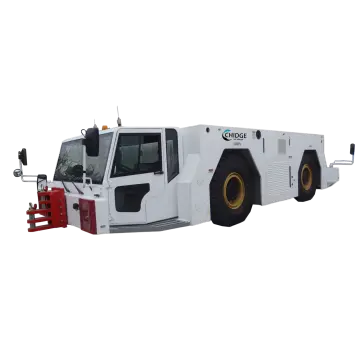
Heavy-duty pushback tractor capable of handling large-scale commercial airliners under all weather conditions.
View Specifications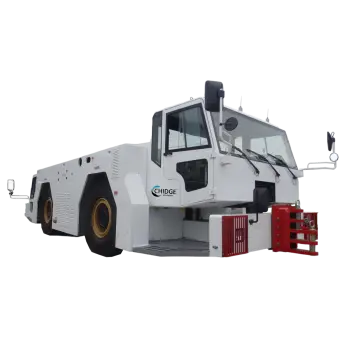
Medium-to-heavy aircraft pushback tractor with 4-wheel drive and multiple steering modes.
View Specifications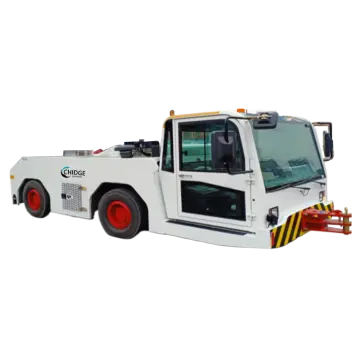
Optimized for narrow-body aircraft pushbacks and regional jet movements with excellent traction output.
View Specifications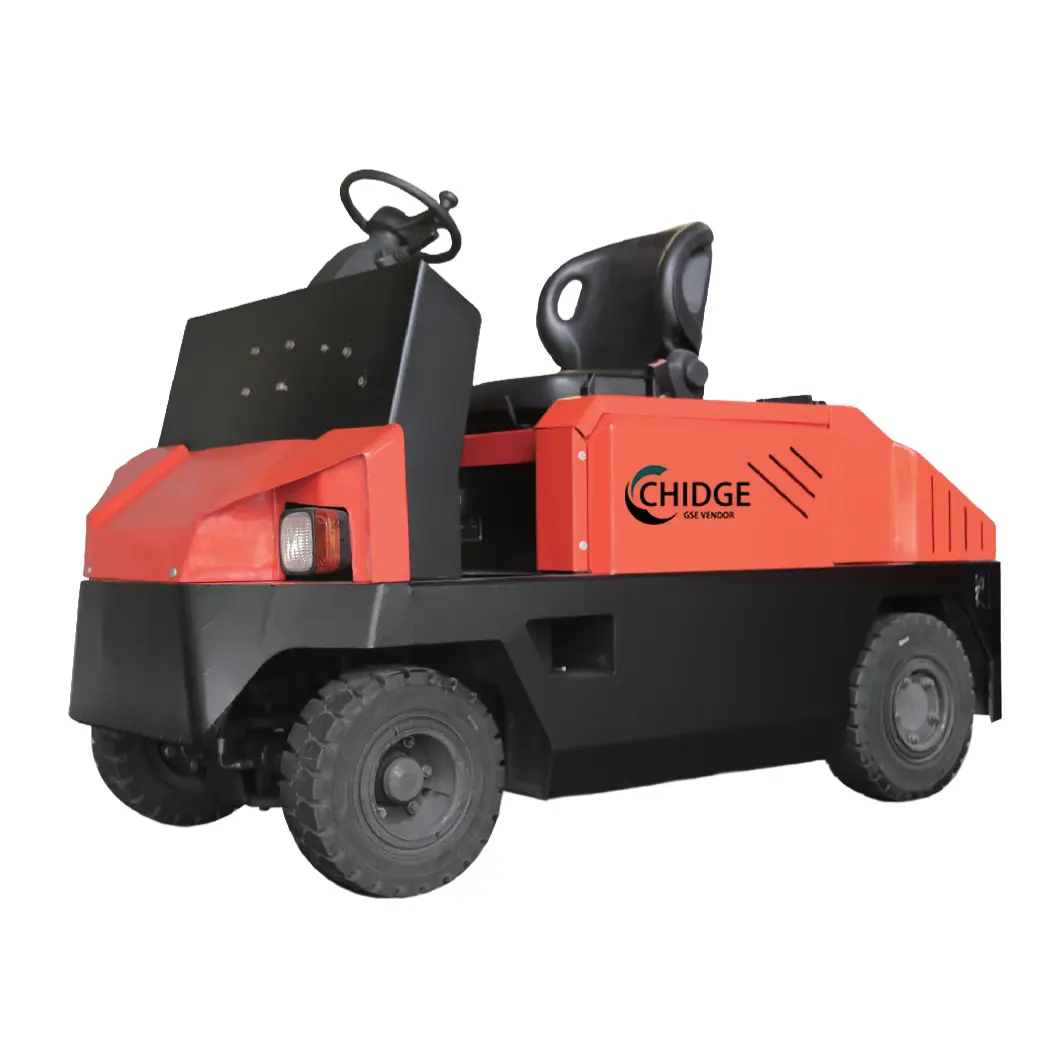
High-torque electric tug designed for cargo transit lines, featuring heavy duty battery endurance.
View Specifications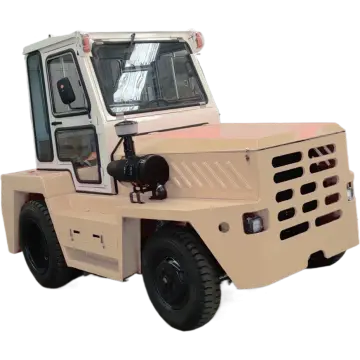
Extra heavy diesel tractor designed for large cargo hubs and heavy freight train pulling.
View Specifications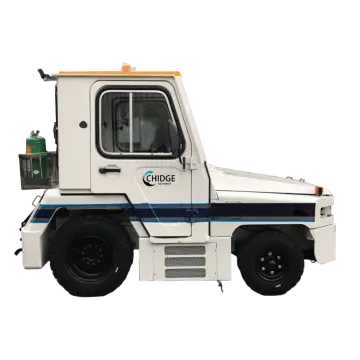
Zero-emission high-pulling capacity tractor designed for high duty cycle airport operations.
View SpecificationsThe ground support equipment market is evolving toward electrification, intelligence, and integration. Factories are actively investing in next-generation towing systems:
Procuring aviation ground support equipment from Chinese factories requires systematic evaluation criteria. The total cost of ownership (TCO) is a critical decision metric:
A smart purchasing strategy goes beyond the initial acquisition cost. It evaluates shipping safety, localized field commissioning, parts inventory setups, and structural longevity. Experienced factories offer customized manufacturing plans (OEM/ODM) to ensure local certifications (e.g., CAAC approvals for China, CE marking for Europe, UL compliance for North American electrical configurations) are met prior to dispatch.
Furthermore, maintaining reliable support after delivery is essential. Having spare parts hubs close to key transit regions reduces lead times for critical components (such as hydraulic valves, drive axles, and brake pads), helping to keep aircraft servicing assets running efficiently.
Uncompromising focus on technological innovation, manufacturing excellence, and responsive service support
Our company in the product design, research and development, the use of advanced science and technology and innovation capabilities in the production...
view more →High quality products meet the expected needs of users, and can stand out in similar competitive products, win market recognition and reputation...
view more →Our company's supply chain management, inventory control, logistics and transportation systems, as well as the ability to respond to emergencies...
view more →The quality after-sales service solves the problems encountered by customers in the process of use, enhances the trust and loyalty of customers, extends the...
view more →Collaborating with tier-one suppliers and international logistics service providers
Whether configuring specialized drawbar coupling adapters, customizing the paint scheme, or altering the hydraulic system dynamics to support specific environments, our manufacturing plants deliver customer-focused services.
From initial design calculations and finite element stress analysis to trial testing, manufacturing, and shipping packaging, our team is equipped to support your program from start to finish.
Stay informed with the latest engineering and regulatory developments in aviation ground support
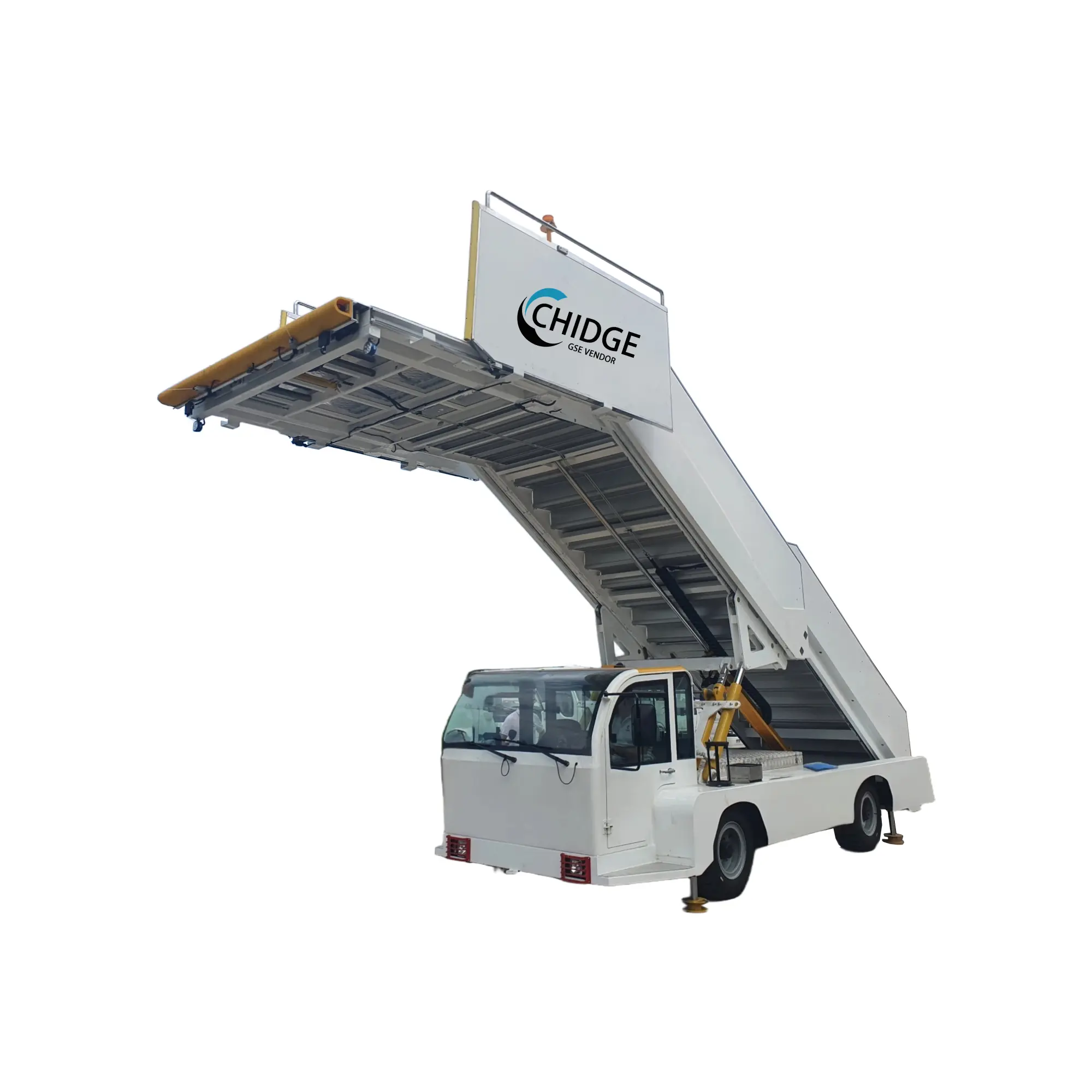
An in-depth look at mobile access steps, examining the structural requirements, hydraulic stabilizing systems, and safety features defined by current standards.
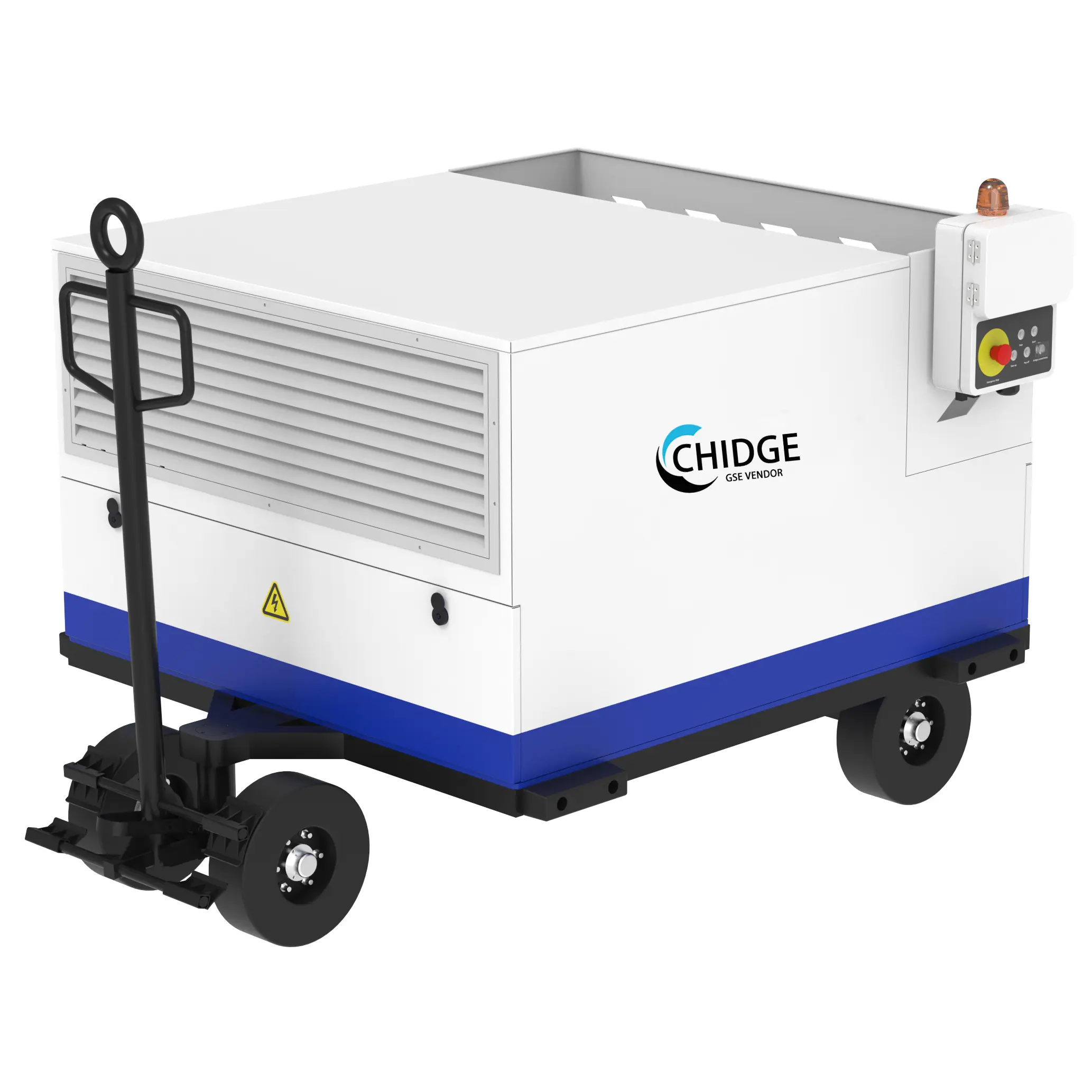
Analyzing the transition to solid-state battery cells in modern ground power units (GPUs) and how mobile energy storage reduces carbon footprints on the apron.
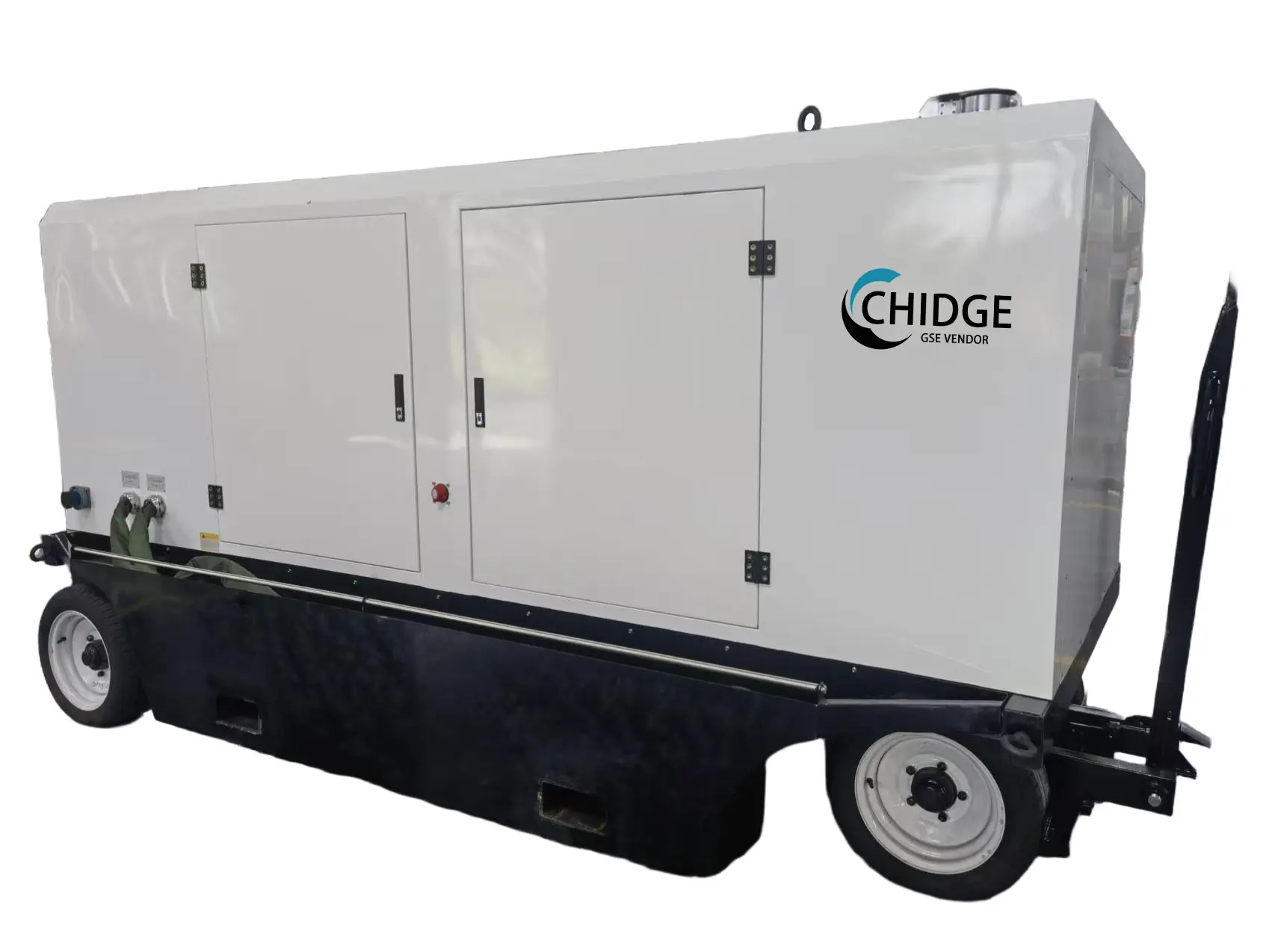
In the complex ecosystem of aviation operations, ensuring an aircraft is flight-ready involves a multitude of support systems. Among the most critical components is the Aircraft Ground Power Unit (GPU).
Direct technical answers addressing international engineering requirements and procurement standards
High-reliability logistics components designed for continuous airfield operations
 Chidge Dolly