Explore our leading line of high-performance container dollies and baggage systems engineered for modern airport logistics.
Standard Load Capacity
Design Life Cycle
IATA AHM Compliant
Countries Supplied
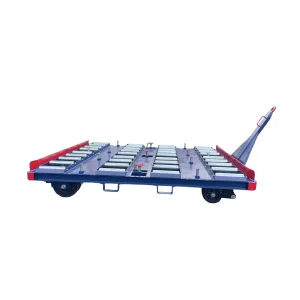
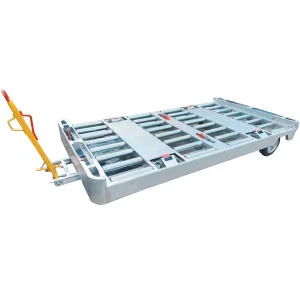
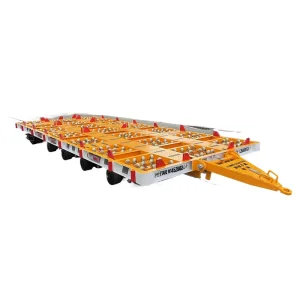
The Double LD3 Container Dolly represents the pinnacle of modern Ground Support Equipment (GSE), purposefully engineered to streamline the loading, unloading, and landside-to-airside transit of Unit Load Devices (ULDs). As airports handle ever-increasing cargo volumes spurred by global e-commerce and international trade, the requirement for robust, reliable, and highly maneuverable dollies has reached critical levels. Our double LD3 dolly is constructed using premium Q345B structural steel, providing a high strength-to-weight ratio that withstands severe operational stressors in high-intensity ramp environments.
"Structural resilience meets precision mechanical routing. Every dolly is galvanized to ISO 1461 standards, ensuring maximum corrosion resistance against jet fuel, salt air, and aggressive de-icing agents."
Global procurement teams face challenges when sourcing heavy-duty airport equipment. A Double LD3 Container Dolly represents a long-term capital asset, demanding strict scrutiny of Total Cost of Ownership (TCO), material supply chains, and manufacturer reliability. In today's dynamic market, airport ground handlers (such as Swissport, dnata, Menzies, and WFS) along with major air cargo carriers require manufacturers who can guarantee consistent build quality and long-term parts availability.
By shifting to advanced manufacturing plants in China, global buyers secure high-grade engineering at competitive price points. Standardizing procurement on high-durability Double LD3 configurations allows ramp operations to reduce their total fleet size by hauling two ULDs per dolly, directly lowering initial CAPEX and long-term maintenance costs. Procurement pipelines are optimized by establishing containerized shipping protocols that fit dismantled or semi-knocked-down (SKD) dollies cleanly into standard shipping containers, optimizing transoceanic logistics costs.
Modern airports are transforming into highly automated logistics ecosystems. In this macro-level shift, the humble container dolly is no longer just a passive piece of iron; it is a critical node in the digitised airside tracking network. Modern hub operations demand integrated solutions that minimize aircraft ground time while maximizing ramp safety.
Our macro solutions integrate active tracking options, such as ruggedized RFID tags, Bluetooth Low Energy (BLE) beacons, and GPS telematics modules. These systems allow cargo hubs to monitor dolly utilization rates, pinpoint geographic locations on the apron, and run predictive maintenance algorithms based on actual distance towed. This prevents bottleneck creation at sorting terminals and ensures GSE fleets remain active where flight loads are heaviest.
The ground support equipment market is evolving toward electrification, automation, and deep sensor integration. Our technology roadmap details how we are transforming traditional airport dollies into smart cargo handling systems:
Aviation safety is non-negotiable. Every Double LD3 Container Dolly manufactured in our factories complies strictly with international aerospace standards. We recognize that equipment operating near multi-million dollar aircraft must meet exacting tolerances to avoid expensive skin strikes and cargo loading delays.
Why leading airports and global logistics providers partner with us for their ground support machinery.
Our company utilizes state-of-the-art simulation software and robotic welding lines to ensure precision assembly and structural integrity across all production batches.
High-quality products meet the expected needs of users, standing out in competitive international tenders and earning long-term market recognition.
Our optimized supply chain, raw material reserves, and strategic shipping network guarantee timely delivery even during global shipping disruptions.
Professional technical support team resolves on-site concerns, provides detailed spare parts manuals, and conducts maintenance training globally.
Whether you require minor adaptations to brake handle positions or a complete clean-sheet design for specialized container sizes, our engineering department delivers. We adhere to a customer-centric model from initial product planning and structural finite element analysis (FEA), through prototype fabrication and field testing, to delivery of fully certified operational equipment.
We assist customers in achieving rapid market entry, lowering localized manufacturing costs, and increasing equipment durability across severe climatic zones.
Supplying various aviation ground equipment to flight terminals, military organizations, and private logistics networks.
Customizing dolly dimensions, load capacities, and wheel specifications for specific ramp configurations.
Wide product coverage spanning from basic luggage carts to complex computerized PCA systems and refueling trucks.
Beyond our premier dollies, we manufacture a comprehensive suite of GSE designed to cover all ramp service and aircraft preparation tasks.
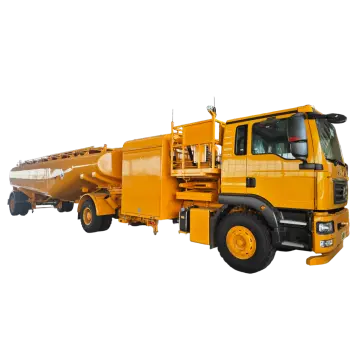
Consists of chassis, oil tanks, pumping system, control system, and operating panel, with functions such as filtration, metering, refueling, self-circulation, and pressure control.
View Details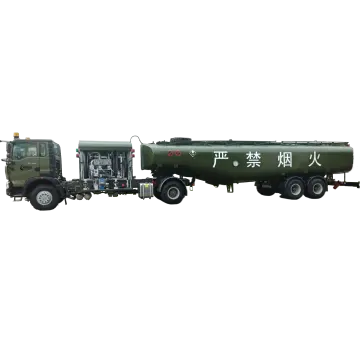
High-capacity aircraft tank refueling truck with multi-channel filtering systems, integrated electronic metering, and high-efficiency pressure control units.
View Details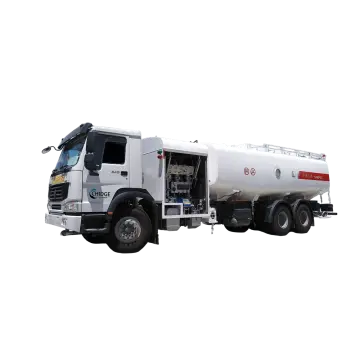
Standard operating fuel truck configurations featuring heavy duty safety bypasses, ground-tether grounding lines, and high flow pumping components.
View Details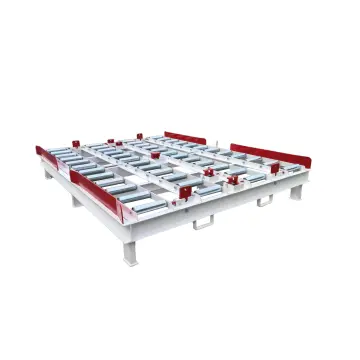
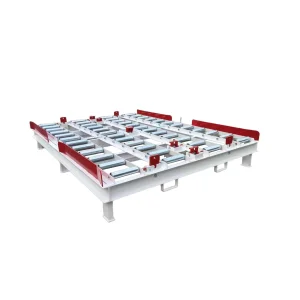
Precision slave pallet dollies equipped with multi-directional casters for swift positioning inside warehouse transfer routes.
View Details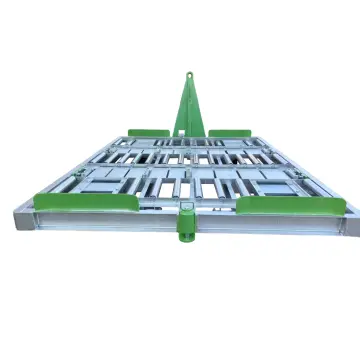
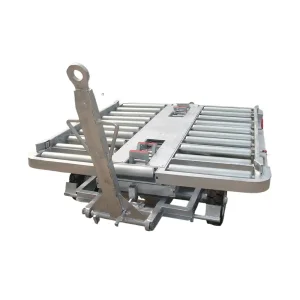
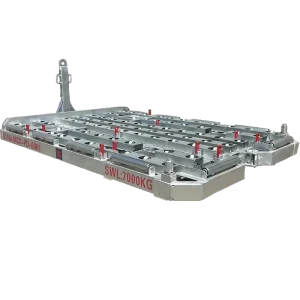
Designed for large ULD cargo pallets, featuring dual towing capabilities and reinforced steel configurations for high-frequency use.
View Details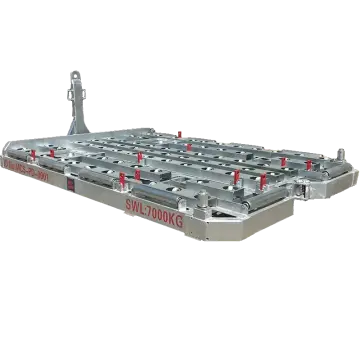
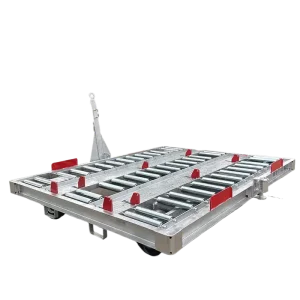
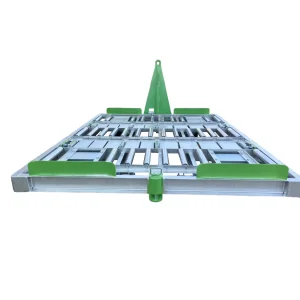
Heavy-load castle-style pallet transport solution with multi-directional positioning locks and enhanced corner bumper plates.
View DetailsFrom cargo loaders and passenger boarding systems to power generation equipment, we maintain absolute quality control across all divisions.
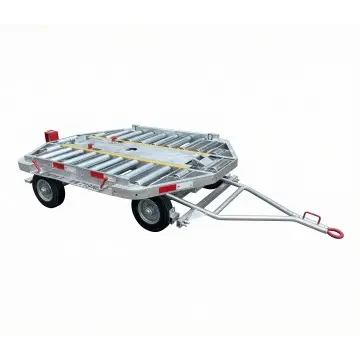
Next-generation single LD3 container dolly optimized for high speed tarmac tracking and tight terminal spaces.
Learn More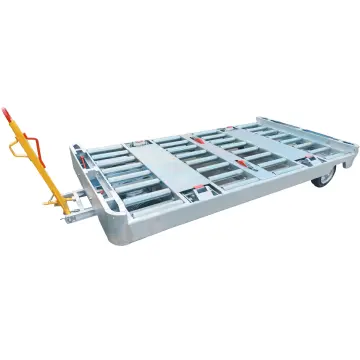
Heavy-duty container transport configuration suitable for both general military and commercial aviation logistics.
Learn More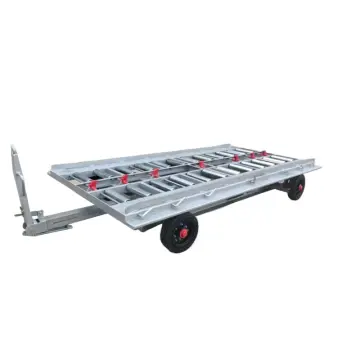
Optimized width dolly built explicitly to transport large format LD6 cargo containers safely under high load conditions.
Learn More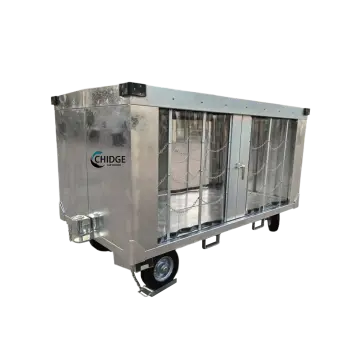
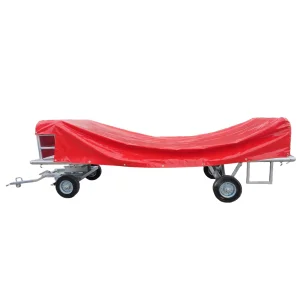
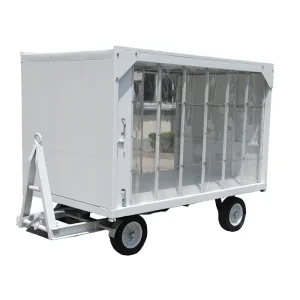
Equipped with heavy duty weatherproof canvas and security side latches to protect passenger luggage in storm conditions.
Learn More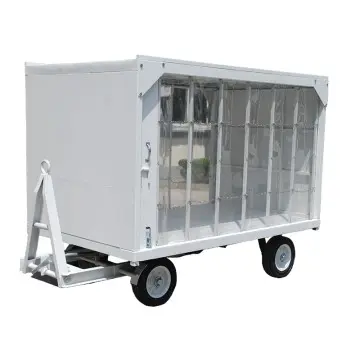
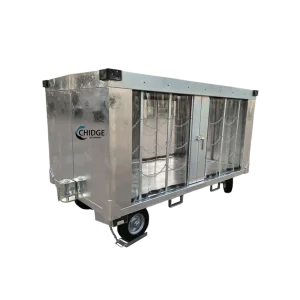
Fully enclosed solid-wall baggage carts with double side doors, providing maximum protection and security.
Learn More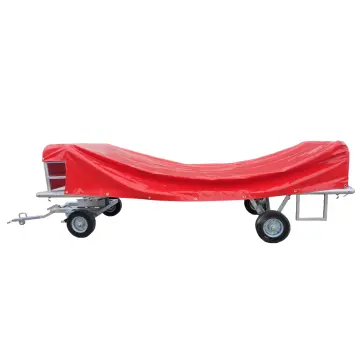
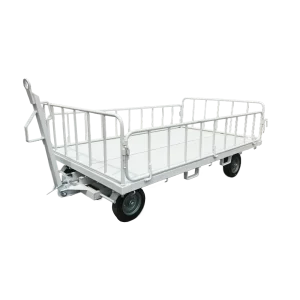
Lightweight and durable passenger luggage handling trolley featuring auto-braking handles and nesting capability.
Learn MoreDiscover our complex ground equipment designed to supply power, pneumatic air, catering logistics, and safe passenger transfer.
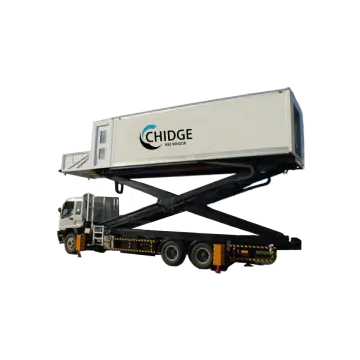
Precision hydraulic scissor lift truck designed for fast galley replenishment on mid-to-large body aircraft.
Explore Specs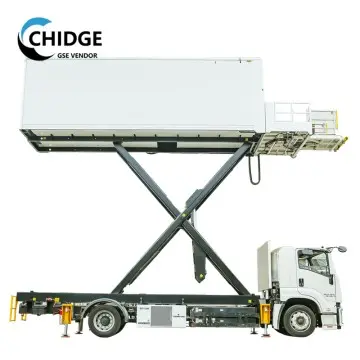
Zero-emission, battery-powered catering vehicle built to conform to the green airport initiatives of the future.
Explore Specs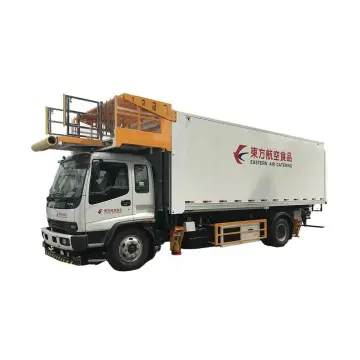
Reliable diesel engine platform with insulated refrigeration compartment and custom bumper interface pads.
Explore Specs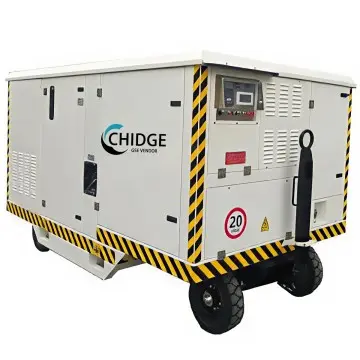
High-volume heater delivering clean warm air to aircraft cabins during cold-weather boarding gates.
Explore Specs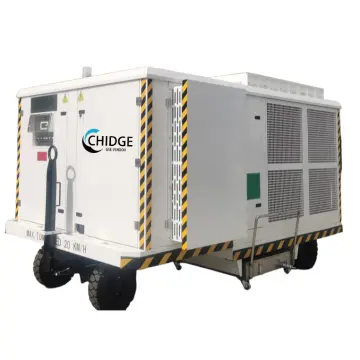
Pre-conditioned air unit designed to maintain internal aircraft cabins at ideal comfort temperatures during layovers.
Explore Specs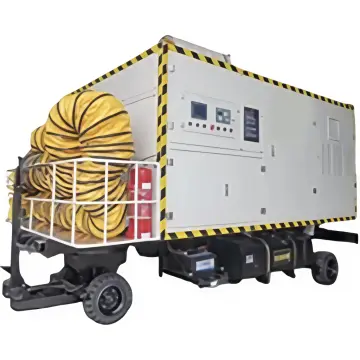
Compact, towable cabin heater with high thermal efficiency and integrated automatic flame shutoff protection.
Explore Specs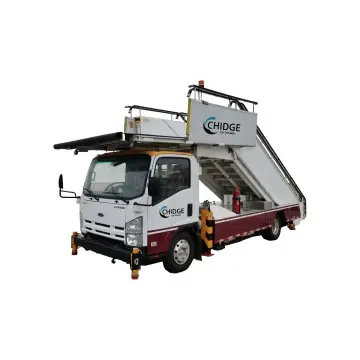
Electric self-propelled stairs with safety sensors, slip-resistant steps, and automatic alignment systems.
Explore Specs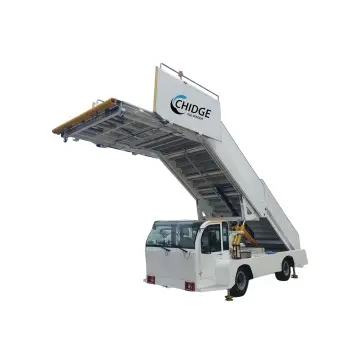
Diesel drive passenger stairs featuring wide access platforms, adjustable heights, and LED flightpath lighting.
Explore Specs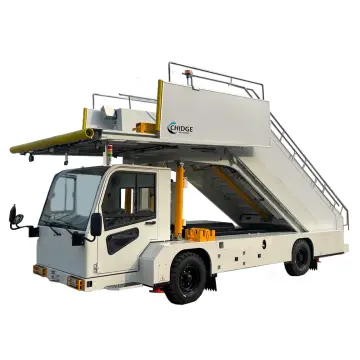
High-reach passenger boarding stairs built to service wide-body aircraft configurations with wind-load stability systems.
Explore Specs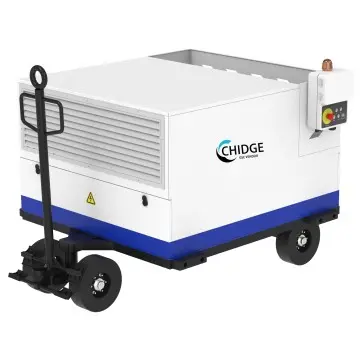
Next-generation mobile battery storage unit offering high-capacity ground power without diesel fuel emissions.
Explore Specs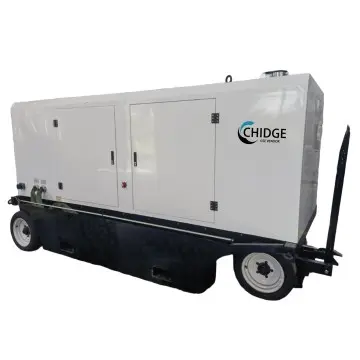
Solid-state 90KVA frequency converter unit outputting standard 400Hz electricity for parked aircraft.
Explore Specs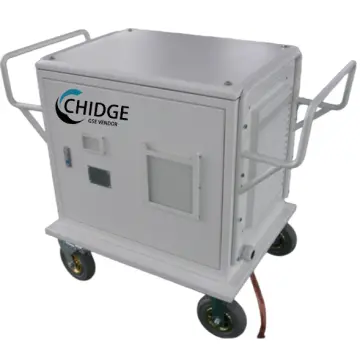
High-stability apron mounting static converters designed to supply power directly from the airport terminal grid.
Explore Specs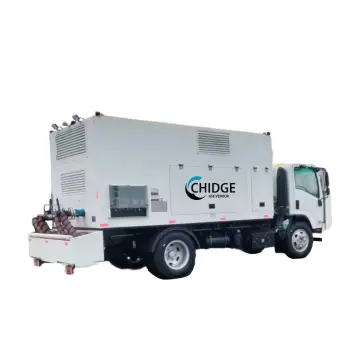
Pneumatic engine start unit mounted on a durable truck chassis to provide clean high-pressure air directly to jet engines.
Explore Specs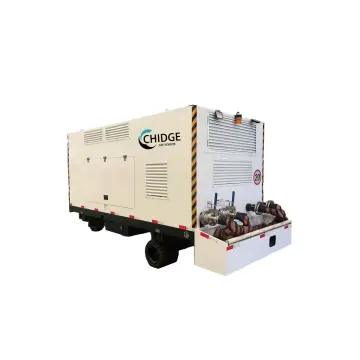
High-performance towable pneumatic starter unit designed for medium range single-aisle aircraft.
Explore Specs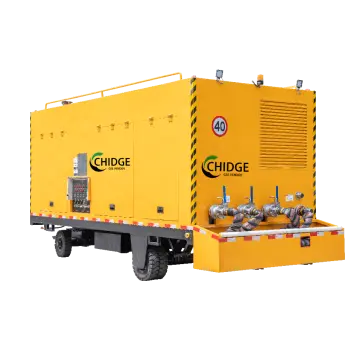
Industrial-grade air starter unit providing massive pneumatic flows for wide-body international aircraft models.
Explore Specs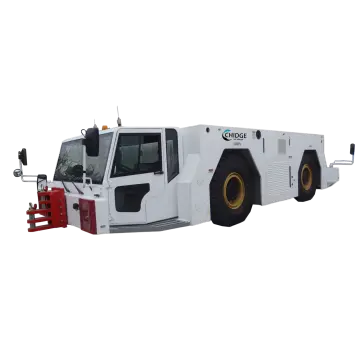
Heavy pushback tractor engineered with high-drawbar pull to maneuver large aircraft safely across congested taxiways.
Explore Specs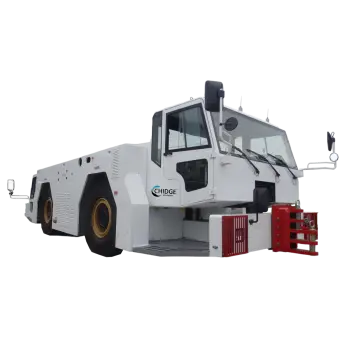
Mid-size aircraft tractor designed with four-wheel crab steering for precise positioning inside hangar environments.
Explore Specs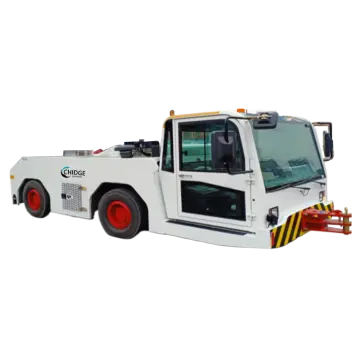
Compact pushback tractor offering high visibility cabs and hydraulic nose wheel lift interfaces.
Explore Specs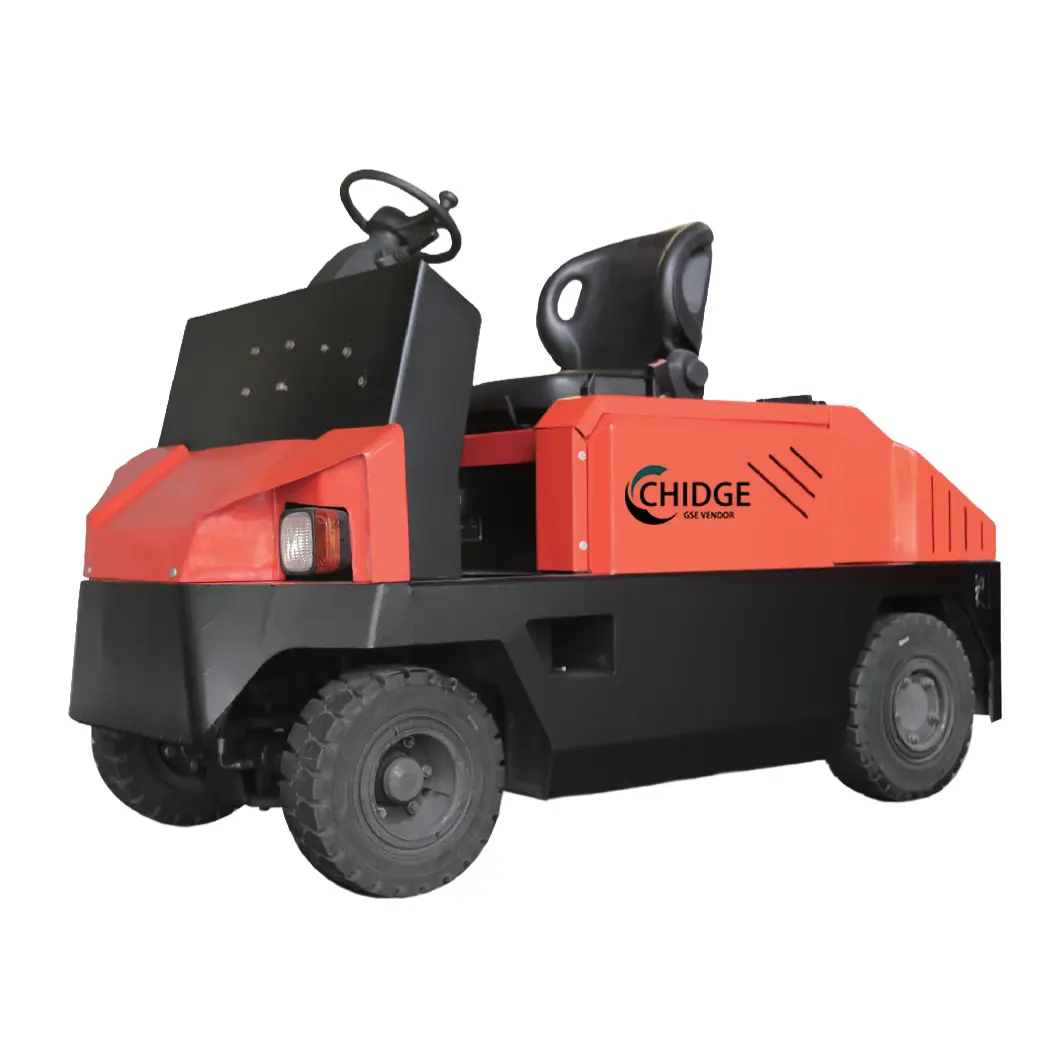
High-torque electric baggage tractor featuring maintenance-free AC motors and ergonomic driver controls.
Explore Specs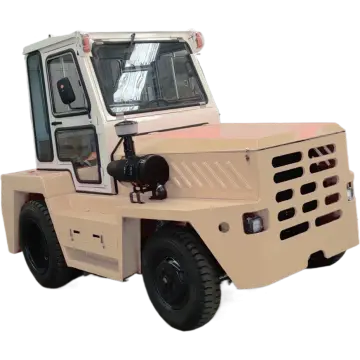
Heavy-haul diesel tractor engineered for towing long cargo trains across expansive airport aprons.
Explore Specs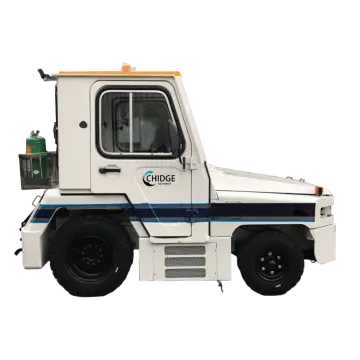
Enhanced range electric towing tractor with high capacity lithium battery packs and rapid charging systems.
Explore Specs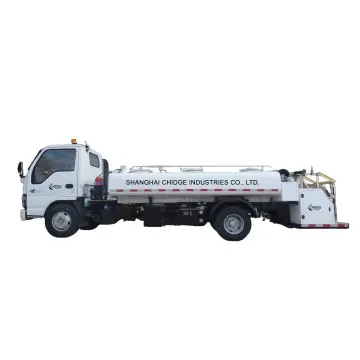
Heavy-duty lavatory waste disposal truck equipped with chemical flushing pumps and vacuum extraction pipes.
Explore Specs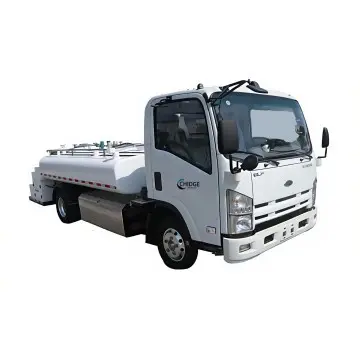
All-electric aircraft lavatory servicing vehicle utilizing durable non-corrosive stainless steel holding tanks.
Explore Specs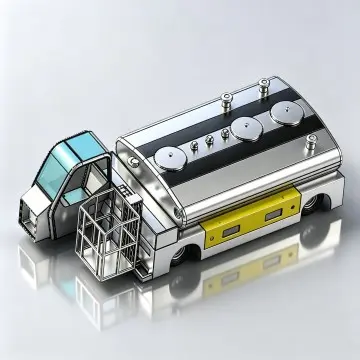
Advanced electric chassis combining toilet servicing and clean water supply components on a single wheelbase.
Explore Specs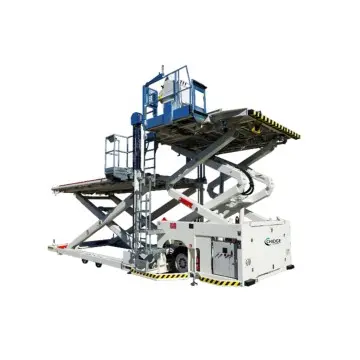
Hydraulic platform cargo loader designed to hoist large ULD pallets up to aircraft main deck doors.
Explore Specs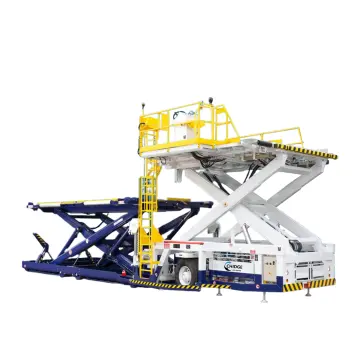
Heavy-lift cargo loader designed to service commercial and military logistics freighters under extreme turn times.
Explore Specs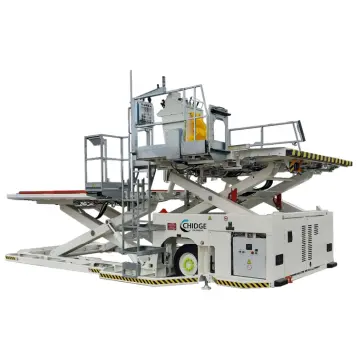
Standard main deck and lower lobe container loader featuring optical sensors for alignment with aircraft cargo bays.
Explore Specs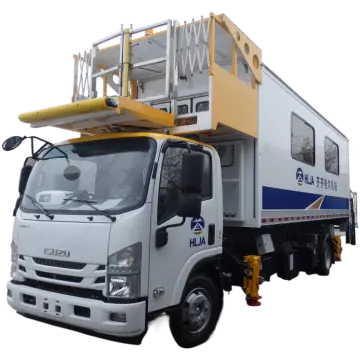
Specialized hydraulic lift cabin designed to board passengers with reduced mobility safely and comfortably.
Explore Specs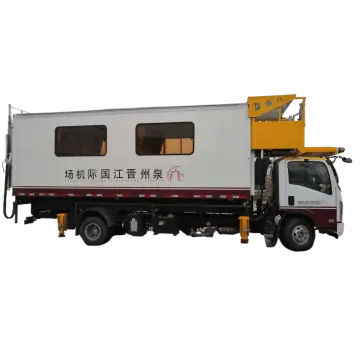
Reliable airport medical lift vehicle featuring spacious interior and automatic safety locking stabilizers.
Explore SpecsOur mission is to make their choices firm and correct, to create greater value for customers and to realize their own value.
Ensuring quality and delivery, paying attention to customers, honest and trustworthy, win-win cooperation and common development.
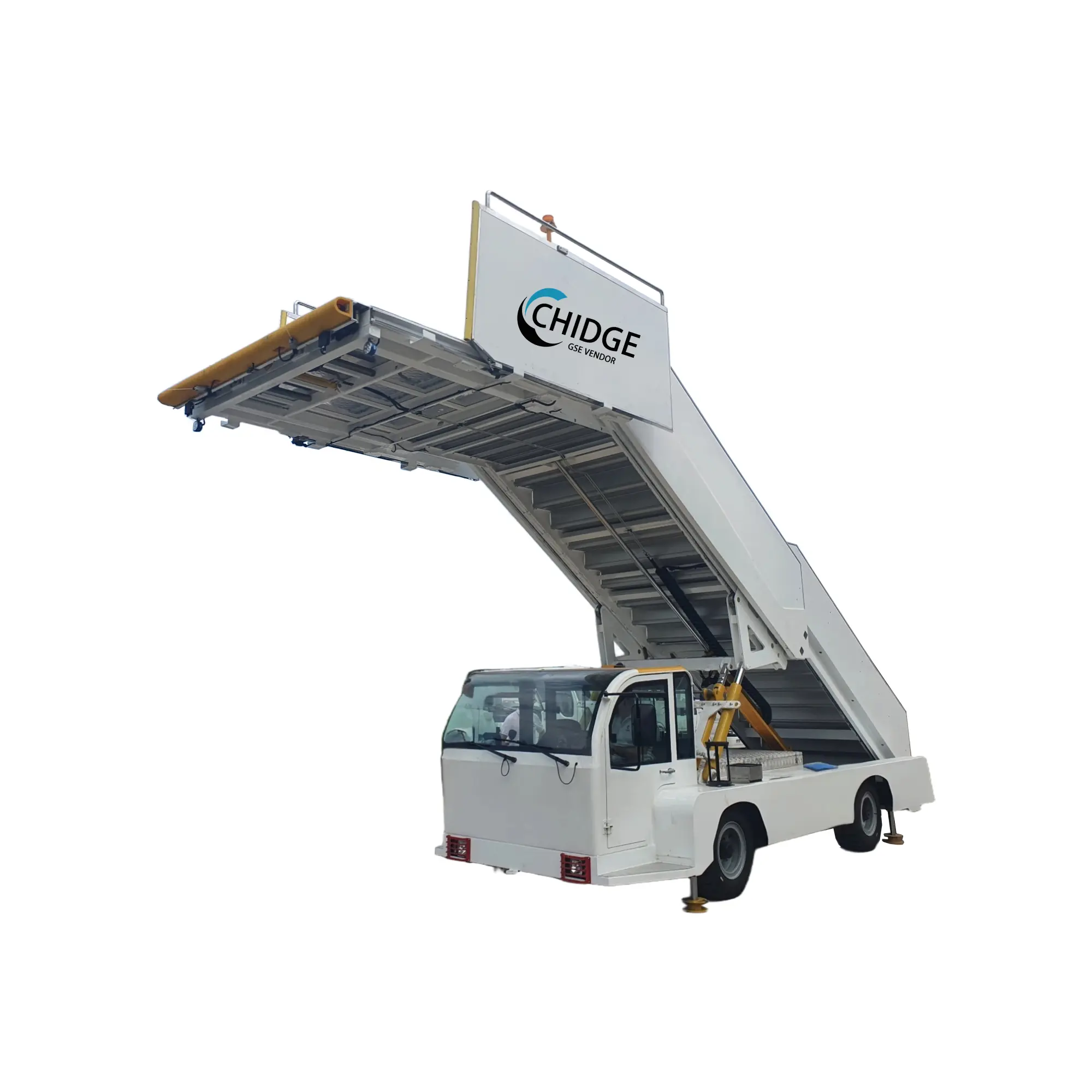
Explore the technical components, hydraulic leveling systems, and safety standards that govern how passenger boarding stairs interface with modern commercial aircraft cabins.
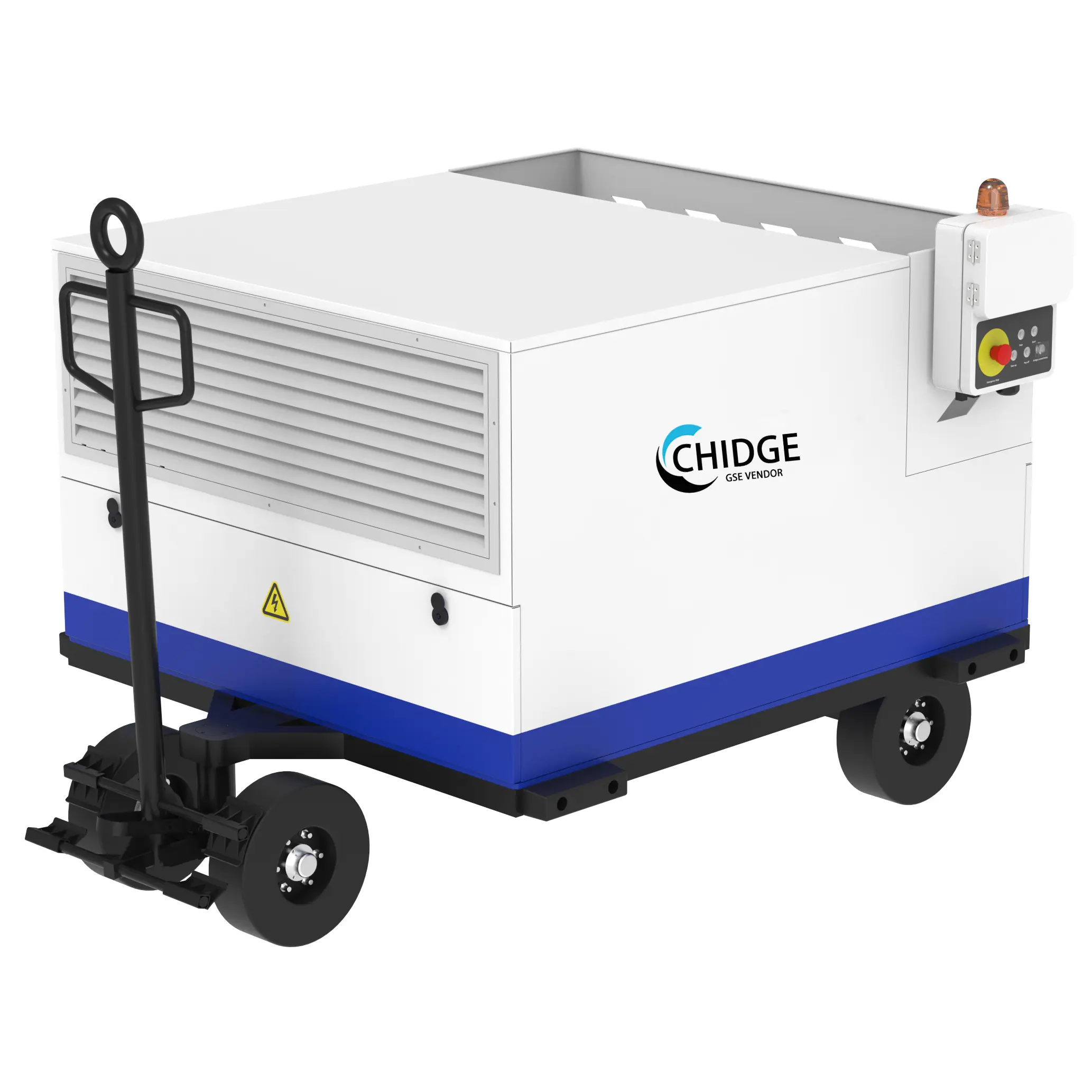
Analyzing the rise of battery energy storage systems (BESS) as mobile ground power units, helping global hubs meet target net-zero airport emissions goals.
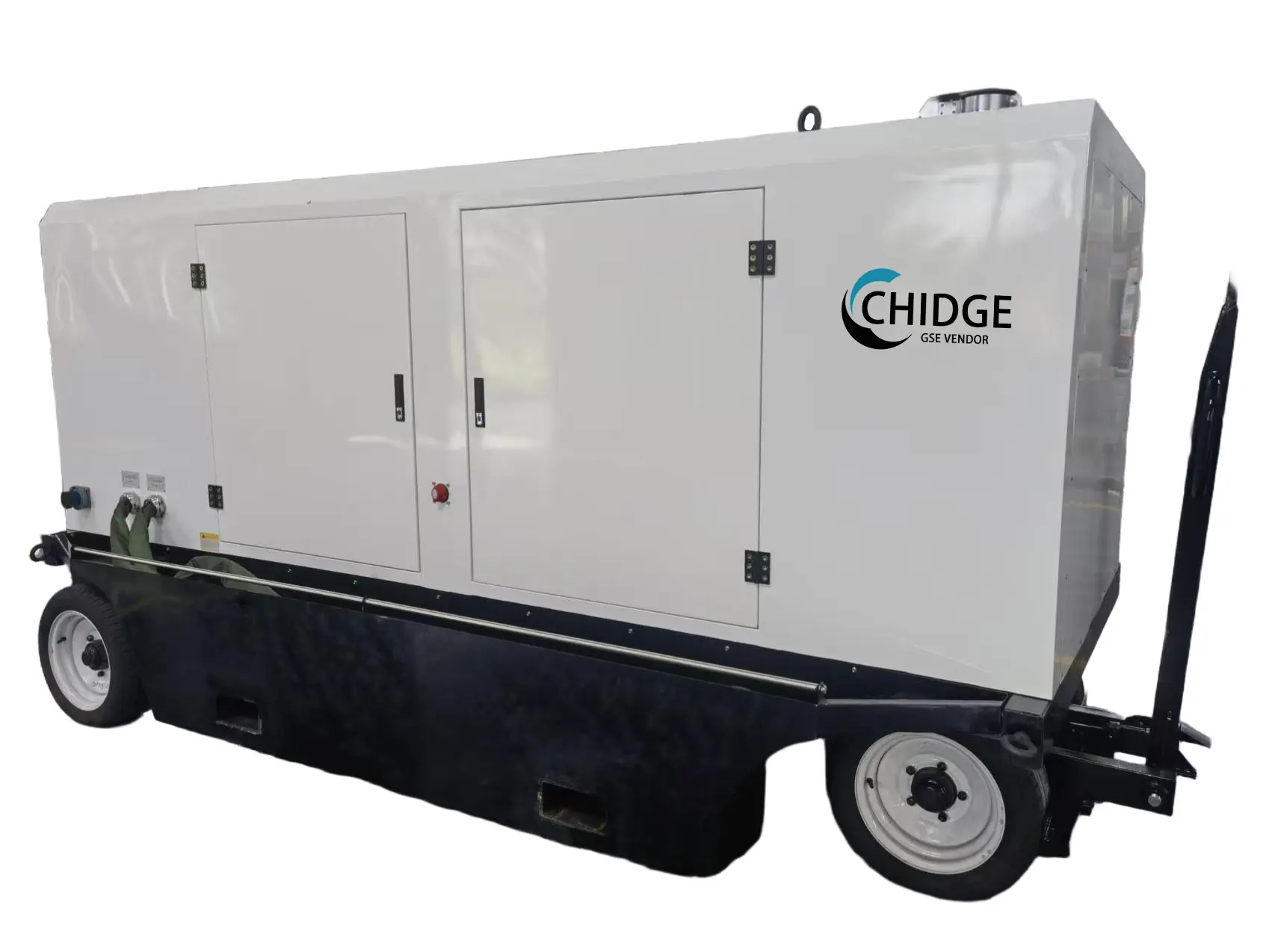
In the complex ecosystem of aviation operations, ensuring an aircraft is flight-ready involves a multitude of support systems. Among the most critical components is the Aircraft Ground Power Unit (GPU)...
Get professional answers about technical specifications, ordering procedures, and operating standards for Double LD3 container dollies.
Procure directly from China's premier manufacturer. We provide factory-direct pricing, custom modifications, and global logistics support.
 Chidge Dolly