Explore our foundational range of airport dolly structures and heavy transport flatbeds, serving international carriers and heavy cargo networks.
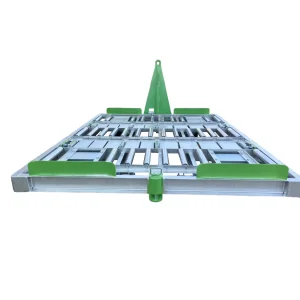
High-strength structure engineered for daily cargo runs and heavy airport ramp usage. Ensures smooth containerized freight movements.
View Specifications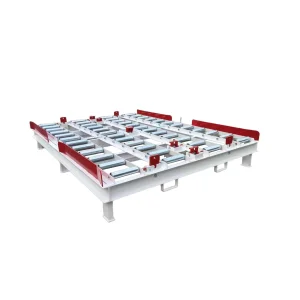
Optimized secondary transfer flatbed with multidirectional roller design. Perfect for standard cargo terminals and sorting bays.
View Specifications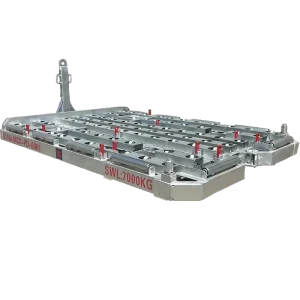
Heavy duty 7-ton capacity configuration featuring castle style load-securing tabs for safe transport over uneven tarmac terrain.
View Specifications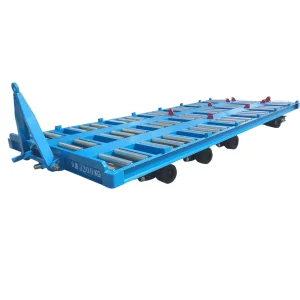
Massive 18-ton load configuration designed for 20-foot air cargo containers. Built with dual axle steering assemblies.
View Specifications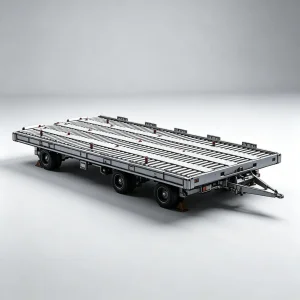
Ultra-heavy cargo platform designed for military, aerospace, and specialized industrial wide-body shipping containers.
View Specifications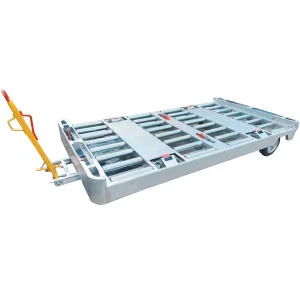
Engineered for intermodal cargo container transport with reinforced structural beams and high-durability solid rubber tires.
View Specifications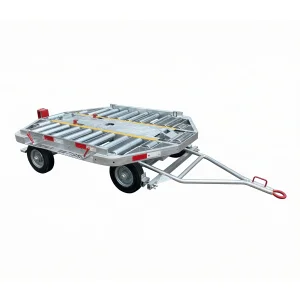
Tailor-made for narrow-body and wide-body LD3 airline containers. Features a low profile deck and quick-locking boundary locks.
View Specifications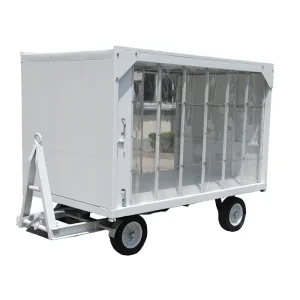
Fully enclosed weatherproofing shielding luggage from rain, wind, and industrial ramp wear. Includes reliable parking brakes.
View SpecificationsAn in-depth analysis of high-performance air-side logistics, eco-efficient fleet migration, and international regulatory shifts.
The aviation ground handling sector is undergoing a rapid transition toward carbon-neutral operations. Airports worldwide are enforcing strict green mandates, requiring airline hubs and third-party logistics firms to replace internal combustion diesel engine (ICE) tug fleets with high-capacity electric ground support equipment. This transformation has driven extensive innovation in Lithium Iron Phosphate (LiFePO4) battery thermal management and high-efficiency AC motors.
Modern electric aircraft towing tractors are now capable of achieving continuous drawbar pull capacities equivalent to their diesel ancestors, handling narrow-body and regional aircraft pushbacks with high torque efficiency. By switching to electric drivetrains, airport ground crews significantly lower ongoing operations cost, eliminate local particulate matter emissions, and comply with strict municipal airport noise ordinances.
Today's smart air cargo terminals demand precise execution times. Towing tractors and high-capacity dollies are no longer isolated mechanical assets; they are integrated into intelligent warehouse control systems (WCS) via IoT telematics. GPS fleet tracking, real-time drawbar strain sensors, and automated collision avoidance systems are reshaping ramp operations.
Heavy duty tow vehicles (such as 50-100 Ton diesel units and 20 Ton electric models) utilize regenerative braking systems to recapture kinetic energy during descents down cargo ramp slopes. By optimizing weight distribution and utilizing four-wheel-drive configurations, manufacturers prevent slippage on ice-covered runaways, ensuring ground services remain functional in harsh winter operations across Northern Europe and North America.
Ramp Dispatch Reliability
Max Load Dolly Capacity
Extreme Weather Certified
IATA AHM Compliant
Designed to deliver high performance through design innovation, automated quality verification, and global after-sales coverage.

Our company applies advanced material engineering, CAD design simulation, and automated electrical controls to develop highly responsive vehicles for high-frequency airport runways.

Every chassis, hydraulic pump, and hitch mechanism undergoes strict load-testing and quality inspections to ensure long operating lives in industrial environments.

Through optimized supply chain management and standardized frame construction, we guarantee delivery schedules to assist with fleet updates and terminal expansions.

We offer global support including technical training, emergency spare parts supply, and diagnostic guidance to maximize fleet uptime.

Supplying aviation ground equipment globally.

Providing services to airlines and logistics companies.

Wide product coverage across passenger and cargo services.

Quality assurance and timely delivery for critical operations.
A comprehensive system of refueling, towing, transport, and auxiliary ground units to keep international aviation networks moving safely.
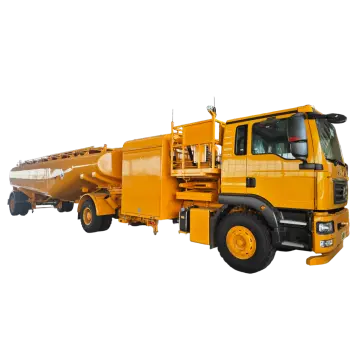
Filtration, metering, pressure control.
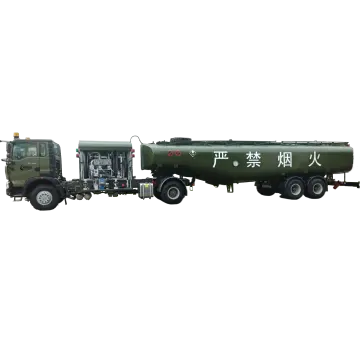
High-capacity airport tank refueller.
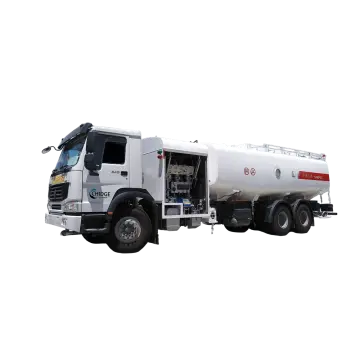
Pumping, self-circulation, filtration.
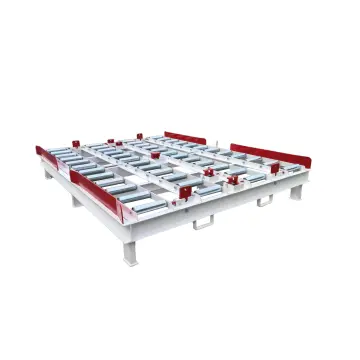
Precise warehouse-to-tarmac transfer.
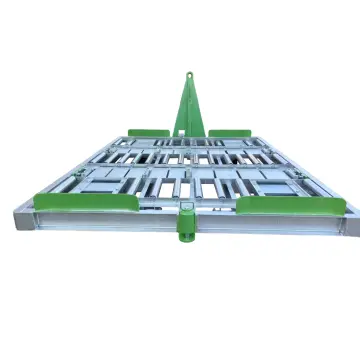
Standard heavy cargo tow unit.
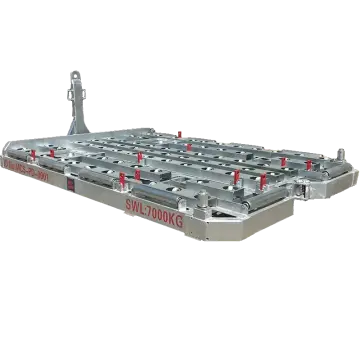
Secured lock mechanisms for airport ramps.
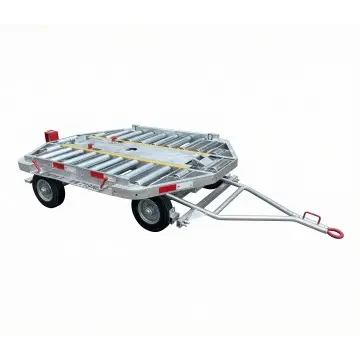
Engineered for standard LD3 units.
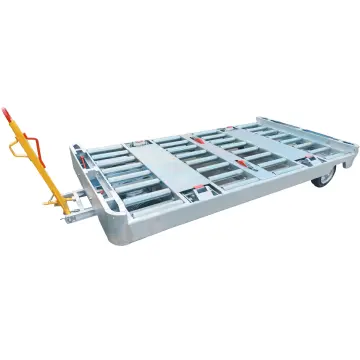
Heavy-duty cargo chassis transport.
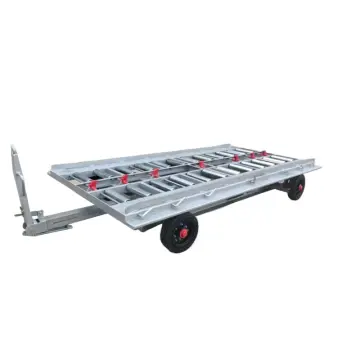
Wide-body air transport compliant.
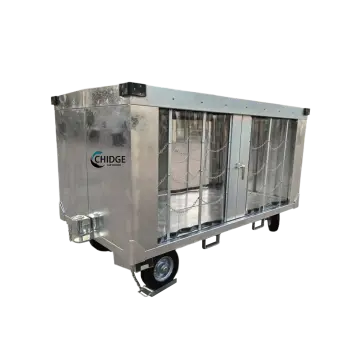
All-weather baggage protection.
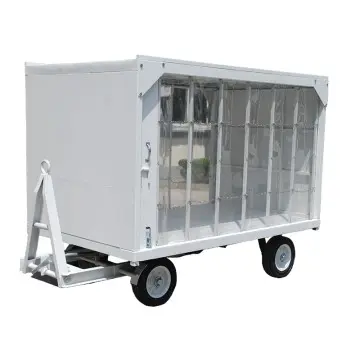
Impact-resistant secure frame.
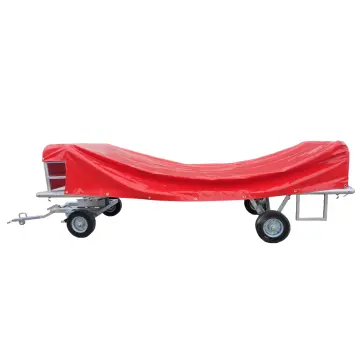
Easy handling terminal trolley.
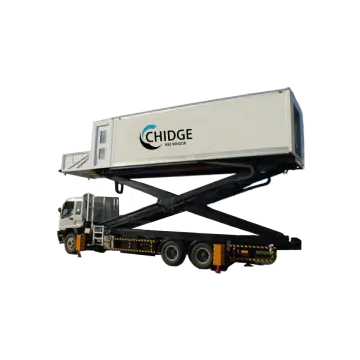
Hydraulic scissor lift catering unit.
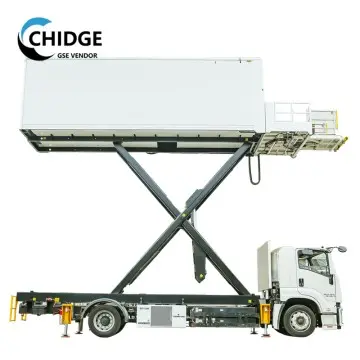
Eco-efficient catering logistics.
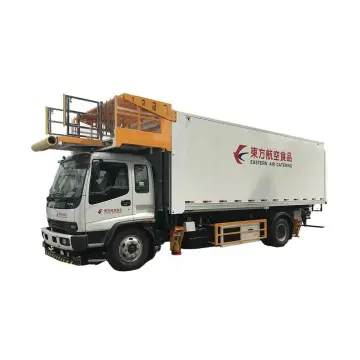
Reliable service cabin lifting mechanisms.
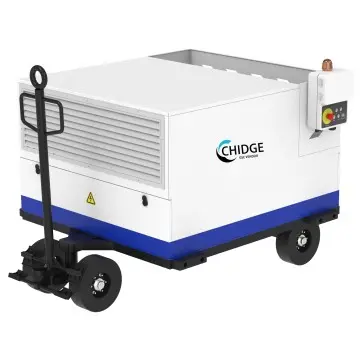
Solid-state green ground power storage.
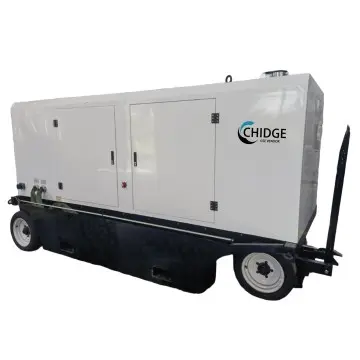
Continuous electrical feed for jets.
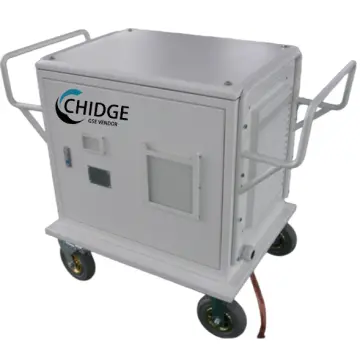
Hangar and ramp static installation.
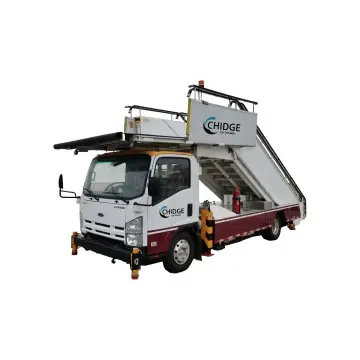
Self-propelled passenger stairs.
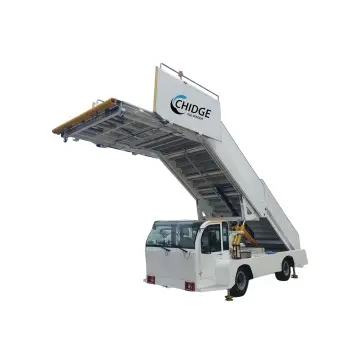
Heavy diesel propulsion stairs unit.
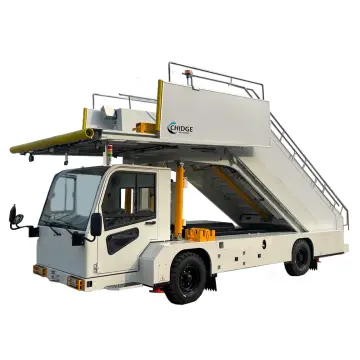
Adjustable boarding platform.
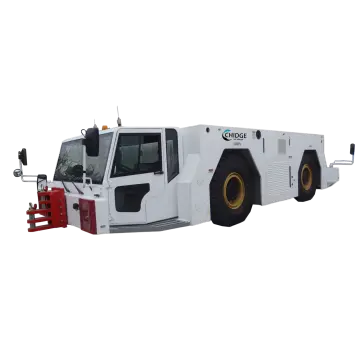
Maximum pushback drawbar pull capacity.
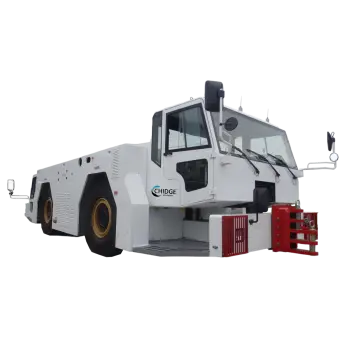
Medium to wide body aircraft operations.
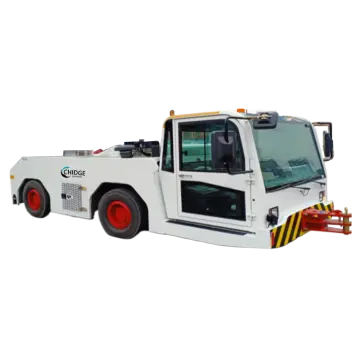
Perfect for narrow-body pushback duties.
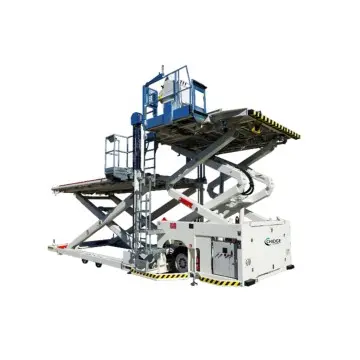
High lift platform deck cargo loader.
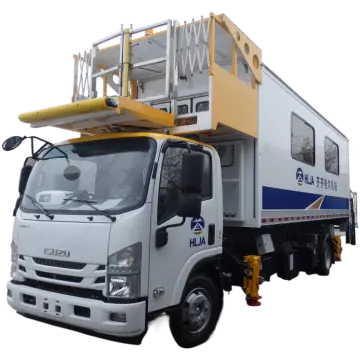
Reliable wheelchair passenger cabin lifter.
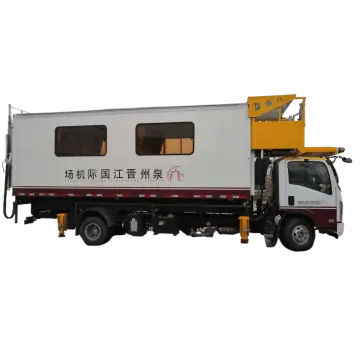
Safe cabin lifting for PRM passengers.
Adapting heavy-duty cargo handling solutions to survive extreme climates and maximize flight security standards.
Operating ground equipment in northern latitudes requires high cold-weather durability. Our towing systems and dollies use low-temperature hydraulic fluid, silicon-insulated wiring harnesses, and corrosion-resistant powder coatings to prevent damage from runway anti-icing salts. This design maintains towing connection safety when handling heavy commercial planes on ice-covered ramps.
For ground handling services in Southeast Asia and the Middle East, our manufacturing utilizes dust-proof wheel bearings and marine-grade anti-oxidation topcoats. Hydraulic systems are fitted with advanced air filtration units to keep abrasive sand out of main pump cylinders, preventing internal system leaks during desert sandstorms or high-humidity wet seasons.
To match modern Smart Airport goals, we are integrating automated vehicle capabilities. Fleet operators can monitor battery degradation levels, hydraulic pressures, and towing speed violations via cellular telemetry. Built-in digital control units support a gradual transition toward self-driving cargo dolly routes, optimizing runway resource distribution.
From initial design draft and mechanical simulation to structural validation and final delivery.
Whether you require customized chassis dimensions, specific hydraulic systems, or regional livery paint schemes, our engineers deliver tailored ground support solutions to fit your terminal layout.
Our design validation steps simulate raw metal fatigue under stress, ensuring that customized towing pins and rotating mechanisms meet or exceed regional structural safety regulations.

 Company Management

 High Quality Products


 Timely Delivery

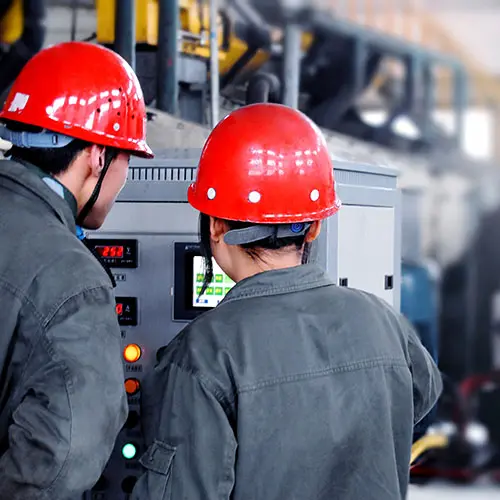 Product R&D

 Support Team
Answers to common questions regarding structural load ratings, compliance standards, and maintenance requirements.
Explore our heavy-duty luggage carts and specialized container transport systems designed for high-capacity freight hubs.
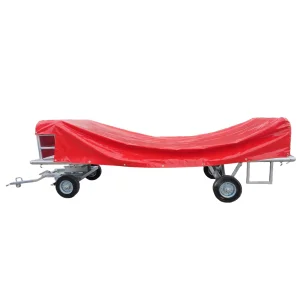
Designed for high-frequency passenger terminal applications. Features a lightweight structure and durable, non-marking swivel wheels.
View Specifications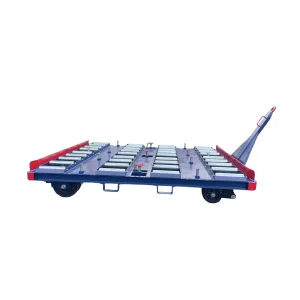
Standard 10-foot platform configured for heavy containerized freight. Uses automated lock mechanisms for secure transport.
View Specifications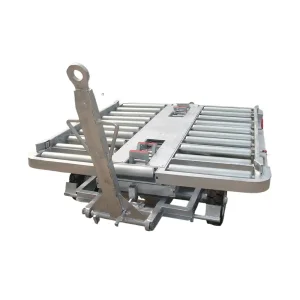
Precision-manufactured base frame optimized for low-clearance wide-body cargo compartments and roller floor systems.
View Specifications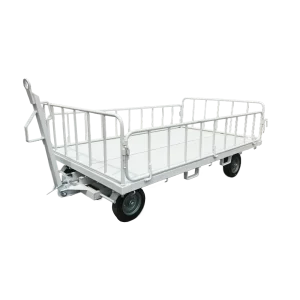
Standard airport luggage cart built with a high-tensile steel frame and responsive safety tow bar braking system.
View Specifications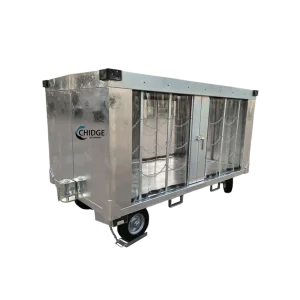
Features heavy-duty vinyl shielding curtains to keep baggage dry during outdoor transit across wet flight lines.
View Specifications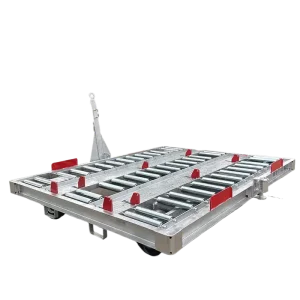
Standard 7-ton capacity deck featuring bi-directional cargo rollers and integrated side steps for safe manual handling access.
View Specifications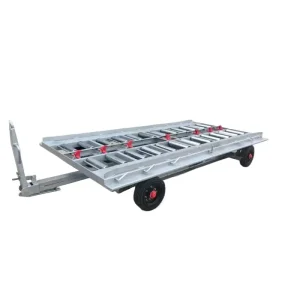
A heavy-duty steel chassis specifically designed for wide-body LD6 containers. Features positive-locking containment tabs.
View Specifications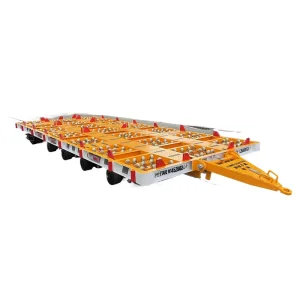
Ultra-high-load 27-ton capacity configuration engineered for heavy, outsized, and palletized air transport cargo.
View SpecificationsWe work closely with global airline carriers and ground handling networks to ensure reliable operational safety.
Read about recent technological advancements in passenger boarding safety, green ground power design, and ground support utility networks.
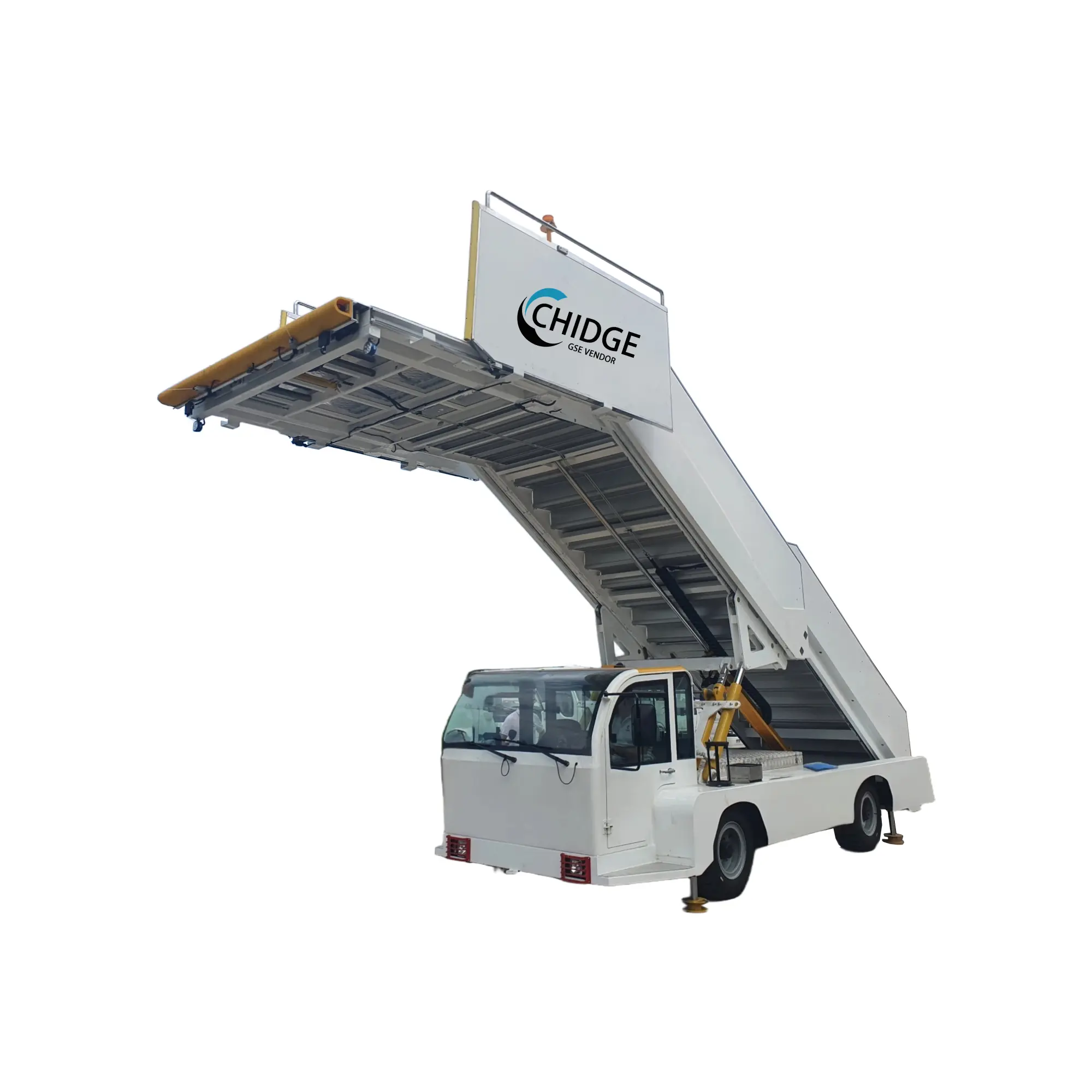
An introduction to passenger boarding stairs. We examine the design differences between self-propelled and towable passenger steps, highlighting emergency wind stabilization and anti-slip stair surfaces.
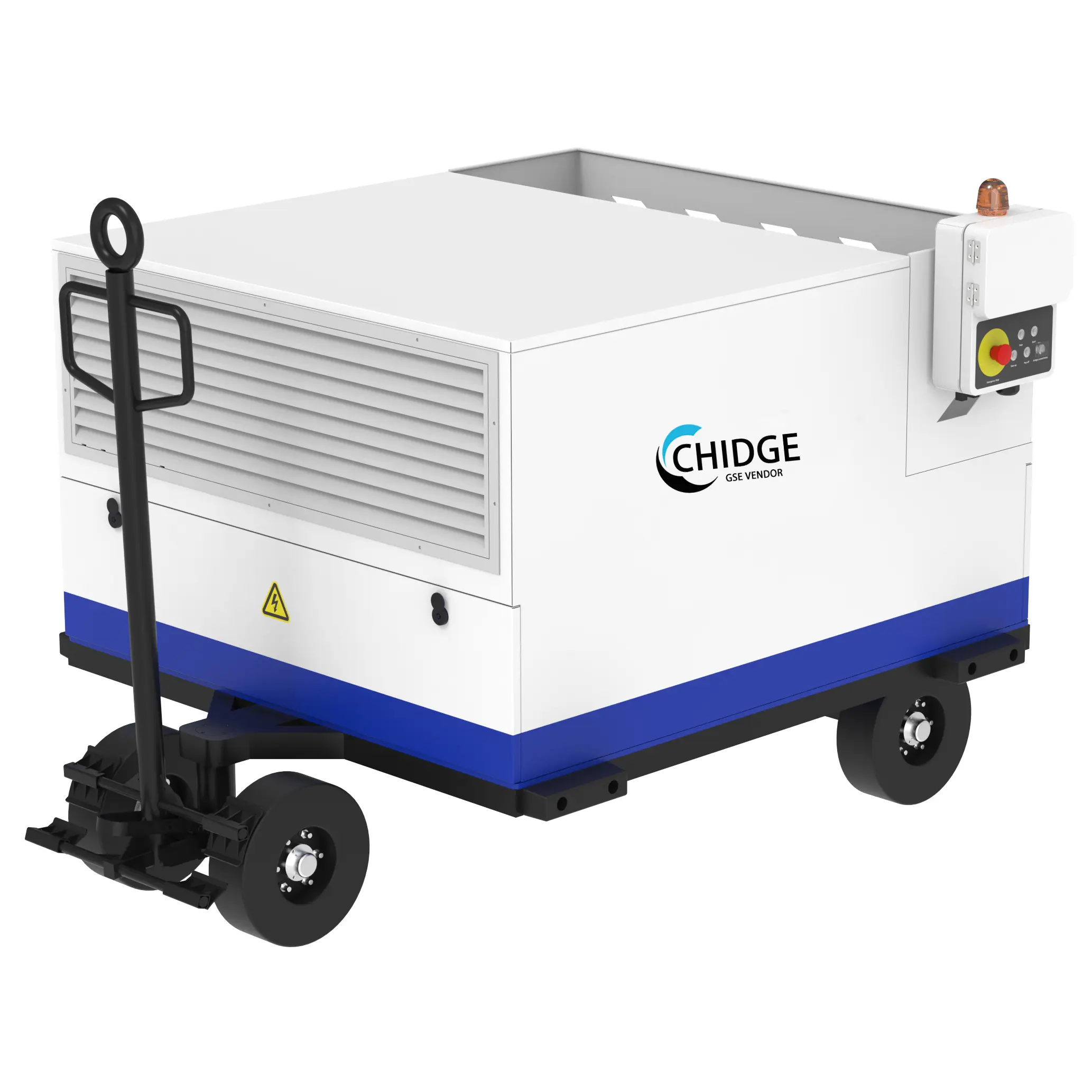
We explore solid-state battery power units. Learn how next-gen lithium cell arrays deliver silent, zero-emission electricity to planes parked on the tarmac.
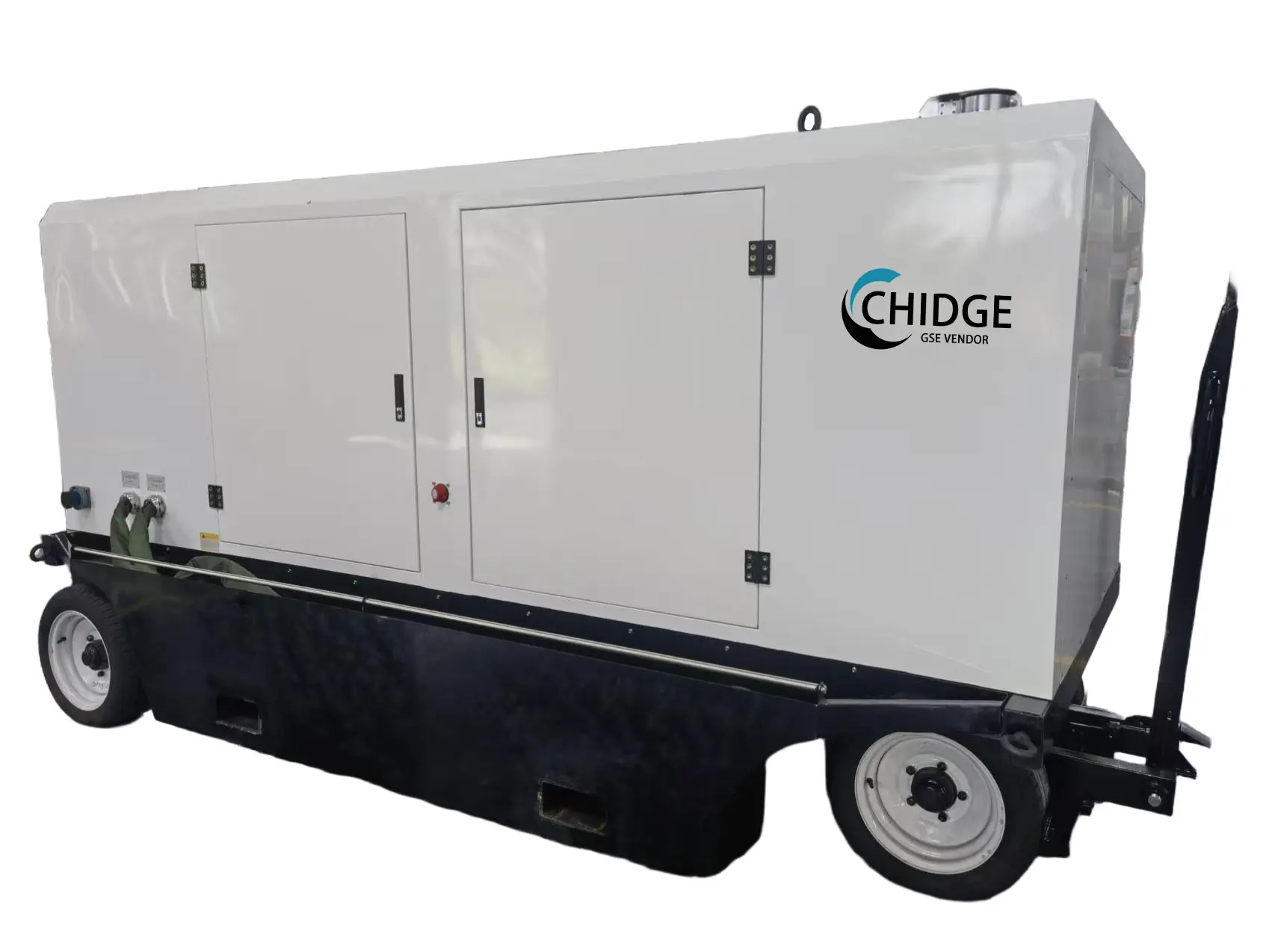
An analysis of ground power systems (GPUs). This whitepaper examines power conversion efficiency, truck-mounted configurations, and how they help reduce auxiliary power unit (APU) fuel consumption during pre-flight checks.
 Chidge Dolly