 Chidge Dolly
The Evolution of GSE: A Deep Dive into Airplane Pushback Engineering
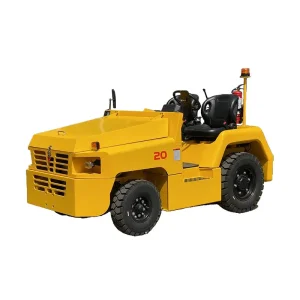
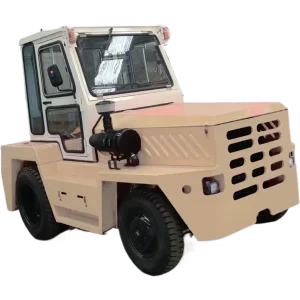
As the aviation industry moves toward a more sustainable and efficient future, the role of Ground Support Equipment (GSE) has transitioned from simple mechanical aids to sophisticated, AI-integrated logistics solutions. GseAirplanePushBackManufacturers are at the forefront of this revolution, engineering machines that handle the massive takeoff weights of modern wide-body aircraft while minimizing carbon footprints and maximizing apron safety.
1. Industry Development Trends: The Shift to eGSE
The push for "Green Airports" is no longer a luxury but a regulatory mandate in many jurisdictions. Manufacturers are rapidly shifting from diesel-heavy powertrains to Lithium-ion powered Electric Ground Support Equipment (eGSE). These electric pushback tugs offer higher torque at lower speeds, essential for the precision movement of aircraft like the A350 or B787. Furthermore, telematics and real-time data monitoring are becoming standard, allowing fleet managers to track battery health, location, and operational efficiency.
Sustainable Power
Integration of high-density battery packs to support 8-10 hour shifts with rapid charging capabilities.
Autonomous Navigation
Research into semi-autonomous towing to reduce human error during complex apron maneuvers.
IoT Connectivity
Real-time telemetry providing insights into maintenance needs before failure occurs.
2. Global Procurement Needs: Quality, Durability, and Compliance
Airlines and ground handling companies look for three primary factors when procuring GSE: Total Cost of Ownership (TCO), Reliability, and Ease of Maintenance. A pushback tractor that stays in the workshop is a liability. Leading manufacturers focus on modular designs where components like hydraulic pumps and electronics are easily accessible for rapid replacement. Compliance with IATA AHM (Airport Handling Manual) and SAE standards is a non-negotiable requirement for international operations.