Explore our flagship heavy-duty airfield machinery configurations built for precise ground maneuvers and operational efficiency.
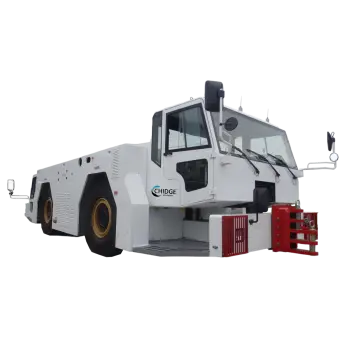
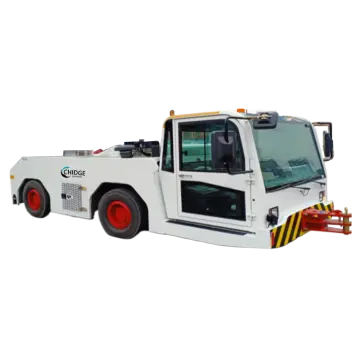
In the high-stakes environment of commercial and military aviation, airport ramp management represents a highly critical phase of the operational lifecycle. The ability to safely, efficiently, and rapidly transition aircraft from the boarding gates back to taxiways directly dictates a carrier's Turnaround Time (TAT) and overall airline profitability. At the heart of this process stands the modern pushback tractor—a specialized towing unit engineered to manage massive drawbar pull thresholds under varying meteorological conditions.
As global air traffic continues to rebound and expand, hub airports face extreme gate congestion and reduced spatial separation. Selecting a reliable, custom pushback manufacturer is no longer just a purchasing decision; it is a long-term strategic investment in ramp safety and operational continuity. Modern Ground Handling Agents (GHAs) demand tractors with multi-aircraft compatibility, advanced electronic drive systems, smart CAN-bus diagnostic telemetry, and zero-emission powertrains. From high-altitude civilian terminals to demanding military flight lines, ground service equipment must deliver absolute reliability.
A custom pushback manufacturer is judged on structural integrity, precision alignment, and hydraulic efficiency. Our production line focuses on high-strength structural carbon steels (such as Q345B and equivalent international standards), ensuring that under peak drawbar pull (DBP), the vehicle frame experiences minimal torsion. The coupling components, drive axles, and heavy steering geometries undergo rigorous Finite Element Analysis (FEA) to guarantee structural safety throughout millions of thermal cycles and heavy torque stresses.
Conventional towbar tractors require precise static weight ballast configurations to maintain traction across ice, rain, or spilled hydraulic fluid. Our custom tractors utilize advanced center-of-gravity engineering to balance load distribution between front and rear planetary drive steering axles. With four-wheel drive (4WD) and four-wheel coordinated steering, operators can execute crab steering, tight pivot turns, and standard steering modes with unmatched control under commercial airframes ranging from 10 tons up to 150+ tons.
| Equipment Type / Model | Primary Dynamic Capacity | Propulsion Type Options | Safety Standards Met |
|---|---|---|---|
| CDT700 Aircraft Towing Tractor | 70,000 N Max Drawbar Pull | Stage V Diesel / LiFePO4 Electric | IATA AHM 910, 913, 955 |
| CDT450 Towing Tractor | 45,000 N Drawbar Pull | Eco-Diesel / Pure Electric AC | CE, ISO 9001, SGS Certified |
| CDT300 Compact Tow Tractor | 30,000 N Drawbar Pull | Lead-Acid / Lithium-Ion Battery | OSHA Ramp Safety Compliant |
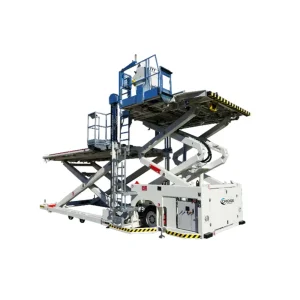
| CDL14000 Cargo Loader | 14,000 kg Payload Capacity | Dual-motor Hydraulic System | AHM 910 Cargo Operations |
In today's volatile global market, procurement teams must manage supply chain risks diligently. Our domestic manufacturing clusters allow us to source high-grade raw metals, specialized hydraulic assemblies, and electric drivetrains directly within a 150-kilometer radius. This geographic advantage translates into direct cost savings, unmatched production flexibility, and rapid delivery cycles for our global partners.
From initial CAD modeling and finite element stress analysis to laser cutting, precision robot welding, and final assembly, every phase is managed in-house to protect intellectual property and guarantee strict quality control.
We maintain constant reserve supplies of critical wear items—such as hydraulic pumps, control valves, electrical relays, and structural coupling towpins—guaranteeing that replacement parts ship within 48 hours.
Our modern assembly lines adapt quickly to accommodate large fleet procurements or individual custom-engineered commissions without compromising delivery deadlines.
Airports operate in radically diverse environments. A tow tractor or passenger stair unit built for arid desert conditions requires completely different thermal insulation, air filtering, and sealing mechanisms compared to equipment deployed in sub-zero alpine gateways. Our custom engineering department excels at designing vehicles tailored to these regional operational conditions.
In frozen winter climates, specialized units like the CDH-60 Aircraft Heating Unit and custom air start systems must utilize low-temperature lubricants, fuel pre-heaters, and thermally-insulated operator cabins. Structural components undergo specialized cold-bend testing to prevent metal brittleness at temperatures as low as -40°C.
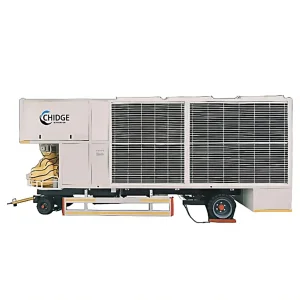
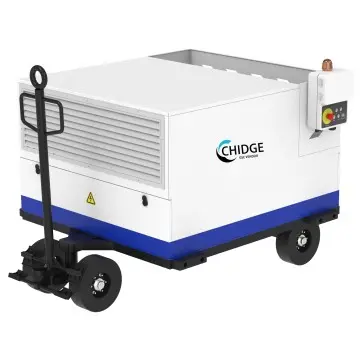
High temperatures present severe cooling challenges for hydraulic and electrical systems. Solutions like the CD-ACU-E2 Air Conditioning Unit and our electric GSE lines feature heavy-duty cooling packages, dust-proof IP65 electrical enclosures, and advanced filtration systems to prevent sand ingestion and hydraulic overheating.
Salty coastal air accelerates corrosion, which can compromise the structural integrity of dollies and chassis frames. Our coastal package adds multi-layer polyurethane coatings, marine-grade stainless steel linkages, and specialized anti-corrosion treatments to critical joints and exposed wiring harnesses.
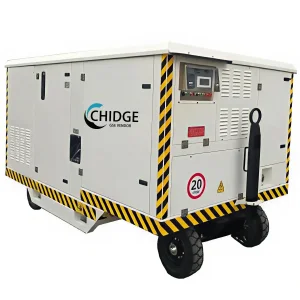
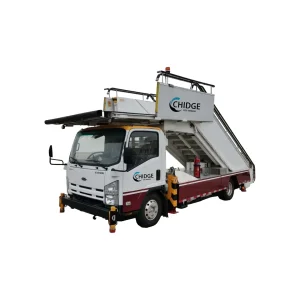
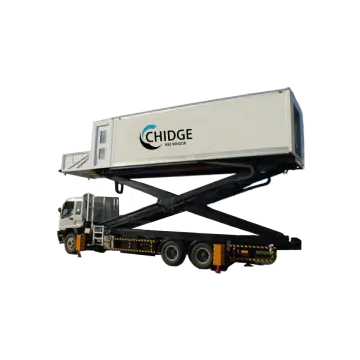
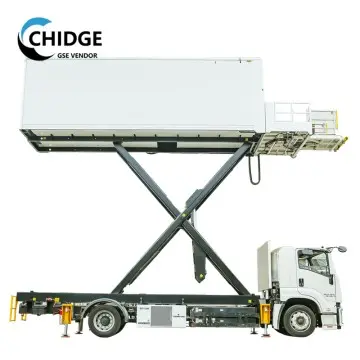
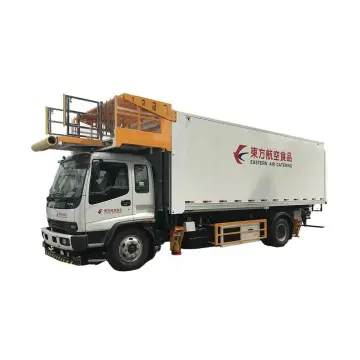
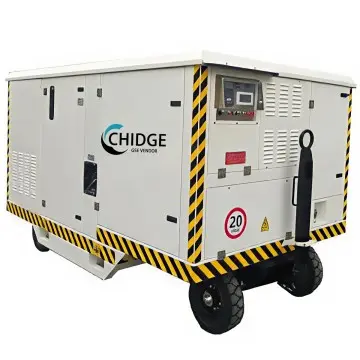
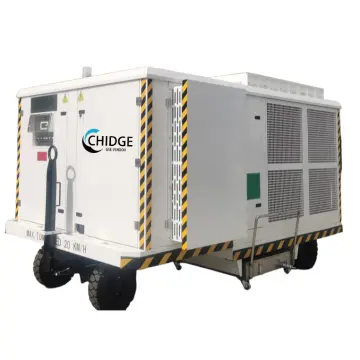
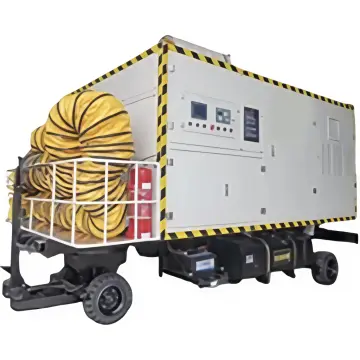
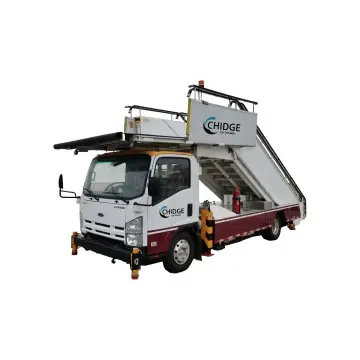
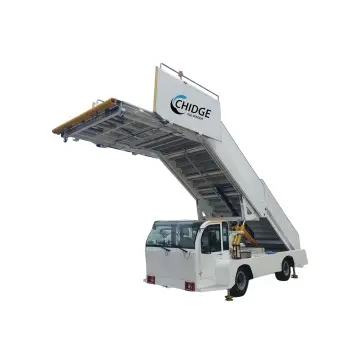
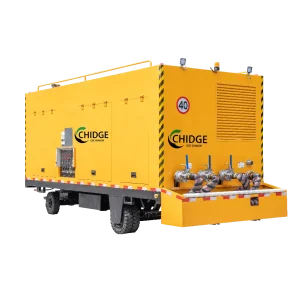
Our extensive engineering catalog spans refueling systems, container logistics, passenger boarding, and auxiliary ramp services.
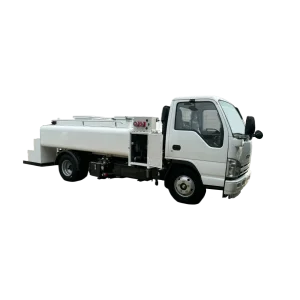
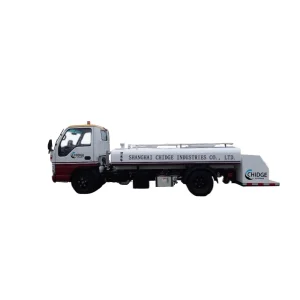
Our aircraft tank refueling trucks consist of a robust commercial chassis and integrated oil tanks, high-flow pumping setups, precise control panels, and ergonomic operating decks. Built-in functions include safety filtration, metering, fueling, defueling, self-circulation, and active pressure control.
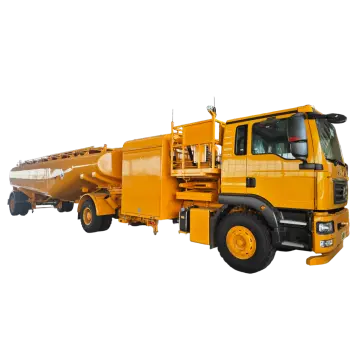
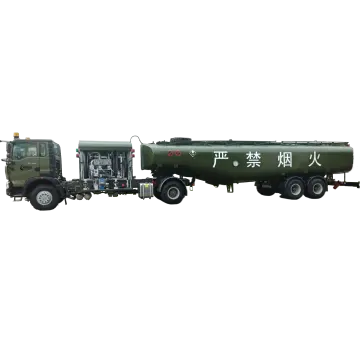
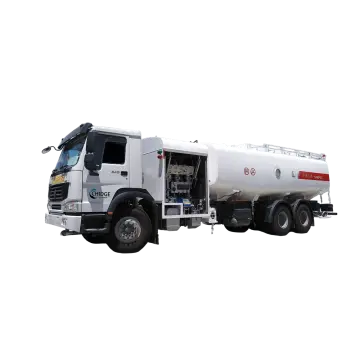
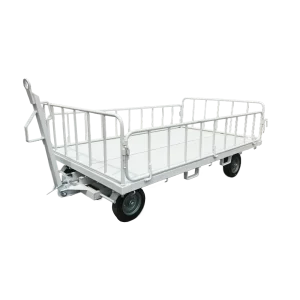
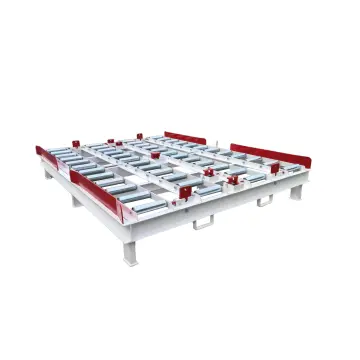
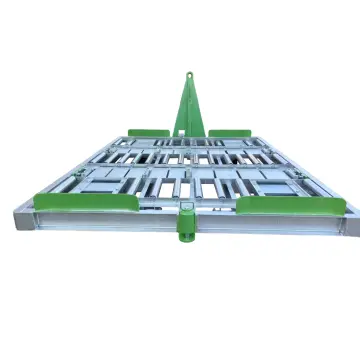
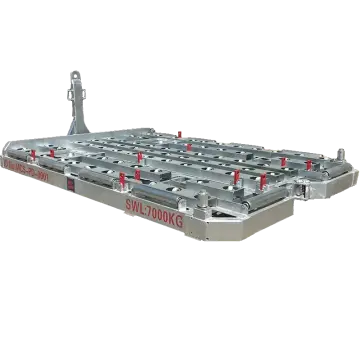
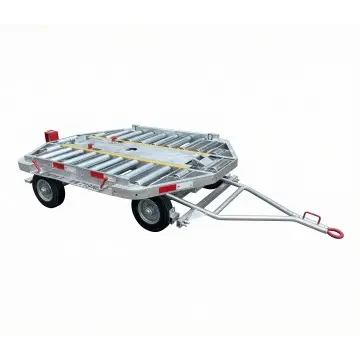
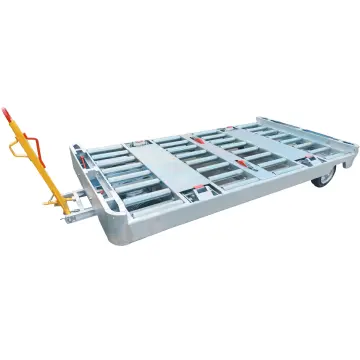
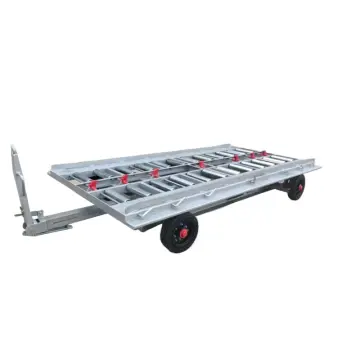
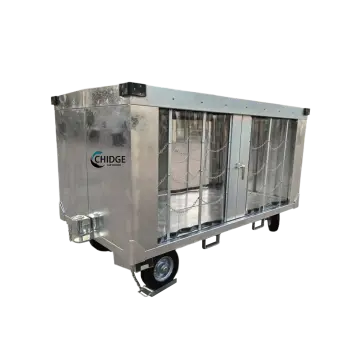
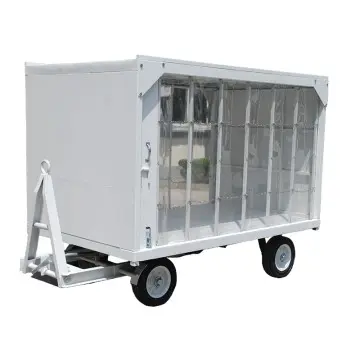
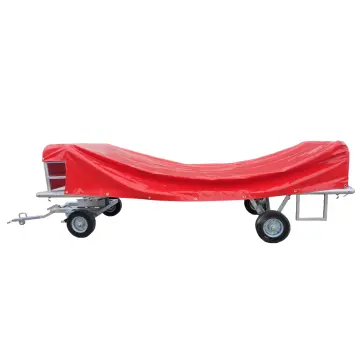
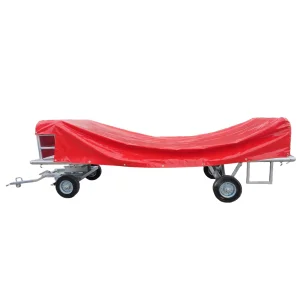
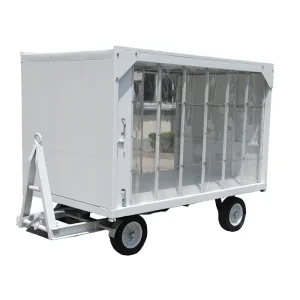
Designed to withstand heavy daily impact from loaders and forklifts, our towing dollies keep terminal logistics running smoothly.
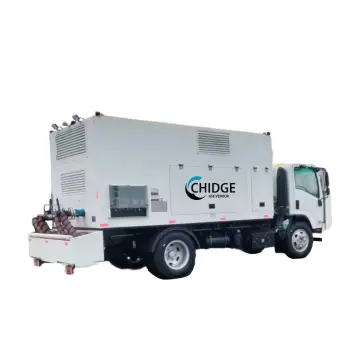
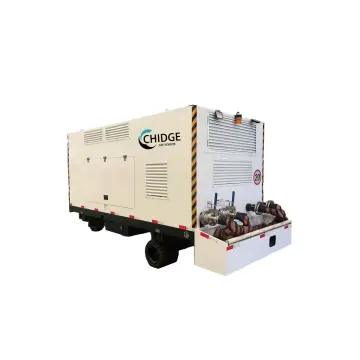
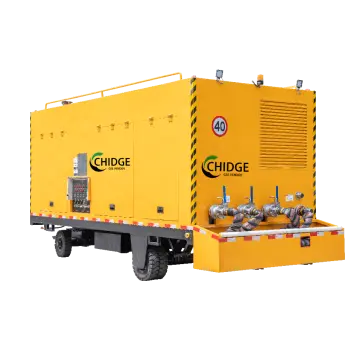
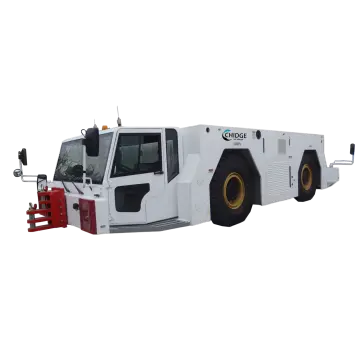
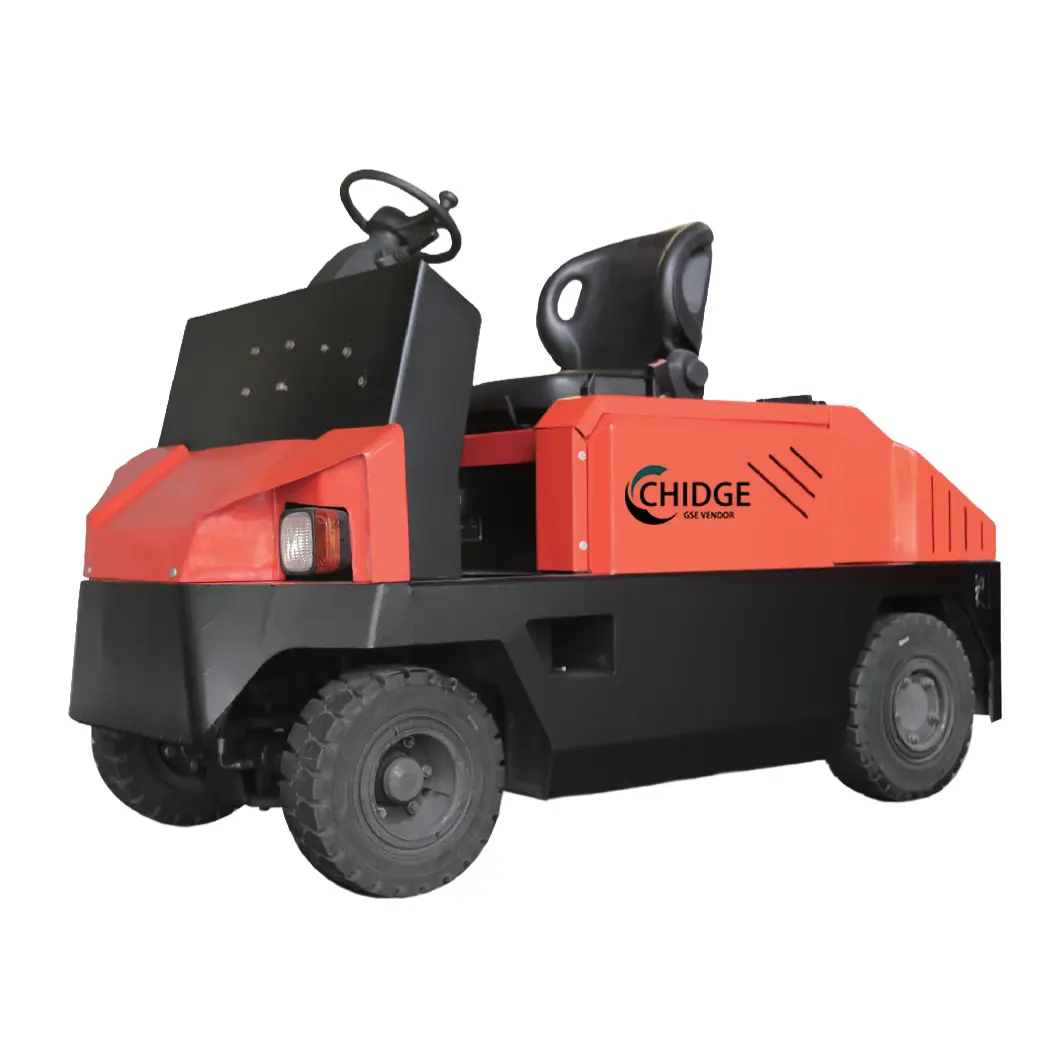
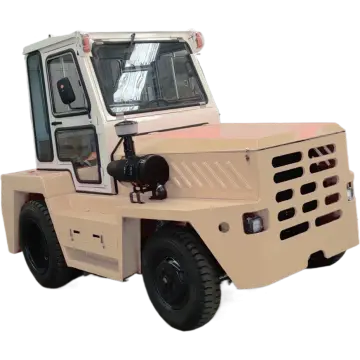
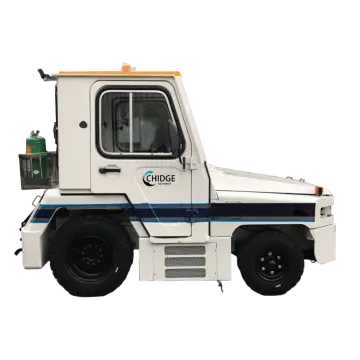
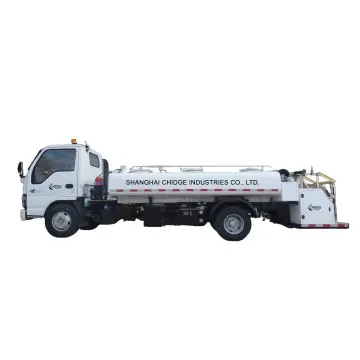
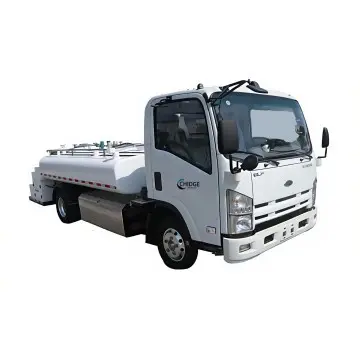
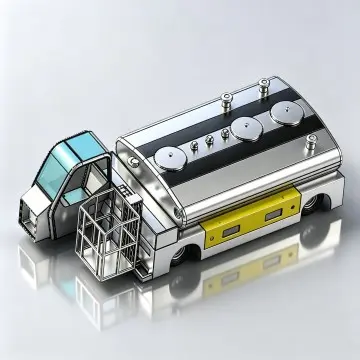
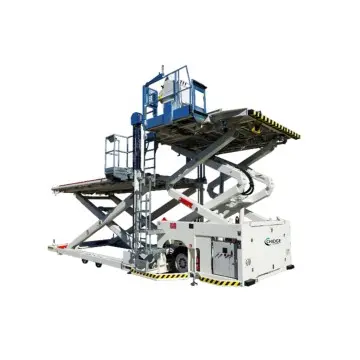
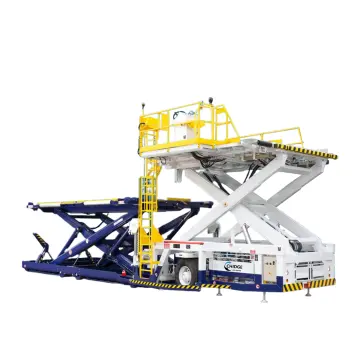
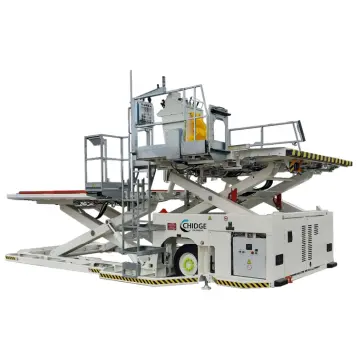
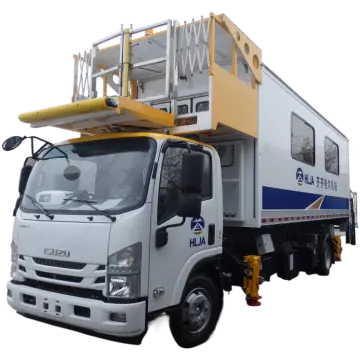
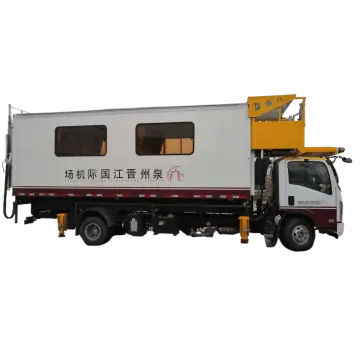
The future of airport ramp operations centers on three main pillars: electrification, smart fleet management, and autonomous operations. Modern airports are phasing out fossil-fuel vehicles to meet global climate targets. Our current engineering roadmap reflects this shift, with zero-emission lithium iron phosphate (LiFePO4) battery packs integrated across our entire product line, from small baggage carts to heavy-duty aircraft towing tractors.
Autonomous operations are also key to reducing ramp incidents. By incorporating LiDAR arrays, obstacle-detection sensors, and automated docking algorithms into passenger boarding stairs, cargo loaders, and pushback tractors, we are moving closer to a hands-free ramp environment. In addition, our integrated CAN-bus telemetry sends real-time diagnostic and performance data to fleet management systems, allowing operators to schedule predictive maintenance, reduce unscheduled downtime, and extend equipment lifecycles.
Reliable after-sales service and local technical support are vital for keeping ground support equipment running. When a pushback tractor experiences downtime, the impact is felt across the entire flight schedule. That is why our global support model focuses on rapid response times, certified technician availability, and ready access to OEM spare parts.
Every vehicle and dolly we build complies with major international aviation standards. From structural load-bearing limits to emergency stop mechanisms, our engineering team ensures all units meet or exceed IATA Airport Handling Manual (AHM) guidelines, CE safety markings, ISO 9001 quality management benchmarks, and regional environmental standards. This rigorous approach gives airport operators and ground handling agents the confidence that our equipment will operate safely and legally in any major international aviation hub.
Our customer-centric service covers product planning, design, production, and testing to help clients reduce costs and stay competitive.

Leveraging advanced materials and engineering software to deliver robust, high-capacity ramp systems.

Built to stand out in competitive markets, earning trust through long-term performance and reliability.

Optimized logistics and inventory control help us maintain short lead times and respond quickly to urgent orders.

Resolving technical issues quickly to protect client operations and extend equipment lifecycles.
Tailored engineering services to meet unique technical and operational requirements.
No two flight lines or airport terminal layouts are identical. Varying ramp angles, cabin entry heights, and fleet structures require customized ground support solutions. We collaborate closely with airports, cargo carriers, and ground handling agents to develop bespoke configurations that integrate seamlessly with existing GSE fleets.
Whether you need customized cab positions on a pushback tractor, specific warning lights, localized language controls, or specialized hydraulic lifts, our design team handles the engineering from initial concept to final validation.

Integrated ERP control.

Every weld certified.

Optimized build pipelines.

Continuous optimization.
Stay informed with the latest updates from our engineering department and the wider GSE industry.
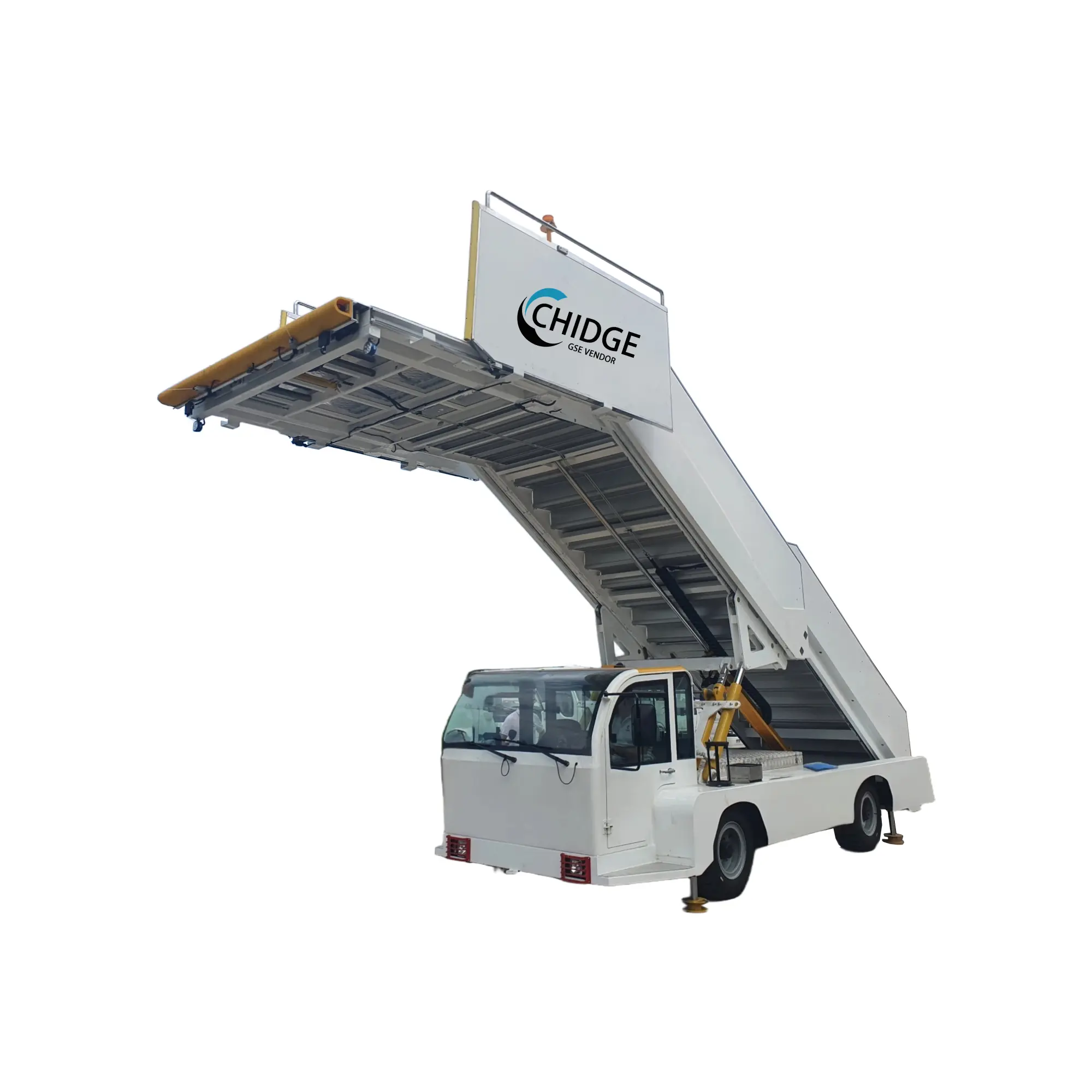
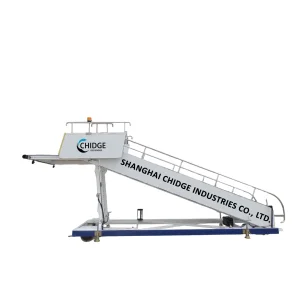
Discover the key design elements and safety systems of modern self-propelled passenger stairs.
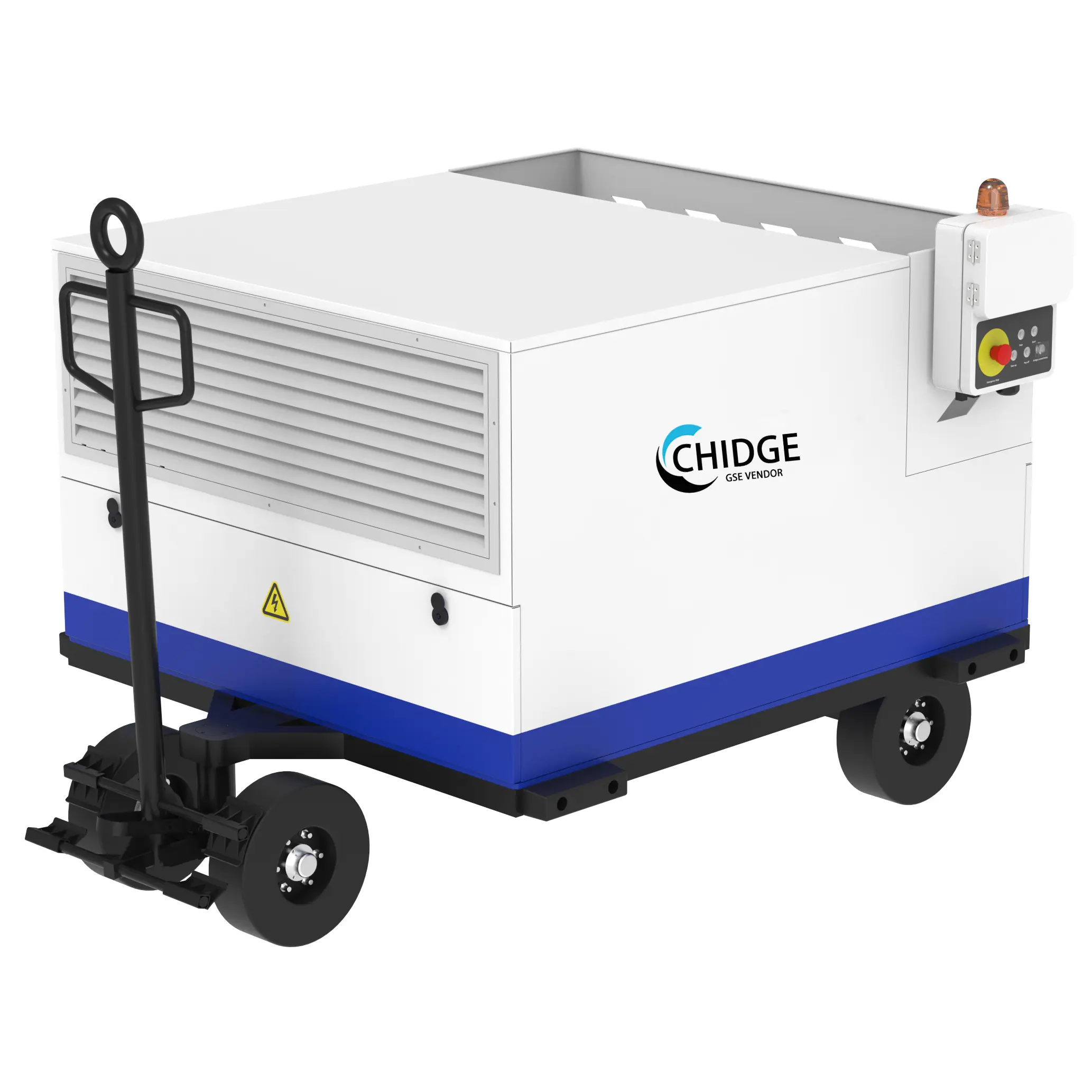
An in-depth look at energy-storage batteries and their role in clean-energy GPU operations.
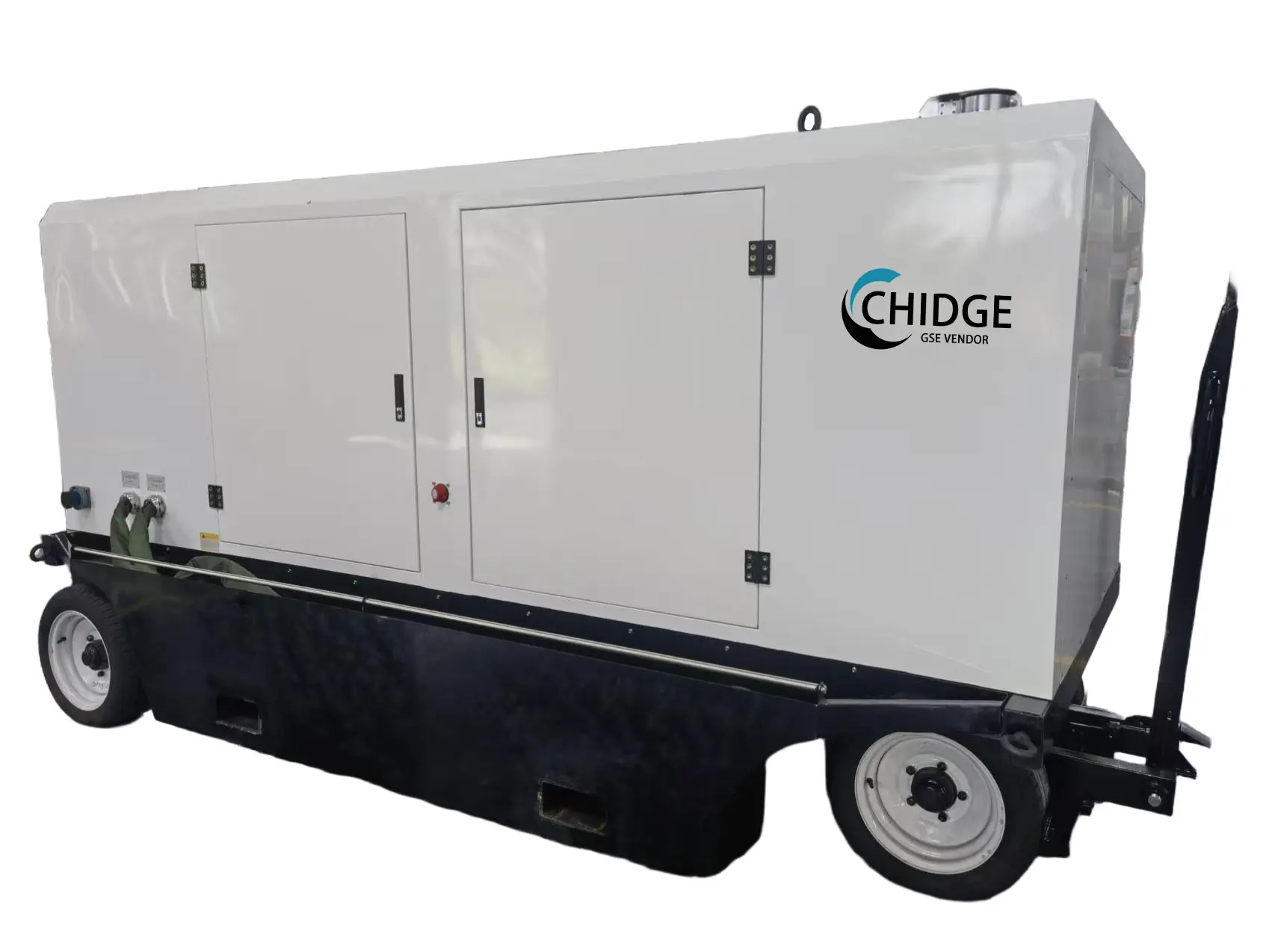
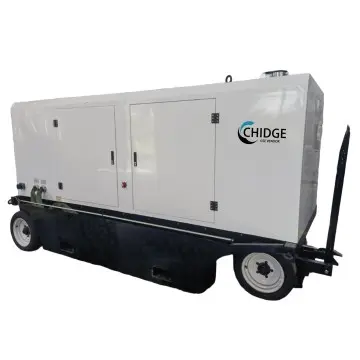
How GPUs deliver auxiliary power to parked aircraft, helping airlines save fuel and reduce engine wear.
Get detailed answers about engineering specifications, customization options, and procurement logistics.
Our pushback tractors are designed for drawbar pull (DBP) ratings from 30,000 N (suitable for regional aircraft and baggage tugs) up to 70,000 N and higher for larger narrowbody and widebody planes. We verify these limits through FEA modeling and physical pull tests to ensure safe towing on slick or sloped ramps.
Yes. We offer both electric (LiFePO4 and lead-acid battery packs) and low-emission diesel engines. Customers can select battery capacities and charging profiles that match their airport's existing electrical infrastructure.
We use multi-layer coating systems, including zinc-rich primers, intermediate epoxy barriers, and polyurethane finishes. For coastal terminals, we add stainless steel fasteners and marine-grade protective coatings to prevent rust from salty air.
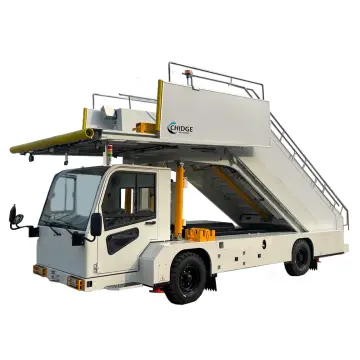
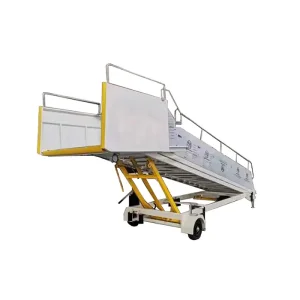
All our boarding stair configurations, including the self-propelled CD-PBS5062E and towable CD-PS5020 models, meet IATA AHM 913, 915, and 920 specifications, CE machinery directives, and ISO quality guidelines to ensure safe operation.
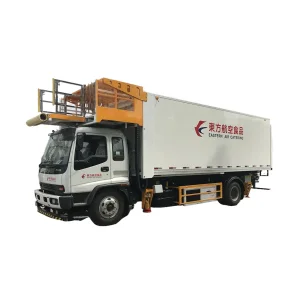
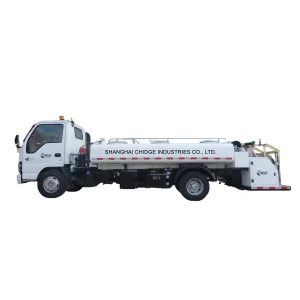
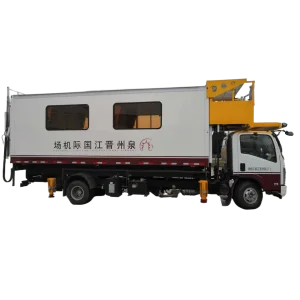
Our auxiliary equipment supports reliable air conditioning, water servicing, catering, and emergency ramp services.
 Chidge Dolly