Premium ground support gear manufactured to global aviation standards for uninterrupted sorting operations.
Designed for continuous 24/7/365 operations at massive passenger hubs where conveyor downtime can result in thousands of dollars in carrier delays.
Our belts feature multi-ply high-tensile polyester weaves bound by high-grade polymers, ensuring low stretch and superior dimensional stability.
Smooth integration with optical barcode scanners and RFID tracking matrices to maintain flawless chain-of-custody data for every piece of luggage.
Within the bustling network of modern airports, the Baggage Handling System (BHS) acts as the central circulatory system. At the core of this system is the conveyor belt. A failure in the belt system halts checking lines, causes ground handling bottlenecks, and impacts overall carrier performance. Choosing high-performance, custom-built luggage conveyor belts is a strategic requirement for airport authorities and EPC contractors worldwide.
Customization is essential in this sector. Standard industrial conveyor belts lack the fire retardancy, low-noise properties, and surface-coefficient options needed for handling modern passenger luggage. Specialized airports require specific solutions, such as flame-retardant belt compounds matching ISO 340 ratings, low-noise fabric coatings to protect the acoustic health of terminal halls, and custom-friction top surfaces to prevent luggage slippage on vertical inclines.
Airport luggage belts are subjected to complex stresses, including high-frequency impact at check-in chutes, continuous friction on curve-negotiating merges, and high loads from heavy cargo. Understanding the physical layout of these belts shows why expert engineering is required for their design and installation.
| Property Parameter | Standard Specification | High-Capacity Option | Operational Benefit |
|---|---|---|---|
| Base Fabric Core | 2-Ply Polyester (Rigid Warp) | 3-Ply Polyester (Extrusion Protected) | High lateral stiffness, zero warping, minimal elongation |
| Top Cover Compound | Low-friction PVC | Abrasive Resistant PU / TPU | Reduced energy use, easy tracking, high wear resistance |
| Surface Texture | Smooth / Rough Top | Crescent / Diamond Pattern Profiles | Prevents slippage on inclines up to 35 degrees |
| Flame Retardancy | ISO 340 / EN 20340 Compliant | DIN 22102 Fire-Resistant Top Class | Self-extinguishing in under 3 seconds to protect assets |
| Temperature Range | -15°C to +80°C | -40°C to +110°C (Extreme Climates) | Maintains flexibility in unheated sorting halls and tarmacs |
One of the most common failure points in airport conveyor lines is belt mistracking. Our custom belts are built with lateral stability profiles (such as tracking guides vulcanized onto the running side). By integrating high-modulus, low-stretch tension members, we ensure that once the belt is tensioned during installation, it requires minimal operational adjustments over its entire lifecycle, reducing maintenance overheads significantly.
Our manufacturing base leverages smart production technology to ensure consistent build quality, quick turnaround times, and competitive pricing for large-scale airport infrastructure projects.
Our factory floors utilize PLC-controlled vulcanizing lines, ensuring uniform pressure and heat distribution across the entire belt width for clean splice joints.
Laser alignment systems slice fabric plies with micron-level accuracy, preventing microscopic shifts that cause tracking failures down the road.
Before leaving the factory, every production batch undergoes cyclic tension testing, flame testing, and acoustic analysis to match global quality standards.
This automated production framework allows our factory to supply bulk orders within short project timelines while maintaining high precision. EPC contractors and airport ground service operators benefit from our efficient production cycles and reliable product consistency.
A BHS does not stop at the terminal wall. It links directly with airport ground support vehicles that transport luggage to the aircraft belly. Baggage carts, cargo dollies, and pallet dollies must interface smoothly with sorting conveyor systems to ensure fast turnaround times.
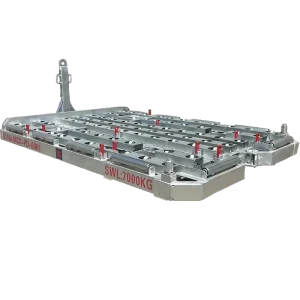
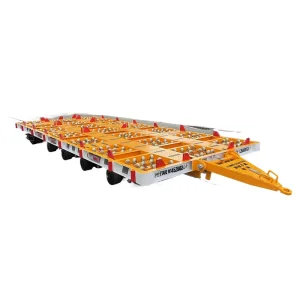
Once luggage is sorted off the terminal conveyor lines, it is packed into Unit Load Devices (ULDs) and loaded onto Pallet Dollies. Seamless material flow from belt to dolly prevents airport apron bottlenecks.
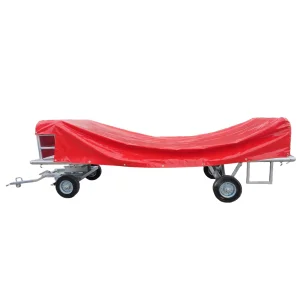
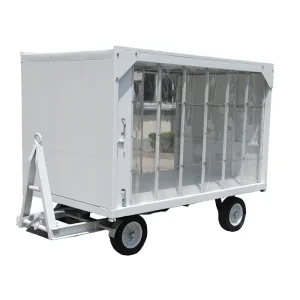
For loose luggage and non-containerized cargo, luggage is transferred directly from high-capacity inclined conveyor belts to rainproof baggage carts, keeping items secure across the airfield.
Dynamic sorting chutes demand reliable ground transport equipment. The sync between terminal conveyor belts and GSE dollies forms the foundation of efficient ground handling operations.
Comprehensive systems designed to meet high load requirements, ensure fast turnaround cycles, and support reliable airport apron operations.
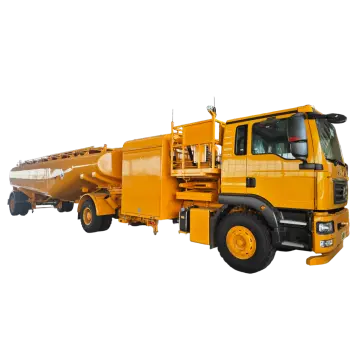
Features advanced filtration, precision metering, refuelling, self-circulation, and pressure control systems for airport aprons.
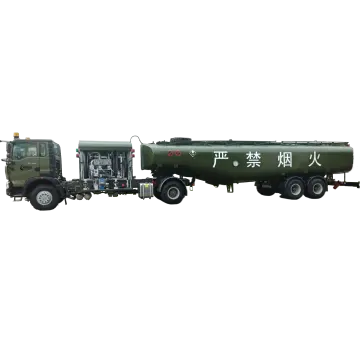
Heavy-duty tank chassis system with highly reliable safety mechanisms for international flight support operations.
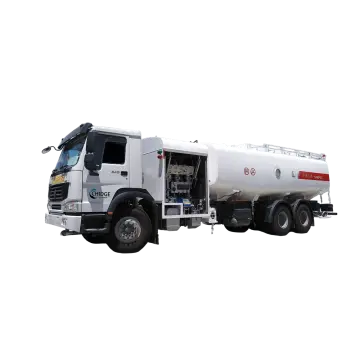
Optimized tank refuelling unit engineered for quick deployment, safety, and strict compliance with global aviation safety rules.
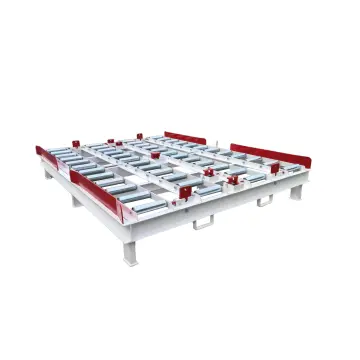
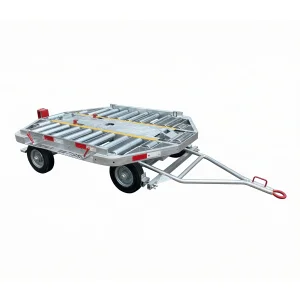
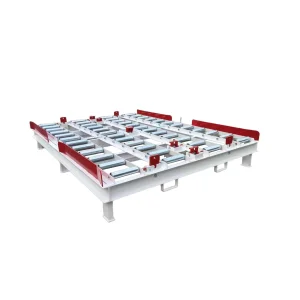
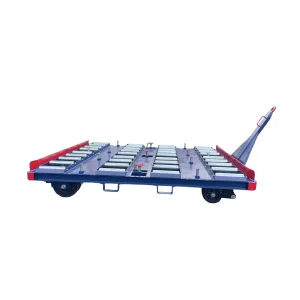
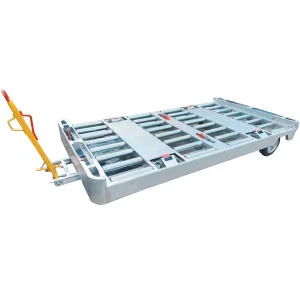
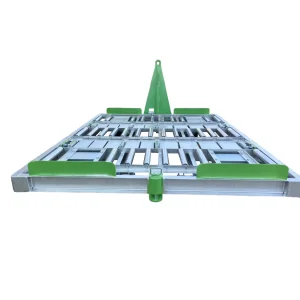
Designed for heavy cargo pallets, facilitating smooth, manual or automated multi-directional loading workflows.
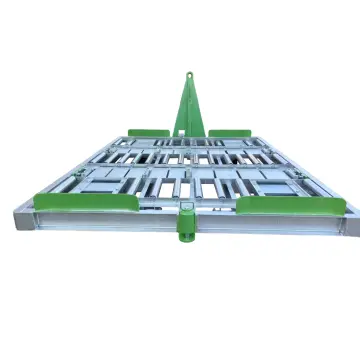
Heavy-duty steel construction with premium rollers to handle standard air freight ULD sizes securely.
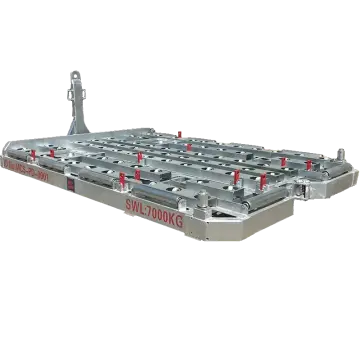
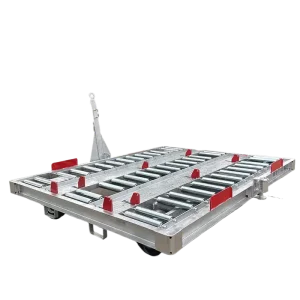
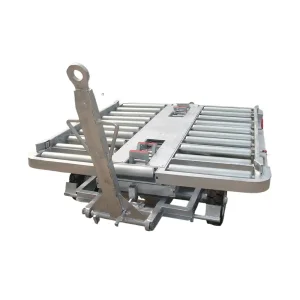
Multi-directional caster deck configuration designed for fast air cargo terminal operations.
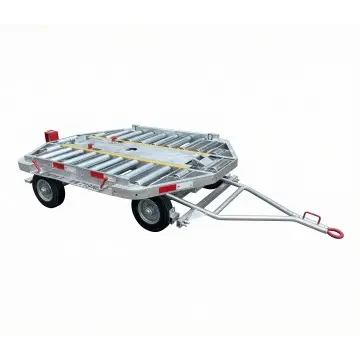
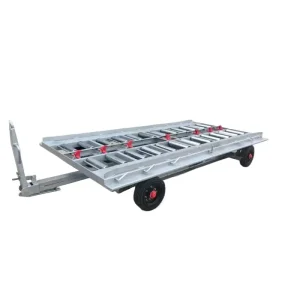
High-efficiency single-container dolly designed for standard LD3 aviation containers.
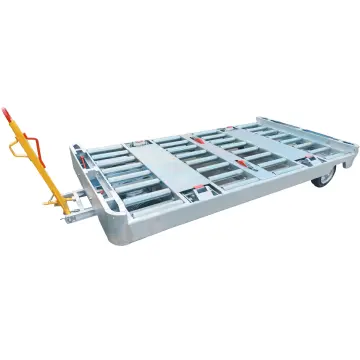
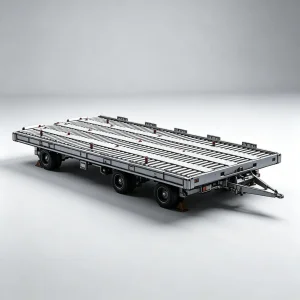
Reinforced chassis structure designed for reliable, high-capacity transport across airport ramps.
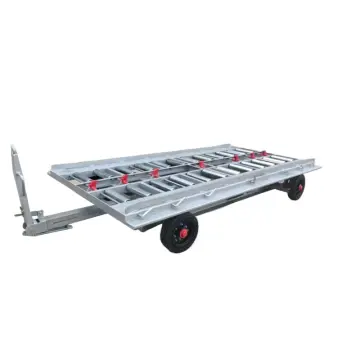
Engineered to carry wider base cargo containers, featuring reliable locking devices for safe transit.
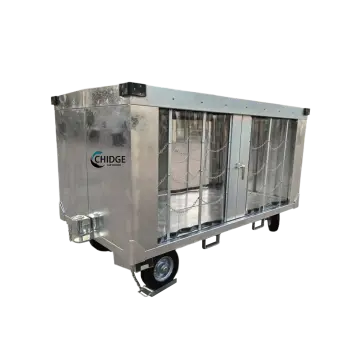
Protects passenger luggage from harsh weather during terminal-to-aircraft transfers.
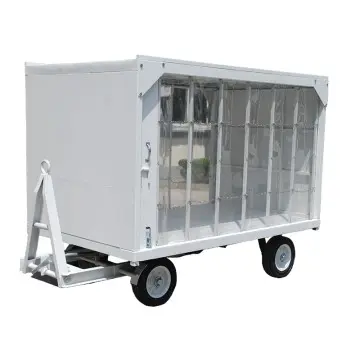
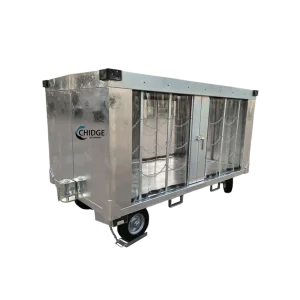
Fully enclosed metal structure preventing luggage loss or weather damage on active airport ramps.
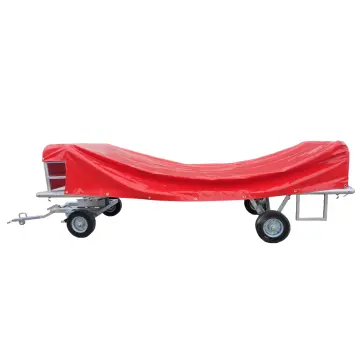
Durable towable trolley designed for fast-paced, multi-car baggage handling operations.
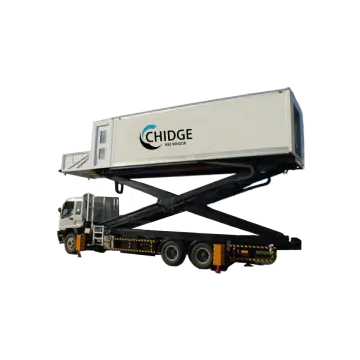
Scissor-lift catering system designed for safe docking with a wide range of aircraft cabins.
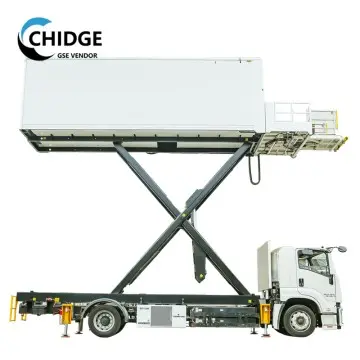
Zero-emission flight catering solution matching modern green airport initiatives.
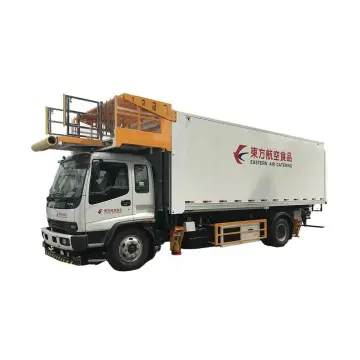
Reliable hydraulic lifting platform built to service long-haul wide-body passenger aircraft.
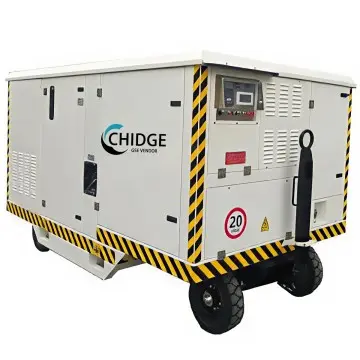
Provides constant, clean, high-temperature airflow for aircraft pre-heating in cold regions.
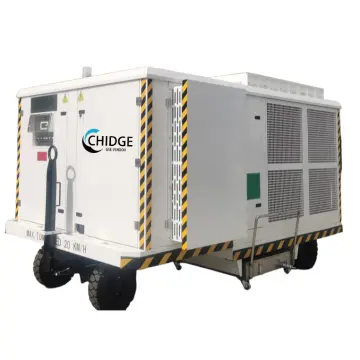
High-capacity Pre-Conditioned Air unit designed to maintain comfortable cabin temperatures during ground stops.
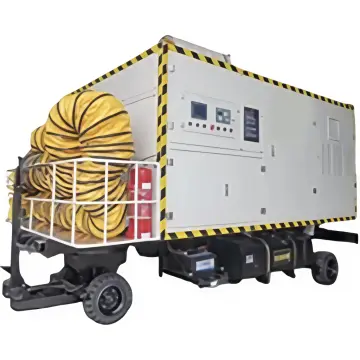
Efficient mobile heating unit designed for narrow-body and regional aircraft models.
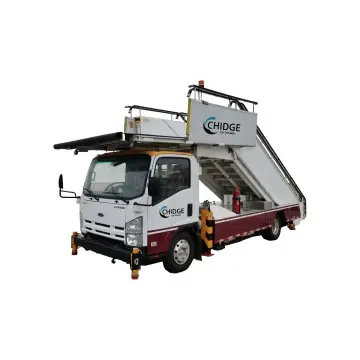
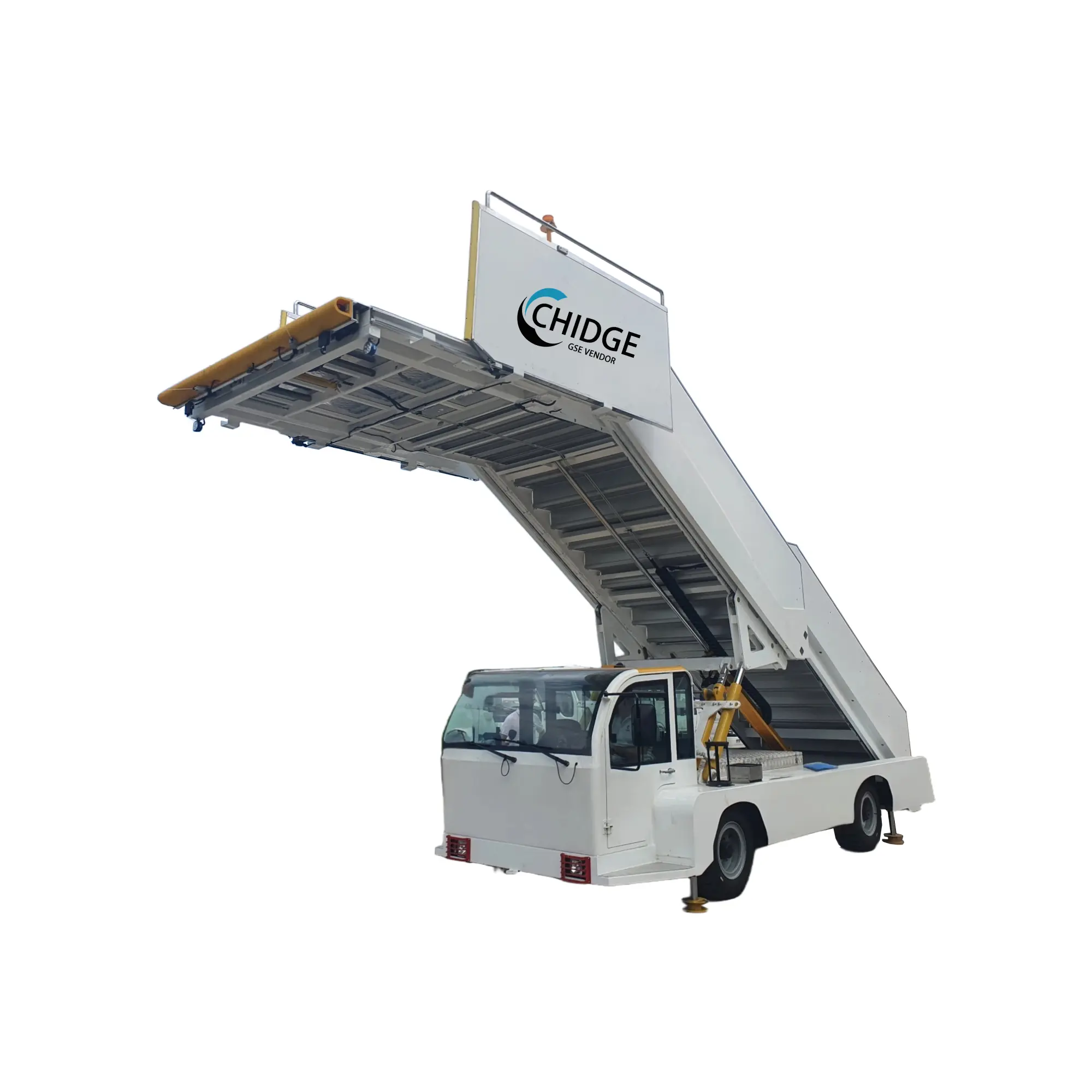
All-electric self-propelled passenger boarding stairs designed to reduce airport emissions.
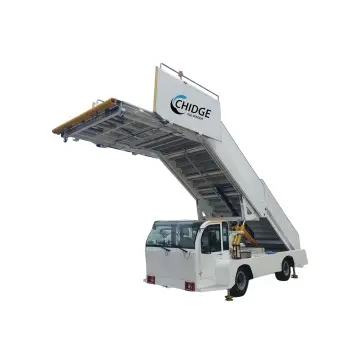
Highly stable diesel boarding stairs with telescoping steps to match various aircraft door heights.
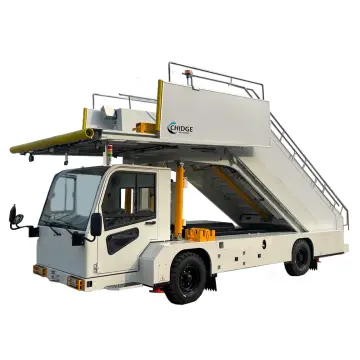
Ergonomic cabin boarding steps with non-slip flooring and wind-resistant safety railings.
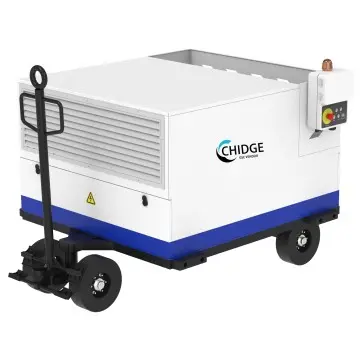
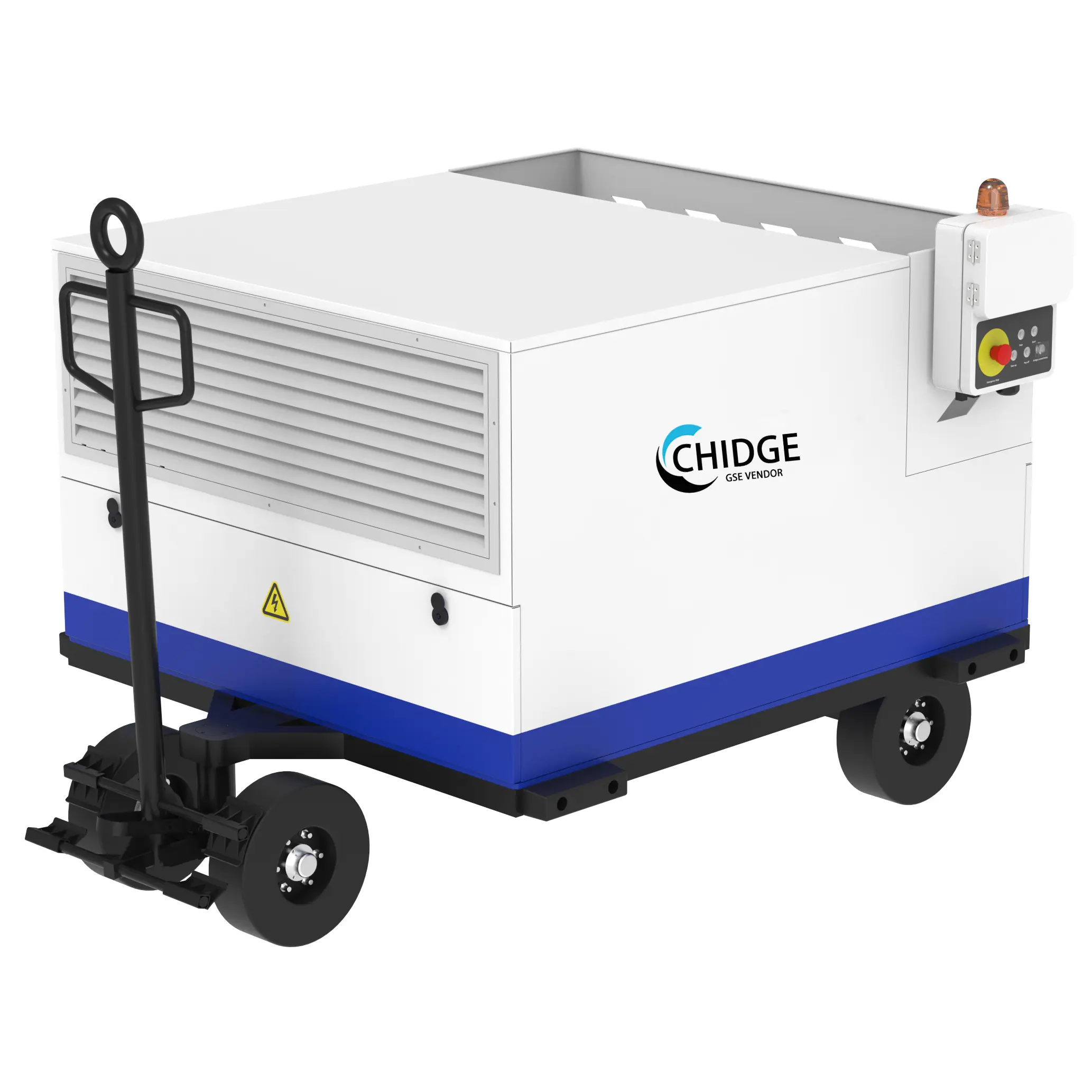
Lithium-battery-based GPU, supplying clean power to aircraft during ground operations without engine noise.
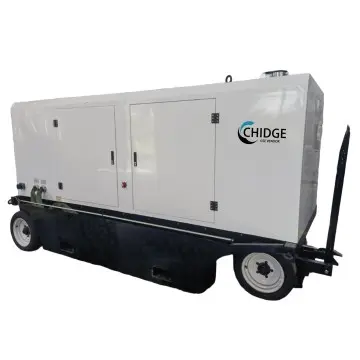
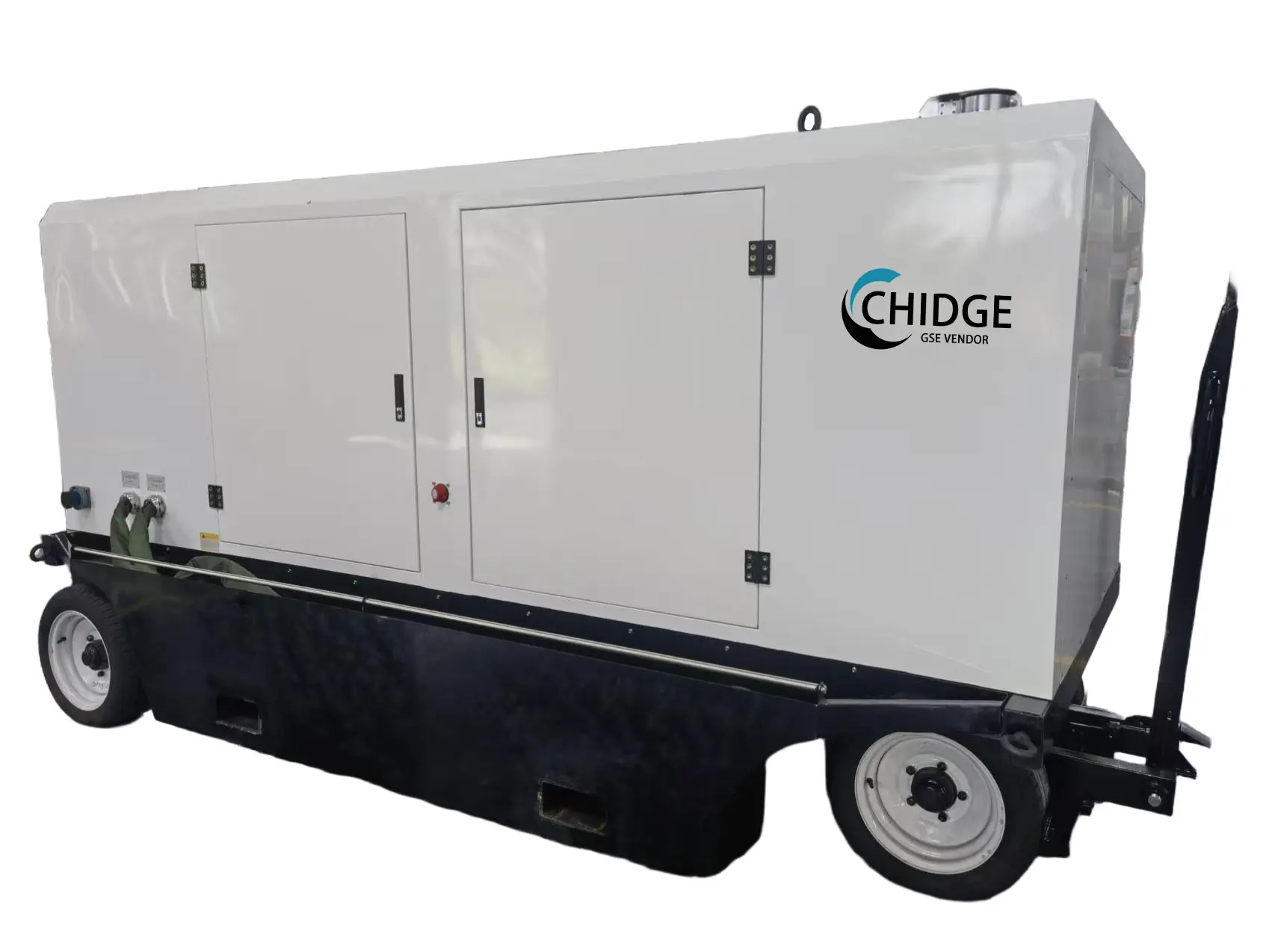
Provides continuous, reliable 400Hz electricity for cockpit avionics systems and cabin checks.
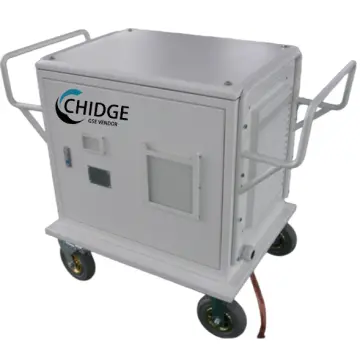
Solid-state frequency converter designed for hangar maintenance bays and passenger jetways.
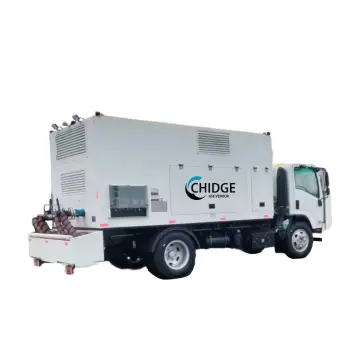
Supplies high-pressure air required to start aircraft jet turbines reliably.
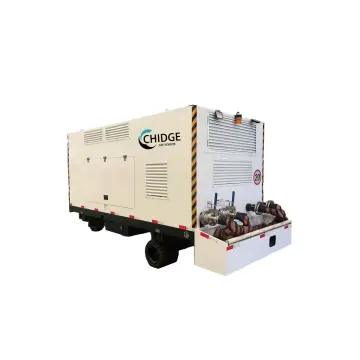
Compact air supply unit designed to service mid-sized narrow-body passenger jets.
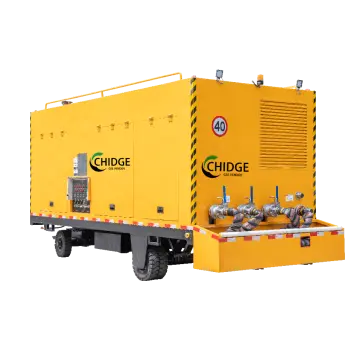
Heavy-duty turbine start support cart designed to service wide-body passenger aircraft.
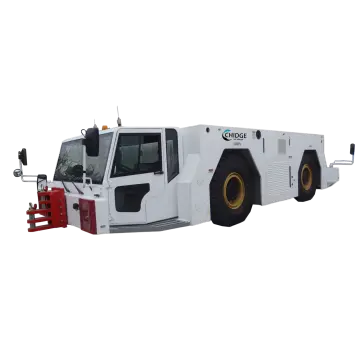
High-tractive pushback tractor designed for secure wide-body commercial aircraft operations.
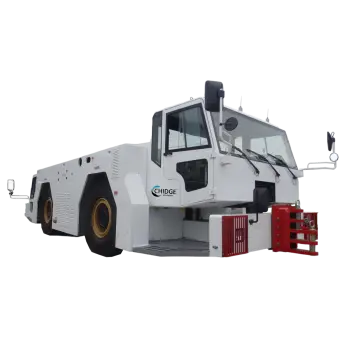
Provides stable power and high drawbar pull for standard commercial passenger flights.
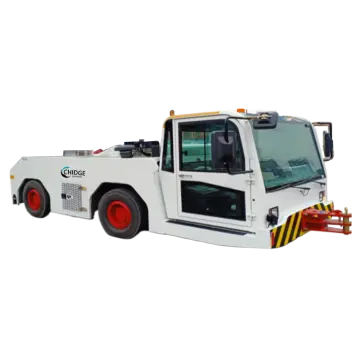
Compact pushback tractor ideal for regional airline networks and busy cargo aprons.
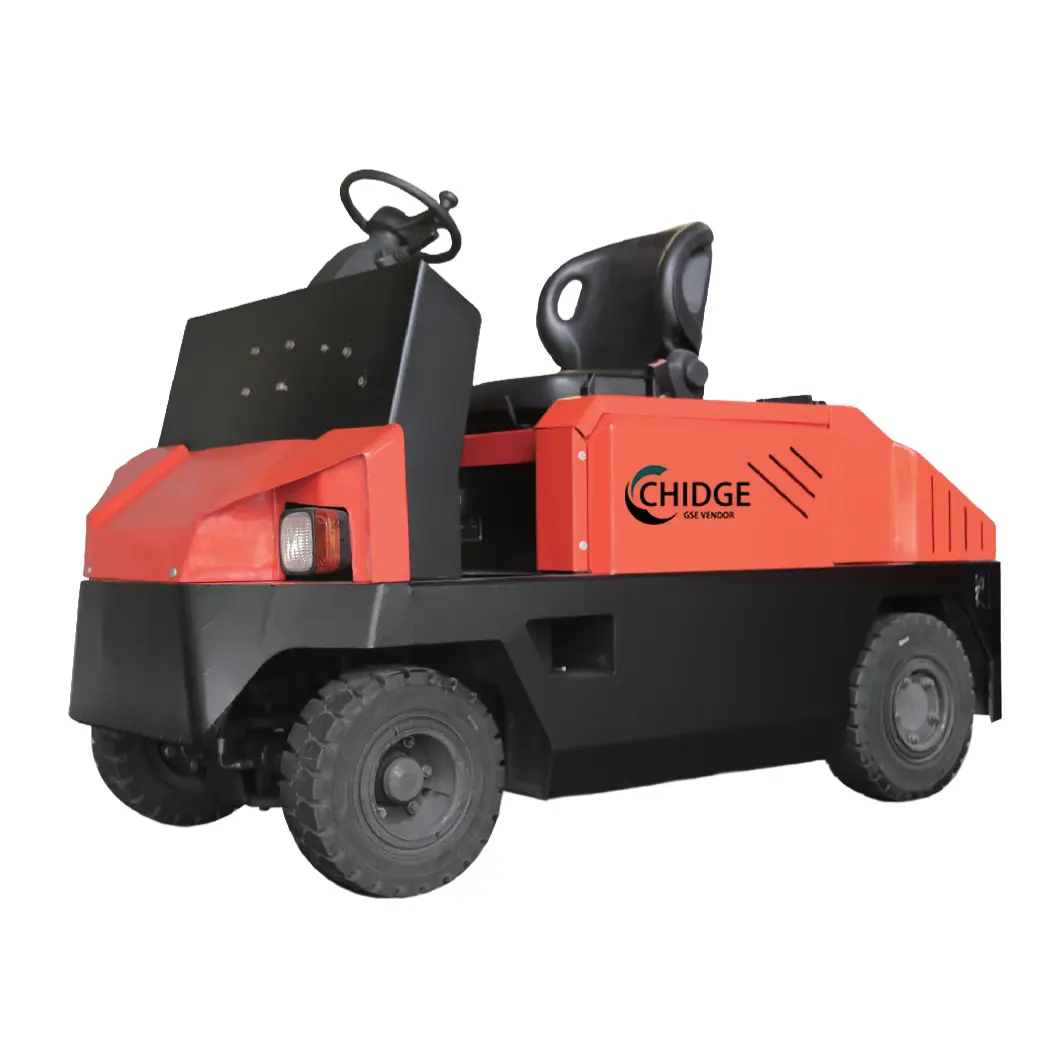
Zero-emission high-efficiency tractor designed for towable baggage trolley arrays.
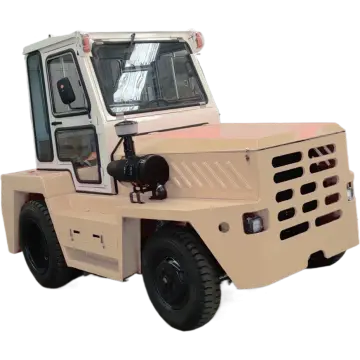
High-torque heavy-duty tractor engineered for hauling heavy freight and mail trailers.
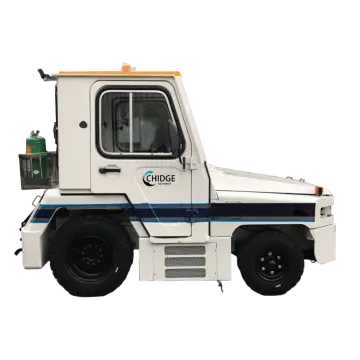
Heavy-duty electric hauler designed for long luggage trolley trains inside cargo complexes.
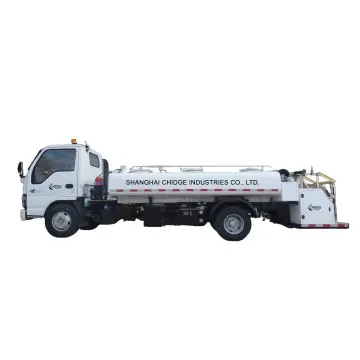
Ensures clean, hygienic, and swift extraction and flushing for passenger aircraft.
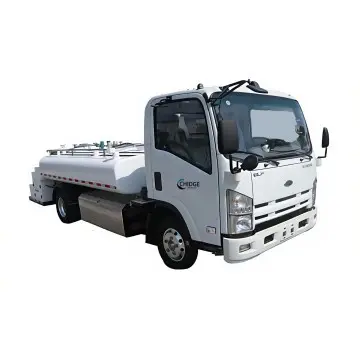
Eco-friendly electric waste servicing truck with corrosion-resistant tank systems.
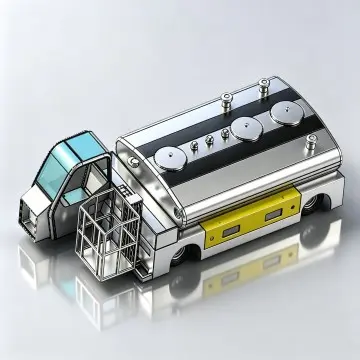
Specialized eco-chassis waste servicing unit designed for international airports.
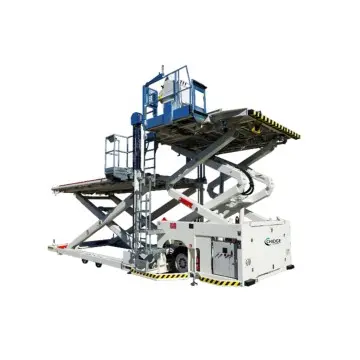
High-reach heavy main-deck air cargo loader with robust hydraulic safety locks.
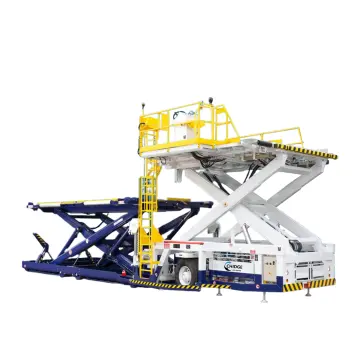
Extra-heavy-duty dual-platform cargo loader for loading major commercial freight fleets.
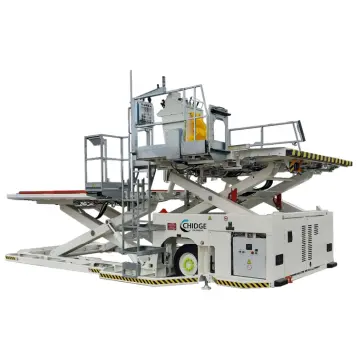
Lower-deck main cargo container loader, offering quick positioning and high performance.
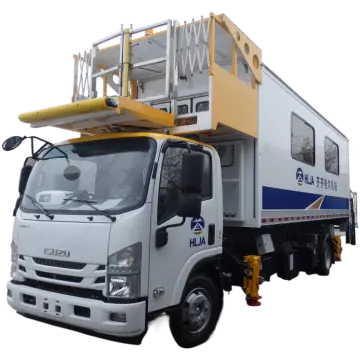
Ensures safe boarding and deboarding for passengers with reduced mobility (PRM).
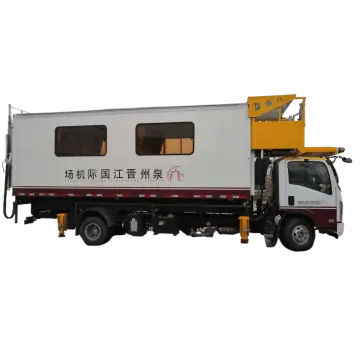
Spacious, climate-controlled hydraulic cabin designed for safe medical-level passenger transfers.
Our dedication to engineering excellence, supply chain efficiency, and global service support is built into every product we manufacture.
We leverage advanced engineering and design capabilities to ensure our products deliver reliable field performance.
High-quality construction helps our products stand out in competitive markets, building customer trust and product reputation.
Our supply chain management, warehousing control, and transport networks support timely delivery even in urgent project scenarios.
Global after-sales service and technical support help resolve operational issues quickly, extending the lifecycle of your equipment.
Whether you require custom dimensions for airport luggage conveyor lines, special fire-retardant belt formulations, or specific chassis colors for ground support vehicles, our team can deliver custom solutions to match your project needs.
Our design process focuses on user needs. From initial planning and design, through manufacturing, testing, and operational support, we offer an integrated service system that helps reduce project costs and increase operational reliability.




As the aviation sector shifts toward intelligent systems and green initiatives, airport logistics infrastructure must evolve. The next generation of luggage conveyor belts and ground support equipment is adopting smart, connected technologies.
By embedding micro-sensors into the belt edges, systems can monitor surface wear and splicing tension in real-time, sending maintenance alerts before failures occur.
Development is focused on 100% recyclable thermoplastic conveyor compounds, reducing carbon footprint while maintaining ISO 340 flame retardancy.
We are expanding our electric ground support line to coordinate with terminal conveyor belts, supporting the transition to zero-emission airport logistics.
We collaborate with airlines, logistics corporations, and airport authorities to deliver robust material handling systems.
Insights into ground support equipment, terminal design improvements, and global airport technology updates.
Expert answers to common engineering, procurement, and maintenance questions regarding luggage conveyor systems.
Engineered for high load-carrying capacity and smooth interface alignment with terminal sorting lines.
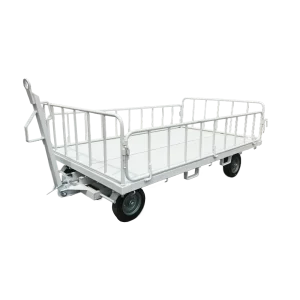
 Chidge Dolly