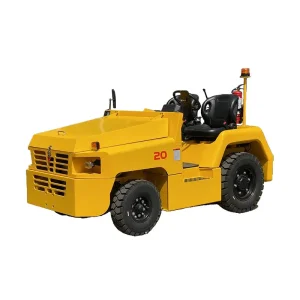
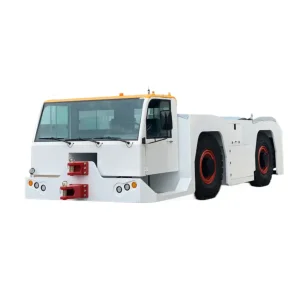
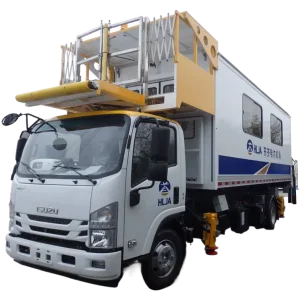
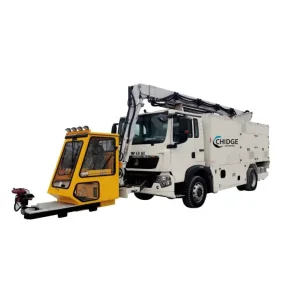
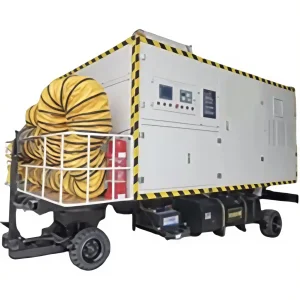
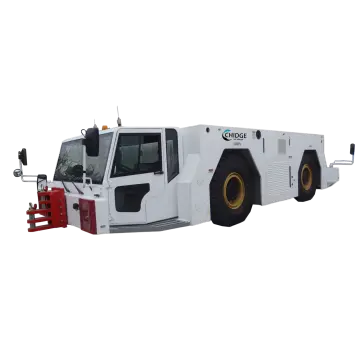
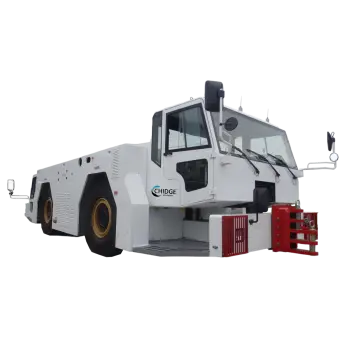
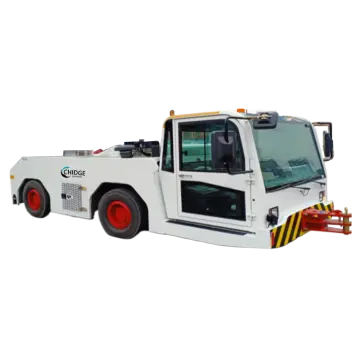
The global aviation landscape is undergoing a radical transformation, and the CD-T150 Airplane Towing Tractor stands at the center of hangar logistics and airport ramp operations. As air traffic returns to pre-pandemic levels, the demand for specialized, high-performance towing tractors in Aviation Factories and Maintenance, Repair, and Overhaul (MRO) facilities has reached an all-time high.
Currently, the market is characterized by a shift toward high-precision maneuvering. The CD-T150 series is specifically designed to bridge the gap between heavy-duty pushback tractors and light-duty tugs, offering a tractive effort that accommodates narrow-body and medium-sized regional jets. In industrial hubs across Asia, Europe, and North America, these tractors are not just equipment; they are the backbone of assembly line transitions, where moving a multi-million dollar airframe requires surgical precision.
From a commercial perspective, aviation factories are increasingly seeking "Custom" solutions. The one-size-fits-all approach is dead. Whether it’s specialized hitch heights for varying nose gear configurations or integrated telematics for fleet management, the CD-T150 is the platform of choice for the world's leading aerospace manufacturers.
Our CD-T150 tractors utilize a heavy-duty steel chassis with optimized weight distribution to ensure maximum traction on wet or icy taxiways. The hydraulic steering system provides a tight turning radius, essential for crowded hangar environments.
We offer both Stage V compliant Diesel engines and advanced Lithium-Ion electric drivetrains. Our electric models reduce noise pollution and carbon footprints, meeting the strict "Green Airport" initiatives mandated by the ICAO.
Every tractor is equipped with emergency stop circuits, anti-skid braking systems (ABS), and inching controls. We adhere to IATA AHM 905, 910, and 913 standards, ensuring global interoperability and operator safety.
The "Custom" aspect of our production line allows us to integrate Information Gain directly into the client's workflow. We don't just provide hardware; we provide data-driven GSE solutions. Our latest roadmap includes the integration of AI-assisted obstacle detection and automated docking features, which minimize human error during the most critical phases of aircraft movement.
Our company's product design and R&D leverage advanced science to ensure high tractive effort with low fuel consumption. We focus on the "smart" tractor concept.
High-quality products meet the expected needs of users and stand out in competitive markets, winning global recognition and an impeccable reputation.
Our supply chain management and inventory control allow us to respond to emergencies and ensure the timely delivery of critical GSE parts worldwide.
Quality after-sales service solves technical problems, enhances customer loyalty, and extends the operational lifespan of the CD-T150 fleet.
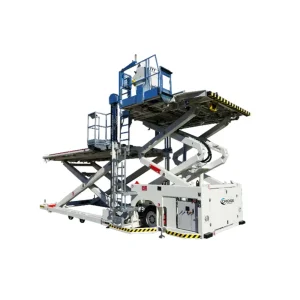
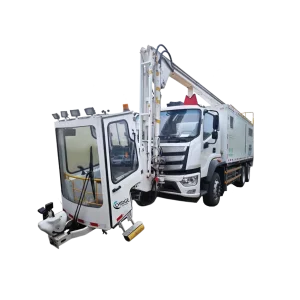
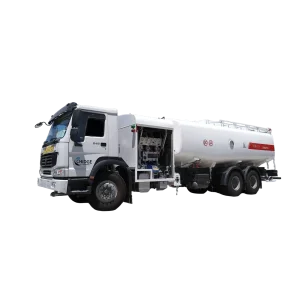
As a leading GSE VENDOR, we provide a holistic approach to airport logistics. Our services extend beyond selling various aviation ground equipment; we provide comprehensive solutions to airlines and logistics companies worldwide.
Total transition of the CD-T150 to modular electric platforms with 5G connectivity for real-time health monitoring and fleet optimization.
Introduction of "Follow-Me" technology where tractors can move within predefined hangar paths with minimal operator intervention.
Full integration with Airport Operational Databases (AODB) to predict GSE needs before the aircraft even lands, reducing turnaround time (TAT) by 15%.
The CD-T150 is designed for a maximum ramp weight of approximately 150-180 tons, making it ideal for the Boeing 737 family, Airbus A320 family, and various corporate jets.
Yes, we specialize in "Custom" aviation factory requirements. We can engineer various towbar-less or towbar-style hitches to match your specific fleet requirements.
Our electric tractors are equipped with Thermal Management Systems (TMS) for the battery packs, ensuring reliable performance in temperatures as low as -40°C.
Standard preventive maintenance is recommended every 500 operating hours, focusing on hydraulic fluid checks, tire integrity, and electrical system diagnostics.
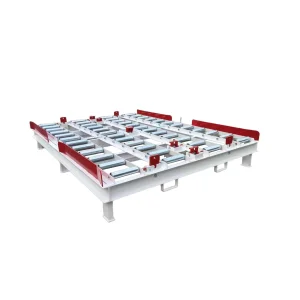
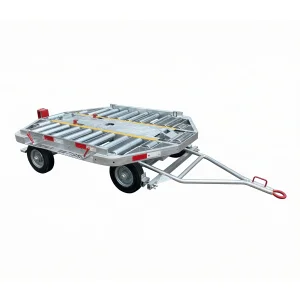
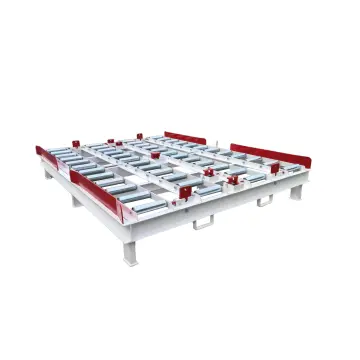
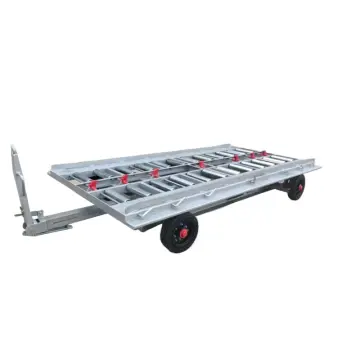
 Chidge Dolly