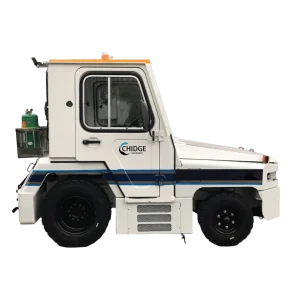
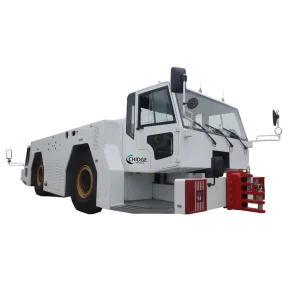
In the high-stakes environment of modern aviation, Aircraft Pushback Airport Manufacturers play a pivotal role in maintaining the operational heartbeat of global hubs. As the industry shifts toward the IATA "Net Zero 2050" goal, the demand for sophisticated, reliable, and sustainable Ground Support Equipment (GSE) has reached an unprecedented peak. This white paper explores the critical intersection of mechanical engineering, digital integration, and environmental stewardship in the aircraft towing and pushback sector.
Our manufacturing processes adhere to the highest international standards, including IATA AHM 910, 913, and 955. We leverage decades of engineering Experience and Expertise to ensure every pushback operation is fail-safe, establishing us as a Trustworthy partner in the global supply chain.
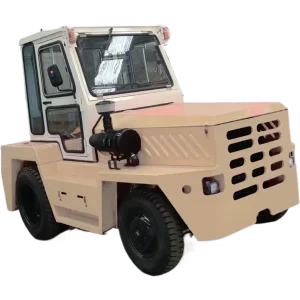
Transitioning from traditional diesel-powered units to high-torque electric motors. Our lithium-ion powered tractors offer zero-emission operations, reduced noise pollution, and significantly lower total cost of ownership (TCO) for airport authorities.
Integration with Airport Collaborative Decision Making (A-CDM) systems. Our equipment is not just mechanical hardware; it is a data node providing real-time telemetry, location tracking, and health monitoring.
The global GSE market is witnessing a fundamental transformation. Procurement departments are no longer searching for "off-the-shelf" products; they require bespoke solutions that address specific regional challenges. For instance, high-altitude airports require specialized engine cooling and oxygenation systems, while coastal airports demand superior corrosion-resistant coatings.
As a leading Aircraft Pushback Airport Factory, we provide end-to-end integration. This includes initial feasibility studies, custom CAD designs based on specific aircraft fleet mixes (from narrow-body A320s to wide-body A380s), and comprehensive on-site training. Our solution-centric approach ensures that the pushback tractor is perfectly synchronized with the ground crew's workflow.
Phase 1: Intelligent Telemetry (Current) - Integration of IoT sensors to monitor battery health, motor temperature, and hydraulic pressure in real-time. Predictive maintenance algorithms reduce unscheduled downtime by 40%.
Phase 2: Semi-Autonomous Operations (2025-2027) - Introduction of "follow-me" technology and obstacle detection systems using LiDAR and Radar. This phase focuses on reducing "wing-tip" collisions and ground accidents caused by human error.
Phase 3: Fully Autonomous Pushback (2030+) - Swarm intelligence and centralized fleet management where tractors move aircraft from gate to taxiway without a driver, controlled by the airport's digital twin.
Operating a global fleet requires more than just manufacturing prowess; it demands Localized Compliance. We ensure our equipment meets CE, UL, and localized aviation authority certifications (such as CAAC, FAA, or EASA standards). Our global network of service centers ensures that spare parts are available within 24-48 hours, minimizing the risk of grounded aircraft due to GSE failure.
Our R&D team utilizes advanced simulation software to test stress points on towbarless (TBL) and conventional tractors, ensuring maximum durability under extreme loads.
Every unit undergoes a rigorous 50-point inspection before dispatch, including load tests that exceed 125% of the rated capacity.
We provide a comprehensive digital portal for customers to track service history, download manuals, and order parts with a single click.
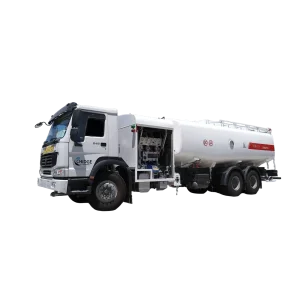
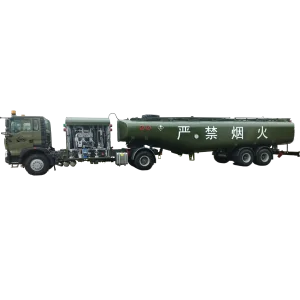
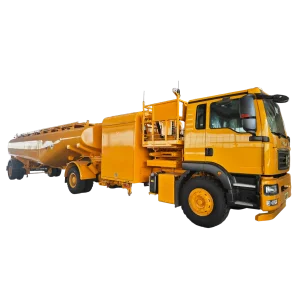
Our core manufacturing lineup includes the highly acclaimed CD5207GJJ Aircraft Tank Refueling Truck, a masterpiece of fluid dynamics and safety engineering. It consists of a specialized chassis, precision-welded oil tanks, a high-performance pumping system, and an intelligent control unit. Functions such as multi-stage filtration, accurate metering, and automated pressure control are standard, ensuring the safety of every refueling operation.
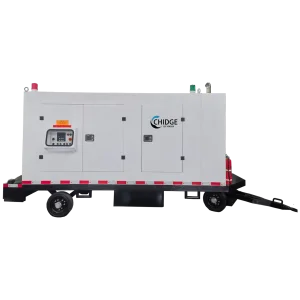
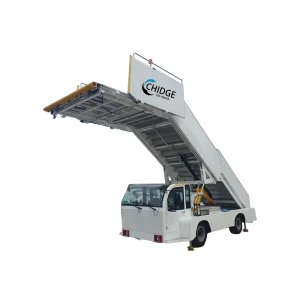
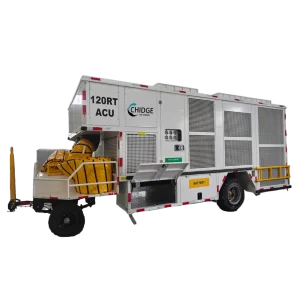
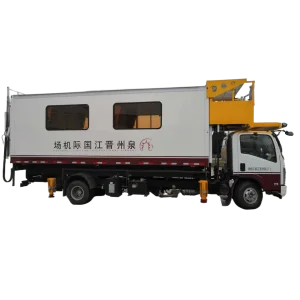
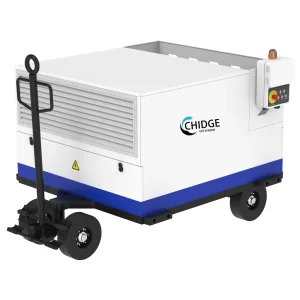
Furthermore, our Self-propelled Passenger Boarding Stairs and Energy Storage Ground Power Units (GPU) represent the pinnacle of ground-side efficiency. By integrating energy storage technology, we allow airports to utilize peak-shaving strategies, reducing electrical costs while providing stable 400Hz power to the aircraft.
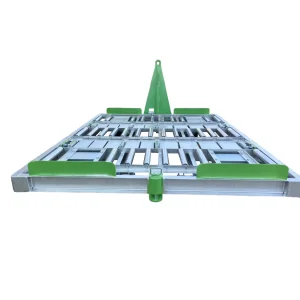
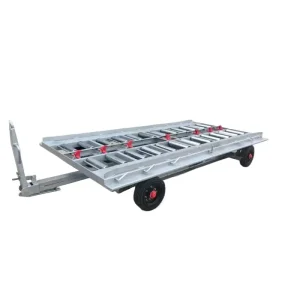
 Chidge Dolly