Heavy-duty, high-capacity dollies and dollies configurations built to optimize ramp handling logistics and cargo operations.
Modern aviation hubs demand highly synchronized ground operations where every second saved on the tarmac directly impacts airline profitability and airport efficiency. Aircraft push back tractors sit at the critical path of flight departure. As airports transition to high-throughput, low-emission operation models, the demand for specialized, custom towing systems has surged globally. Today's commercial fleets range from regional turboprops to ultra-large wide-body airliners like the A380 and B777-9, each requiring precise tractive efforts, specific nose gear attachment styles, and custom safety configurations.
Globally, Ground Handling Service Providers (GHSPs) and leading airlines are adjusting their procurement criteria. No longer are simple diesel towing tractors the default option. Factors such as Total Cost of Ownership (TCO), noise level mitigation in ramp zones, carbon offsets, and precision safety features dictated by IATA AHM (Airport Handling Manual) standards are reshaping purchasing patterns. Consequently, custom manufacturers that can rapidly deliver versatile equipment optimized for both traditional towbar configurations and advanced towbarless (TBL) operations are claiming the majority of global market share.
Understanding the true mechanics of drawbar pull (DBP) is vital. Calculating the tractive effort needed to overcome static inertia on wet, icy, or sloped aprons involves understanding friction coefficients and structural weight distribution. We design our custom aircraft push back tractors to provide precise torque delivery via advanced hydrostatic or AC electric drivetrains. This prevents tire slippage and ensures smooth, shock-free acceleration profiles, protecting the aircraft's landing gear from stress fractures.
By integrating real-time telemetry, IoT diagnostic sensors, and automated safety overrides, our GSE sets a new benchmark for structural safety. This data-driven approach allows engineering teams to perform predictive maintenance, minimizing unplanned downtime and ensuring dispatch reliability of the ground support fleet.
The transition from mechanical drivetrains to green, automated, and intelligent ground support machinery.
Ground operations are undergoing a rapid paradigm shift towards carbon neutrality. Our technical roadmap prioritizes high-voltage Lithium Iron Phosphate (LiFePO4/LFP) battery architectures, offering extreme cycle lives and thermal stability. These electric powertrains remove emissions from gate areas while significantly reducing maintenance overheads compared to traditional internal combustion engines (ICE). Furthermore, we are designing modular hydrogen fuel cell hybrids for long-range, continuous-use towing environments, providing rapid refueling times and uncompromised drawbar pull in challenging operations.
Ground safety accidents damage critical assets and disrupt airport operations. Our engineering platform integrates advanced LiDAR systems, 3D stereoscopic depth cameras, and ultrasound arrays that feed directly into a centralized PLC controller. By adhering strictly to IATA AHM 913 collision avoidance directives, the tractor automatically slows and halts when approaching defined proximity boundaries around the landing gear and aircraft fuselage. The future points towards semi-autonomous and remote-controlled push back operations, streamlining ground handling personnel requirements.
| Drivetrain Paradigm | Typical Aircraft Range | Drawbar Pull (Max) | Environmental / Emission Class | Maintenance Overhead |
|---|---|---|---|---|
| Hydrostatic Diesel | Wide-body (A350/B777) | Up to 350 kN | Euro V / Stage IV Compliant | High (Hydraulics, Engine, Oils) |
| Lithium-Ion Electric | Narrow to Wide-body | Up to 280 kN | Zero Direct Emissions | Low (Maintenance-free AC motors) |
| Hydrogen Fuel Cell | Heavy Wide-body (A380) | Over 400 kN | Zero Emissions (Water byproduct) | Medium (Fuel cell stack diagnostics) |
Ground support equipment must operate flawlessly across vastly different climates and environments worldwide.
Ground service equipment (GSE) working in cold regions like Northern Europe, Canada, and high-altitude fields in western China faces low air density and sub-zero starts. To counter this, our custom towing tractors use low-temperature heaters for batteries, cold-resistant hydraulic fluids, and electronic control systems that work down to -40°C. For high altitudes, diesel systems are calibrated to manage lower oxygen levels, keeping power steady without overheating.
In coastal or desert zones like the Middle East and Southeast Asia, equipment faces heavy dust, salt spray, and extreme heat. Our GSE features IP66-rated electrical enclosures, anti-corrosion coatings, and multi-stage air filtration to block fine sand. Heavy-duty liquid cooling radiators keep components at safe temperatures during summer runway heat, protecting engines and electrical systems.
Leveraging vertical integration, scale economics, and robust logistics clusters to deliver high-quality GSE to global clients.
Our Chinese manufacturing centers benefit from an integrated raw steel, precision machining, and electrical supply chain. Keeping heavy manufacturing, sheet metal work, component assembly, and system software development under one roof allows us to significantly shorten prototyping and production schedules. This setup makes it easy to customize cabin heights, update lighting rigs, and adjust nose gear latch styles to match our clients' specific operations.
Operating out of key coastal industrial zones gives us direct access to deepwater ports like Shanghai and Shenzhen. We conduct rigorous factory tests, including dynamic load and brake tests under full weight conditions, before shipping. Partnering with major international roll-on/roll-off (RoRo) and container shipping lines guarantees reliable, cost-effective delivery to airports and logistics companies worldwide.
Discover our engineered solutions designed to streamline ground handling, refueling, towing, cabin conditioning, and passenger transport.
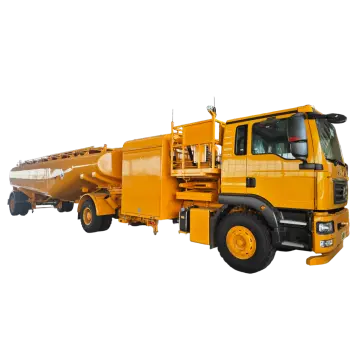
Equipped with optimized chassis, high-capacity tanking, advanced filtration, and precise metering controls for reliable ramp fueling.
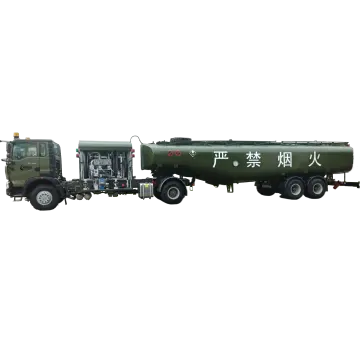
Designed for heavy widebody operations, featuring high-flow pumping systems and integrated pressure control systems.
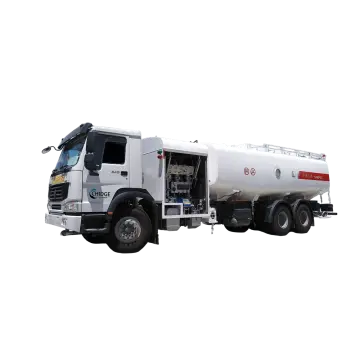
Mid-range tactical refueling vehicle with dual-loop safety valves and self-circulation systems for high uptime.
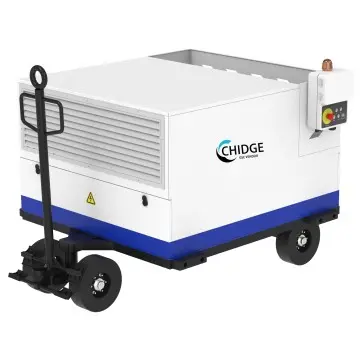
Eco-friendly hybrid/battery-powered design delivering clean 400Hz and 28.5V DC power to parked aircraft.
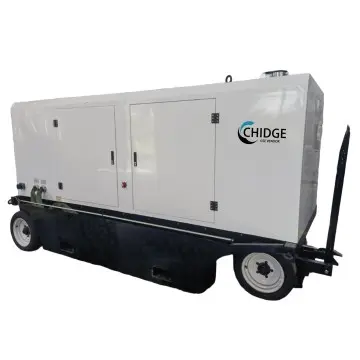
High-efficiency solid-state converter providing reliable electrical system startup power for mainline fleets.
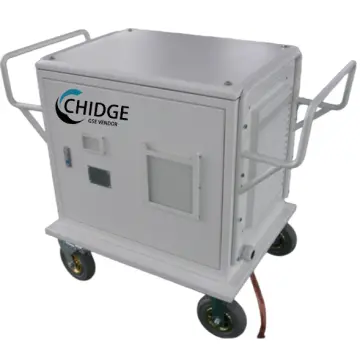
Low-noise, emissions-free static frequency converter designed for bridge-mounted installation.
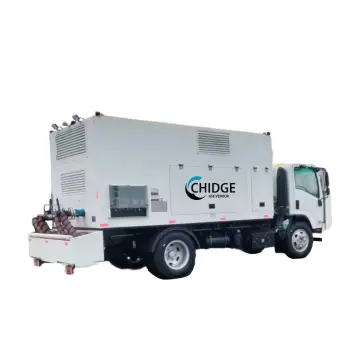
Provides high-volume compressed air required to start main aircraft engines on all commercial models.
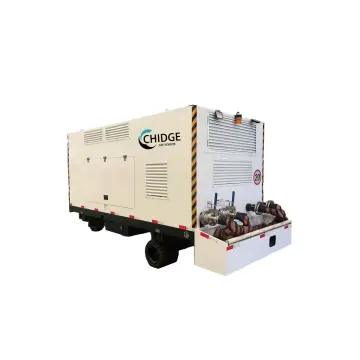
Towable high-pressure air supply system engineered with integrated safety release valves.
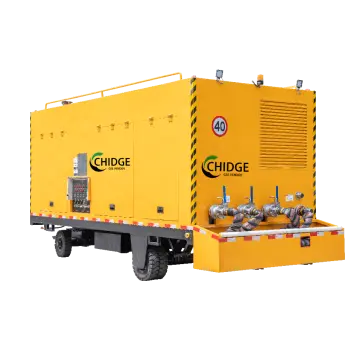
Heavy-duty, high-capacity model designed for rapid turnaround times on large passenger aircraft.
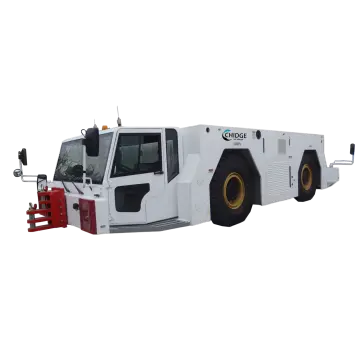
Flagship heavy tractor engineered for widebody aircraft handling, featuring extreme drawbar pull.
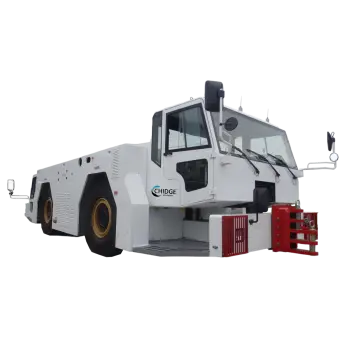
Mid-range airport tractor delivering reliable pushback operations for regional and mainline aircraft.
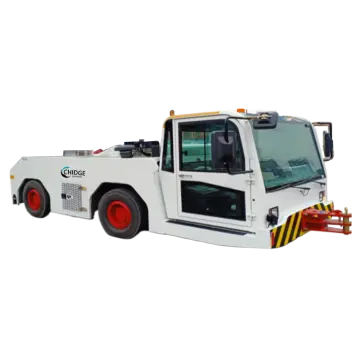
Compact, agile tug optimized for regional airliners and general aviation hangar operations.
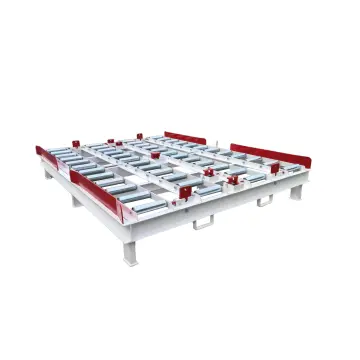
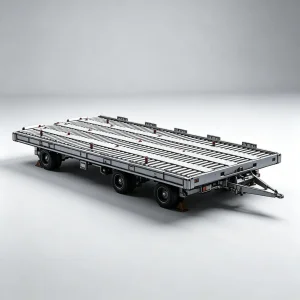
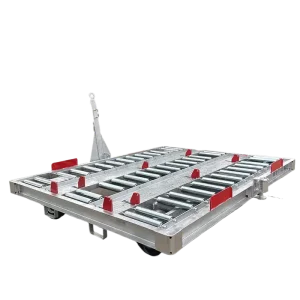
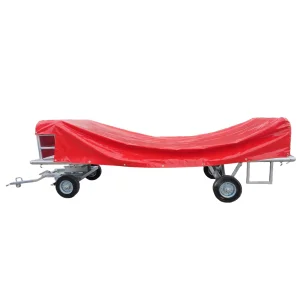
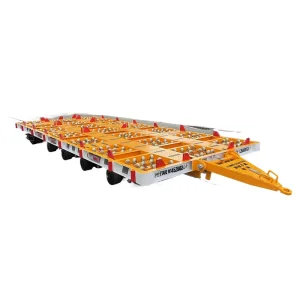
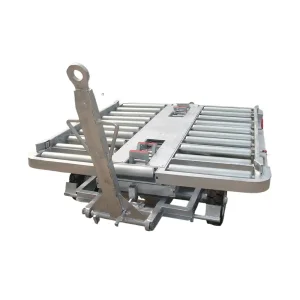
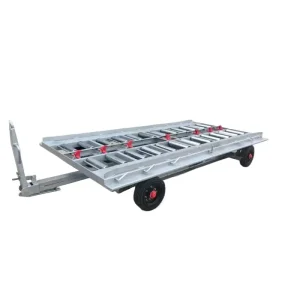
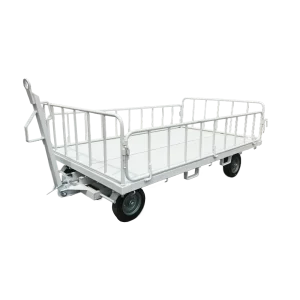
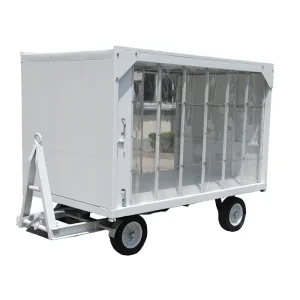
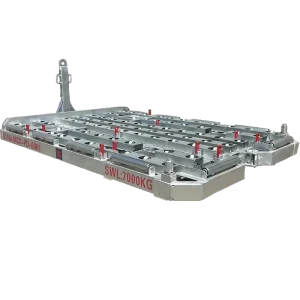
Low-profile cargo platform designed for seamless ULD transit and warehouse integration.
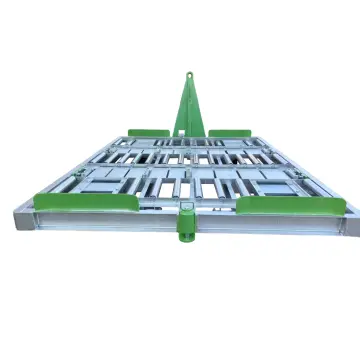
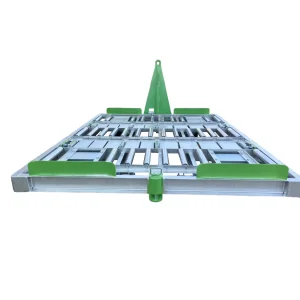
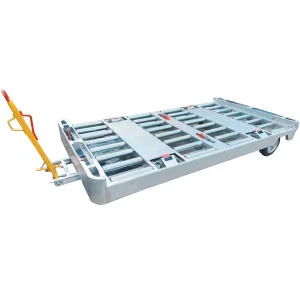
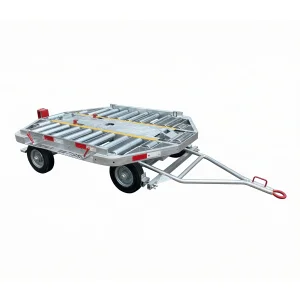
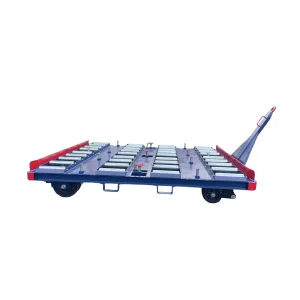
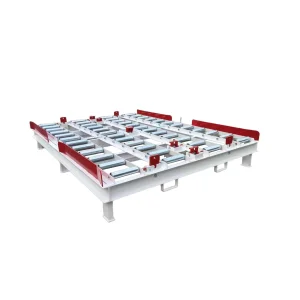
Reinforced steel framing with multi-directional roller systems for reliable pallet movement.
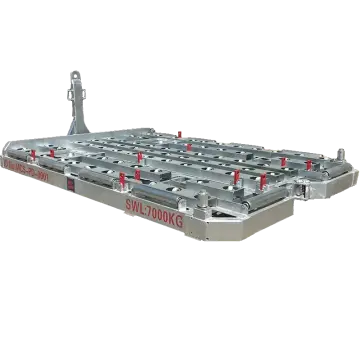
Equipped with a rotation surface system designed to handle standard 7-ton logistics containers.
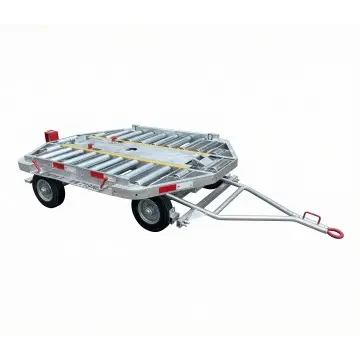
Precision-molded guidance paths optimized for swift LD3 container securing on the ramp.
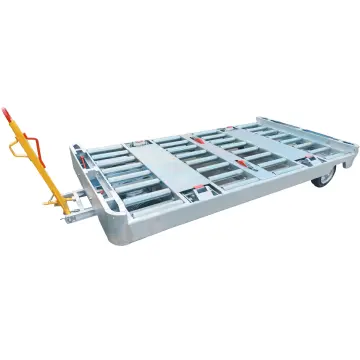
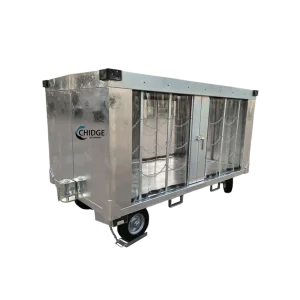
Built with robust frame reinforcements and high-grade suspension for all-weather conditions.
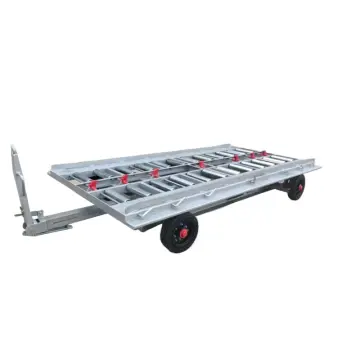
Dual-locking safety systems custom-fitted for safe securement of LD6 cargo containers.
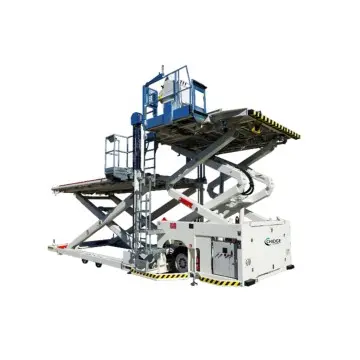
High-lift cargo platform with structural stability controls for maindeck loading.
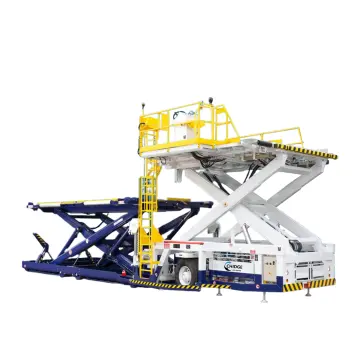
Super heavy-duty deck system engineered to easily elevate oversize cargo loads.
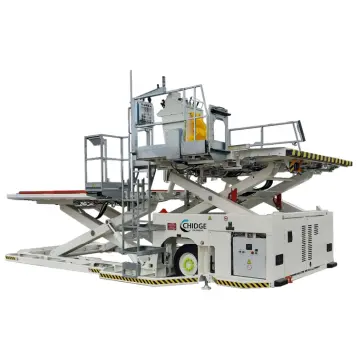
Dual-platform design facilitating fast, safe ULD cargo transfers to and from aircraft.
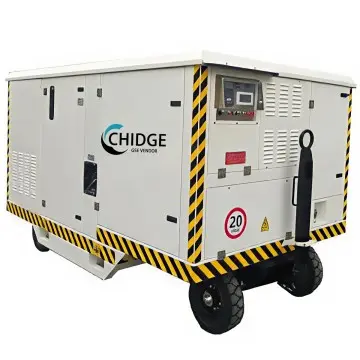
Provides constant, reliable forced hot air to cabins parked in severe arctic conditions.
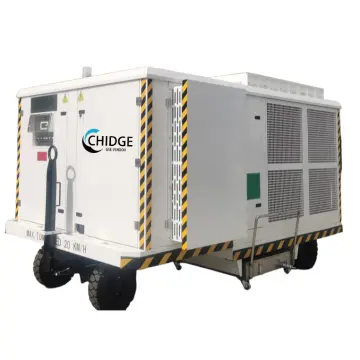
Supplies temperature-controlled filtered air, reducing APU fuel burn at the gate.
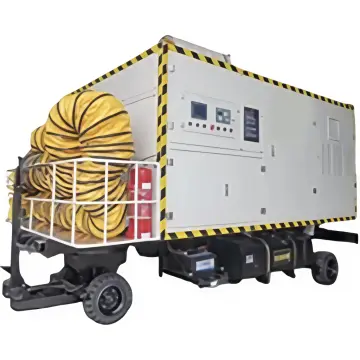
Compact ground heating unit designed for fast deployability on regional routes.
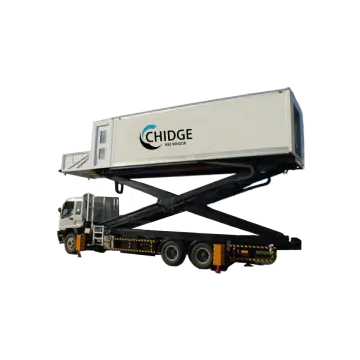
Stable scissor-lift chassis delivering fast, safe transport for galley provisioning.
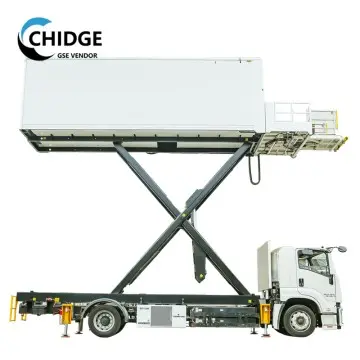
Zero-emission battery-electric configuration designed to lower airport fleet carbon footprints.
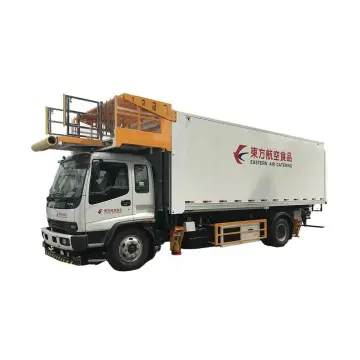
Insulated, height-adjustable cargo compartment designed to meet international catering safety guidelines.
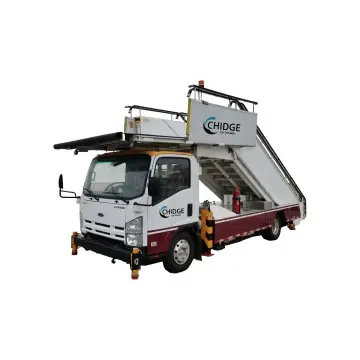
Features slip-resistant steps and soft LED step lighting for safe, easy boarding.
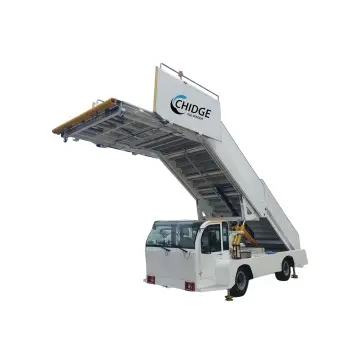
Telescopic stair system with auto-leveling platforms for secure alignment to aircraft doors.
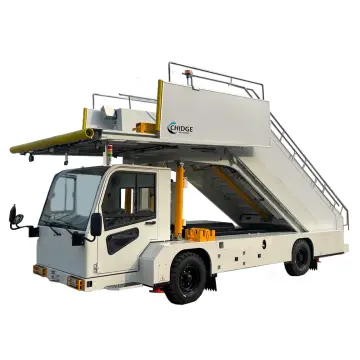
Engineered for high-volume boarding, with robust safety handrails and protective canopies.
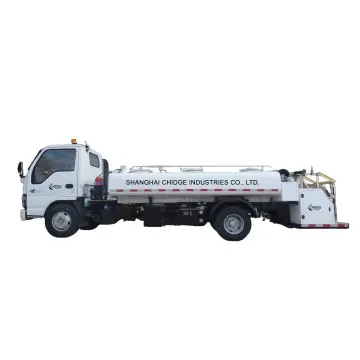
Equipped with corrosion-resistant waste tanks and high-pressure rinsing systems.
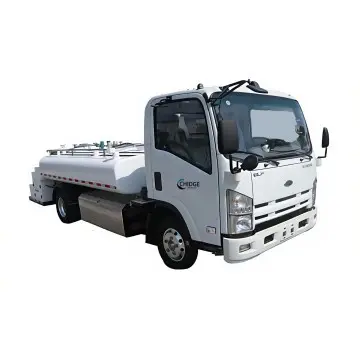
Constructed with food-grade stainless steel tanks to deliver safe drinking water to aircraft.
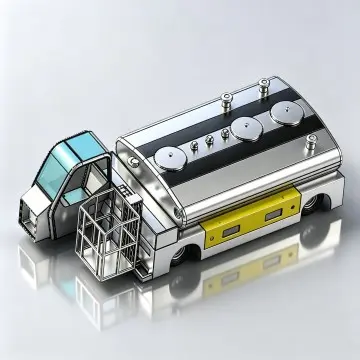
Quiet, battery-powered model providing clean, reliable lavatory service in gate areas.
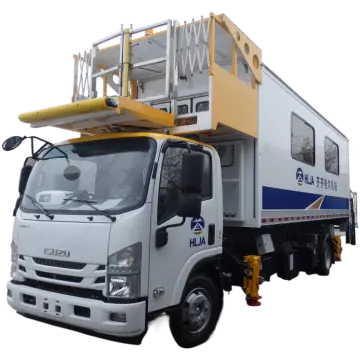
Designed for passengers with reduced mobility (PRM), featuring smooth lift mechanics and safety locks.
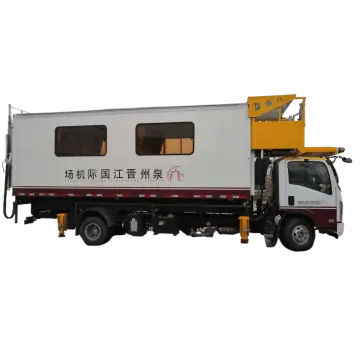
Hydraulic lift cabin with custom wind-bracing systems, offering safe boarding options at remote stands.
Providing custom, integrated ground support solution designs from initial concept layout to final testing.
We manage the entire equipment creation process, including planning, structural analysis, layout design, final fabrication, and field testing. This approach helps ground operators integrate new machinery, lower operational costs, and boost overall efficiency. Whether it's adding specialized hitches, configuring custom electric motor setups, or updating cabin controls, our team delivers reliable solutions tailored to your operational needs.
Every custom build undergoes strict quality inspections. Our testing covers electrical insulation checks, structural load analysis, hydrostatic pressure verifications, and cold weather performance. We ensure every unit fully complies with major international standards like CE, ISO, and local airport authority guidelines before delivery.
Why international airlines and airport operators rely on our GSE systems for critical ground operations.

We leverage advanced design tools, structural FEA mapping, and battery management innovations to build reliable, high-performance ground equipment.

Premium steel, strict weld inspections, and name-brand component selection help our equipment stand out in tough industrial conditions.

Integrated manufacturing and close connections to major shipping hubs ensure prompt delivery schedules, even for custom orders.

We provide remote diagnostics, quick spare parts delivery, and direct on-site support to keep your operations running smoothly.
Our mission is to deliver dependable equipment and ongoing support, helping our partners optimize their ground handling operations.
Insights, trends, and guidelines to help you optimize ground handling operations and improve ramp safety.
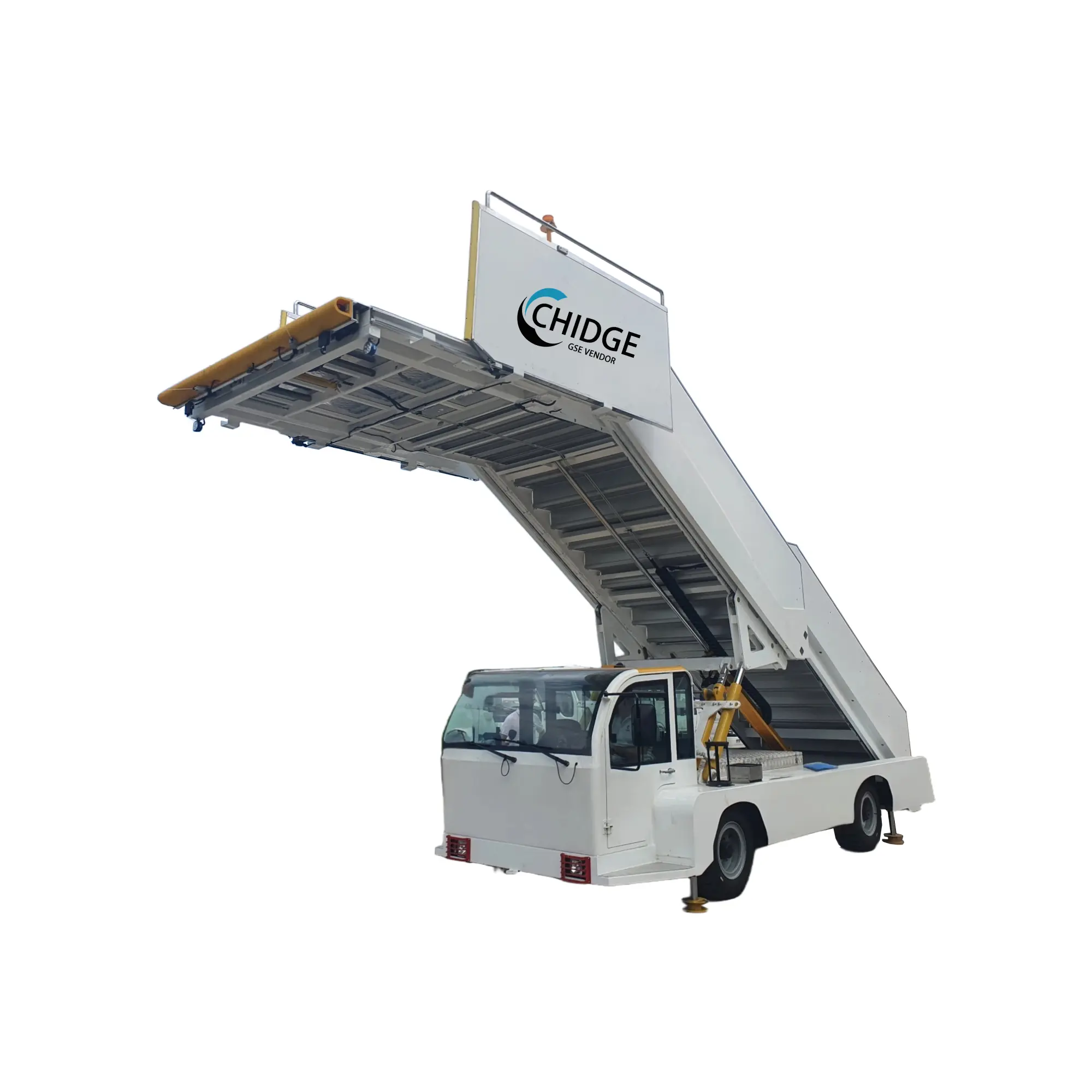
Discover the key safety systems, wind-bracing designs, and structural standards used in modern mobile passenger boarding stairs.
Published: 2026-05-27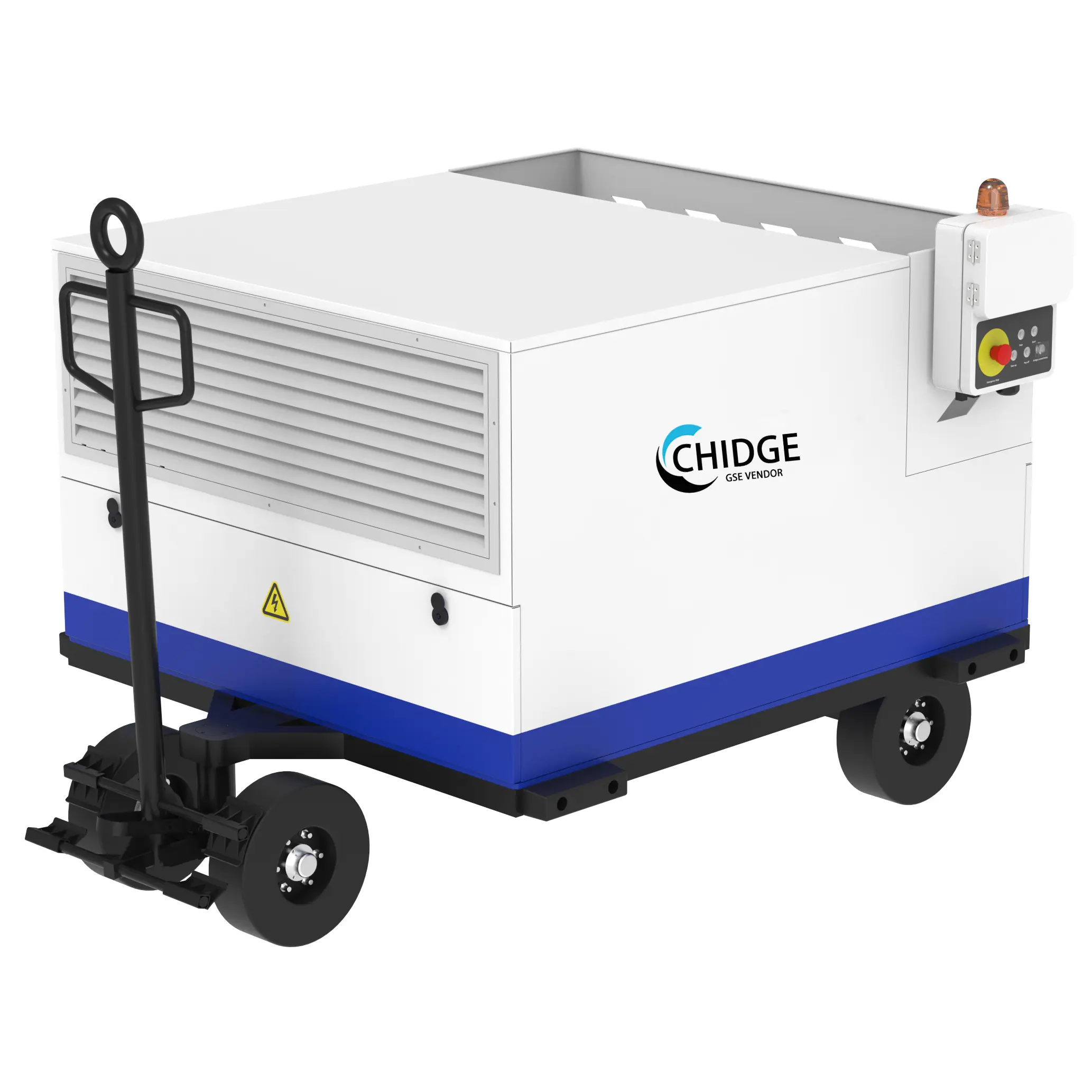
Learn how battery-backed ground power units help lower gate emissions and reduce dependance on aircraft engines.
Published: 2026-05-19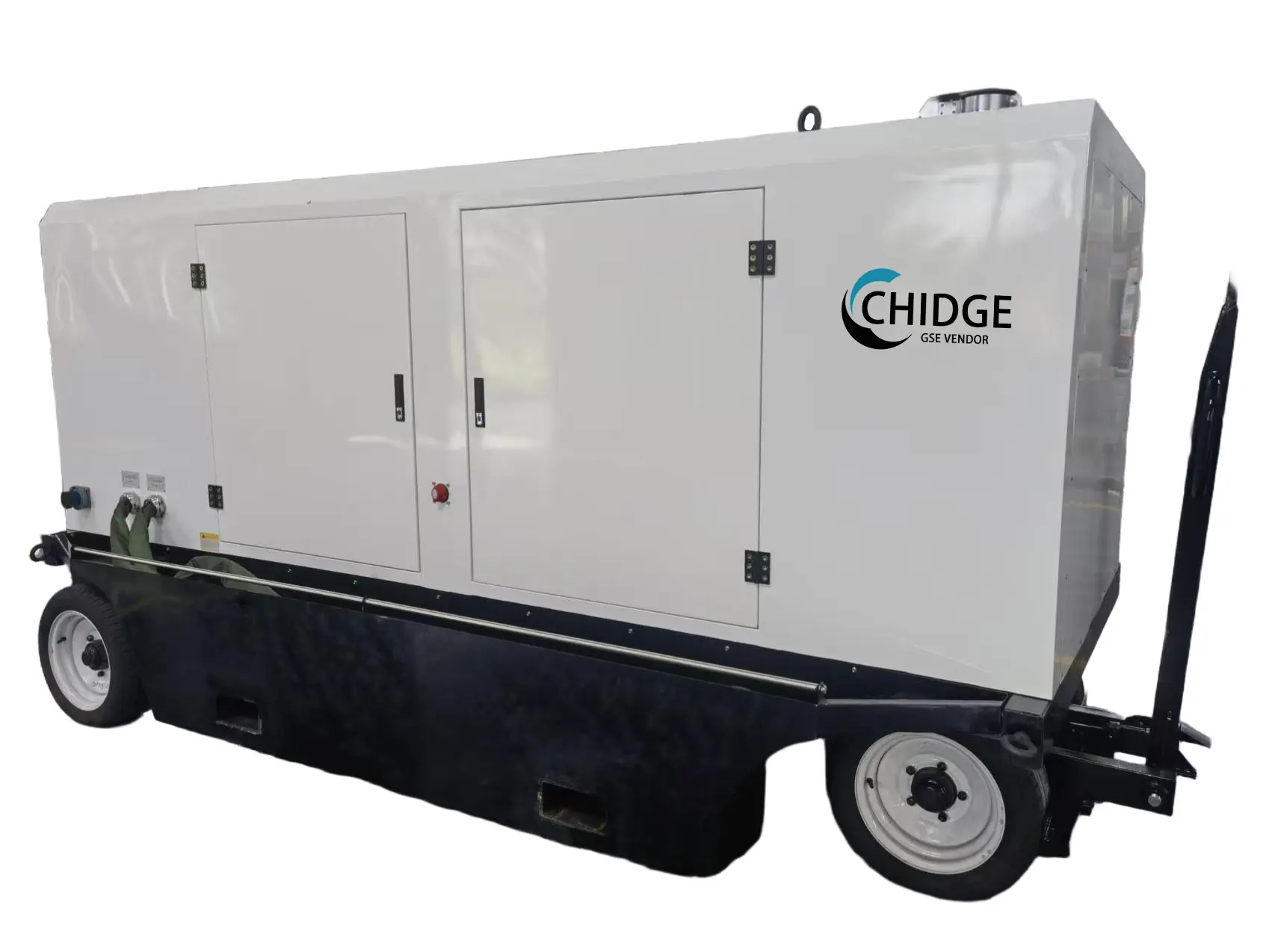
A close look at power demands, 400Hz standards, safety configurations, and electrical specifications for parked aircraft.
Published: 2026-05-18Expert answers regarding aircraft push back operations, safety parameters, and customizations.
Drawbar pull is determined by the aircraft's Maximum Ramp Weight (MRW), the friction coefficient of the runway surface, and the slope of the apron. Under dry conditions, we typically calculate the DBP at 10% to 15% of the aircraft's total weight. Slippery or sloped runways require higher values to overcome resistance and ensure controlled towing.
Our towing equipment uses built-in relief valves, shear pin brackets, and electronic load limiters. If the towing force exceeds preset limits during a turn, the system cuts power or releases to prevent stress on the nose gear.
Electric models significantly cut carbon emissions and run much quieter, which is ideal for passenger gates. They also require less maintenance because they don't have engines, oil systems, or exhaust components, helping reduce operating costs over the life of the vehicle.
Our products meet international certifications including CE and ISO 9001. We design and build our equipment in strict accordance with major IATA standards, such as IATA AHM 910, 913, and 955, ensuring compatibility and safety for global airlines.
Explore our complete range of passenger stairs, catering trucks, water and waste service vehicles, and specialized towable dollies.
 Chidge Dolly