Engineered to exact IATA standards for robust, high-frequency airport operations
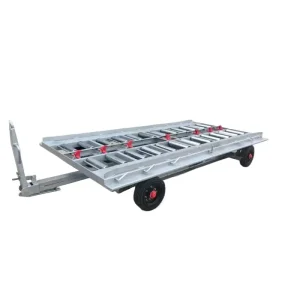
Designed for heavy cargo handling, offering ultimate rollability and anti-corrosive galvanized steel construction for long service life.
View Details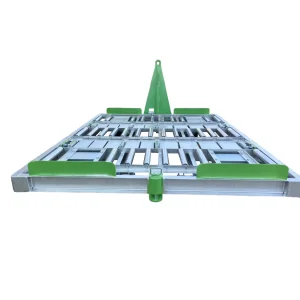
Versatile configurations featuring dynamic braking mechanisms and heavy-duty load capacities for airport warehouse operations.
View Details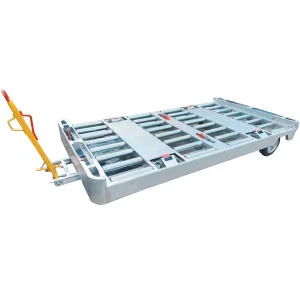
Built for industrial-scale airport ground operations with customized dimensions, brake setups, and multi-directional casters.
View Details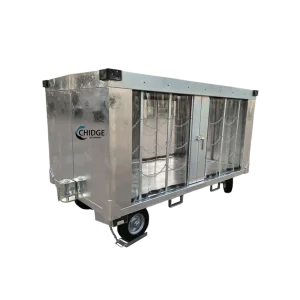
Provides complete weatherproof baggage security with lockable enclosures, customized for high-humidity and rainy airfield climates.
View Details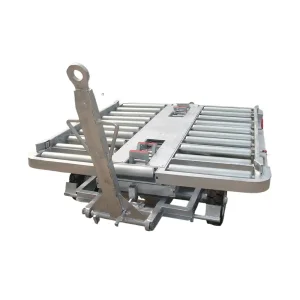
Optimal weight distribution layout for LD3 unit load devices. Strong wear-resistant rolling elements for simplified ramp towing.
View Details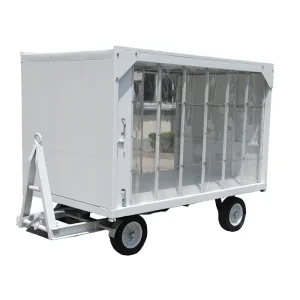
Features structural containment side panels and heavy-duty vinyl covers protecting terminal-to-aircraft passenger luggage.
View Details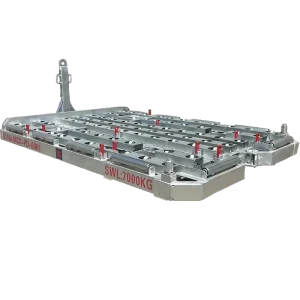
Engineered for seamless container rotation and positioning. Features a heavy-duty bed rated for long duty cycle tasks.
View Details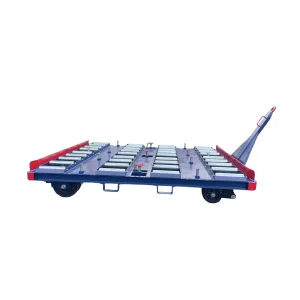
Ideal standard size for global air transport pallets. Designed with anti-slip walkways and low-resistance rollers for crew safety.
View DetailsIn the modern aviation ecosystem, terminal ground handling accounts for a significant portion of aircraft turnaround times. Efficient management of Unit Load Devices (ULDs) such as the LD3 container directly affects an airline's bottom-line performance. Our custom-designed LD3 container dollies act as the critical link in airport ramp transportation, optimizing transit pathways between cargo hubs and aircraft cargo holds.
Deploying high-efficiency container dollies directly mitigates risk of delays. By integrating heavy-duty structures, low-rolling-resistance casters, and smart-guided mechanics, airport ground handlers can achieve up to a 15% reduction in overall cargo loading cycles. Additionally, structural dampening ensures delicate and high-value cargo is protected from high-frequency shocks during fast transport across uneven concrete or tarmac joints.
Global air freight traffic demand has driven airports to restructure handling procedures. Commercial operations require robust ground support equipment (GSE) that withstands continuous cycles under extreme climate conditions. From the freezing terminals of Northern Europe to the humid airfields of Southeast Asia, GSE components must deliver uptime without intensive maintenance breaks.
As leading manufacturers based in China, we leverage comprehensive supply chains to engineer heavy-duty container dollies that match global standardization directives. Industrial statistics point toward a growing demand for electric-compatible and high-durability fleets. Our factories deploy robotic-welding assemblies and ISO-controlled processes to assure high-grade fatigue limits across every chassis produced.
To supply primary international airports, GSE manufacturers must validate their products against rigorous performance guidelines. Our engineering process centers upon the safety concepts stated in IATA AHM 910, 913, and 968, which set strict guidelines for airport ground support equipment control, structural safety margins, and towing loads.
Our LD3 dollies feature dual-action safety stops, fail-safe towbar brakes that activate automatically if the towbar drops to the ground, and multi-directional lock pins. These measures protect ground operational staff from potential pinch points and runaway hazards on inclined areas of the ramp.
| Structural Metric | Standard Specification | Compliance Standard |
|---|---|---|
| Load Limit Rating | 1,600 kg (Dedicated LD3 / ULD size) | IATA AHM 910 / EN 12312-9 |
| Braking Configuration | Towbar Actuated Drum/Disc parking system | IATA AHM 913 Section 4.5 |
| Chassis Finish | Hot-Dip Galvanized (Min 85 microns) | ISO 1461 Anti-Corrosion |
| Rolling Components | Heavy-duty polyurethane coated steel core rollers | DIN Standard Industrial Casters |
Every airport environment demands adapted configurations. We supply customized variants of airport dollies for specific settings:
Why Tier-1 Ground Handlers Partner with Our Manufacturing Units
We deploy advanced design tools and stress simulation algorithms to optimize chassis structures, maintaining structural strength while reducing tare weight.
Our raw material testing and strict quality gates ensure each dolly exceeds durability targets, reducing lifecycle maintenance costs for operations.
With an agile supply chain and scalable production lines, we guarantee timely dispatch of both standard models and large-scale customized fleets.
Our technical team provides fast resolution paths, global spare parts distribution, and design adjustments to maximize equipment uptime.
Comprehensive ramp equipment catering to major airlines, cargo operations, and airport service providers worldwide.
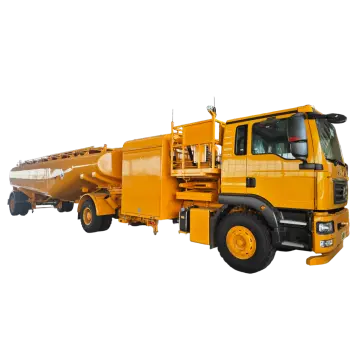
Consists of a chassis, oil tank, pumping system, control system, and operational parts. Includes filtration, metering, self-circulation, and pressure control.
Request Quote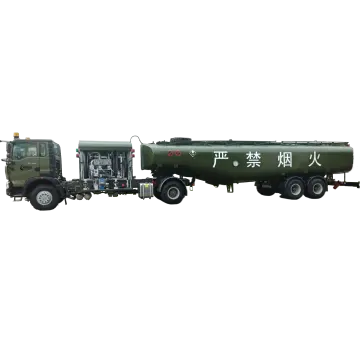
Designed for large commercial aircraft refueling operations, featuring advanced safety interlocks and electronic flow metering systems.
Request Quote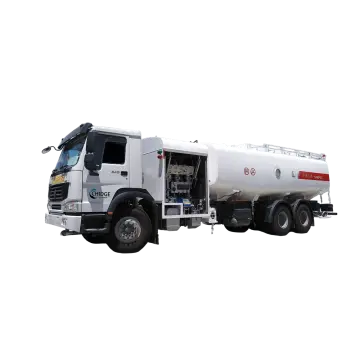
Equipped with highly reliable pressure regulation and filtration systems. Meets international aviation safety codes.
Request Quote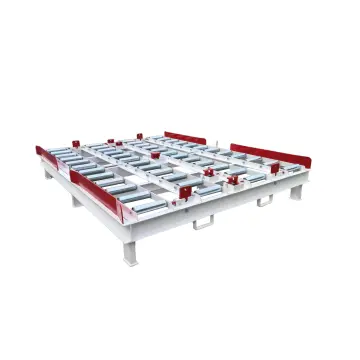
Optimized for flexible warehouse and ramp container transfers. Seamlessly integrates with existing heavy pallet transport grids.
Request Quote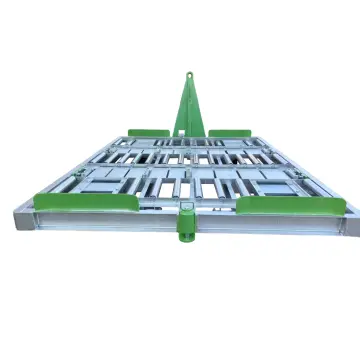
High-grade wear rollers with specialized guides for rapid container sliding and manual locking security features.
Request Quote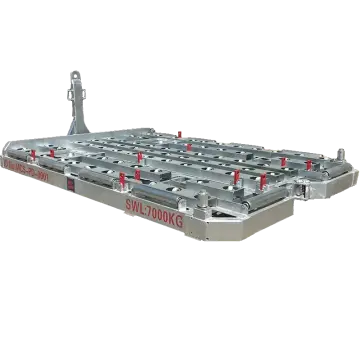
Features 360-degree rotating caster beds (castle configuration) for precise sorting and alignment of loaded air freight pallets.
Request Quote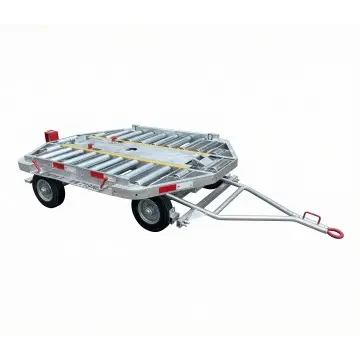
Low structural profile combined with high tensile steel frame, maximizing load capacity while ensuring compatibility with common airport tow tractors.
Request Quote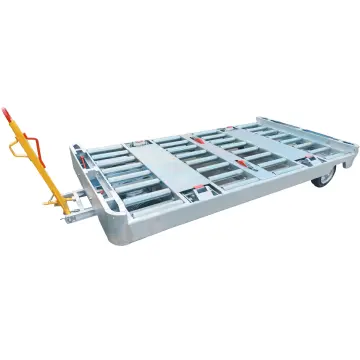
Reinforced double-deck frame design optimized to carry cargo containers and withstand intensive towing force profiles.
Request Quote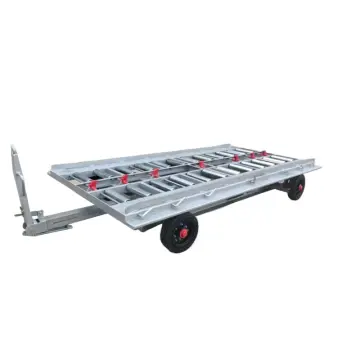
Engineered for larger volume container sizes, providing tracking stability during multi-dolly logistics train operations.
Request Quote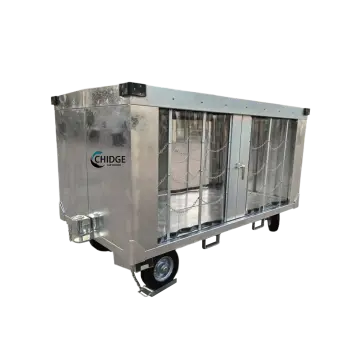
Weather-sealed side panels and sliding curtains keep passenger luggage dry and clean in poor weather environments.
Request Quote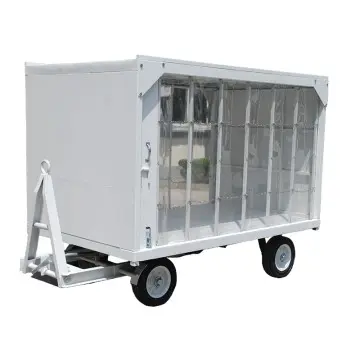
Solid metal frame shell designed to withstand impact and protect luggage during high-speed ramp transport operations.
Request Quote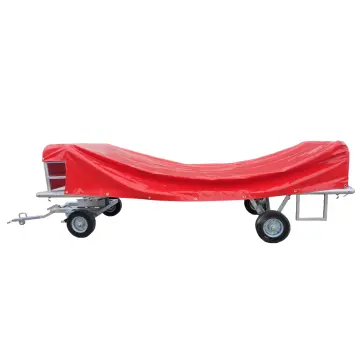
Ergonomic manual push-pull design with automatic braking casters to ensure traveler convenience and safety within terminals.
Request Quote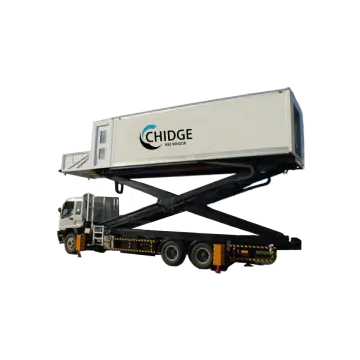
Features reliable scissors lift mechanisms, thermal-insulated cabins, and emergency safety hydraulic overrides.
Request Quote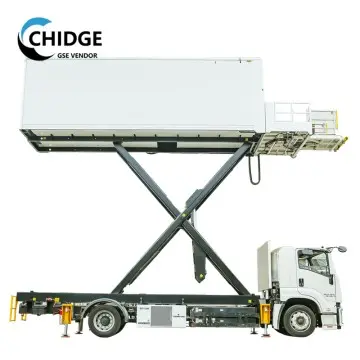
Eco-friendly, zero-emission platform supporting modern airport decarbonization initiatives without compromising payload performance.
Request Quote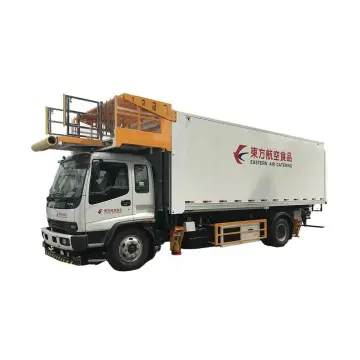
Precision guidance platform alignment. Optimized cabin capacity helps speed up the turnaround of standard commercial flights.
Request Quote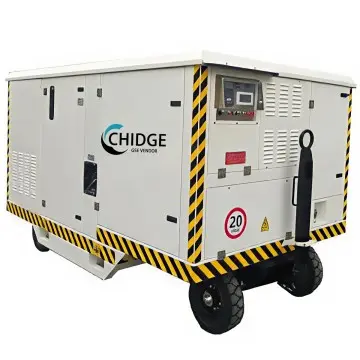
Delivers high-efficiency warm air flow to keep plane cabins warm during maintenance tasks in cold winter locations.
Request Quote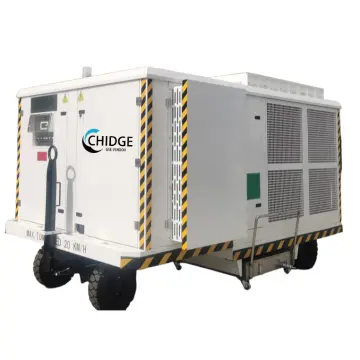
Pre-Conditioned Air unit designed to maintain ideal cabin temperatures, reducing auxiliary power unit (APU) fuel consumption.
Request Quote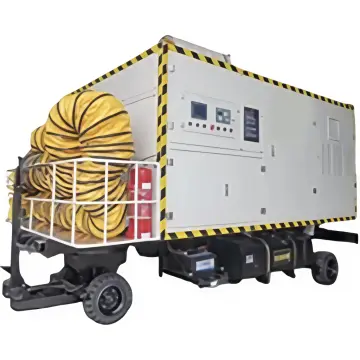
High thermal output capacity, featuring clean heat generation and electronic safety shutdown triggers.
Request Quote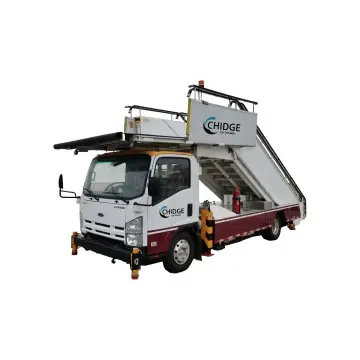
Self-propelled electric passenger boarding stairs designed to fit regional and medium-sized international passenger jets.
Request Quote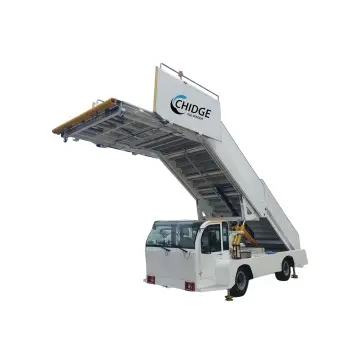
Self-propelled diesel variant equipped with anti-slip stair steps, safety sensors, and night operations lighting system.
Request Quote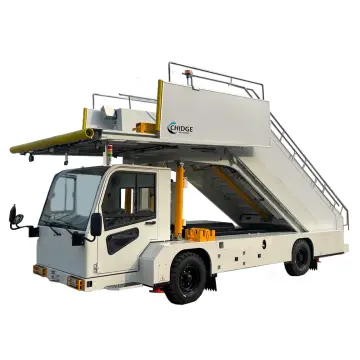
Provides passenger comfort and ease of boarding. Height range adapts to a wide variety of commercial aircraft models.
Request Quote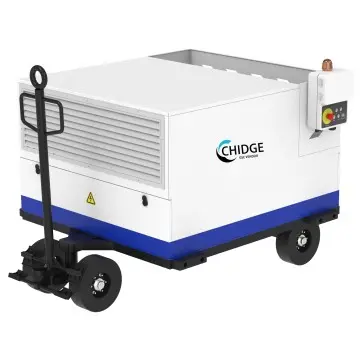
Battery-based towable power unit delivering clean 400Hz electricity for parked aircraft, reducing operational carbon emissions.
Request Quote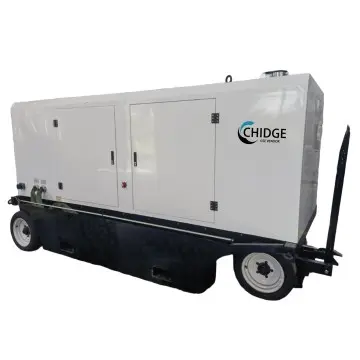
Diesel-driven GPU designed to output reliable electrical power for narrow and widebody aircraft system initialization checks.
Request Quote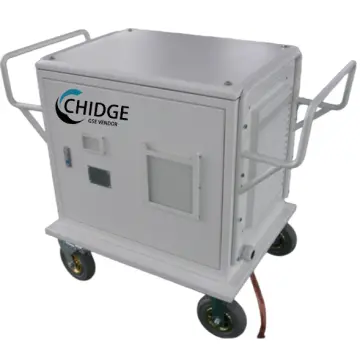
Stationary solid-state frequency converter transforming terminal utility power to clean 400Hz and 28V DC aircraft power.
Request Quote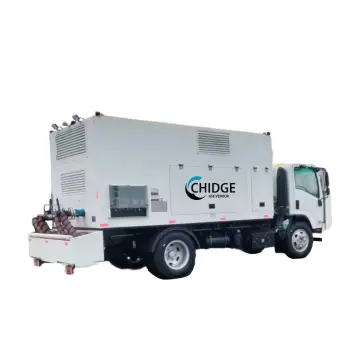
High-pressure pneumatic air start system designed to support starting passenger jet engines under cold weather conditions.
Request Quote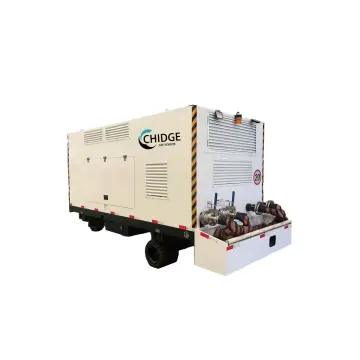
Towable pneumatic engine start compressor system with computerized output airflow control parameters.
Request Quote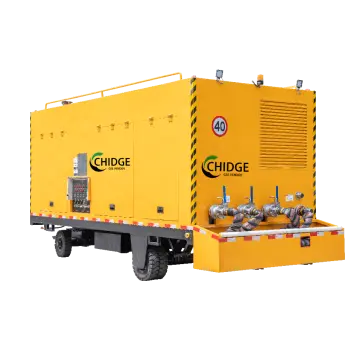
Heavy-duty, high-capacity starter unit built to service large-haul freighter jet engines with reliable airflow delivery.
Request Quote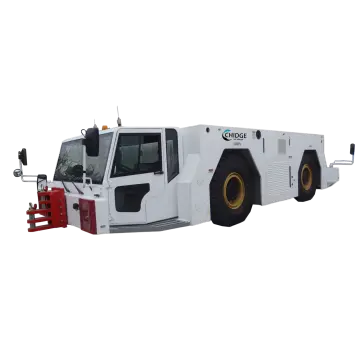
Designed for heavy widebody aircraft pushback tasks, featuring an ergonomic control cabin and 4-wheel drive systems.
Request Quote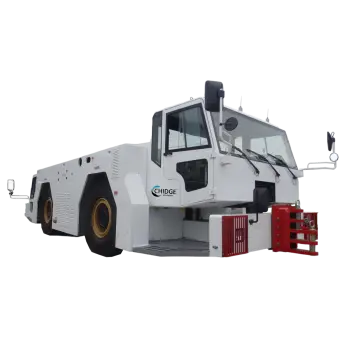
Medium-range pushback vehicle providing solid operational safety and easy handling for regional ground operations.
Request Quote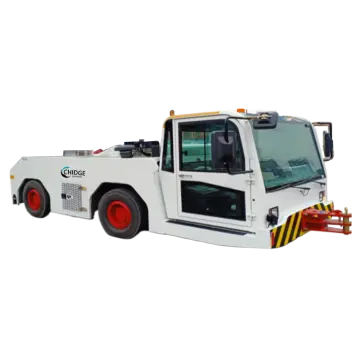
Compact, high-maneuverability pushback unit built for narrowbody aircraft and general ground movement tasks.
Request Quote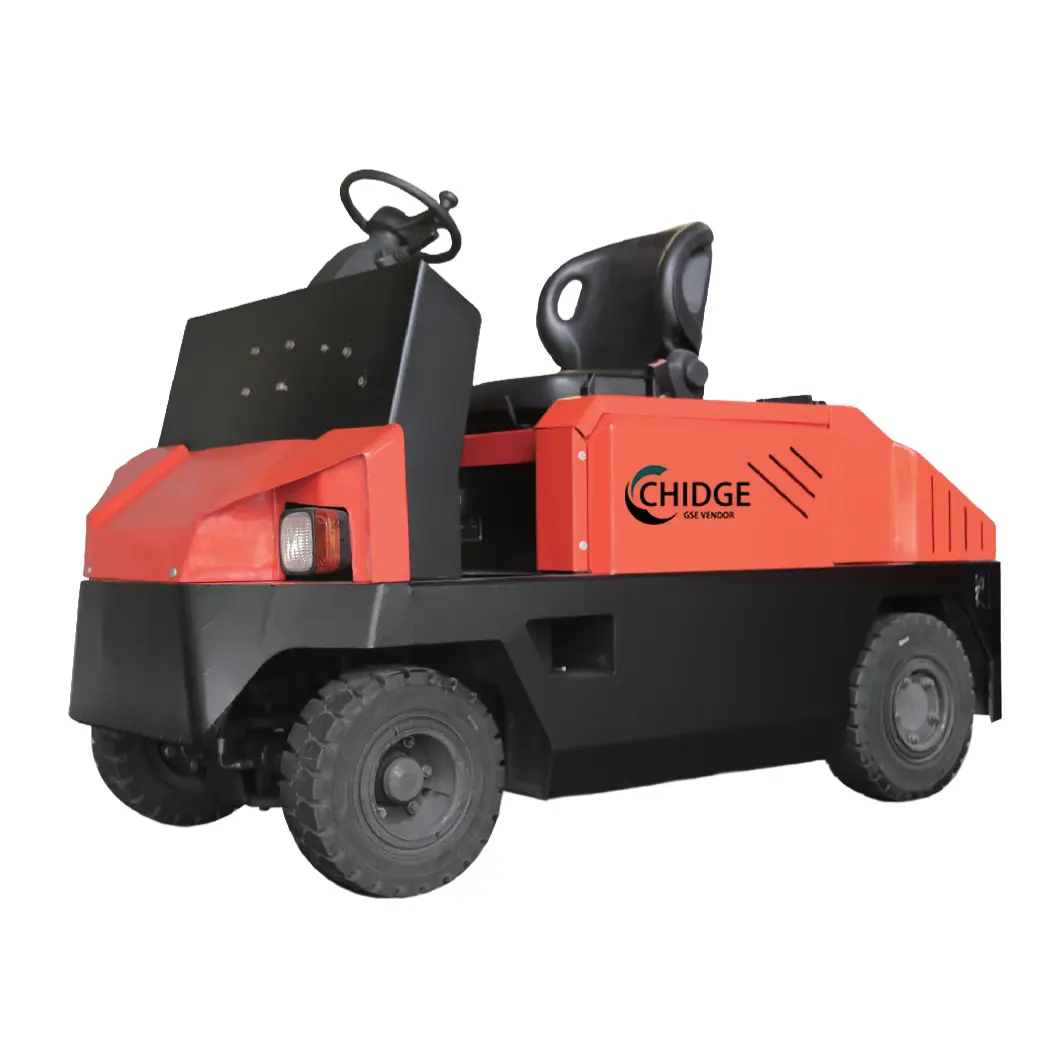
High-torque electric motor allows transport of multiple linked baggage dollies along long terminal pathways.
Request Quote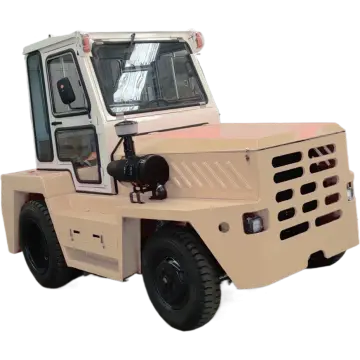
Designed for heavy cargo hauling duties, providing traction and reliability across long runway distances.
Request Quote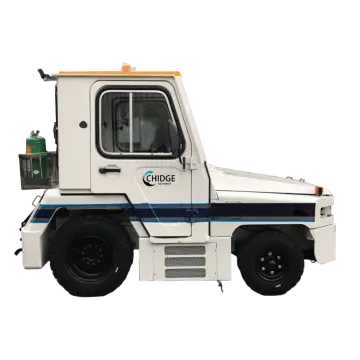
Combines a zero-emission drivetrain with heavy pulling capacity, designed for intensive cargo hub logistics schedules.
Request Quote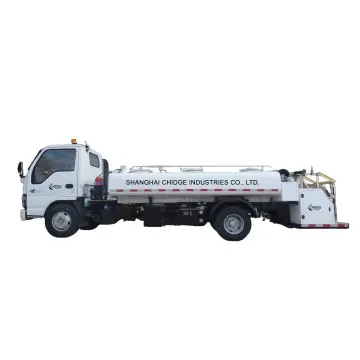
Features vacuum suction, chemical dosing configurations, and waste management setups to ensure rapid turnaround times.
Request Quote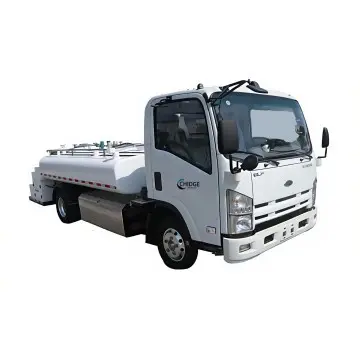
Pure electric chassis delivering clean water to aircraft cabins, featuring food-grade storage and distribution piping.
Request Quote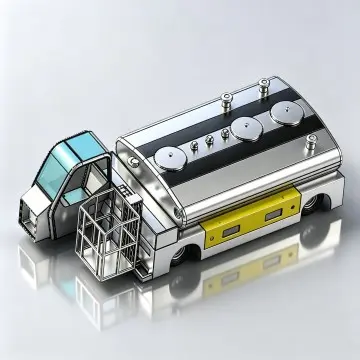
Equipped with smart hydraulic operating platforms and waste tank level safety indicators.
Request Quote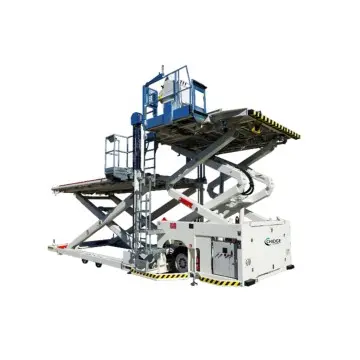
High-capacity main deck cargo loader featuring double hydraulic lift cylinders and precise loading control platforms.
Request Quote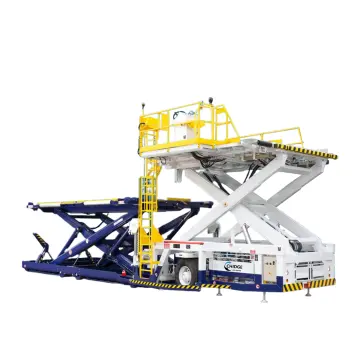
Designed for heavy widebody aircraft freighters, supporting seamless handling of large main deck air cargo pallets.
Request Quote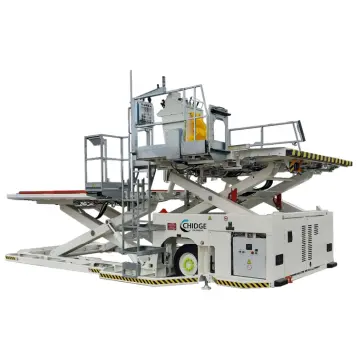
A reliable standard loader platform designed for lower deck handling operations across most narrowbody fleets.
Request Quote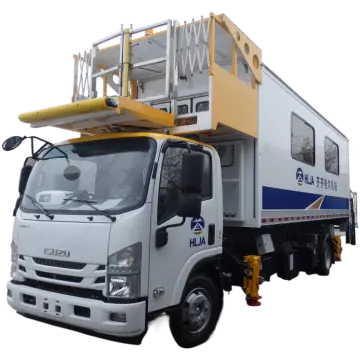
Specialized scissor-lift cabin designed to transport passengers with limited mobility between terminal gate levels and aircraft doors.
Request Quote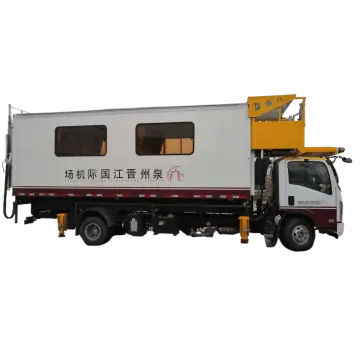
High-security passenger cabin featuring wind stability locks, interior air conditioning, and soft-docking bumper designs.
Request QuoteProviding ground equipment solutions tailored to your fleet requirements
Whether you require custom dimensions, special brake configurations, or branded coloring schemes, our engineering team works directly with airport technical departments to design equipment matching your fleet profiles.
From raw plate cutting, robotic welding, and automated surface treatment to final QA safety checks, we control the manufacturing process under one roof to maintain top quality.
Operating near major sea cargo shipping hubs in China allows us to efficiently manage international delivery schedules. We provide knock-down (KD) packaging options to minimize container freight costs.
Our support teams offer on-site assembly guidance, technical training, and direct component sourcing, helping you maintain high fleet operational uptime.









The future of airport ramp logistics centers on digital transformation, electrification, and autonomous driving. Standard towable dollies are evolving to incorporate smart features, helping ground handlers tracking cargo paths prevent terminal blockages and lost equipment.
Our product research focuses on three major development paths:
Our mission is to support our clients' decisions with reliable ground support solutions, creating long-term value for airport operations.
Keep up with technical updates, industry standards, and product innovations in airport ground support equipment
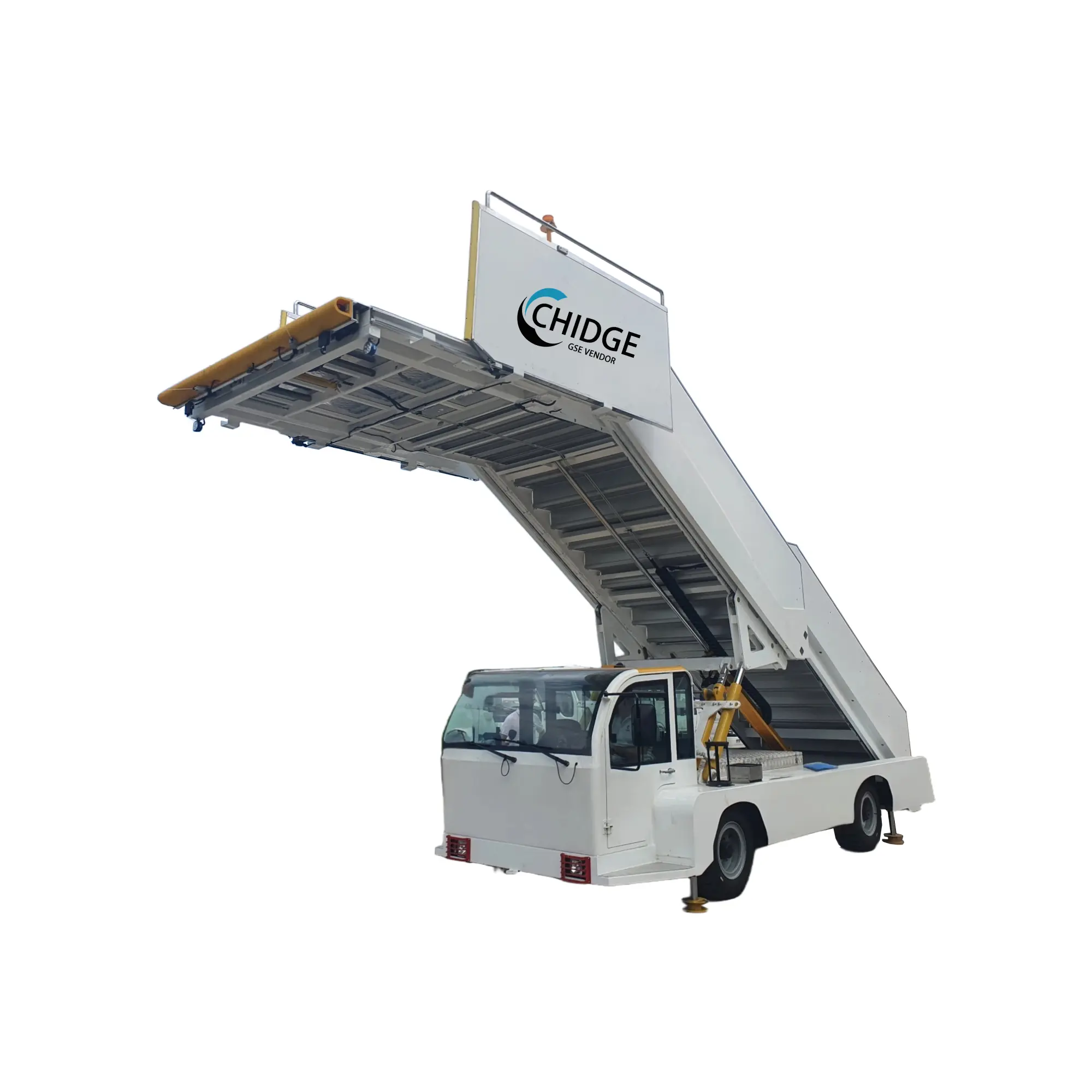
An overview of passenger stairs types, functional requirements, and safety compliance checks needed to match different heights of commercial jets.
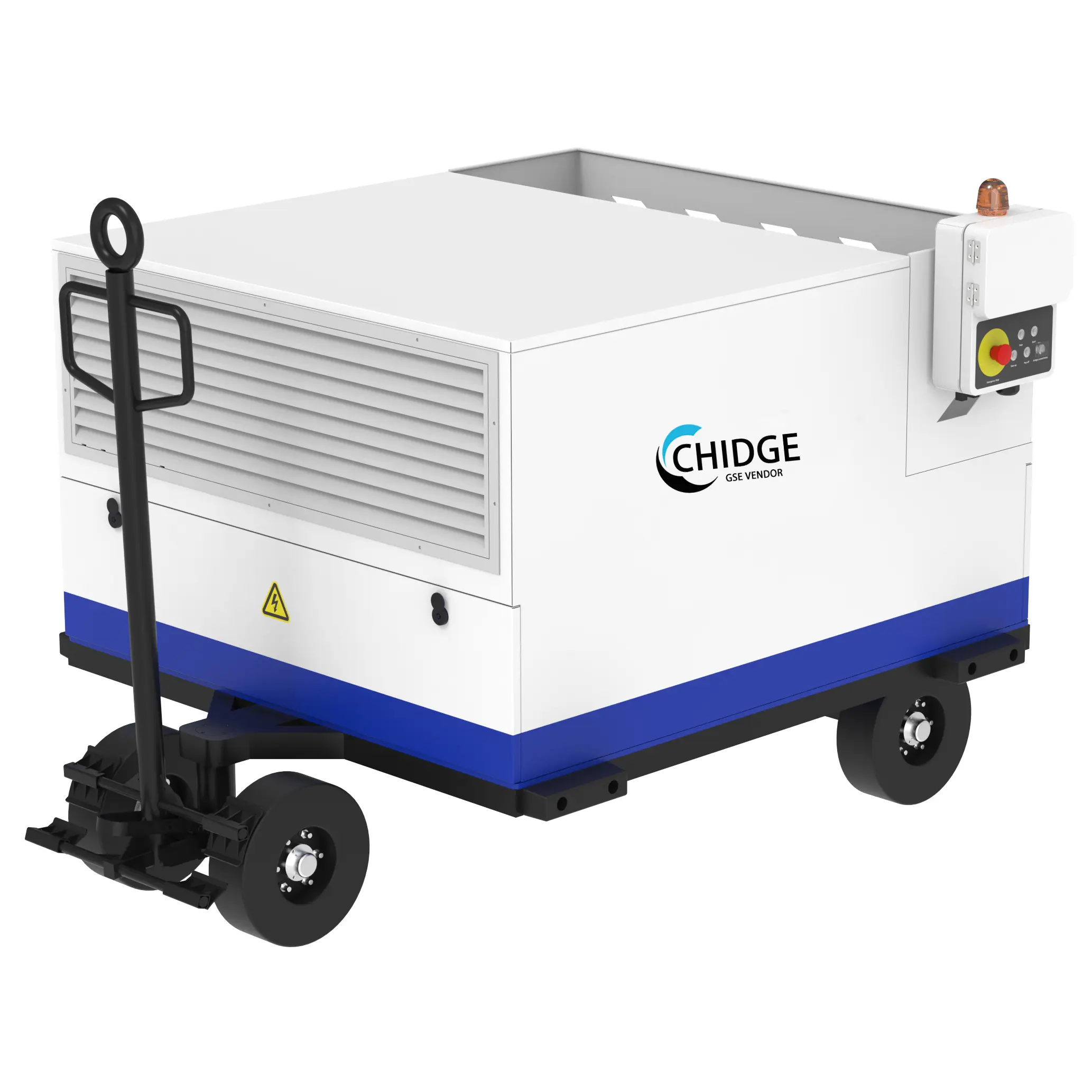
Battery energy storage technology is changing apron operations. Discover how towable battery power units provide quiet power without carbon emissions.
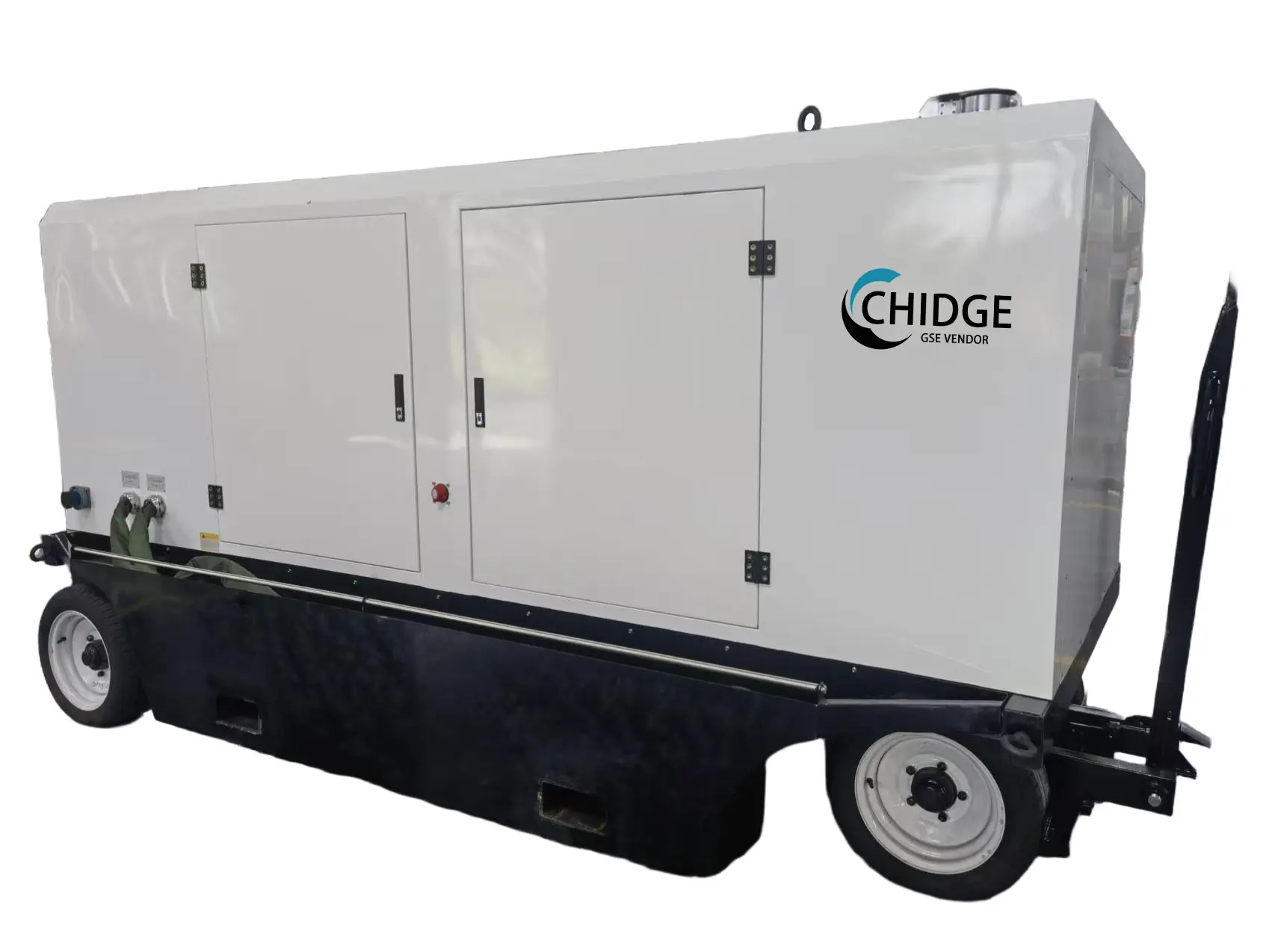
Ground power units supply electrical power to aircraft while parked, facilitating system checks, pre-flight preparations, and passenger boarding without running the main engines.
Technical answers to key questions about LD3 container dollies and ramp logistics operations
Heavy-duty transport solutions designed for large-scale operations and cargo handling hubs
Features optimized load height design to facilitate cargo loading from transfer stations to towable ramp trains.
View Details
Built with solid mesh steel panels and reliable weather protection tarps, protecting baggage during terminal transfers.
View Details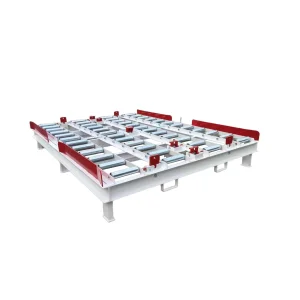
Low-profile design with heavy-duty steel rollers. Configured to transfer large air freight pallets between warehouse zones.
View Details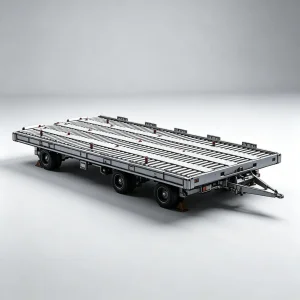
Designed for heavy cargo handling. Heavy-duty tires, multi-axle steering, and reinforced steel frame structure support extreme cargo payloads.
View Details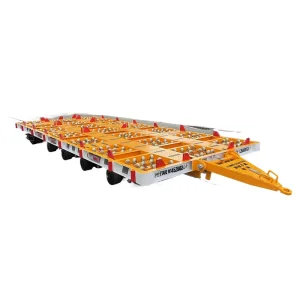
Optimized for transferring large containers between storage areas and main-deck aircraft cargo loaders.
View Details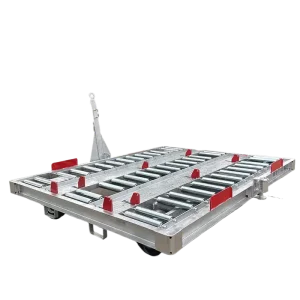
Standard heavy cargo support derrick featuring double row wheel tracking systems and safety latch positions.
View Details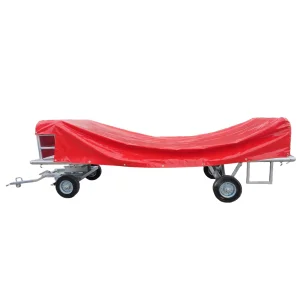
Self-nesting terminal baggage push cart equipped with basket, brake handle, and heavy-duty front and rear swivel wheels.
View Details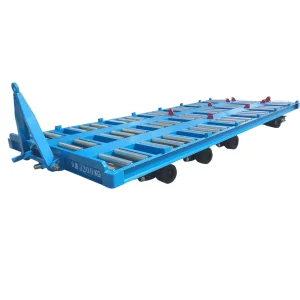
Designed for mid-range main deck cargo tasks, providing durable performance and compliance with airport ramp safety standards.
View Details Chidge Dolly