The innovation of Airports Double Container Dolly play a vital role in airport logistics. According to a recent report by the International Air Transport Association (IATA), improving cargo efficiency can lead to a 20% reduction in ground handling costs. This significance cannot be overstated in an era where every cent counts.
"Double container dollies are revolutionizing the way airports handle payloads," says Mark Thompson, an industry expert at CargoTech Solutions. He emphasizes the efficiency gains these systems offer. Improved speed and reduced labor costs are among the key benefits that airports must consider. Investing in this innovation is not just a trend; it's a strategic necessity.
However, not all airports have adopted this advancement. The challenge lies in balancing innovation with the existing infrastructure. Some facilities might struggle with integration, leading to inefficiencies. Continuous evaluation will be crucial in maintaining a competitive edge in this fast-evolving industry. The Airports Double Container Dolly represents a beacon of potential, but its implementation requires careful planning and expert insight.
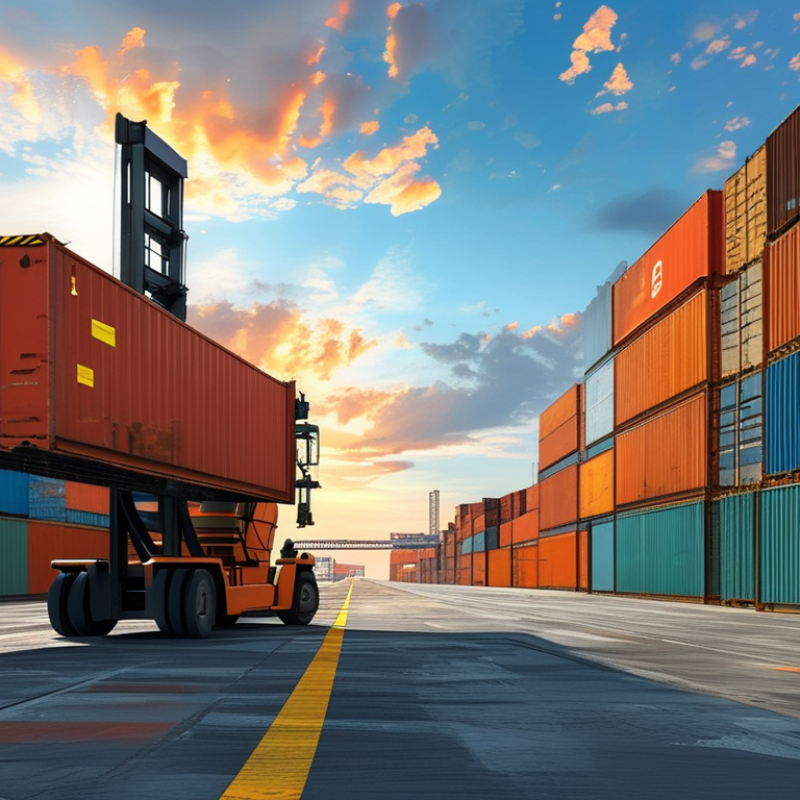
The double container dolly innovation is transforming airport logistics. This approach enhances cargo handling efficiency, allowing more loads to be transported simultaneously. With its unique design, the double container dolly accommodates two containers, reducing the number of trips needed for transport.
Tips: Consider the layout of your cargo area. Efficient use of space can significantly improve logistics. Employing this dolly innovation may require different training for staff. Ensure the team understands the operational workflows involved.
Many airports are gradually adopting this technology. However, the transition can be challenging. Some facilities face space constraints. Others may struggle with integrating new systems. These factors highlight the need for thorough planning and assessment. It’s vital to address these hurdles upfront to maximize efficiency.
Overall, the double container dolly is more than just a tool; it represents a shift towards a more sustainable model in airport operations. Though challenges exist, airports embracing this innovation can increase productivity and reduce environmental impact.
: It is a logistics tool that transports two containers simultaneously.
It reduces the number of trips needed, saving time on the tarmac.
Staff must learn new technologies and safety protocols for dolly systems.
Yes, spaces may be limited, and existing layouts might not support the change.
Collaboration among engineers, operators, and logistics teams is essential for successful planning.
Regular inspections and consistent maintenance schedules are necessary to ensure functionality.
They enhance safety by securely handling multiple containers, reducing the risk of damage.
It allows for quick adaptation to unexpected challenges that may arise.
It reduces labor costs by allowing workers to handle more cargo in less time.
No, not all airports have embraced it yet due to infrastructure limitations.
The article "Top 10 Airports Using Double Container Dolly Innovation" explores the pivotal role of Airports Double Container Dolly systems in enhancing operational efficiency within the aviation sector. The overview discusses the innovative design of double container dollies, which allow airports to transport cargo more effectively by accommodating multiple containers simultaneously. This innovation brings significant benefits, including reduced handling times, improved cargo organization, and heightened efficiency in ground operations.
Furthermore, the article highlights several leading airports that have adopted this technology, showcasing successful implementations and their positive impacts on logistics. It also addresses the common challenges associated with integrating double container dolly systems, such as training requirements and initial costs, while offering solutions to overcome these obstacles. Looking to the future, the article predicts a broader adoption of double container dolly systems across airports, aligning with the trend of increasing automation and modernization in air transport logistics.

 Chidge Dolly