In the fast-paced world of airport logistics, the efficiency of an "Airport Container Dolly" can significantly impact operations. Dr. Alex Thompson, a leading expert in airport equipment management, once stated, “Choosing the right dolly can enhance workflow and safety.” His insight reflects the critical role these tools play in global airport operations.
Airport Container Dollies are essential for transporting cargo containers seamlessly across runways and terminals. Their design varies widely, catering to different airport sizes and cargo needs. A reliable dolly minimizes damage to cargo and reduces manpower costs. However, buyers face a challenge: the market is flooded with options. Selecting the best models requires careful consideration.
While many dollies boast advanced features, they may fall short in durability or user-friendliness. Buyers should look beyond marketing claims. Understanding the strengths and weaknesses of each dolly is vital. An informed choice can lead to better operational efficiency, but uninformed decisions can waste resources and hinder productivity in busy airports.
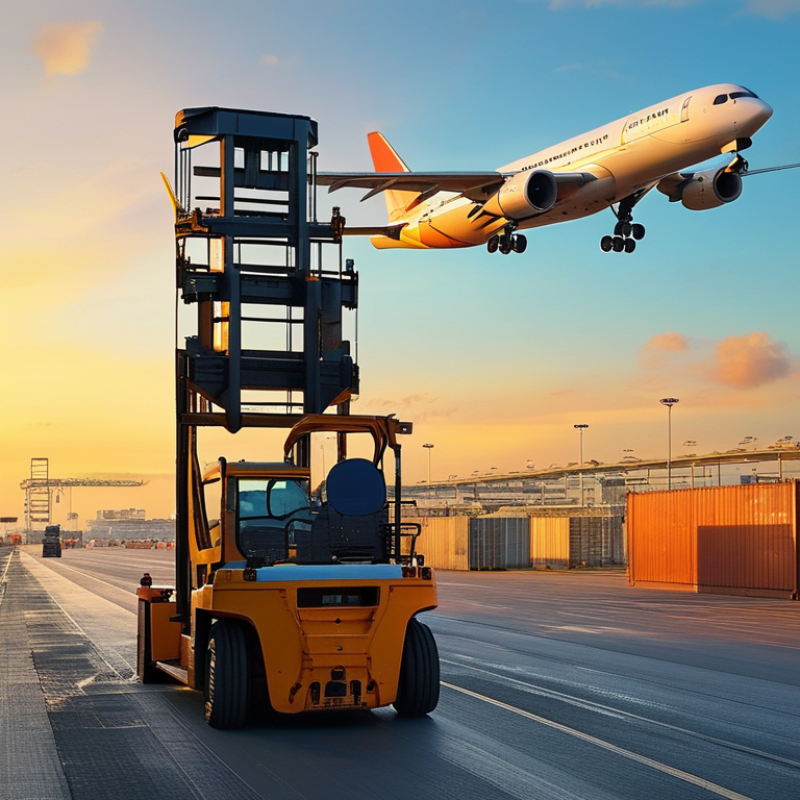
Overview of Airport Container Dollies
Airport container dollies play a vital role in the logistics of air travel. These specialized vehicles are designed to transport cargo containers efficiently. With the increasing demand for global air freight, understanding their significance is essential. Each dolly is crafted for durability and ease of use, featuring robust wheels for smooth maneuvering.
When evaluating airport container dollies, factors like weight capacity and material play a crucial role. A dolly must handle heavy loads while remaining lightweight for operators. The design should allow for quick connections and disconnections, enhancing productivity in busy airport environments. Some models also incorporate safety features, which can reduce accidents during operation.
Despite advancements, not all dollies meet the diverse needs of global airports. Issues such as limited maneuverability in tight spaces can arise. Users often face challenges with maintenance and parts availability. These concerns highlight the importance of choosing a reliable option. The future of airport operations may depend on innovative design solutions that address these shortcomings effectively.
Key Features to Consider in Airport Container Dollies
When selecting airport container dollies, certain features play a crucial role in ensuring efficiency and safety. A recent industry report highlights that approximately 35% of airport ground handling incidents are linked to equipment failures. Thus, durability and material quality are paramount. Aluminum and heavy-duty steel are preferred for weight and strength. Their lightweight nature improves maneuverability, particularly in busy airport settings.
Another essential factor is load capacity. Dollies designed to handle a range between 1,500 to 2,500 pounds are commonly favored. This range ensures versatility across various cargo types, from small parcels to heavy freight. Additionally, a well-designed dolly should include ergonomic handles. This feature minimizes operator fatigue during long shifts. It boosts productivity by ensuring that workers can handle their loads comfortably.
Safety features must not be overlooked. Reportedly, dollies with built-in brakes or locking mechanisms reduce the risk of runaway incidents. Moreover, the design should allow for easy attachment to ground transportation vehicles. Simplifying this process enhances efficiency during loading and unloading operations. Despite these standards, frequent evaluations and updates to equipment are necessary. Regular maintenance checks help prevent failures and increase longevity.
Top 10 Airport Container Dollies for Global Buyers
| Model |
Load Capacity (kg) |
Weight (kg) |
Material |
Wheel Type |
Foldable |
Dimensions (L x W x H, cm) |
| Model A |
1500 |
50 |
Aluminum |
Rubber |
Yes |
120 x 80 x 100 |
| Model B |
2000 |
60 |
Steel |
Polyurethane |
No |
125 x 85 x 110 |
| Model C |
1800 |
55 |
Aluminum |
Rubber |
Yes |
130 x 90 x 95 |
| Model D |
1600 |
53 |
Steel |
Nylon |
No |
128 x 82 x 102 |
| Model E |
1700 |
54 |
Aluminum |
Rubber |
Yes |
135 x 88 x 97 |
Top Brands Manufacturing Airport Container Dollies
In the dynamic aviation industry, airport container dollies play a crucial role in logistics.
These specialized vehicles transport cargo containers efficiently across airport grounds, ensuring timely operations.
According to industry research from the International Air Transport Association (IATA),
proper cargo handling can improve operational efficiency by up to 15%.
This highlights the significance of investing in high-quality dollies.
Major manufacturers have been shifting towards innovation. Many are using lightweight materials to enhance performance.
The increase in air freight demand emphasizes the need for durable and reliable equipment. A report from the
Airport Council International indicates that cargo traffic is expected to grow by
4.5% annually through the next decade. This growth necessitates robust equipment to manage the rising load.
While advancements are impressive, challenges remain. Maintenance of these dollies can often be
overlooked. Undervaluing routine checks can lead to operational delays. On average, a faulty dolly can disrupt cargo timelines
by up to 30%. Thus, ongoing training and adherence to best practices are essential
in this sector. In the competitive airport operations landscape, ensuring reliability
and efficiency is not just beneficial; it's vital.
Comparative Analysis of the Leading Airport Container Dollies
When it comes to airport operations, container dollies play a vital role in logistics efficiency. The comparative analysis of leading models shows distinct advantages and challenges among top choices. Some dollies excel in weight capacity, while others offer superior maneuverability. Understanding these differences helps buyers make informed decisions tailored to their specific requirements.
Performance across various airport environments reveals varied strengths. Some units are highly durable but may lack versatility. Conversely, others are versatile yet face durability questions under heavy loads. Buyers should consider not only specifications but also real-world performance assessments. Feedback from seasoned operators can highlight unexpected challenges, such as maintenance needs or ease of use in busy terminals.
In examining cost-effectiveness, a balance between upfront investment and long-term reliability becomes apparent. While some high-end models promise longevity, their initial costs might deter budget-conscious buyers. Affordable options frequently come with trade-offs that need reflection. Evaluating these factors holistically leads to better alignment between operational needs and budget constraints. By prioritizing functionality over branding, buyers can ensure optimal performance in their airport container handling processes.
User Reviews and Ratings of Airport Container Dollies
When choosing airport container dollies, user reviews are invaluable. They can reveal vital insights about reliability and ease of use. Many users appreciate dollies with high maneuverability. These features make handling cargo in tight spaces much simpler. Durability is another crucial aspect. Several reviews highlight that robust materials withstand the daily wear of airport operations.
Some users express dissatisfaction with the weight of certain models. Heavier dollies can be cumbersome. Feedback often mentions that a balance between weight and sturdiness is essential. Many air cargo handlers also emphasize the importance of wheel design. A smooth wheels rotation can save significant time and effort during loading and unloading.
User ratings also indicate a preference for dollies that offer customizable features. Adjustable height settings or expandable designs receive positive remarks. However, not all products can meet these expectations. It's common to find reviews that point out the need for clear instructions. Some users report confusion over assembly processes. Addressing these issues can enhance the overall user experience and satisfaction.
Top 10 Airport Container Dollies - User Reviews and Ratings
Conclusion
This article provides a comprehensive overview of Airport Container Dollies, essential equipment for efficient ground handling at airports. It outlines key features to consider when selecting a dolly, such as load capacity, durability, and maneuverability, ensuring that buyers make informed decisions. The comparison of leading models highlights performance metrics, while user reviews and ratings offer insights into real-world experiences, guiding potential buyers in their selection process. Overall, the article serves as a valuable resource for global buyers seeking to purchase high-quality Airport Container Dollies that meet operational needs and standards.

 Chidge Dolly