In the fast-paced world of air transportation, efficiency is key. Aviators must ensure that cargo handling is seamless and safe. The Aviation Double Container Dolly has gained attention as a vital tool in this process. Industry expert Captain John Miller, a veteran with over 25 years in logistics, states, "Choosing the right dolly can make or break your operation." This underscores the importance of selecting a suitable dolly to meet specific needs.
An Aviation Double Container Dolly is designed to transport cargo containers easily. Its features vary widely, impacting overall performance. A dolly's weight capacity, material, and maneuverability are critical aspects to review. Buyers should consider these factors carefully. While many products claim to be the best, not all deliver on their promises.
Selecting the ideal dolly requires thorough research. Potential shortcomings often arise in durability or compatibility with existing airport equipment. Reflecting on customer reviews can provide insights but may not always reveal the full picture. Ultimately, the right choice enhances operational efficiency, ensuring that every flight runs smoothly.
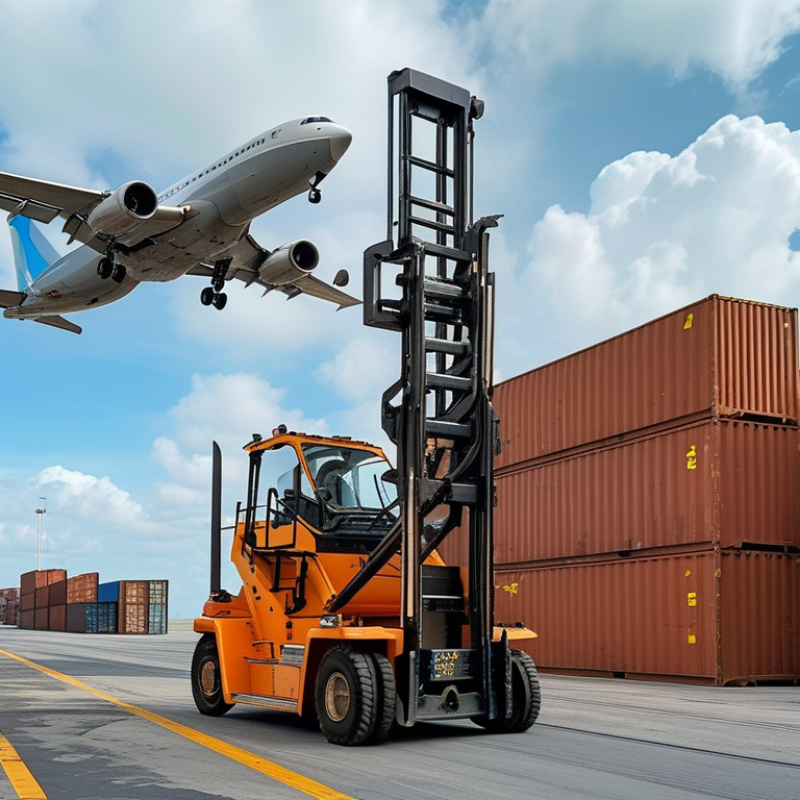
Aviation double container dollies play a vital role in airport logistics. They streamline the transportation of cargo containers between aircraft and ground handling facilities. According to the International Air Transport Association (IATA), efficient cargo handling can improve operational productivity by up to 30%. Dollies help achieve this by facilitating quick loading and unloading processes.
Understanding the specifications of these dollies is essential. They must support varying container sizes and weights, up to 3,000 kg in some instances. The choice of materials impacts durability and weight. Steel is common but can be heavy. Meanwhile, aluminum offers lighter options. Each design presents trade-offs between durability and ease of maneuverability. Some designs may lack sufficient clearance, which could pose challenges in crowded operational areas.
Selecting a dolly also involves assessing operational maintenance needs. Regular inspections can prevent breakdowns and unexpected costs. There have been instances where poor maintenance led to delays and financial losses. The industry average for maintenance-related delays can range from 5-15% of total operational time. Companies must weigh these factors when investing in aviation double container dollies. A thorough understanding of both functionality and potential drawbacks is essential for optimal performance.
When selecting an aviation double container dolly, key features play a crucial role. Understanding load capacity is essential. According to industry standards, a typical container dolly should support at least 4,000 pounds. This ensures safe transport of cargo without the risk of structural failure. Additionally, it's important to consider the dolly's dimensions. Many standard cargo containers are 20 feet long, thus your dolly must accommodate this size seamlessly.
Mobility features are another vital aspect to assess. Premium dollies typically come with heavy-duty wheels that can handle different surfaces, including concrete and asphalt. These wheels often feature a locking mechanism. A secure grip prevents any unexpected movements when loading or unloading cargo. Research reports indicate that proper wheel design can enhance maneuverability by up to 30%.
Material strength also cannot be overlooked. Most durable dollies are constructed from high-grade aluminum or steel. These allow them to withstand harsh conditions while maintaining structural integrity. Nonetheless, some users have reported wear over time, particularly in environments with extreme weather. Regular maintenance and inspections can help address these potential issues. It's essential to weigh these factors critically to make an informed choice.
Choosing the right aviation double container dolly involves careful consideration of materials and designs. Different materials can significantly impact durability and weight. For instance, aluminum is lightweight yet strong. This allows for easier maneuverability, especially in tight spaces. However, it may not withstand extreme conditions as well as other materials.
On the other hand, steel is known for its durability. A steel dolly can endure heavy loads and harsh environments. Yet, it is heavier, which may present challenges during transport. Designs also play a crucial role. A well-designed dolly balances weight distribution. This prevents tipping over and enhances safety during operation.
Reflecting on past experiences can guide your choice. Have you considered how easy it is to maintain the dolly? Some materials require more upkeep than others. Regular maintenance checks will ensure longevity. It’s essential to weigh these factors carefully, as they directly affect efficiency and safety in aviation operations.
When selecting an aviation double container dolly, assessing weight capacity and size specifications is crucial. In the aviation industry, container dollies must meet strict requirements. For example, a typical unit can support anywhere from 1,500 kg to 3,000 kg, depending on its design and materials. This capacity impacts the types of containers it can handle and ultimately influences operational efficiency.
Size specifications also play a significant role. The standard dimensions for aviation containers can vary, but many measure approximately 125 inches in length, 88 inches in width, and 64 inches in height. It’s vital to match the dolly dimensions with container sizes. A dolly that is too small can cause instability during transport. Those looking for greater safety should consider models with adjustable fittings, even if this complicates their design.
Choosing a dolly requires careful consideration of operational needs. A dolly that accommodates larger, heavier containers may be essential for high-volume operations. Conversely, a smaller, lighter dolly might suffice for limited tasks but could lead to inefficiencies. Weighing these factors is crucial for effective cargo management. Balancing capacity, size, and operational demands is not always straightforward. It entails a deeper understanding of logistical requirements and ongoing adaptability.
| Model | Weight Capacity (lbs) | Size (L x W x H) (inches) | Material | Wheel Type |
|---|---|---|---|---|
| Model A | 2500 | 60 x 40 x 20 | Aluminum | Rubber |
| Model B | 3000 | 65 x 45 x 22 | Steel | Polyurethane |
| Model C | 2000 | 55 x 35 x 18 | Aluminum | Nylon |
| Model D | 2800 | 70 x 50 x 25 | Composite | Metal |
When selecting an aviation double container dolly, manufacturer reputation plays an essential role. A well-regarded manufacturer often indicates quality and reliability. According to industry reports, about
85% of customers prioritize manufacturer reputation when making purchasing decisions. This highlights the importance of choosing a brand with positive recognition.
Customer reviews provide valuable insights. They reveal real-world experiences from users. A report by the International Air Transport Association indicated that 70% of industry buyers trust peer reviews over advertising. This statistic suggests that firsthand experiences can guide potential buyers to make informed choices. Observing recurring themes in reviews, such as durability or ease of maneuverability, often reflects a product's actual performance.
However, not all reviews are entirely positive. Some may highlight issues that need addressing. For instance, a review might point out a dolly's limited weight capacity. These reflections can be crucial for understanding potential shortcomings. Seeking reviews across multiple platforms can offer a more balanced view, allowing buyers to make well-rounded decisions. Always leverage both reputation and customer feedback when evaluating products in this niche market.
: They help transport cargo containers between aircraft and ground facilities efficiently.
Most can support between 1,500 kg to 3,000 kg, depending on design.
Matching dolly dimensions to container sizes is vital for stability during transport.
A trusted manufacturer often signals product quality and reliability to potential buyers.
Many buyers trust peer reviews more than advertising, guiding informed choices.
Regular inspections can prevent breakdowns, but some companies neglect this, leading to delays.
Steel is durable but heavy; aluminum is lighter but may vary in durability.
Insufficient clearance can complicate operations in crowded areas and affect maneuverability.
Operational demands can change, requiring ongoing assessment of dolly performance.
Not all reviews are positive; they may highlight important shortcomings to consider.
Choosing the best Aviation Double Container Dolly involves understanding its essential role in efficient cargo handling in the aviation industry. These dollies are critical for transporting airline containers, and their design should prioritize durability and ease of use. When selecting a dolly, key features to consider include the materials used in construction, which directly impact the dolly's weight and longevity. It is also vital to assess the weight capacity and size specifications to ensure they meet the specific needs of your operations.
Additionally, evaluating manufacturer reputation and customer reviews can provide valuable insights into product reliability and performance. By taking these factors into account, you can select an Aviation Double Container Dolly that enhances operational efficiency and safely supports your cargo handling requirements.
Chidge Dolly