How to Choose a Double Container Dolly for Aviation?

Time:2026-09-22 Author:Oliver
0%

Choosing the right Double Container Dolly For Aviation affects every movement between an aircraft, warehouse, and loading area. It is not merely a platform with wheels. The dolly must support loaded unit load devices steadily, while allowing ground crews to work safely and efficiently.

An experienced buyer should examine container dimensions, rated capacity, deck height, locking systems, and towing compatibility. A practical inspection starts with the deck surface. Are the rollers turning smoothly? Do the side guides hold the container during a sharp turn? Can the brakes stop the dolly on a slight ramp? Small details matter when a heavy aviation container moves across wet concrete.

Operational conditions also deserve close attention. Busy airports may require corrosion-resistant frames, sealed bearings, strong tow bars, and clear maintenance access. The turning radius should match the available apron and warehouse space. Ground clearance is important near uneven surfaces. Operators should also confirm whether the design supports the specific ULD types used in their fleet.

A reliable selection process includes reviewing test records, maintenance instructions, spare-part availability, and manufacturer experience. Independent technical advice can prevent an expensive mismatch. Still, no dolly is perfect. A model that performs well on a dry apron may need different care in rain, cold, or heavy daily use. That point is easy to overlook. By comparing real operating demands with verified specifications, buyers can choose equipment that protects containers, supports crews, and reduces avoidable handling delays.
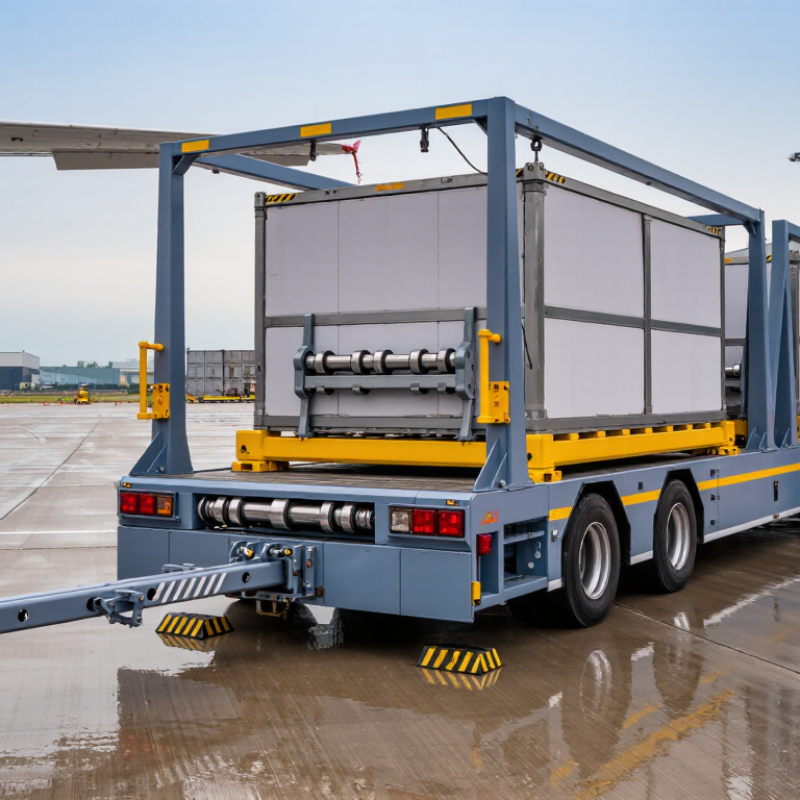
How to Choose a Double Container Dolly for Aviation?

Define the Role and Operating Conditions of a Double Container Dolly

A double container dolly is not simply a longer platform. Its role is to move two compatible aviation containers safely between handling points. Define that role before comparing models. In daily operations, the dolly may serve aircraft loading zones, warehouse lanes, or transfer areas. Each setting changes the required deck height, steering response, braking control, and turning clearance. A practical assessment starts with the containers actually used, not an ideal specification sheet.

Measure container dimensions, combined weight, locking points, and center-of-gravity risks. Confirm the tug’s rated drawbar capacity and the dolly’s load rating. Check ramp gradients and floor conditions. Smooth concrete behaves differently from a wet apron or uneven service road. During trials, observe wheel tracking through narrow turns and stopping distance under a realistic load. I would also inspect coupling access, restraint engagement, tire condition, and visibility around the rear unit. Small omissions become expensive delays.

Operating conditions should include temperature, rain exposure, shift length, and traffic density. Frequent outdoor use demands corrosion-resistant construction and protected braking components. Cold weather can reduce tire flexibility and affect braking consistency. Dust can collect around locks and moving joints. Do not rely on a single demonstration run. Repeat tests with empty and loaded dollies. One limitation deserves attention: published capacity may not reflect poor surfaces or sharp slopes. That gap should be recorded honestly during selection and operator training.

Check Compatibility with Aviation Containers and Ground Equipment

How to Choose a Double Container Dolly for Aviation?

Choosing a double container dolly for aviation begins with compatibility, not advertised load capacity. Aviation containers vary in length, base profile, corner geometry, and restraint points. Measure the container’s lower guides and compare them with the dolly’s roller spacing, deck width, and locking system. A small mismatch can create movement during towing. It may look acceptable. It may not be safe.

Check the dolly against the aircraft loading system and intended ground equipment. Its deck height should align with transfer bridges, loaders, and adjacent dollies without a sudden step. Confirm turning clearance around towing tractors, service lanes, and aircraft stands. Verify the tow bar connection, steering behavior, wheel rating, and braking method under expected surface conditions. A dolly that works on smooth concrete may respond poorly on sloped or wet pavement. Test it with a representative loaded container, not an empty unit. Empty trials can hide frame flex and unstable weight distribution.

Experienced operators also inspect latches, rollers, and weld areas before each shift. Ask whether replacement parts, inspection records, and operating instructions are available. Do not rely only on catalog drawings. Measure the actual equipment. Field teams sometimes assume compatibility from similar dimensions, then discover poor restraint alignment during testing. That extra check feels slow, but it reveals problems early. Record the container type, equipment pairing, load position, and towing conditions. Leave room for revision; a “universal” dolly is rarely universal.

Compare Frame Design, Load Capacity, and Maneuverability

How to Choose a Double Container Dolly for Aviation?

Compare Frame Design, Load Capacity, and Maneuverability

Frame Design

Choosing a double container dolly starts with the frame. A rigid steel frame reduces twisting when two aviation containers sit unevenly. Reinforced cross-members should support the deck without creating unnecessary weight. The platform must remain low enough for safe loading and stable towing. Check weld quality, wheel mounts, and surface protection during inspection. Small cracks around stress points can become serious maintenance problems.

I once focused too heavily on painted surfaces, which was a poor judgment. The underside revealed more useful information.

Load Capacity

Load capacity must match real operating conditions, not only the listed container weight. Calculate the combined load, equipment weight, and possible imbalance. Leave a sensible safety margin for sudden braking and uneven apron surfaces. A dolly rated too close to its limit may flex, wear faster, or respond poorly. Verify axle ratings and load distribution separately. Capacity figures can look impressive but still hide weak points.

Maneuverability

Maneuverability affects every movement near aircraft. Swiveling casters should turn smoothly under full load. Large wheels help cross expansion joints and minor debris. A short turning radius improves positioning, but excessive caster movement may reduce straight-line stability. Test the dolly with two loaded containers, not an empty unit. Observe braking distance, towbar response, and wheel tracking. It should move predictably.

Small Details

Small details matter. Safety locks, corrosion-resistant fittings, and visible inspection points support reliable daily use. Some designs promise easy handling but feel awkward during tight turns. That difference deserves a practical trial.

Evaluate Safety Features, Materials, and Maintenance Requirements

How to Choose a Double Container Dolly for Aviation?

Choosing a double container dolly for aviation starts with examining its safety features. The frame should remain stable during loading, towing, and sharp ramp turns. Look for reliable brakes, secure wheel chocks, and clearly marked load limits. Safety matters most. Container locks must hold firmly without damaging the lower fittings. A tow bar should move smoothly and include a positive locking mechanism. Ground crews also need visible handholds and enough clearance around moving parts. Small design details can prevent foot injuries and sudden load shifts.

Material selection affects both service life and daily handling. Reinforced steel provides strong impact resistance, while aluminum can reduce empty weight and simplify manual positioning. However, a lighter dolly is not automatically safer. Inspect welds, corner joints, axles, and deck surfaces for distortion or corrosion. In practical ramp inspections, damage often appears beneath the platform first. That area is easy to overlook. Protective coatings help, but they do not replace inspections. A rough finish may also trap water and debris.

Maintenance requirements should be realistic for the operating environment. Check tire pressure, wheel bearings, brakes, locks, and tow connections at scheduled intervals. Lubricate moving joints according to the service instructions, not personal habit. Record defects with photographs and precise measurements. A checklist can still miss problems. For example, a brake may pass a visual check but fail under a heavy load. Test it safely when conditions permit. Replace worn parts before movement becomes unstable, even if the dolly still appears usable.

Select a Dolly Based on Budget, Standards, and Fleet Operations

When selecting a double container dolly, start with the fleet, not the catalogue. Record container sizes, floor heights, towbar geometry, and daily movement distances. Fit matters. Choose a rated capacity above the heaviest planned load, including uneven loading and braking forces. Check deck width, roller layout, locking devices, steering response, and ground clearance. A dolly that fits one aircraft may obstruct another.

Budget should include purchase, delivery, inspections, tire replacement, corrosion control, and downtime. A cheaper frame can become expensive when parts are difficult to source. Ask for load-test evidence, maintenance instructions, spare-part availability, and clear inspection intervals. Standards matter. Verify applicable aviation ground-support, workplace-safety, towing, and cargo-restraint requirements in each operating location. Confirm the supplier provides traceable material records and documented quality checks. Avoid accepting vague claims of compliance.

Fleet operations decide whether the dolly succeeds. Compare turning radius, storage footprint, coupling time, and compatibility with existing tractors. Use a trial unit during peak ramp periods, not only in an empty hangar. Observe wheel tracking, container stability, loading speed, and operator visibility. Ask drivers what feels awkward. Their feedback often reveals small hazards before they become costly delays. I would also leave room for doubt. Actual ramp conditions can expose weaknesses that specifications miss. That lesson is easy to forget. Keep inspection logs, repair trends, and operator training records from the first day.

FAQS

What is the main purpose of a double container dolly?

It moves two compatible aviation containers between aircraft zones, warehouses, and transfer areas.

How should I assess the operating environment?

Check deck height, ramp gradients, floor quality, traffic density, temperature, and rain exposure.

What measurements should be confirmed before selection?

Measure container dimensions, combined weight, locking points, and center-of-gravity risks.

How much load capacity is enough?

Include container weight, dolly weight, imbalance, braking forces, and uneven surfaces.

Which frame features deserve close inspection?

Look for rigid construction, reinforced cross-members, sound welds, and strong wheel mounts.

How can maneuverability be tested properly?

Test the dolly with two loaded containers, not only an empty unit.

What safety features should the dolly include?

Check reliable brakes, wheel chocks, container locks, marked load limits, and a secure towbar connection.

What materials and wheel details matter?

Reinforced steel offers impact resistance, while aluminum can reduce empty weight.

What maintenance routine is realistic?

Check tire pressure, wheel bearings, brakes, locks, tow connections, and moving joints regularly.

What selection mistake should operators avoid?

Do not rely on one demonstration run or a polished specification sheet.

Conclusion

Choosing a Double Container Dolly For Aviation requires more than comparing price and appearance. Begin by defining its role, operating environment, towing frequency, surface conditions, and expected load cycles. The dolly should be compatible with the aviation containers, pallets, tractors, and ground support equipment used in daily operations. Its dimensions, locking system, deck height, and turning radius must support smooth transfers while minimizing handling delays.

Next, compare frame strength, rated capacity, wheel arrangement, and maneuverability to ensure reliable performance in confined airport areas. Safety features such as secure restraints, effective braking, anti-corrosion protection, and clear inspection points are equally important. Consider the materials, maintenance intervals, replacement-part availability, and total ownership cost rather than focusing only on the initial purchase price. Finally, select a model that meets applicable operational standards, fits the fleet’s towing procedures, and can withstand long-term use while supporting safe, efficient, and consistent ground handling.


Oliver

Oliver

Oliver is a seasoned marketing professional with a wealth of expertise in driving brand awareness and engagement. With a deep understanding of our company's product offerings, he consistently delivers high-quality content that enriches our professional blog. His insights not only shed light on......