The aviation industry depends heavily on efficiency. Cargo airlines require reliable tools to transport goods. One of the most essential assets in this context is the Ld3 Container Dolly for Cargo Airline operations. This equipment streamlines the handling of LD3 containers, improving loading and unloading processes.
When selecting an Ld3 Container Dolly for Cargo Airline needs, factors such as durability and maneuverability matter. Not all dollies perform equally, and airlines must consider specific usage scenarios. The right choice can significantly impact workflow, but not every option meets the demands of the industry.
Many airlines struggle with cost versus quality. A low-priced dolly may seem appealing but could lead to ongoing repair costs. Investing in a robust Ld3 Container Dolly ensures reliability over time. It is imperative to focus on equipment that balances affordability with long-term performance. Little details, like wheel design and frame construction, can make a big difference. Reflecting on these aspects can help airlines make informed decisions that enhance operational efficiency.
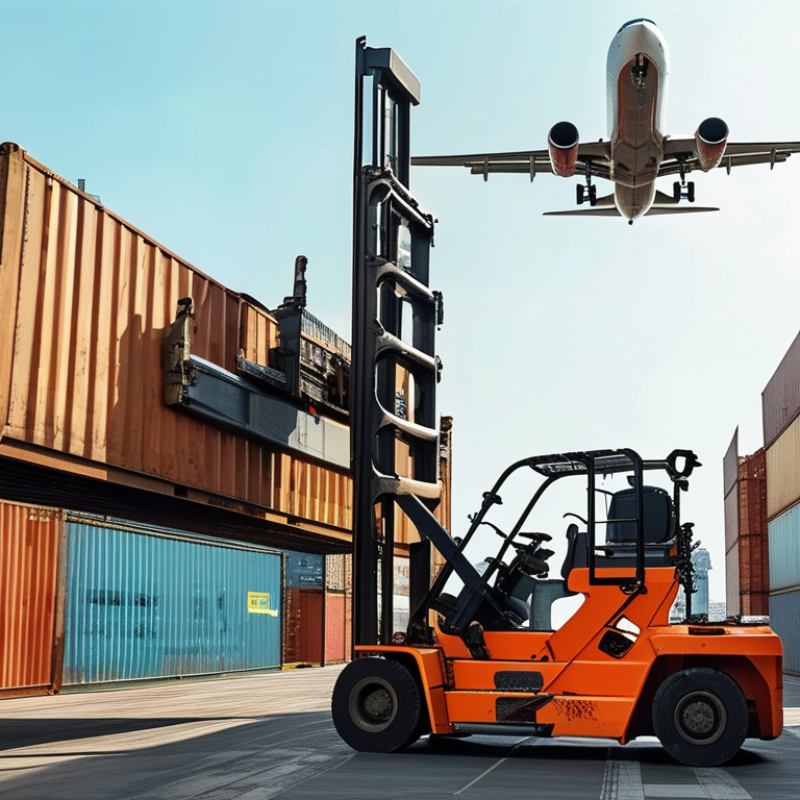
Key Features of Effective LD3 Container Dollies for Airlines
When it comes to transporting cargo efficiently, LD3 container dollies are essential for airlines. These specialized dollies are designed to handle LD3 containers, ensuring safe and quick transfer of cargo to and from aircraft.
Key features of effective LD3 container dollies include durability and maneuverability. A well-built dolly can withstand the rigors of airport operations. The material used in construction should resist wear and tear. Furthermore, lightweight designs allow for easy handling, reducing manual work for ground crews.
Tip: Inspect dollies regularly to ensure they are in good condition. Look for signs of damage or excessive wear that could affect performance.
Another vital feature is compatibility. Dollies should seamlessly fit standard LD3 containers. This helps prevent cargo delays and keeps operations smooth. Clear labeling and an organized storage system enhance efficiency during busy hours.
Tip: Always check compatibility with your cargo specifications. Using the wrong dolly can lead to logistical challenges.
In conclusion, focusing on these key features helps airlines choose the best LD3 container dollies for their needs. Efficient operations depend on reliable equipment and careful planning. Investing in quality dollies pays off in the long run.
Materials and Design Considerations for Cargo Dolly Durability
When selecting the best LD3 container dolly for cargo airline needs, material and design are paramount. A robust dolly typically utilizes heavy-duty aluminum or steel. These materials provide excellent strength, ensuring they can handle substantial loads without bending or breaking. Durable plastics can also be considered, as they are lightweight and resist corrosion.
Design plays an equally critical role. A dolly should have a low-profile structure to facilitate easy loading and unloading. Wheels are another essential aspect. They should be large enough to navigate rough surfaces while providing stability. Reinforced corners will enhance longevity, especially in high-impact environments.
Tips:
Choose a dolly with a rust-resistant coating for extended use. Regular maintenance checks can prevent unexpected failures. When purchasing, aim for a dolly that has proven performance records in demanding conditions. This increases reliability and trustworthiness in your operations.
Compatibility with Different Aircraft and Load Specifications
When selecting the best LD3 container dolly for cargo airline operations, compatibility is crucial.
LD3 containers are designed for various aircraft types, including the Boeing 777 and Airbus A330,
which have specific loading requirements. Adapting a dolly to multiple aircraft models ensures
smoother operations and maximizes efficiency.
Data indicates that handling times can decrease by 20% with the right dolly system. This is vital
for airlines, where on-time arrivals are crucial. Additionally, each aircraft model often has
unique loading specifications. Standard LD3 dimensions are 125 cm x 75 cm, but load weight limits
can vary significantly. Airlines must ensure that their dollies can accommodate these specifications
without exceeding weight limits, as this could lead to delays and operational inefficiencies.
Tip: Always consult your aircraft's loading manual when selecting a dolly. This will help ensure
compatibility and avoid costly errors.
When evaluating dollies, consider materials and durability. Some dollies may withstand heavy loads
better than others. In particular, aluminum options tend to be lighter and more manageable. However,
they can sometimes be less durable than steel models.
Tip: Regularly inspect your dolly for wear and tear. Preventative maintenance can save time and
reduce unexpected issues during loading operations.
Maintenance Tips for Longevity and Optimal Performance
When it comes to maintaining LD3 container dollies, a few critical practices can ensure longevity and optimal performance.
Regular inspection is vital. Check for wear and tear, focusing on wheels and structural integrity.
A small crack can lead to bigger issues, possibly affecting operations. Pay close attention to the dolly's bearings.
If you notice excessive noise, consider lubrication or replacement.
Cleaning the dolly is just as important. Accumulated dirt can cause operational inefficiencies.
Use mild detergents to remove grime. Avoid harsh chemicals that may damage materials.
After cleaning, perform a thorough inspection to catch any issues before they escalate.
It's wise to develop a maintenance schedule. Consistency is key to preventing unexpected breakdowns.
Training staff on proper handling techniques also plays a role. An incorrect loading method can stress the dolly
beyond its limits. Reinforce best practices to minimize risk.
Create a culture of awareness around equipment. This can lead to a safer, more efficient working environment.
Reflect on current practices—are there areas for improvement?
Consider new strategies for dealing with wear and usage trends.
Cost-Effectiveness: Budgeting for LD3 Container Dollies in Airlines
When budgeting for LD3 container dollies, airlines face unique challenges. The LD3 container, essential for air cargo, requires durable and efficient handling tools. A study by the International Air Transport Association (IATA) indicates that improving ground handling processes can reduce operational costs by up to 15%. This highlights the importance of investing in cost-effective dollies. The average lifespan of a quality dolly can exceed ten years, making initial costs easier to manage over time.
Airlines should consider maintenance expenses as well. Regular inspections and repairs can add up. Reports suggest that around 20% of airlines overlook these costs, leading to unexpected budget overruns. Evaluating the total cost of ownership (TCO) is vital. This encompasses purchase price, maintenance, and possible downtime due to equipment failure. A detailed TCO analysis can help identify more economical options.
Furthermore, the weight and design of the dolly impact fuel efficiency. Lightweight but robust construction is ideal. Research shows that optimizing equipment design can reduce fuel consumption by 5% over time. Airlines should weigh the benefits of investing in advanced materials against initial costs. Balancing quality and budget is crucial for sustainable operations.
Best Ld3 Container Dolly for Cargo Airline Needs? - Cost-Effectiveness: Budgeting for LD3 Container Dollies in Airlines
| Feature |
Description |
Average Cost (USD) |
Lifespan (Years) |
Maintenance Cost (Annual USD) |
| Material |
Aluminum Alloy |
3000 |
10 |
200 |
| Weight Capacity |
Weight Limit of 6000 lbs |
Not Applicable |
Not Applicable |
Not Applicable |
| Design |
Ergonomic with Adjustable Handles |
Not Applicable |
Not Applicable |
Not Applicable |
| Tire Type |
Durable Rubber Tires |
Not Applicable |
Not Applicable |
150 |
| Customization Options |
Color and Logo Branding Available |
Not Applicable |
Not Applicable |
Not Applicable |
Conclusion
The article titled "Best LD3 Container Dolly for Cargo Airline Needs?" explores the essential features that make LD3 container dollies effective for airline operations. Key attributes include robust materials and thoughtful design considerations that enhance durability, ensuring these dollies withstand the rigors of frequent use in a cargo setting. The discussion also emphasizes the importance of compatibility with various aircraft and load specifications, which is crucial for seamless cargo handling.
Additionally, maintenance tips are offered to maximize the lifespan and performance of the LD3 container dolly for cargo airline use. Cost-effectiveness is a significant concern for airlines, and the article outlines budget-friendly strategies for acquiring LD3 container dollies without compromising quality. Overall, understanding these factors empowers airlines to optimize their cargo operations efficiently.

 Chidge Dolly