Choosing the right equipment for airport operations can significantly impact efficiency. The "Double Container Dolly For Airport" plays a vital role in handling cargo. According to industry expert John Davis, "An efficient dolly system can revolutionize airport logistics." His insights highlight the importance of selecting the right dolly to streamline operations.
When considering options, factors like durability, maneuverability, and design come into play. A well-built dolly can withstand harsh conditions, proving reliable over time. However, one must also reflect on the potential drawbacks. Some models may not offer the best maneuverability in tight spaces, leading to challenges.
In the fast-paced airport environment, efficiency matters. Investing in a high-quality "Double Container Dolly For Airport" can enhance operational workflows. Yet, careful assessment is essential. Not every dolly will meet specific needs. Thus, understanding the unique requirements of your airport is crucial for making an informed choice.
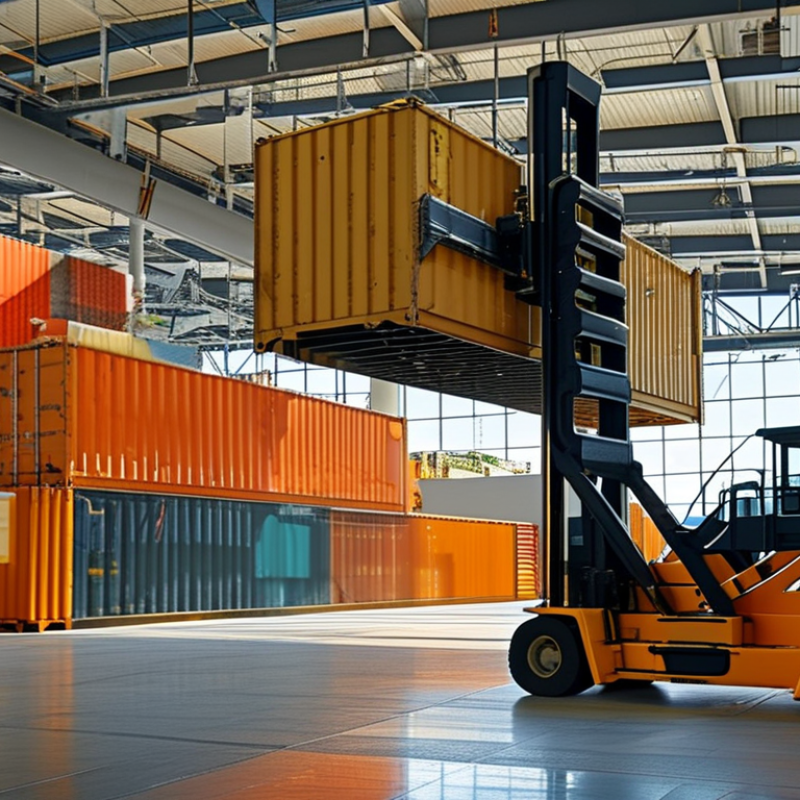
Airports require efficient transportation solutions for cargo and baggage. Double container dollies play a vital role in this system. They can hold two containers simultaneously, maximizing space and reducing the number of trips. This efficiency leads to faster turnaround times, which is crucial in a busy airport environment.
Understanding the specific needs of an airport is essential when choosing a double container dolly. Factors such as size, weight capacity, and maneuverability matter significantly. When a dolly can easily navigate tight spaces, it enhances operational flow. However, not all dollies perform well under various conditions. Operators must evaluate their environment regularly, ensuring they have the right equipment.
Reliability is another critical factor. A dolly must withstand constant use and harsh conditions. Materials that can resist wear and tear elevate performance. Some airports might overlook maintenance, which can lead to costly downtime. Regular inspections and maintenance are necessary for sustained efficiency. Finding the right balance between cost and quality often requires reflection and careful thought.
When selecting a double container dolly for airport use, several key features are essential. The weight capacity is paramount. Ensure it can handle heavy loads efficiently. A good dolly should accommodate standard container sizes while allowing for stability during transit. This is crucial in busy airport environments where safety is a priority.
Another consideration is maneuverability. Look for models with swivel wheels. This feature allows for better control in tight spaces, which is common in terminals. Some dollies might not move smoothly, leading to frustration. The material of the dolly also matters. Opt for durable materials that can withstand the wear and tear of constant use. Corrosion-resistant options are beneficial, especially when dealing with weather changes.
Lastly, think about storage and ease of use. A dolly that folds or stacks can save space when not in use. However, some designs may lack this feature, causing clutter. Reflecting on these elements can greatly influence your decision. The right dolly enhances efficiency while keeping operations safe and organized.
When selecting a double container dolly for airport use, durability and weight capacity are crucial aspects. Many airports require dollies that can withstand frequent use. Look for materials such as steel or heavy-duty plastic. They should resist corrosion and wear from constant interactions with heavy baggage.
Weight capacity is another vital factor. Dollies need to support a significant load without bending or breaking. A standard dolly should handle at least 1,500 pounds comfortably. Some may even support larger weights. Be aware that overloading a dolly can lead to safety issues. Proper weight distribution is key.
Choosing the right dolly involves considering these factors carefully. Reflect on how often the dolly will be used and the specific tasks it must perform. Not all dollies are created equal; some might fail under pressure. Regular inspections can help ensure safety and performance. Strive for a balance between lightweight design and robust construction. This balance will enhance efficiency at busy airports.
When selecting a double container dolly for airport use, various designs and configurations play a critical role in efficiency. According to industry reports, different configurations, such as fixed or swivel wheel designs, can significantly impact maneuverability and load stability. A swivel wheel configuration enhances the dolly's ability to navigate tight spaces, while fixed wheels provide a more stable path over uneven terrain.
Material composition also warrants attention. Aluminum dollies tend to be lightweight, making them easier to handle, as highlighted in a 2021 study that noted a 30% increase in operational speed with lighter equipment. Steel options offer durability but may require more effort to transport. Choosing between these materials often depends on the specific demands of the airport environment.
Another important consideration is the dolly's load capacity. Dollies can vary widely, with some designed to handle upwards of 2,000 pounds. This variability means that careful assessment of daily operations is necessary. Oversized containers often necessitate larger configurations, but such designs can hinder accessibility. Balancing capacity with practical usability is essential to avoid operational bottlenecks. These factors illustrate that while the right dolly can enhance logistical operations, the choice must be carefully evaluated against the specific context of airport routines.
To extend the lifespan of double container dollies used in airport operations, proper maintenance is crucial. Research indicates that regular inspections can reduce downtime by up to 30%. This approach helps identify wear and tear early, preventing costly repairs later. Keeping the dollies clean increases their efficiency. Dirt and debris can lead to mechanical failures if not addressed promptly. A quick weekly check can make a significant difference.
Additionally, lubrication should be part of your routine. Keeping hinges and wheels properly lubricated can enhance mobility. Many experts recommend using specific types of grease that can withstand extreme temperatures. Neglecting this can result in sticking components, making it harder to maneuver dollies. Although some operators might overlook this step, the benefits of smooth functionality are profound.
Moreover, training staff on best practices is essential. Educating them about handling and using dollies correctly can prevent accidents. Misuse can lead to damaged units and delays in operations. Investing time in training can yield long-term benefits for the entire team. Frequent discussions about maintenance strategies keep the topic at the forefront. Continuous focus on these areas helps sustain operational efficiency and safety.
| Feature | Recommendation | Maintenance Tips | Expected Lifespan |
|---|---|---|---|
| Load Capacity | At least 1,500 lbs | Regularly check weight distribution | 5-7 years |
| Wheel Type | Polyurethane wheels for durability | Inspect wheels for wear every 3 months | 3-5 years |
| Frame Material | Heavy-duty aluminum or steel | Clean frame surfaces regularly | 10+ years |
| Foldability | Folds for easy storage | Test folding mechanism regularly | N/A |
| Brake System | Reliable locking brake features | Check brake functionality before use | 5 years |
: Look for steel or heavy-duty plastic. These resist corrosion and wear from heavy baggage usage.
A standard dolly should handle at least 1,500 pounds. Some can support larger weights safely.
Overloading a dolly can cause safety issues. Weight should always be evenly distributed to prevent accidents.
Regular inspections are crucial. A weekly check can significantly reduce downtime and prevent costly repairs.
Keeping dolly components clean and lubricated enhances efficiency. Dirt can lead to mechanical failures.
Proper lubrication ensures smooth mobility. Neglecting this can cause components to stick and hinder maneuverability.
Educating staff on proper dolly use prevents accidents. Misuse may damage dollies and delay operations.
Continuous focus on maintenance strategies helps sustain efficiency and safety in operations.
Yes, improper handling can lead to damage. Best practices are vital for maintaining operational efficiency.
Yes, some operators might skip lubrication. However, regular maintenance pays off in the long run.
When selecting a Double Container Dolly For Airport use, it's essential to understand its importance in facilitating efficient cargo handling. Double container dollies are specifically designed to transport multiple containers simultaneously, improving logistics and reducing turnaround times at busy airports. Key features to consider include the dolly’s material durability, weight capacity, and overall design, which should accommodate the specific operational needs of the airport.
In addition to selecting the right dolly, comparing different designs and configurations can yield insights into optimizing performance based on your airport's layout and workflow. Maintenance is also crucial, as regular upkeep ensures longevity and reliability of the double container dollies, keeping operations running smoothly. By focusing on these factors, airport authorities can enhance their cargo management systems effectively.

Chidge Dolly