In the fast-paced world of air cargo transport, efficiency is vital. The Airport Double Container Dolly plays a significant role in achieving this goal. According to a recent industry report, optimizing cargo handling can lead to a 15% reduction in operational costs. This highlights the importance of investing in the right equipment.
Airport Double Container Dollies facilitate seamless movement of containers, significantly reducing loading and unloading times. They allow ground crews to manage multiple containers with ease, improving workflow and logistics. However, choosing the right model can be challenging. Industry experts recommend evaluating the specific needs of your operations, such as weight capacity and maneuverability.
While options abound, not all dollies will meet stringent airport regulations or operational demands. Some may lack durability or sufficient storage capacity. It is essential to reflect on past decisions regarding equipment purchases and learn from previous challenges faced by peers in the industry. Selecting the right Airport Double Container Dolly requires careful consideration and a thorough understanding of the operational landscape.
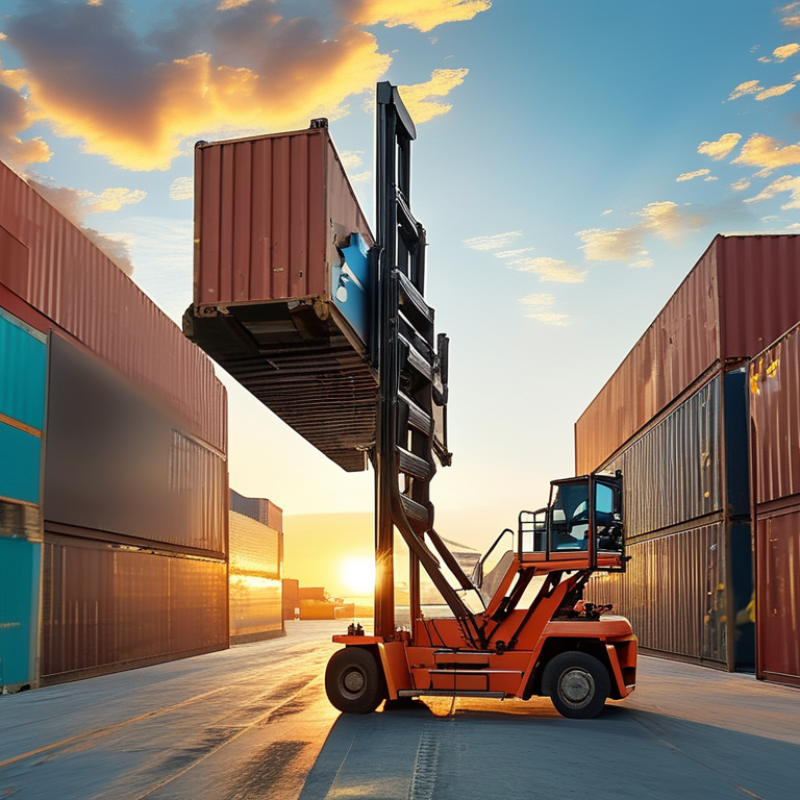
Airport double container dollies play a crucial role in the efficient transport of cargo. These specialized carts are designed to move two standardized containers simultaneously, reducing the time and labor required for loading and unloading. With their sturdy construction and ergonomic design, they ensure safe transit while minimizing potential damage to cargo.
When selecting a double container dolly, consider the weight capacity and maneuverability. High-quality dollies can support heavy loads and navigate tight spaces in busy terminals. Pay attention to wheel design, as larger wheels can enhance mobility over uneven surfaces. Ensure that the dolly’s brakes are reliable for secure stops during transit.
Tips for maintenance include regular inspections of wheels and frames. Check for signs of wear or damage to maintain efficiency. Additionally, training staff on proper loading techniques can optimize usage and prolong the dolly’s lifespan. Always evaluate your specific needs to ensure the chosen dolly aligns with your operations. This thoughtful approach can improve your workflow and minimize costly delays.
Choosing the right double container dolly for airport transport requires attention to several key features. First, consider the dolly's load capacity. A well-designed dolly should support hefty containers while ensuring stability. Look for models with reinforced frames. They should withstand the wear and tear of airport environments.
Another critical aspect is ease of maneuverability. A dolly with swivel wheels offers better handling in tight spaces. Inspect wheel materials as well; softer wheels provide better traction on varied surfaces. Additionally, some dollies come with brakes. These can prevent accidental movement, especially when loading or unloading.
Finally, durability cannot be overlooked. Materials like aluminum or heavy-duty steel help extend the dolly’s lifespan. A powder-coated finish can resist rust and corrosion, ensuring reliable performance. Reflect on your operational needs. Each airport may present unique challenges that influence your choice. Speed and efficiency matter, but reliability is paramount.
When exploring airport double container dollies, it's crucial to examine the leading options available. These dollies play a vital role in streamlining transport operations. Efficiency in moving cargo can drastically improve airport logistics. Various brands offer distinct features, from weight capacity to ease of maneuverability.
A comparative analysis reveals common strengths among top models. Many include durable construction and intuitive design. However, some may fall short on specific functionalities. For instance, a dolly's ability to navigate tight spaces can differ significantly. It’s essential to take into account weight distribution and the ease of attaching and detaching containers.
User feedback often highlights that not all models perform equally in all environments. Some users report issues with durability after extended use. This indicates a need for careful selection based on individual operational demands. The right dolly should enhance productivity but also warrant regular assessments to ensure reliability over time.
| Model | Capacity (lbs) | Weight (lbs) | Material | Wheel Type | Dimensions (L x W x H) |
|---|---|---|---|---|---|
| Dolly A | 2000 | 150 | Aluminum | Pneumatic | 80 x 40 x 20 |
| Dolly B | 2500 | 180 | Steel | Rubber | 85 x 45 x 22 |
| Dolly C | 2300 | 160 | Composite | Solid | 82 x 42 x 21 |
| Dolly D | 1800 | 140 | Aluminum | Pneumatic | 79 x 39 x 19 |
Operating double container dollies in airports can significantly enhance transport efficiency. Proper operation not only speeds up cargo handling but also ensures safety. Familiarity with best practices is vital for effective use.
One key practice is to regularly inspect dollies for wear and tear. Look for signs of damage on wheels and frames. Small issues can lead to bigger problems if ignored. It's important to train staff on load distribution techniques. A balanced load prevents tipping and damage. Sometimes, workers may overlook this, leading to potential hazards.
Incorporating communication among team members is crucial. Use clear signals when maneuvering dollies in busy areas. Crowded spaces can become chaotic. Having a designated spotter can help navigate tight corners. This also reminds everyone to stay alert. Over time, complacency can creep in, which could be dangerous in a high-stakes environment.
When it comes to maintaining airport double container dollies, attention to detail is crucial. Regular inspections can ensure they operate smoothly. Check for signs of wear and tear, like rusty hinges or frayed straps. Addressing these issues can prevent larger problems down the line. Many neglect to clean their equipment, which can lead to corrosion and functionality problems. A quick wipe down after each use makes a big difference.
Lubrication is another vital aspect. It should be done according to the manufacturer’s specifications. Lubricating the wheels and pivot points reduces friction, enhancing performance. However, over-lubrication can attract dirt and create grime buildup, which may hinder performance. Finding the right balance is essential.
Storage conditions also play a significant role in the lifespan of your dolly. Exposure to harsh environments can lead to deterioration. If possible, store them in a sheltered area or use covers. Preventing exposure to extreme temperatures and moisture preserves the materials. Regularly reviewing your maintenance practices could lead to better outcomes and longer-lasting equipment. It’s about creating habits that prioritize care and efficiency.
: Consider load capacity and stability. Reinforced frames are essential for supporting hefty containers.
Ease of maneuverability is critical. Swivel wheels improve handling in tight airport spaces.
Softer wheels offer better traction on various surfaces. Check materials for durability and performance.
Brakes prevent accidental movement during loading or unloading. They're essential for safety in busy environments.
Durable materials like aluminum or heavy-duty steel extend lifespan. A powder-coated finish resists rust and corrosion.
Regular inspections are crucial. Look for signs of wear, clean after each use, and lubricate as specified.
Yes, over-lubrication can attract dirt and create grime. It’s important to find a balance in lubrication.
Harsh environments can cause deterioration. Store dollies in sheltered areas to protect against temperature and moisture.
Many neglect to clean their equipment properly. This can lead to corrosion and functionality problems.
Regularly review your practices. Prioritizing care improves equipment longevity and operational efficiency.
The article provides a comprehensive overview of Airport Double Container Dollies, highlighting their crucial role in facilitating efficient transport at airports. Key features to consider when selecting these dollies include load capacity, maneuverability, and durability. A comparative analysis of leading options reveals how various designs meet the demands of airport logistics, focusing on aspects like stability and ease of use.
Additionally, the article outlines best practices for operating Airport Double Container Dollies to ensure safety and efficiency in handling cargo. It also offers maintenance tips aimed at enhancing the longevity and performance of these essential transport tools, ensuring they remain reliable assets in airport operations. Proper care and informed use can significantly impact their lifespan and overall effectiveness in streamlining airport logistics.

Chidge Dolly